 Free shipping on orders over £29,85
  Shipping Tracking!


 Google
 Facebook
How to make a resin floor conductive
Step-by-step guide to creating safe, antistatic resin flooring

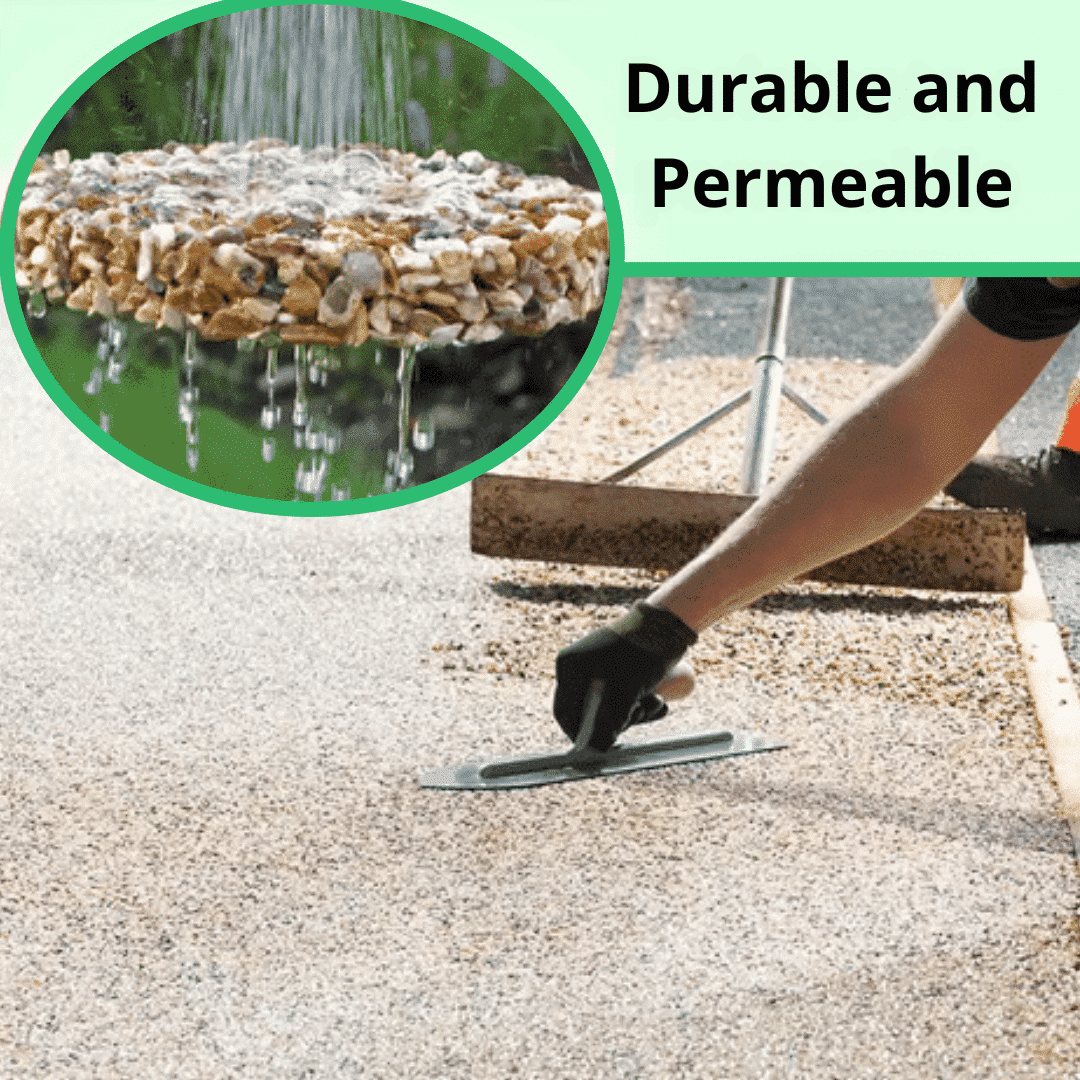
Creating a conductive resin floor is crucial in industrial, laboratory, and specialist commercial settings where static discharge must be controlled. This guide explains each stage in the process, from preparing your existing floor to achieving a robust, antistatic finish, ensuring you understand every technical aspect for a professional and long-lasting result.
What You’ll Need
- “Epoxyprimer” – Universal Water-Based Two-Component Epoxy Floor Primer – for resilient, reliable surface adhesion
- “Carbon Resin” – Epoxy Resin for Carbon Fiber & Fiberglass Coating – to enable the integration of conductive materials such as carbon fibre mesh or fabric

Visualising Conductive Floor Preparation
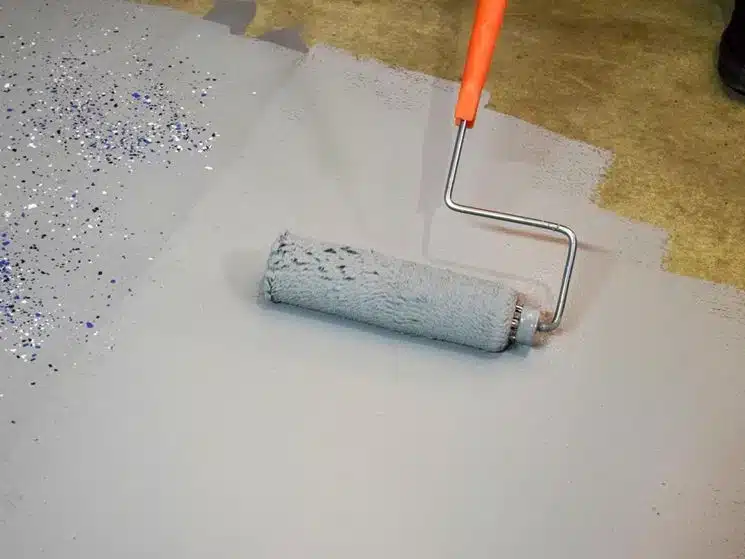
See how preparing and priming your substrate leads to flawless conductive resin floors. Visual examples illustrate a clean, dust-free surface and even primer application—key steps before introducing any conductive elements.
Step 1: Assess and Prepare the Substrate
A well-prepared substrate is the foundation for conductivity and longevity in any resin flooring system. Begin by cleaning the existing concrete, timber, or tiled floor thoroughly—vacuum and degrease to remove all dust, oils, and residues. Repair cracks or uneven sections to create a flat, stable base. Moisture content should be checked and kept within manufacturer-approved limits, as any trapped moisture can compromise adhesion and electrical performance. Planning for expansion joints and avoiding structural movement is also essential.
Maintain a dust-free environment throughout to prevent particle contamination, which can disrupt both adhesion and conductivity.


Step 2: Apply a Suitable Floor Primer
Priming is essential for strong adhesion and to seal porous or absorbent surfaces, which reduces the risk of pinholes or air bubbles in subsequent conductive layers. Opt for a water-based, two-component epoxy primer, applying evenly with a roller or brush to achieve consistent coverage. Allow the primer to cure fully, typically for 24–48 hours at room temperature.
For this step, “Epoxyprimer” – Universal Water-Based Two-Component Epoxy Floor Primer is highly effective, as it is specifically formulated for various substrates common in resin flooring projects, ensuring maximised bonding to the base layer.
Ensure correct curing for each layer—do not rush to the next stage before the primer has set completely, as premature application can result in compromised conductivity and adhesion.
Step 3: Incorporate a Conductive Layer
The conductive property in resin floors is typically achieved by integrating conductive fillers or meshes (such as carbon fibre fabrics) within an epoxy resin base. Start by applying the selected conductive mesh or tape to the primed surface as specified by your antistatic flooring system. Overlap segments and connect them to an earthing point for efficient dissipation of static electricity.
Mix and apply a compatible epoxy resin atop the mesh, ensuring thorough impregnation to encapsulate the conductive material completely and free from air gaps. “Carbon Resin” – Epoxy Resin for Carbon Fiber & Fiberglass Coating is suited for this application, as it’s designed for optimal impregnation of carbon-based technical fabrics, helping maintain both structural integrity and consistent conductivity.
Level the surface using a notched trowel or roller, and allow the conductive resin layer to cure per manufacturer’s instructions. Avoid foot traffic during this period.

Step 4: Install the Finishing Coat and Test Conductivity
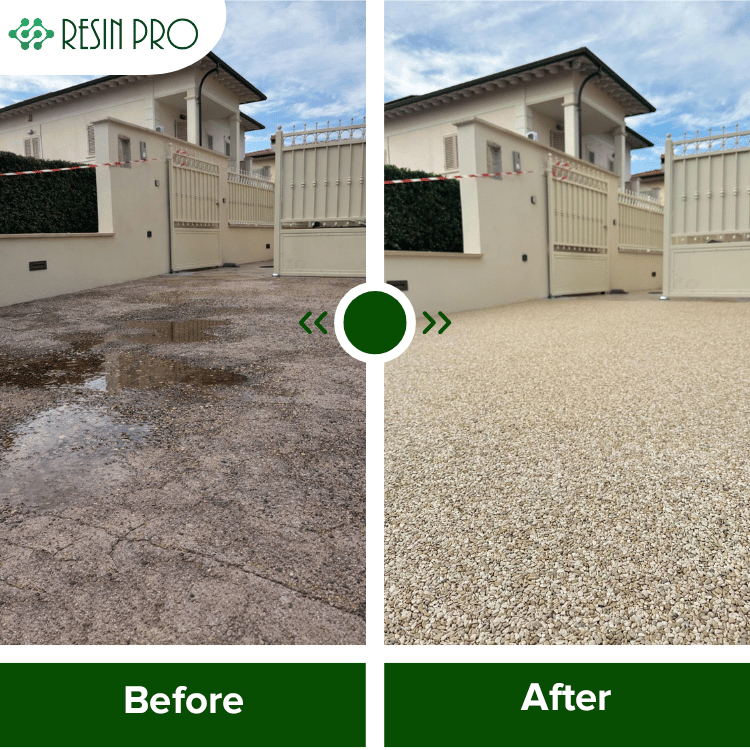
Once the conductive layer is cured, apply a finishing coat of resin compatible with your conductive base. This layer provides a durable, wear-resistant surface and can be either clear or pigmented depending on aesthetic or safety requirements. Do not use antistatic additives unless the formulation is compatible with your chosen system to avoid interference with conductive pathways.
After curing, check the floor’s conductivity using an approved surface resistance tester. Confirm that readings fall within the range specified for your intended use—adjustments may involve adding more earthing points or reapplying conductive components if results are out of tolerance.
Always follow safety protocols, including proper ventilation and appropriate personal protective equipment throughout the process.
Tips, Common Mistakes, and Troubleshooting
Maintain a meticulous approach at every stage—small oversights can undermine conductivity. Do not skip priming, as incomplete coverage creates insulation spots that break electrical continuity. During installation of the conductive mesh or filler, ensure full contact and reliable earthing—loose networks will not dissipate static effectively. Always mix and apply resin in line with technical datasheets to reduce the risk of trapping air.
Routine testing after installation is critical; surface cleaning (without harsh chemicals) and regular checks will prolong the antistatic properties and integrity of your resin flooring.
How Conductive Elements Integrate in Resin Floors
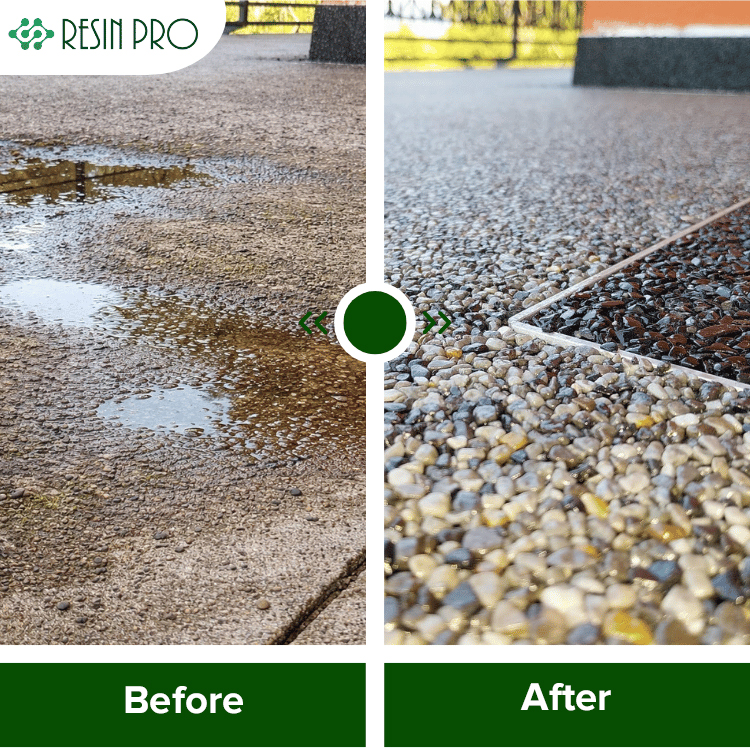
Explore the application of carbon fibre mesh and compatible epoxy resin. Guidance emphasises the importance of precise resin mixing, impregnation, and earthing for optimal conductivity in your resin floor project.

- "Epoxyprimer" – Universal Water-Based Two-Component Epoxy Floor PrimerPrice range: £156.45 through £286.45Epoxyprimer is a water-based two-component epoxy floor primer suitable for concrete and timber surfaces, compatible with the theme of conductive…
- "Trasparente" – Epoxy Binder for Coloured Pebbles and GritsPrice range: £33.45 through £397.95"Trasparente" is a transparent epoxy binder designed for coloured pebbles and grits, providing a clear and UV-stable finish suitable for decorative…
- "Flowstone" – Complete Permeable Floor Kit with Pebbles and ResinPrice range: £49.95 through £3,915.45"Flowstone" is a permeable and durable pebble and resin floor kit for outdoor surfaces, suitable for UK climate with easy application guidance.
 "Carbon Resin" – Epoxy Resin for Carbon Fiber & Fiberglass CoatingPrice range: £19.95 through £37.95"Carbon Resin" epoxy is designed for composites and fibreglass, providing smooth impregnation and a glossy finish compatible with the theme of making…
Frequently Asked Questions
How do I prepare the surface for a conductive resin floor?
Thoroughly clean, degrease, and repair any cracks. Ensure the surface is dry and smooth before priming for optimal adhesion and conductivity.
How are conductive materials incorporated in a resin floor?
Conductive mesh or carbon fibre fabric is embedded in the resin layer and connected to an earthing point for static dissipation.
What primer should I use for a conductive epoxy floor?
A water-based, two-component epoxy primer is ideal for adhesion and sealing pores before applying the conductive resin system.
How do I test resin floor conductivity?
After curing, use a surface resistance tester to confirm conductivity is within required specifications for your setting.
What are common mistakes in making floors conductive?
Skipping primer, uneven mesh placement, poor earthing, or incorrect resin mixing can result in non-conductive areas and reduced performance.
Can I make my existing floor conductive?
Yes, but it involves surface preparation, application of a new conductive layer, and testing to ensure proper conductivity.