 Free shipping on orders over £29,85
  Shipping Tracking!


 Google
 Facebook
← Back to How to prepare resin for flooring?
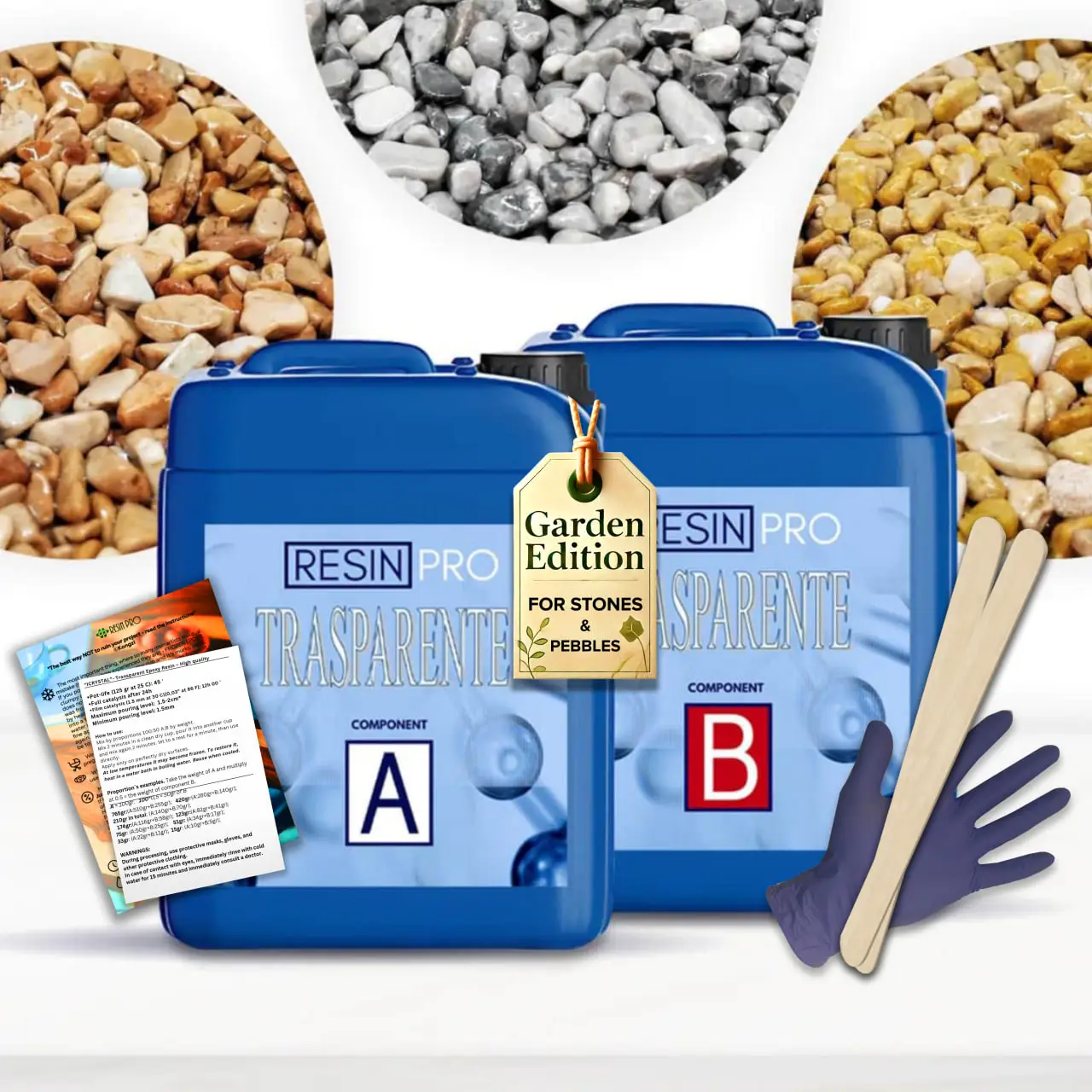

Choosing and using the right resin is fundamental for a successful flooring application. A common question arises: is it safe or effective to mix different types of resin together?
Why Mixing Resins Can Be Problematic
Resins are formulated to work as systems, with specific chemical ratios between base and hardener designed to cure efficiently and deliver a predictable finish. Combining different types—such as mixing epoxy and polyurethane, or even different brands—can disrupt the curing process, potentially resulting in tacky, uneven or brittle areas. These issues compromise both appearance and durability, sometimes making rework necessary.


Best Practice: Stick to Compatible Systems
For optimal results, always use resin products from the same manufacturer and system. For example, if using a transparent epoxy binder like Trasparente designed for coloured pebbles and grits, select the recommended hardeners and primers from the same range. This approach ensures reliable bonding, consistent curing, and the desired decorative effect.
When This Matters Most
- Large surface areas: Curing inconsistencies are harder to remedy on expansive floors.
- Outdoor or high-traffic zones: Premature wear or structural weakness from incompatible mixes can cause rapid degradation.

Related products
Related guides
While it may be tempting to experiment, sticking to matched resin systems is the surest route to reliable, attractive flooring. For a full guide on resin preparation and best practices, see our main guide on how to prepare resin for flooring.