 Free shipping on orders over £29,85
  Shipping Tracking!


 Google
 Facebook
How to prepare resin for flooring?
Step-by-step guide for seamless surface preparation and application

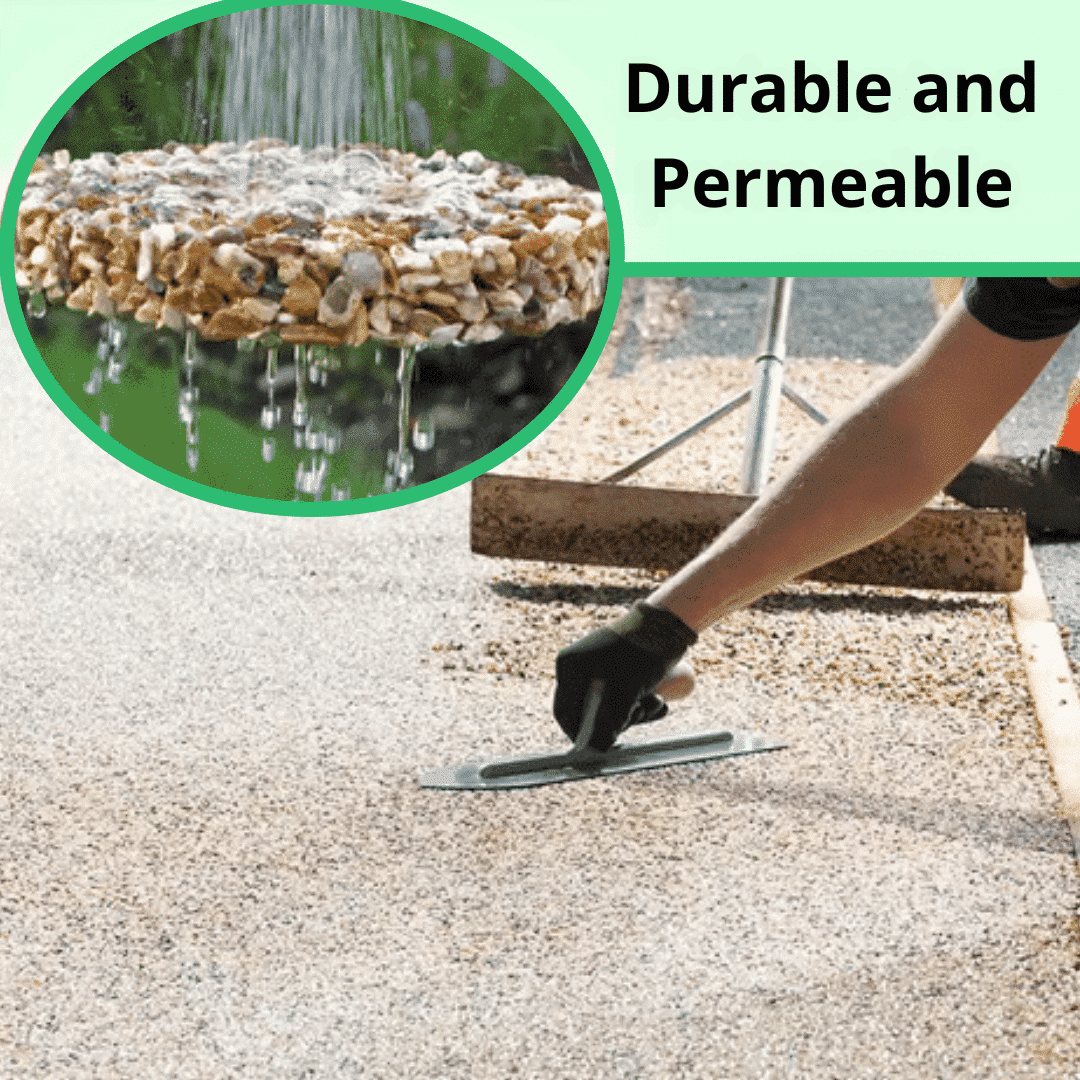
Preparing resin for flooring is essential to achieving a strong, durable, and visually appealing finish, whether you’re resurfacing concrete, installing decorative pebble floors, or protecting driveways. This comprehensive guide explains the step-by-step process for resin floor preparation, highlighting techniques and tips for professionals and DIYers alike.

What You’ll Need
- “Epoxyprimer” – Universal Water-Based Two-Component Epoxy Floor Primer: Provides reliable adhesion for a variety of flooring substrates.
- “Trasparente” – Epoxy Binder for Coloured Pebbles and Grits: Ideal for mixing with coloured aggregates for decorative pebble floors.
- “Flowstone” – Complete Permeable Floor Kit with Pebbles and Resin: For full-system installation of draining pebble and resin floors.
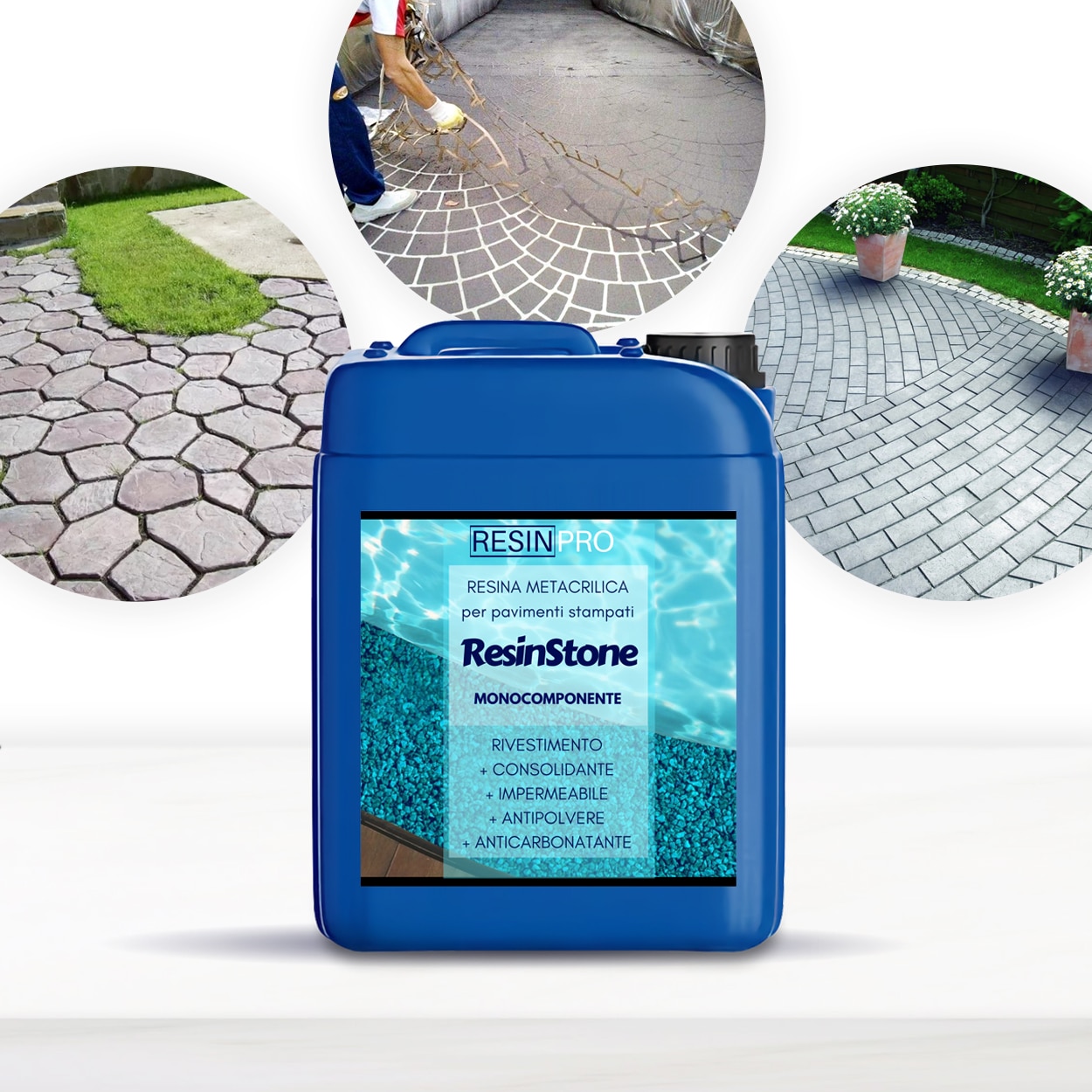
- “Resinstone” – One-Component Methacrylic Resin for Concrete Floors and Driveways: For protecting and waterproofing concrete bases.
- Protective gloves and goggles
- Clean buckets or mixing containers
- Squeegee, roller, and brush
- Masking tape and sheets for surrounding protection

Essential Tools and Visual Guide
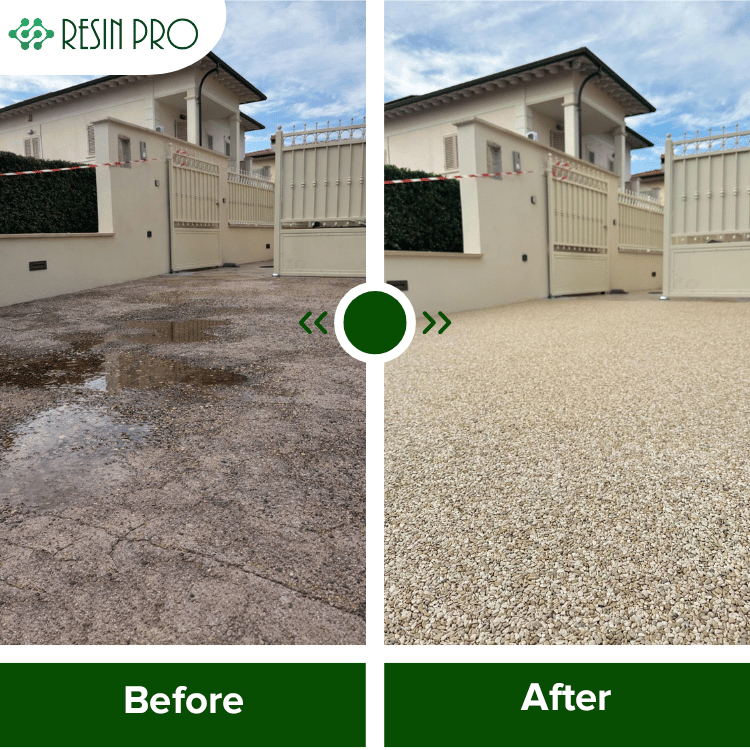
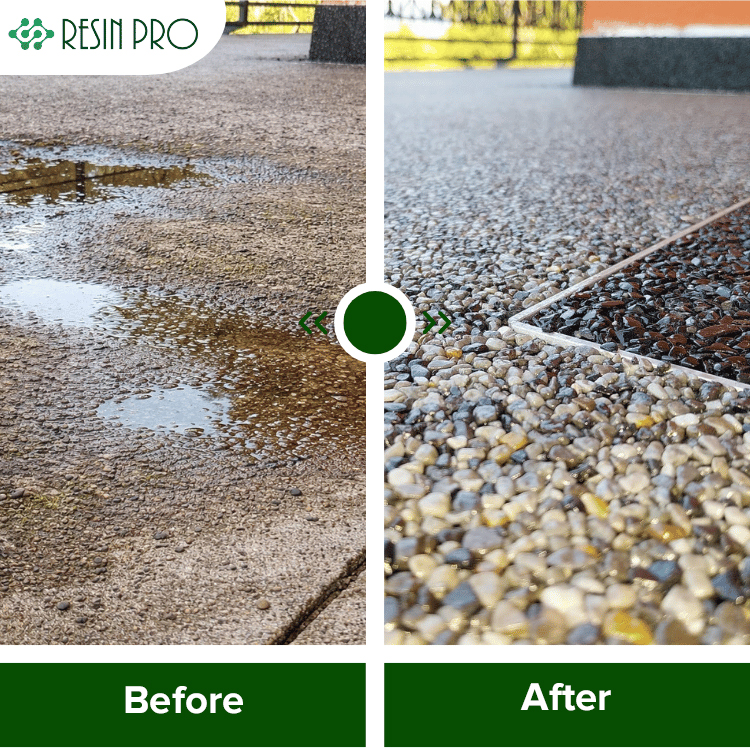
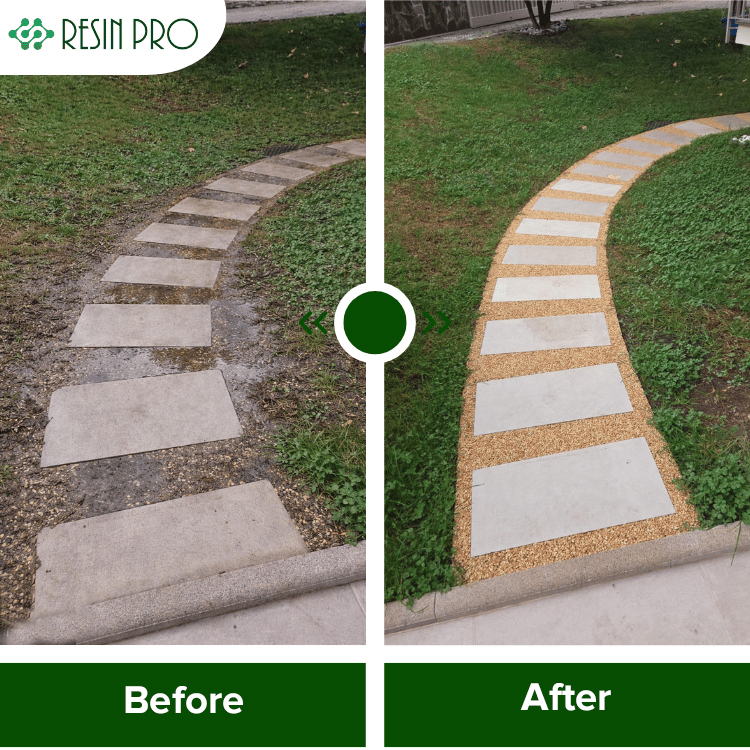
See examples of professional resin floor preparation—from substrate inspection to thorough cleaning and masking. Images show correct application techniques for primers, resin mixing, and aggregate binding so you can visualise every step. Proper preparation is crucial to beautiful, long-lasting resin floors.
Step 1: Assess and Clean the Surface
The first step in any resin flooring application is thorough surface assessment and cleaning. Remove all dust, debris, oil, old paint, or previous coatings—any contaminant may interfere with resin bonding and compromise the finish. For concrete, sweeping, vacuuming, and degreasing are often necessary. On tiled or timber substrates, ensure stability and repair any cracks or loose areas before proceeding.
Ensure the substrate is completely dry before applying resin. Moisture trapped beneath the resin may cause bubbling, poor adhesion, or delamination in the finished floor.
Step 2: Prime for Lasting Adhesion
Use a dedicated primer to improve adhesion on challenging surfaces such as absorbent concrete, tiles, or wood. Primers help seal the substrate, prevent resin loss, and reduce the risk of bubbles forming. Epoxy-based primers are best for most applications due to their strong bonding and versatile compatibility across substrate types.
A water-based two-component primer such as “Epoxyprimer” – Universal Water-Based Two-Component Epoxy Floor Primer can be applied with a roller, brush, or spatula. Allow the primer to cure fully—typically 24 to 48 hours—before progressing.
Step 3: Mix Resin and Aggregates Correctly
The mixing process is critical for creating strong, uniform flooring. For decorative pebble or permeable floors, blend resin with clean, dry aggregates—such as marbles, coloured pebbles, or grits—for optimal impregnation. Consistently coat all stones for full encapsulation and stability, following the recommended ratios for your chosen system.
Mix resin components thoroughly following ratio guidelines. Inadequate mixing may result in uneven curing, weak spots or a cloudy, sticky finish. For coloured aggregates, a transparent resin binder like “Trasparente” – Epoxy Binder for Coloured Pebbles and Grits is ideal for preserving colour clarity and UV stability.
When installing permeable pebble systems, select a kit such as “Flowstone” – Complete Permeable Floor Kit with Pebbles and Resin. Refer to the enclosed instructions for correct mixing proportions and application order.
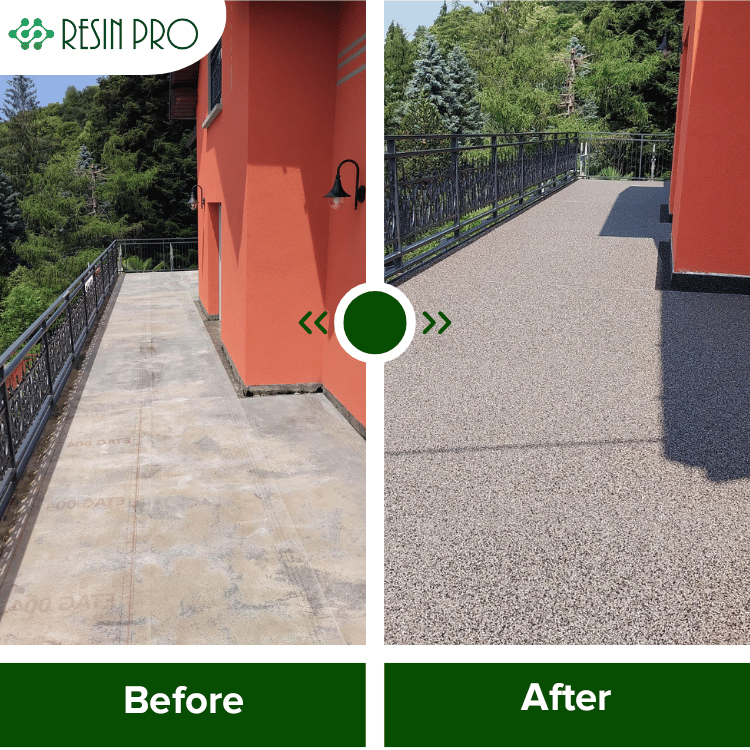
Step 4: Apply Resin to the Floor
Carefully spread the mixed resin (or resin-aggregate composite) over the surface using a squeegee or trowel. Work in small areas to maintain heat and flow control, and aim for an even finish without air entrapment. For sealing concrete or offering extra protection, apply a coating product such as “Resinstone” – One-Component Methacrylic Resin for Concrete Floors and Driveways, which provides not only moisture protection but also mechanical resilience.
Let each layer cure as recommended. Ensure proper ventilation and avoid dust contamination during curing to achieve a flawless, hard-wearing result.
Step 5: Safe Finishing and Curing
After application, maintain suitable temperature and humidity for curing as per the product specifications—conditions that are too cold or humid may delay hardening or impair the surface. Avoid traffic until recommended times have elapsed; typically, floors are walkable in 12 to 24 hours and ready for vehicles in 36 to 48 hours, subject to temperature and product used.
Remove any protective tapes or coverings gently once the surface is set, and clean up with appropriate solvents for uncured resin if needed. Dispose of waste safely following local guidelines.

Tips, Mistakes and Troubleshooting
Avoid mixing resin batches too far in advance: Once combined, resin begins its chemical curing process and may harden quickly. Only mix what you can apply within the pot life stated by the product.
Always observe personal safety—wear gloves and goggles, and work in well-ventilated areas. Address any unevenness or surface bubbles as soon as possible before the resin sets. If a surface appears cloudy or sticky, incomplete mixing is likely the cause and may require reapplication.
Use a dedicated primer to improve adhesion on challenging surfaces and ensure the substrate is completely dry before applying resin to prevent any risk of poor bonding.
Troubleshooting and Professional Results
Review step-by-step visuals for correcting common resin floor issues such as bubble formation, uneven curing, or colour changes. These images illustrate the importance of following primer recommendations, using the correct resin for aggregate colour, and verifying full substrate drying before application.

- "Trasparente" – Epoxy Binder for Coloured Pebbles and GritsPrice range: £33.45 through £397.95Clear epoxy binder designed for coloured pebbles, delivering a bubble-free and UV-stable finish suitable for decorative flooring.
- "Flowstone" – Complete Permeable Floor Kit with Pebbles and ResinPrice range: £49.95 through £3,915.45"Flowstone" kit includes a permeable pebble and resin floor system designed for outdoor use with guidance suited to preparation and application for…
- "Resinstone" – One-Component Methacrylic Resin for Concrete Floors and DrivewaysPrice range: £36.71 through £336.48"Resinstone" is a one-component methacrylic resin suitable for protecting concrete floors and driveways with durable and breathable sealing.
 "Epoxyprimer" – Universal Water-Based Two-Component Epoxy Floor PrimerPrice range: £156.45 through £286.45Epoxyprimer is a water-based two-component epoxy floor primer for reliable adhesion and durability on various surfaces.
Frequently Asked Questions
Can I apply resin on any floor type?
Resin can be applied to most stable surfaces, including concrete, screeds, tiles, and timber, provided proper cleaning and priming are performed.
How long does resin flooring take to cure?
Full curing time depends on conditions and resin type. Most floors are walkable after 12–24 hours; vehicle access generally requires 36–48 hours.
Why prime before applying a resin floor?
Priming seals the substrate, improves adhesion, and prevents premature resin absorption or bubble formation, ensuring lasting results.
Can I mix different types of resin?
It is best to use compatible products from the same system as mixing different types may lead to curing issues or unexpected finishes.
How do I prevent bubbles in a resin floor?
Careful mixing, priming, and applying resin on a dry surface reduce the risk of air bubbles or pinholes in the finished floor.
Do resin floors require special maintenance?
Routine sweeping and damp mopping are sufficient for most resin floors, thanks to their seamless and waterproof surface.
What if my resin floor appears cloudy?
Cloudiness is usually caused by incomplete mixing or excessive moisture. Ensure careful measuring, thorough mixing, and substrate dryness.