 Free shipping on orders over £29,85
  Shipping Tracking!


 Google
 Facebook
How to repair a floor that has already been levelled with resin?
Stepwise guide for long-lasting resin floor restoration success
Repairing a resin-levelled floor restores its visual appeal and extends its lifespan by addressing cracks, chips, or worn sections. This guide walks you through every key step—from initial assessment to application of protective finishes—so you achieve a durable, seamless repair that blends perfectly with the original surface.
What You’ll Need
- “Epoxyprimer” – Universal Water-Based Two-Component Epoxy Floor Primer – A water-based epoxy primer for solid adhesion on prepped floor surfaces.
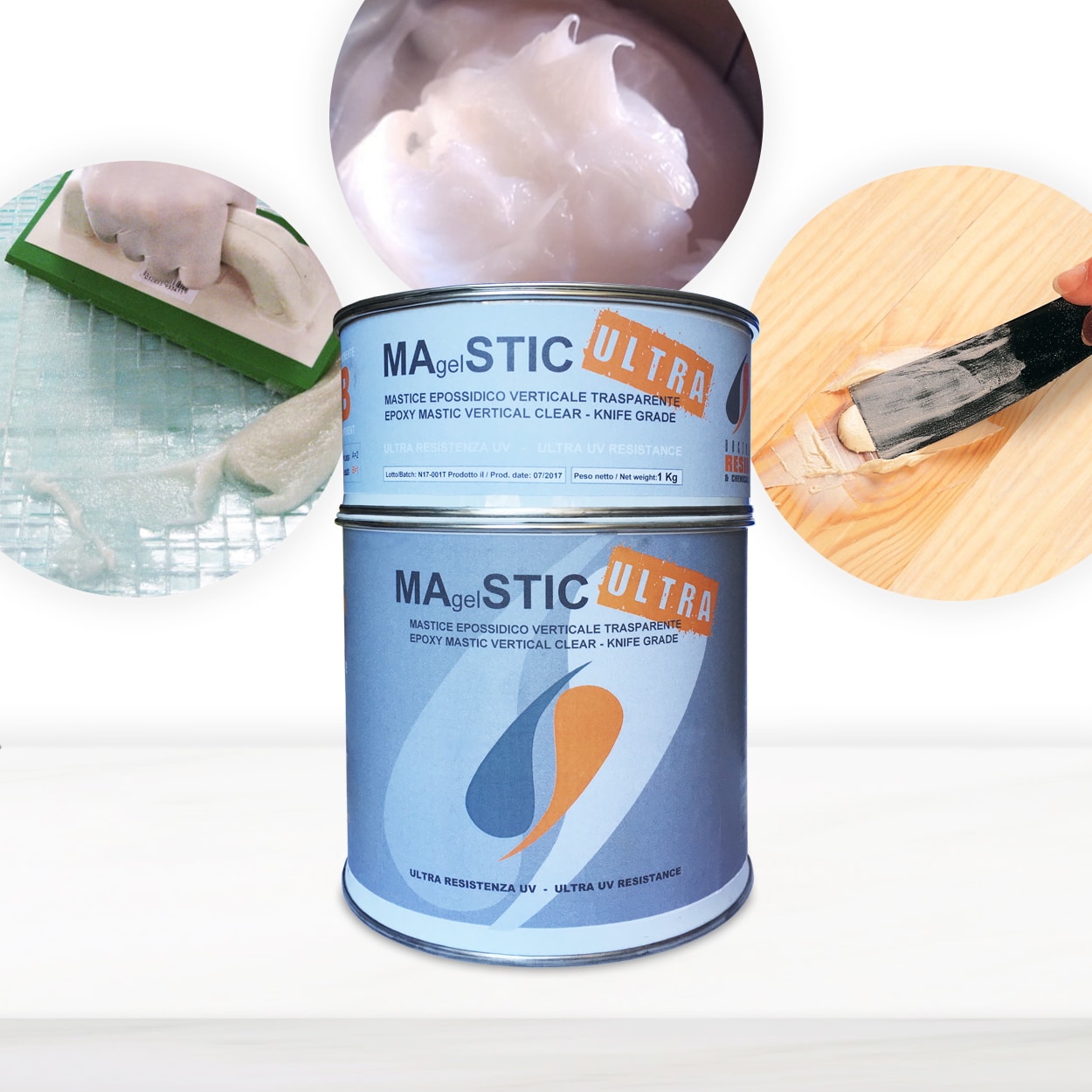
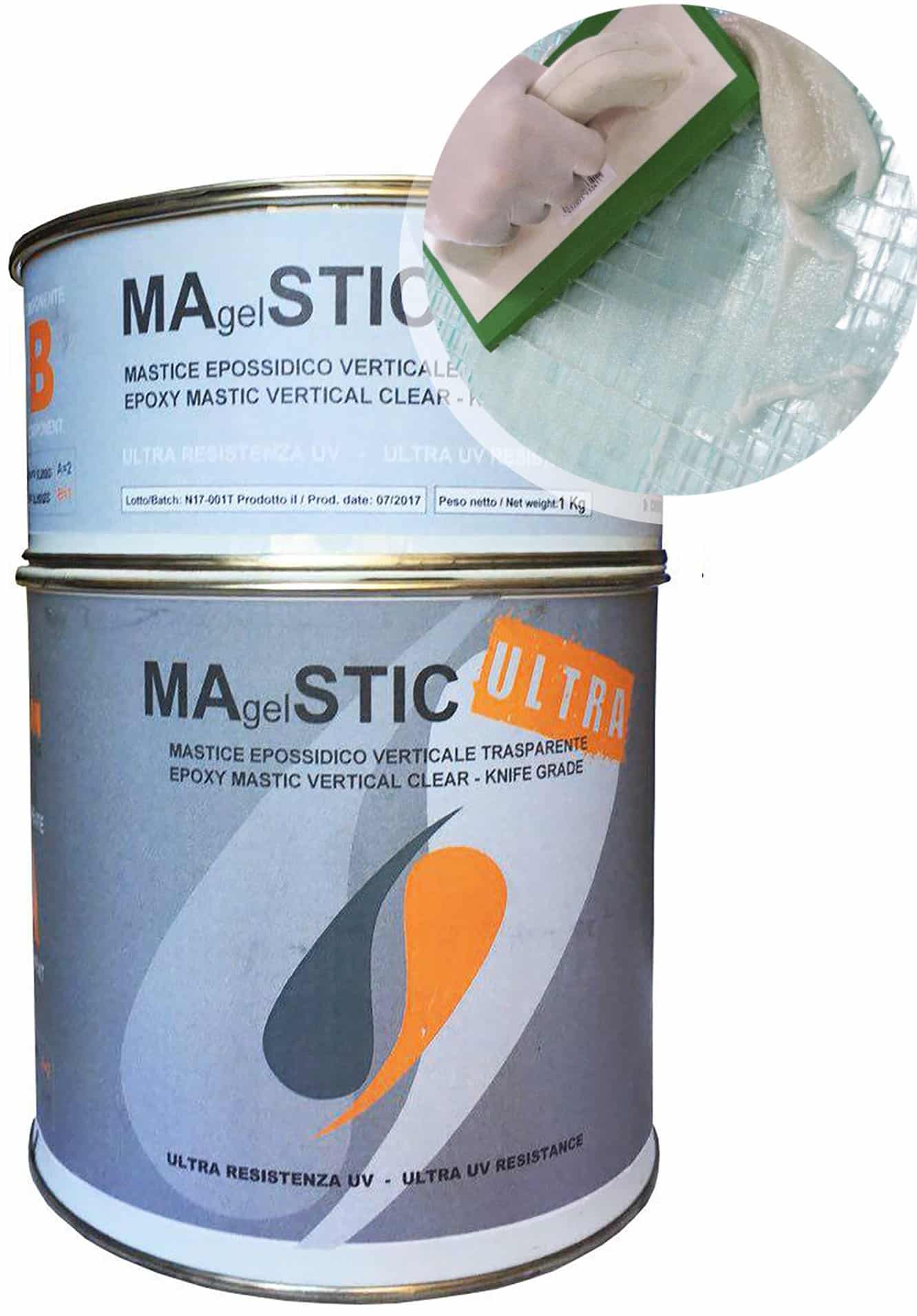
- “Magelstick” – Epoxy Mastic for Stone, Metal, and Cement Bonding and Grouting – Professional-grade mastic for filling deeper cracks or joints.
- CROP 2K Fiberglass Putty – 750 ml + Hardener – Fibreglass-reinforced polyester putty for repairing holes, dents, or larger damage.
- “Prolux” – PU coating for tiles, concrete, plastic and metal – suitable for driveable surfaces – Polyurethane finish for long-term surface sealing and protection.
- Protective gloves and mask
- Mixing tools and spatula
- Sanding equipment (hand or orbital sander)
- Clean cloths for dust removal

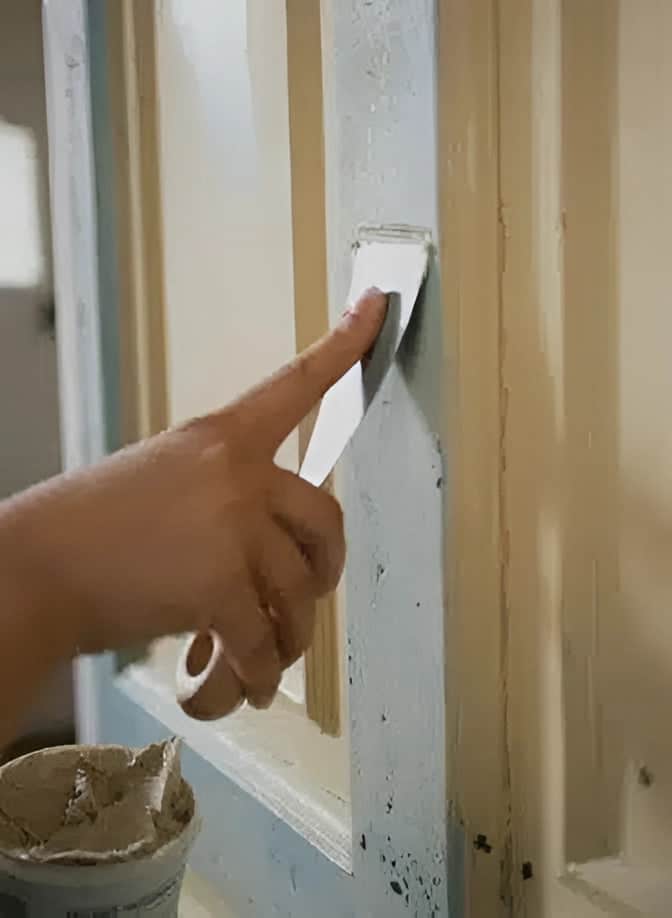
Visual Guide to Repair Materials in Action
See how repair putties and primers are used directly on resin-levelled floors. Observe expert application techniques for seamless repairs and blending with the existing surface. Clear visual examples help you prepare and execute each step efficiently.
Step 1: Assess and Prepare the Floor Surface
Begin by thoroughly cleaning the floor to remove all dust, debris, grease, and loose particles. Inspect the entire resin-levelled surface for cracks, dents, chips, or areas showing adhesion loss or wear. Mark spots requiring repair so no defect is overlooked. Sand these areas gently to create a slightly roughened surface, which will ensure better bonding of repair materials. Vacuum thoroughly to eliminate sanding dust and wipe down with a damp cloth.
Thorough surface preparation ensures better adhesion and lasting results.
Step 2: Repair Cracks, Chips, and Damaged Zones
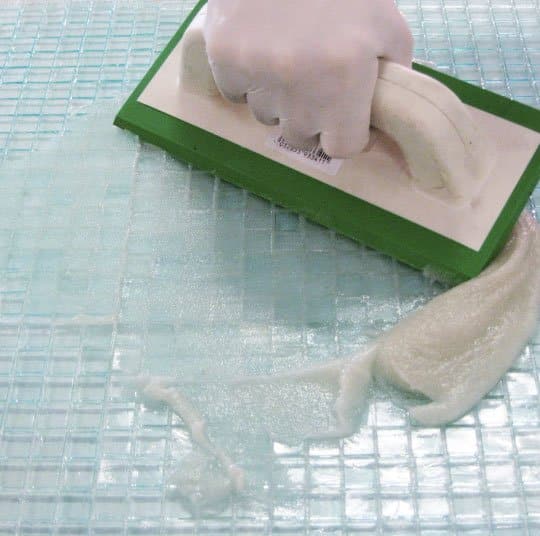
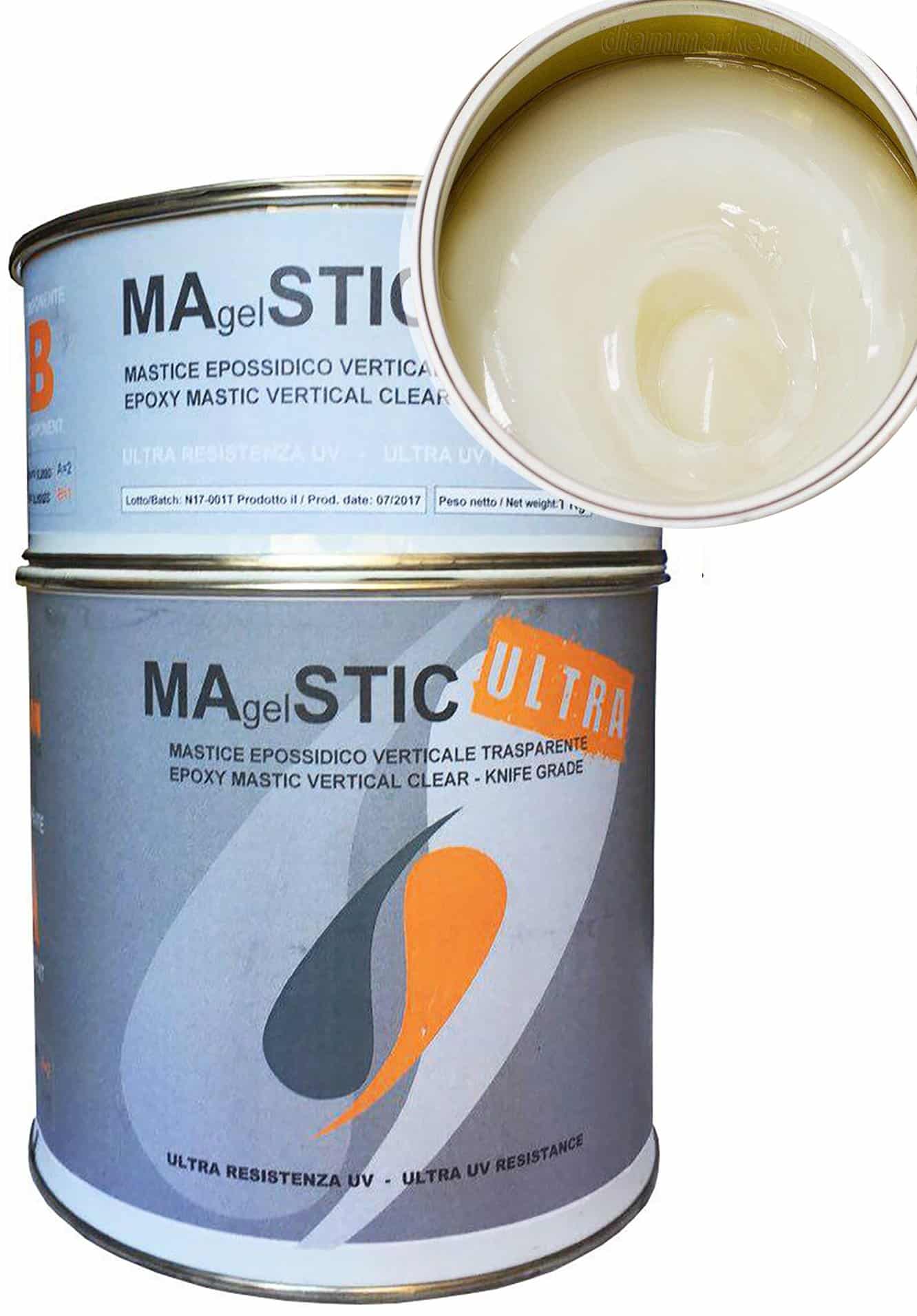
For fine cracks or minor surface flaws across your resin floor, use a suitable repair filler. For deeper cracks or missing portions, CROP 2K Fiberglass Putty – 750 ml + Hardener is ideal due to its fibreglass reinforcement—apply with a spatula so that it slightly overfills the cavity. For joints, expansion gaps, or stone/cement transitions, “Magelstick” – Epoxy Mastic for Stone, Metal, and Cement Bonding and Grouting delivers excellent bridging and adhesion—use where extra mechanical strength and minimal shrinkage are needed.
Allow all patches to cure fully as per product instructions. Once dry, sand the repaired areas flush with the existing floor for a seamless transition.
Step 3: Prime the Repaired Surface
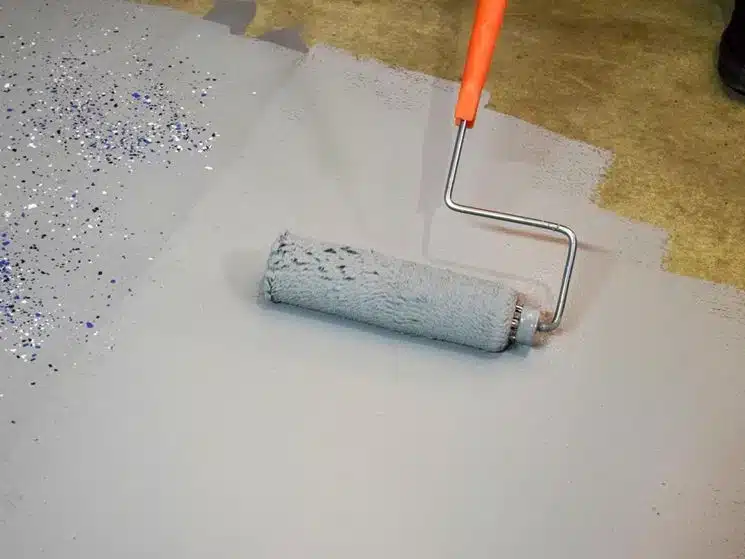
After all repairs are sanded and cleaned, apply a thin, even layer of “Epoxyprimer” – Universal Water-Based Two-Component Epoxy Floor Primer using a roller or brush. This step is essential for bonding new resin or finish coats to the repair zones and preventing future delamination. Focus on repaired areas but coat the wider surface for maximum uniformity. Allow 24–48 hours for the primer to cure completely at room temperature.
Allow all repair materials and coats to fully cure before proceeding.
Step 4: Apply the Final Resin or PU Surface Coating
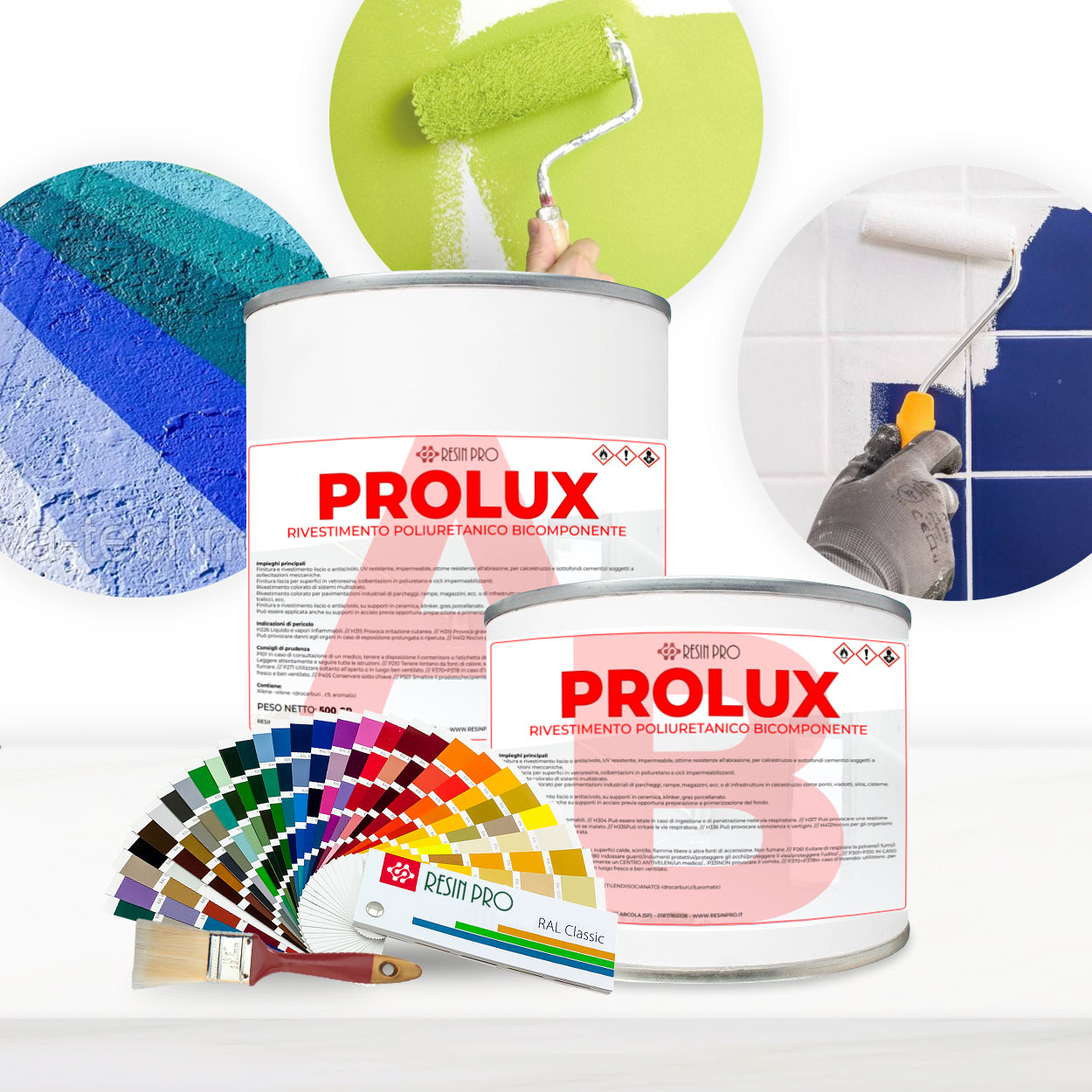
If the original surface requires a high-strength, UV-resistant finish, a product such as “Prolux” – PU coating for tiles, concrete, plastic and metal – suitable for driveable surfaces is recommended. Mix and apply as per the manufacturer’s instructions, ensuring even coverage. Choose gloss or satin as desired, and work in well-ventilated conditions. Allow the final coat to harden thoroughly before subjecting the floor to foot or vehicular traffic.
Avoid skipping fine sanding for a truly seamless finish.
Tips and Common Mistakes to Avoid
Work in a dust-free environment to prevent particles settling into your repairs or final coating. Take care to mix two-component products accurately to ensure curing and mechanical strength. Always wear protective gloves and a mask when sanding or handling resins/chemicals. Never rush drying or curing times, as this is critical to avoiding flaws or premature wear. If unsure, test the process on a discrete corner before tackling the entire floor.
Always use personal protective equipment when handling resins and chemicals.
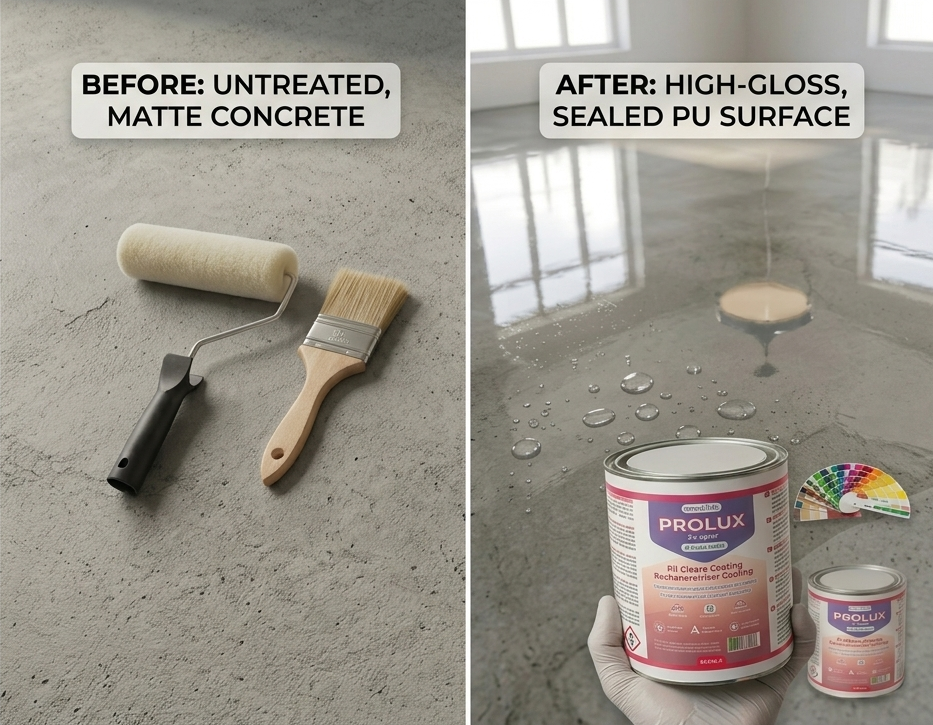
Finished Resin Floor Restoration Projects
Explore examples of completed resin floor repairs, highlighting transitions between old and new surfaces. Notice how proper priming and topcoat deliver uniform, professional results. These images underscore best practices for a flawless restoration.

- "Epoxyprimer" – Universal Water-Based Two-Component Epoxy Floor PrimerPrice range: £156.45 through £286.45"Epoxyprimer" is a water-based two-component epoxy floor primer designed for reliable adhesion and durability on various substrates.
- "Magelstick" – Epoxy Mastic for Stone, Metal, and Cement Bonding and Grouting"Magelstick" epoxy mastic is designed for professional bonding and grouting of stone, metal, and cement with resistance to UV and weather.
- "Prolux" – PU coating for tiles, concrete, plastic and metal – suitable for driveable surfacesPrice range: £44.85 through £494.85"Prolux" PU coating provides a durable finish suitable for floors and several surfaces, with options for gloss or satin in various colours.
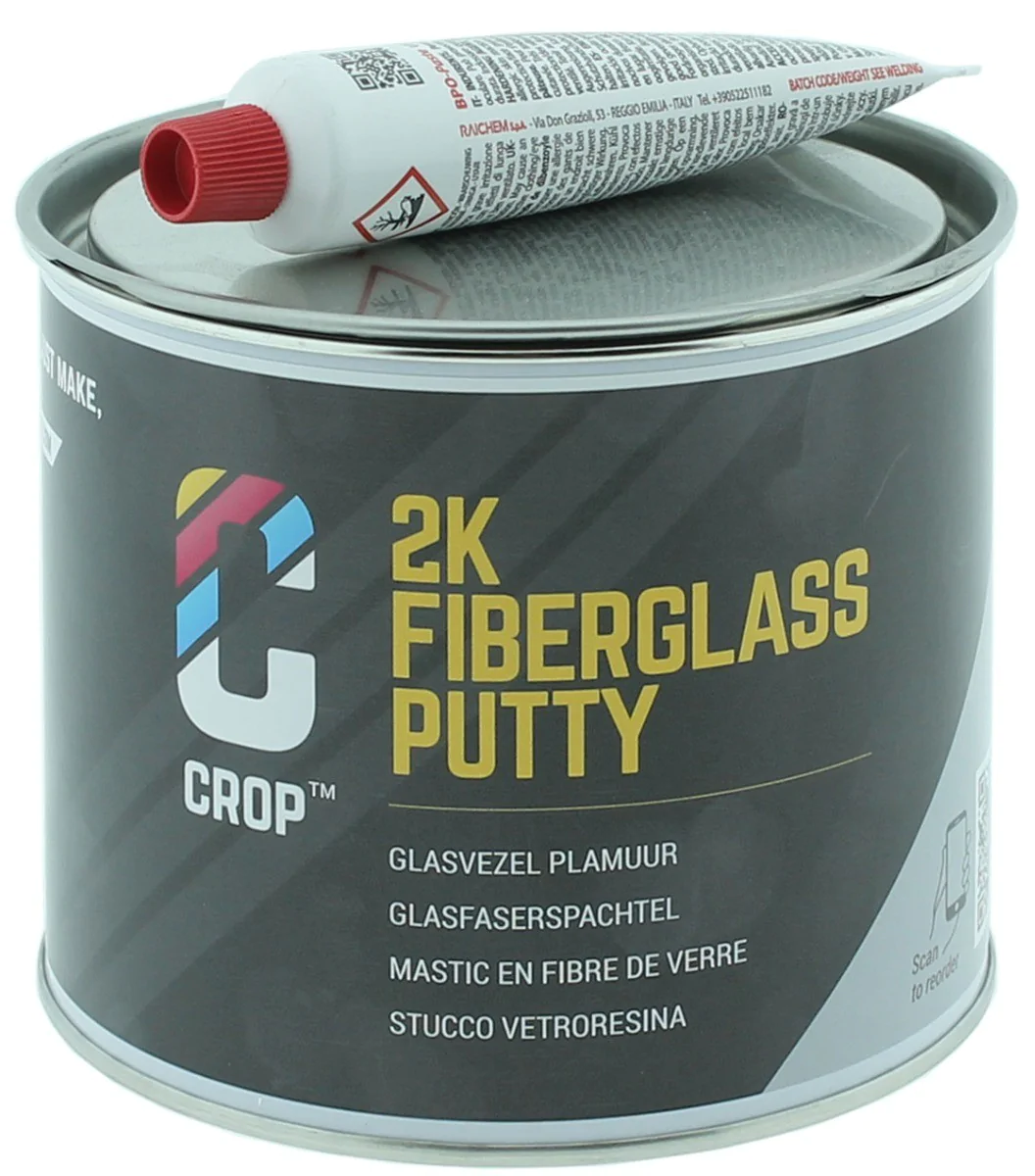 CROP 2K Fiberglass Putty – 750 ml + Hardener£15.85CROP 2K Fiberglass Putty is a two-component polyester putty reinforced with fibreglass for strength and durability, suitable for repair in…
Frequently Asked Questions
Do I need to prime areas after filling cracks and holes on a resin floor?
Priming is highly recommended to achieve consistent adhesion and prevent peeling, especially when using new resin or PU coatings.
Is it possible to fix only damaged spots without recoating the whole resin floor?
You can repair isolated cracks or chips, but surface levelling and blending are crucial for invisible repairs.
What are the typical curing times between repair, primer, and topcoat stages?
Follow product instructions—most putties cure in hours; primers require 24–48 hours; PU coatings need full hardening before use.
How soon can I walk or drive on a resin-levelled floor after repairs?
Wait until all coats are fully cured—usually 2–3 days for safe pedestrian or vehicle traffic.
What is the best way to remove sanding dust before priming a resin floor?
Vacuum thoroughly and use a slightly damp cloth for a residue-free surface before applying primer.
Is it better to patch all cracks and damaged zones simultaneously?
Yes, batch repairs before priming to prevent multiple uneven layers and ensure smooth results.
Is it possible to paint the entire resin floor for a colour update following repairs?
After proper priming, you may apply a coloured PU coating to update the appearance of the whole floor.