 Free shipping on orders over £29,85
  Shipping Tracking!


 Google
 Facebook
← Back to Do you need to sand the surface to treat a resin floor?
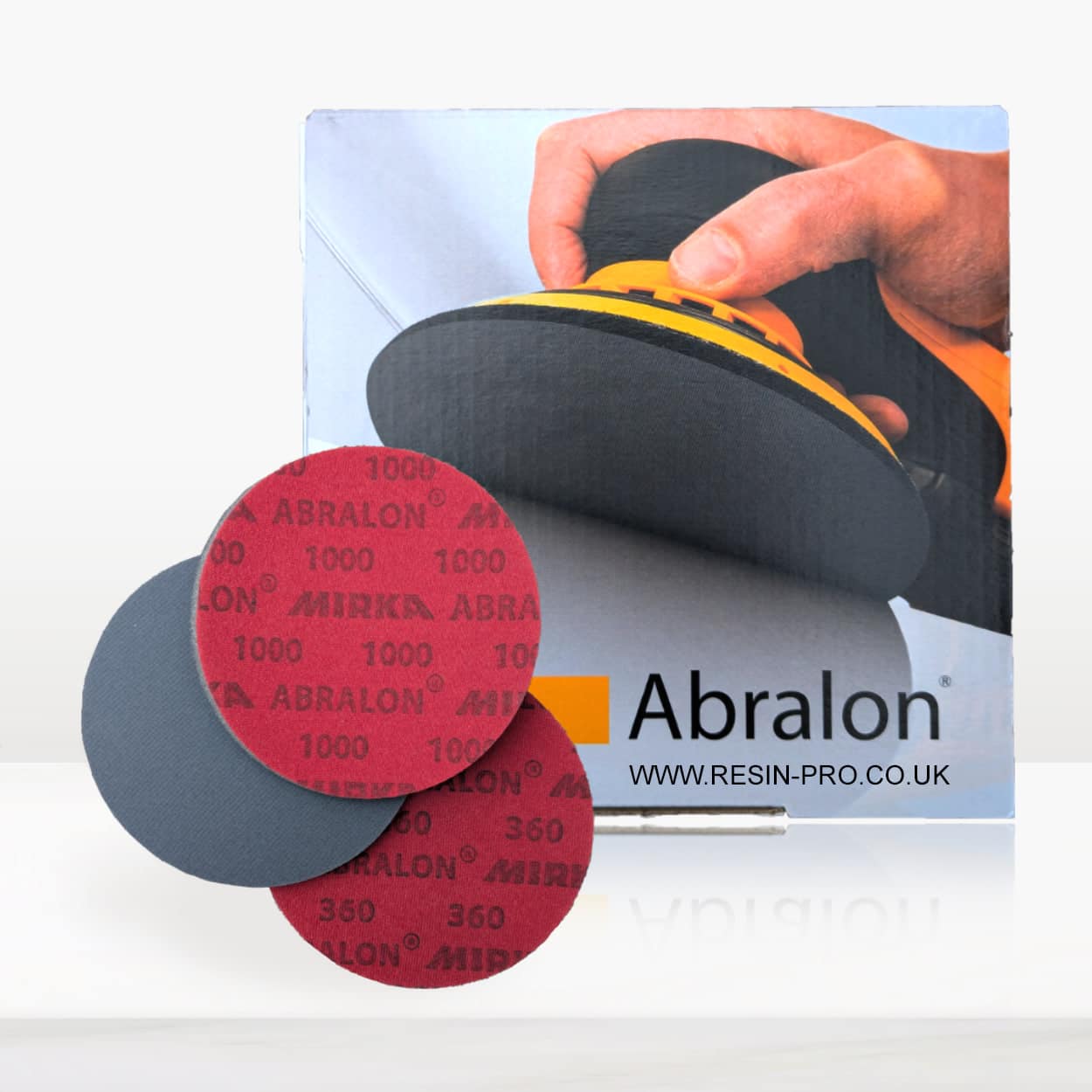

When layering resin or applying clear topcoats, good adhesion between coats is crucial for long-lasting, even flooring. Sanding between layers is often recommended for best results.
Why Sand Between Resin Layers?
Once a layer of resin is fully cured, its surface can become smooth and slightly glossy. This can reduce the ability of subsequent coats to firmly bond. By lightly sanding the cured layer, you create a fine texture that helps the next coat adhere securely. This vital step prevents issues like peeling, bubbling, or uneven finishes over time.

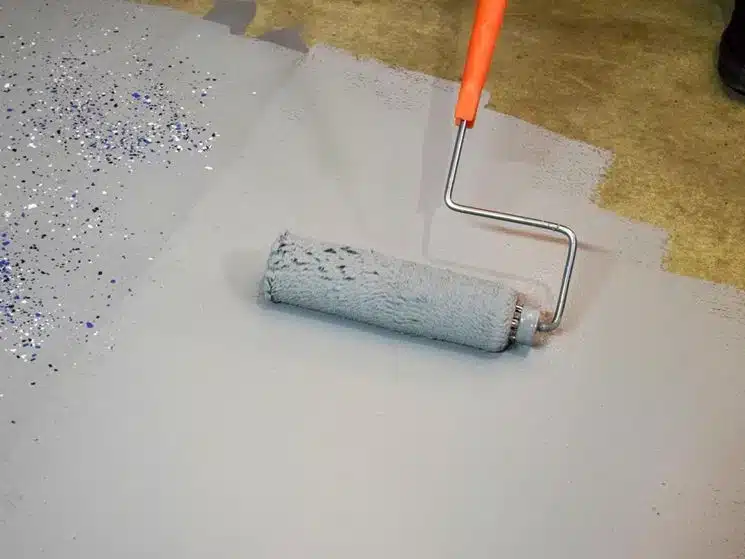
How to Sand Between Coats
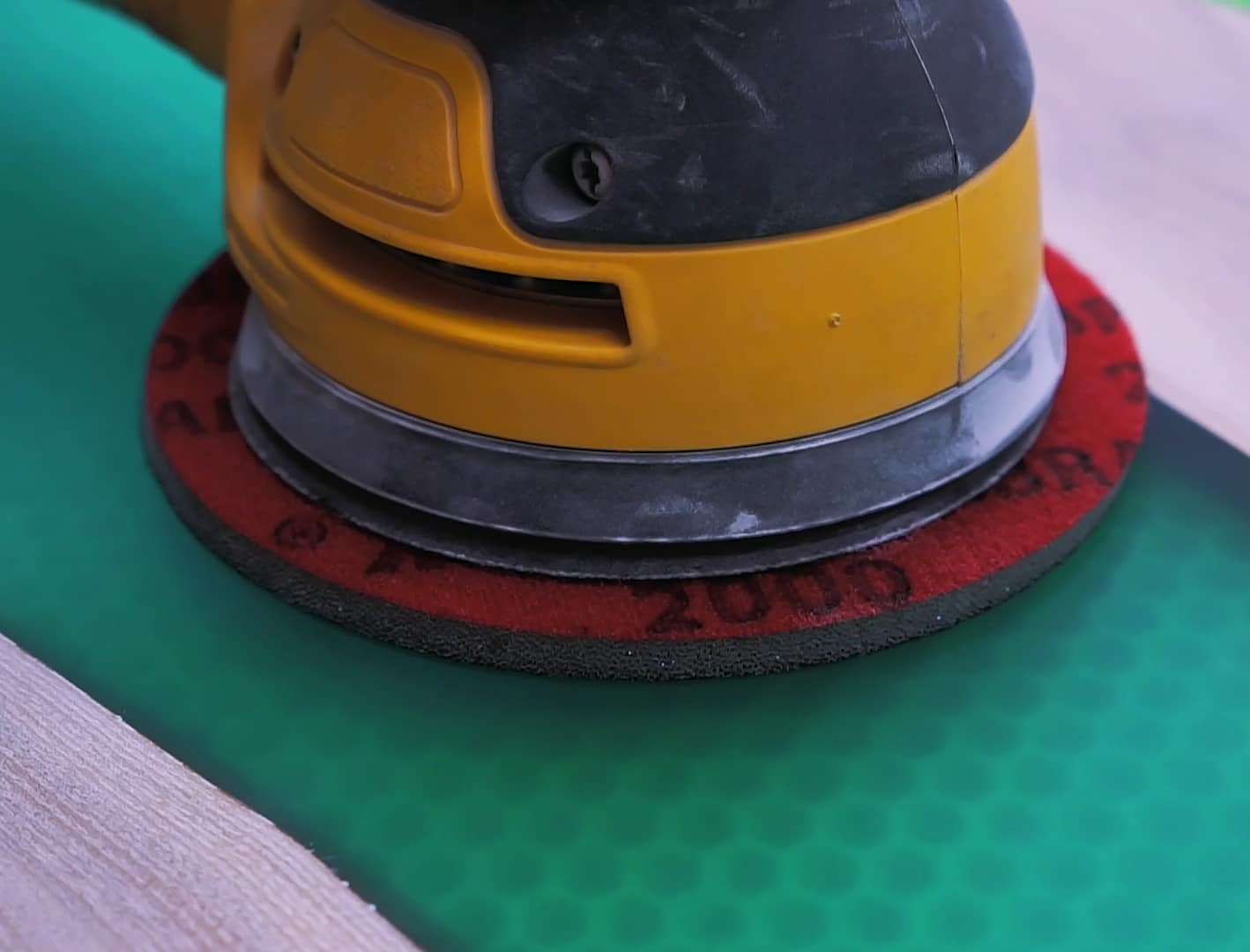
Before applying the next layer, wait for the previous resin coat to cure fully. Use a sanding product suited to resin—such as the Ebonite Abralon Sanding Pads or assorted grit sanding discs. Start with a medium or fine grit to gently abrade the surface; the intent is to dull the shine without gouging the resin. After sanding, clean the surface thoroughly to remove dust before proceeding with the next layer.
Practical Tips for Smooth Results
- Always ensure the previous coat is dry and hard before sanding.
- Pick the right grit for your stage: coarser for early smoothing, finer for pre-topcoat prep.
- Use circular, light motions and avoid excessive pressure to prevent damaging the resin.
- Vacuum and wipe the area clean to remove sanding residue before recoating.
When This Matters Most
Sanding between layers is especially important if more than 24 hours has elapsed between coats, or when seeking a flawless, durable finish—whether for garage floors, decorative surfaces, or resin art.
Related products
Related guides
Incorporating gentle sanding between resin applications leads to superior adhesion and appearance. For more resin flooring tips, visit our main guide on surface treatment for resin floors.