 Free shipping on orders over £29,85
  Shipping Tracking!


 Google
 Facebook
← Back to Why does the resin not harden?
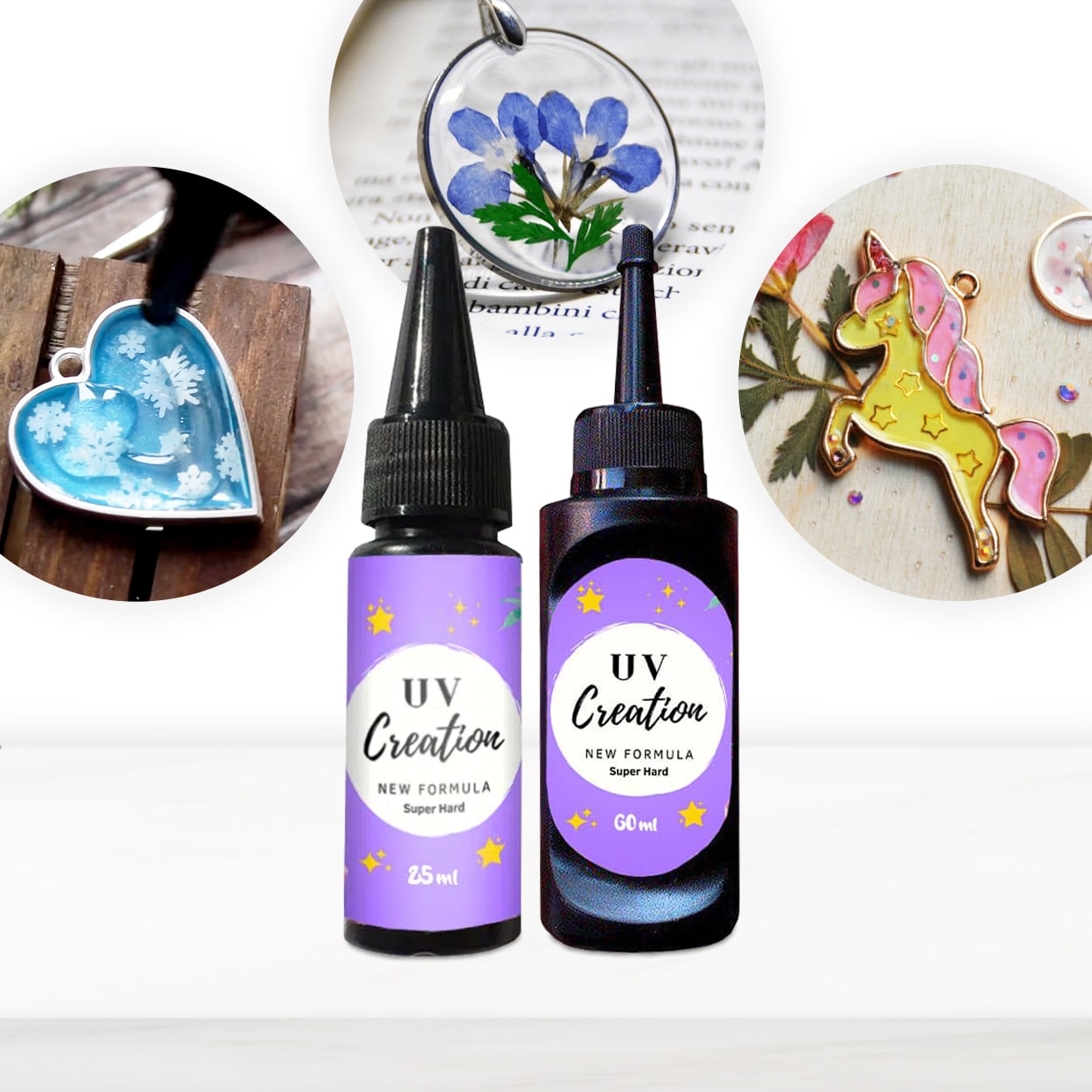
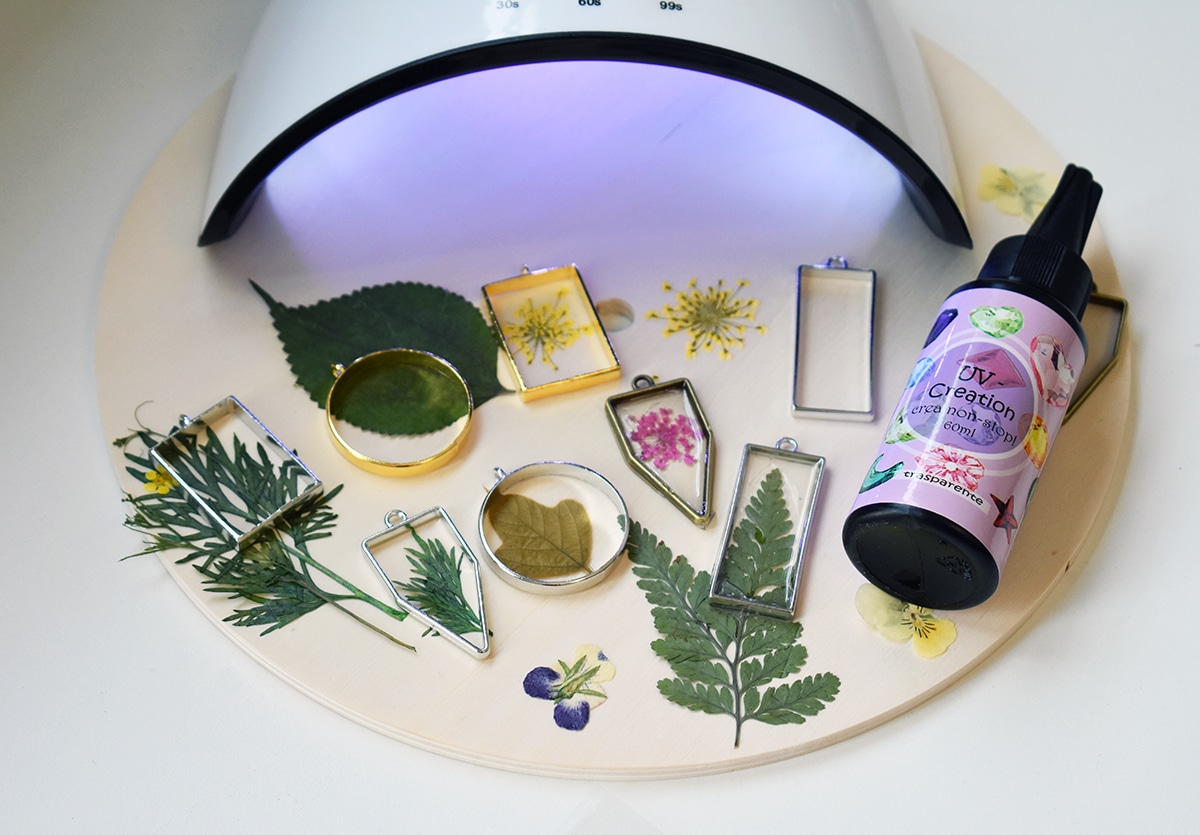
If your resin isn’t curing correctly, additives or pigments could be affecting the process. Understanding how various additives interact with different resin systems is vital for successful and consistent results.
How Additives and Colourants Impact Resin Curing
Not all additives or colourants are suitable for use with every resin type. Some can slow down the hardening process, while others may prevent curing entirely. Alcohol-based inks, for example, are not compatible with UV resin and can leave sticky or soft patches. Likewise, incompatible pigments in epoxy or acrylic systems may disrupt the chemical reaction required for proper setting.
- Read the manufacturer’s resin guidelines before introducing any colourant or additive.
- Test new combinations with small sample pieces to check for full curing.
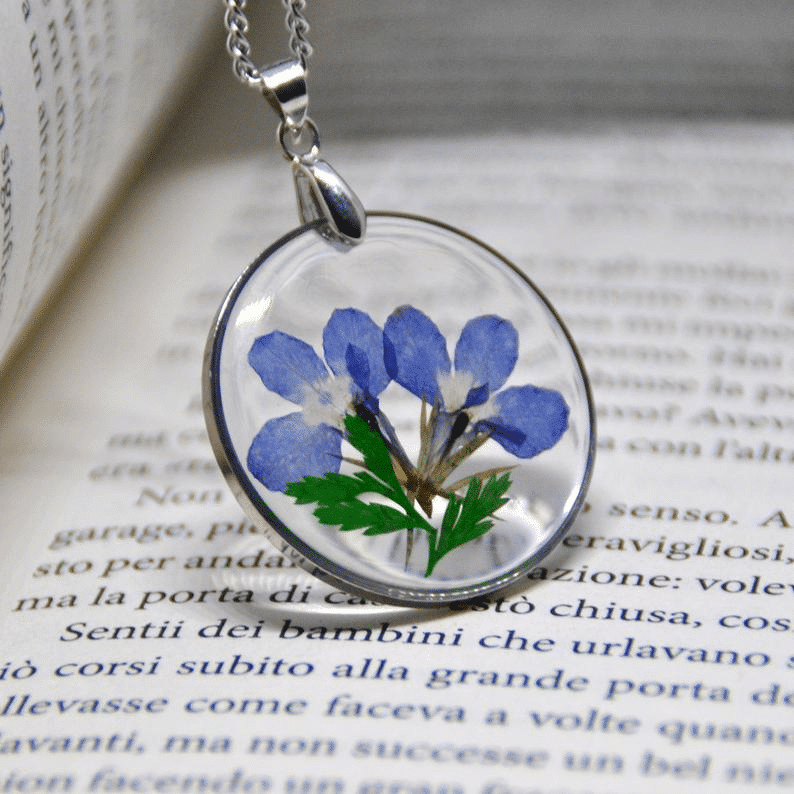
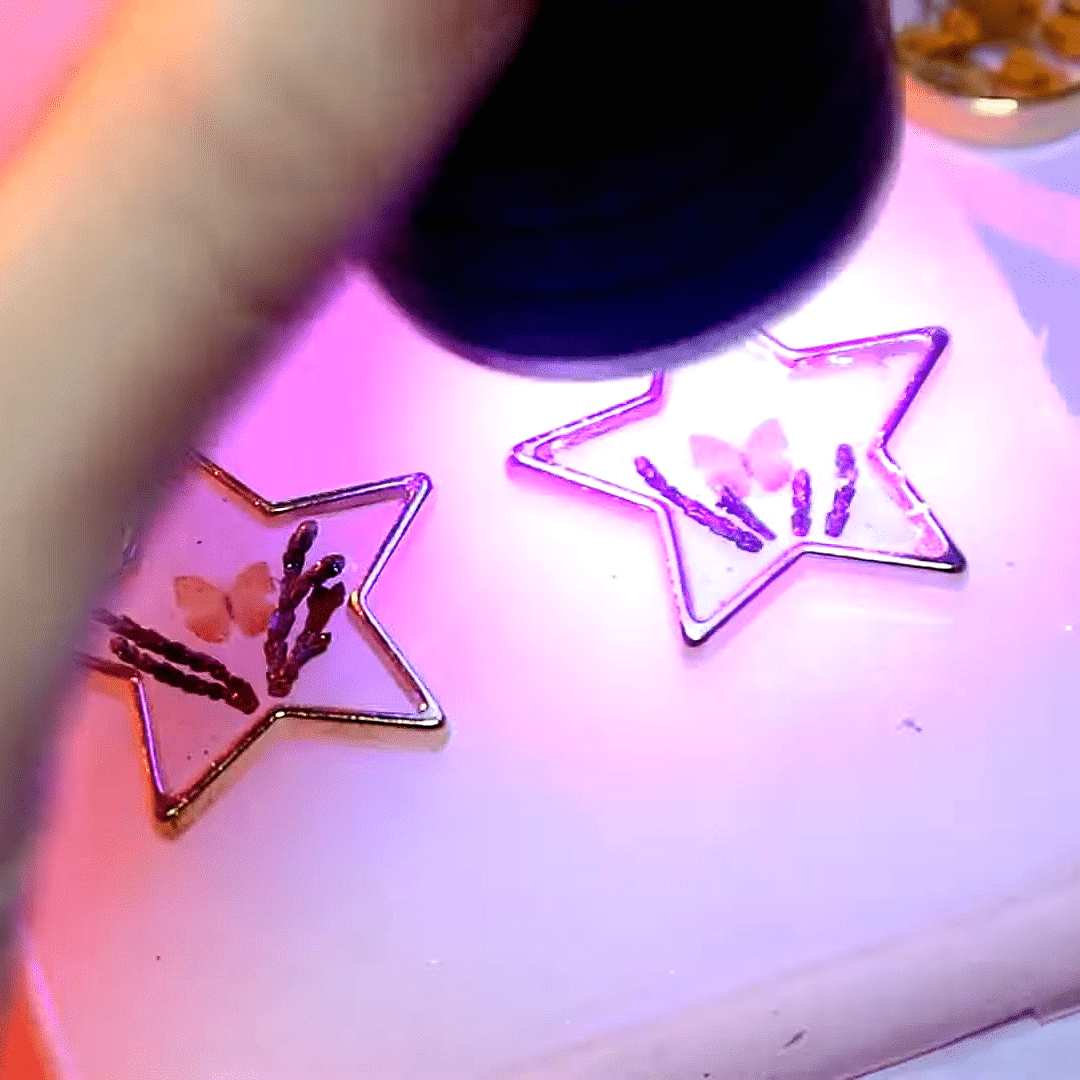
Choosing the Right Pigments and Additives
Always opt for colourants and additives that are labelled as compatible with your specific resin. Dedicated resin pigments or ready-to-use colourants, like those designed for products such as UV–Creation Fast Acrylic Resin, ensure optimal results. Avoid substituting with paints, powders, or inks unless you’ve confirmed they are safe for your chosen system.
When This Matters Most
If you are working on jewellery, crafts, or protective coatings where clarity and durability are key, additive compatibility is crucial. Any disruption to the resin curing can ruin details, gloss, or structural integrity, causing frustration and wasted materials.
Related products
Related guides
Choosing the right resin additives and colourants helps you achieve flawless, hardening results. For deeper troubleshooting tips, explore the full guide on why resin might not harden.