 Free shipping on orders over £29,85
  Shipping Tracking!


 Google
 Facebook
Why does resin remain soft?
Explore common causes and resin options for achieving a hard cure
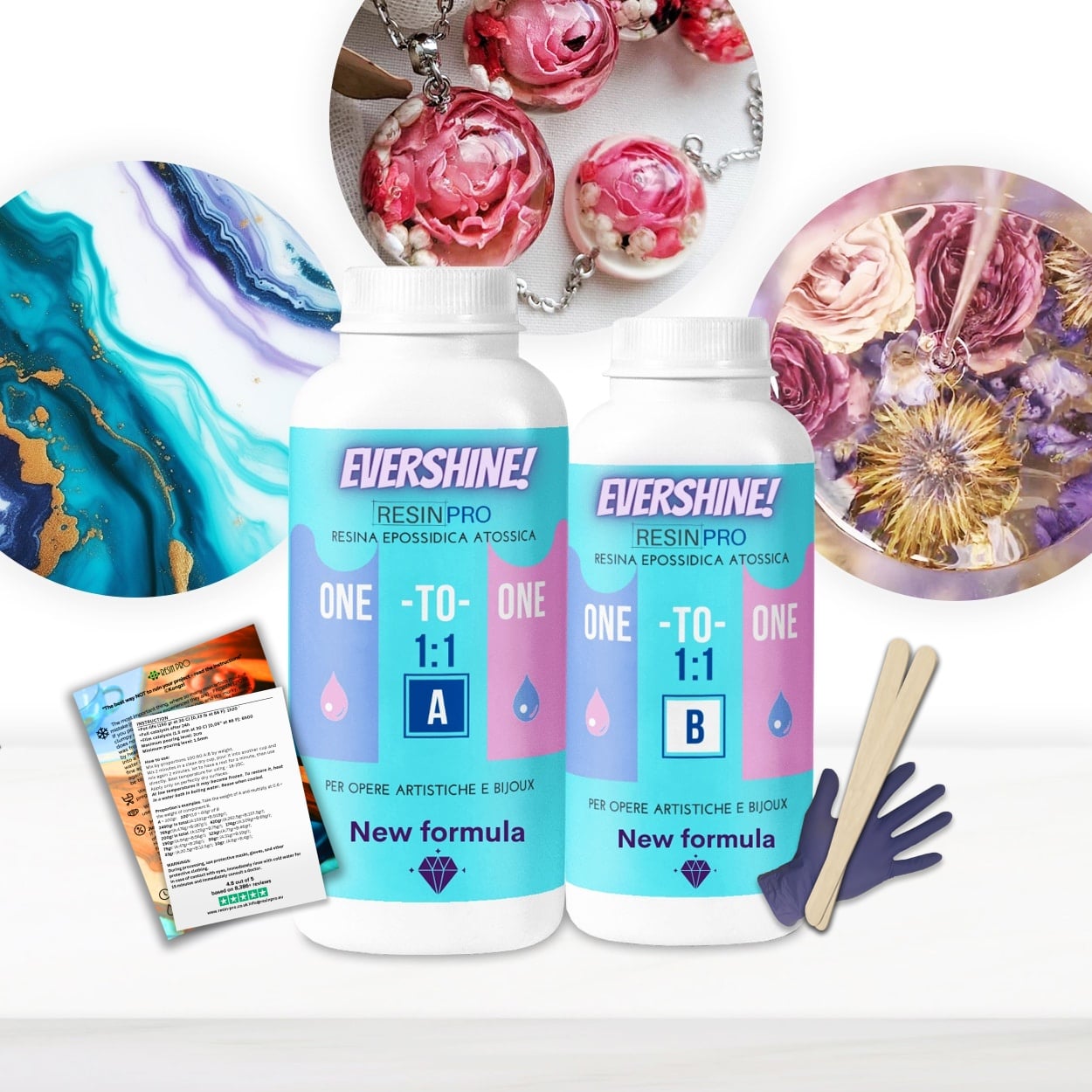
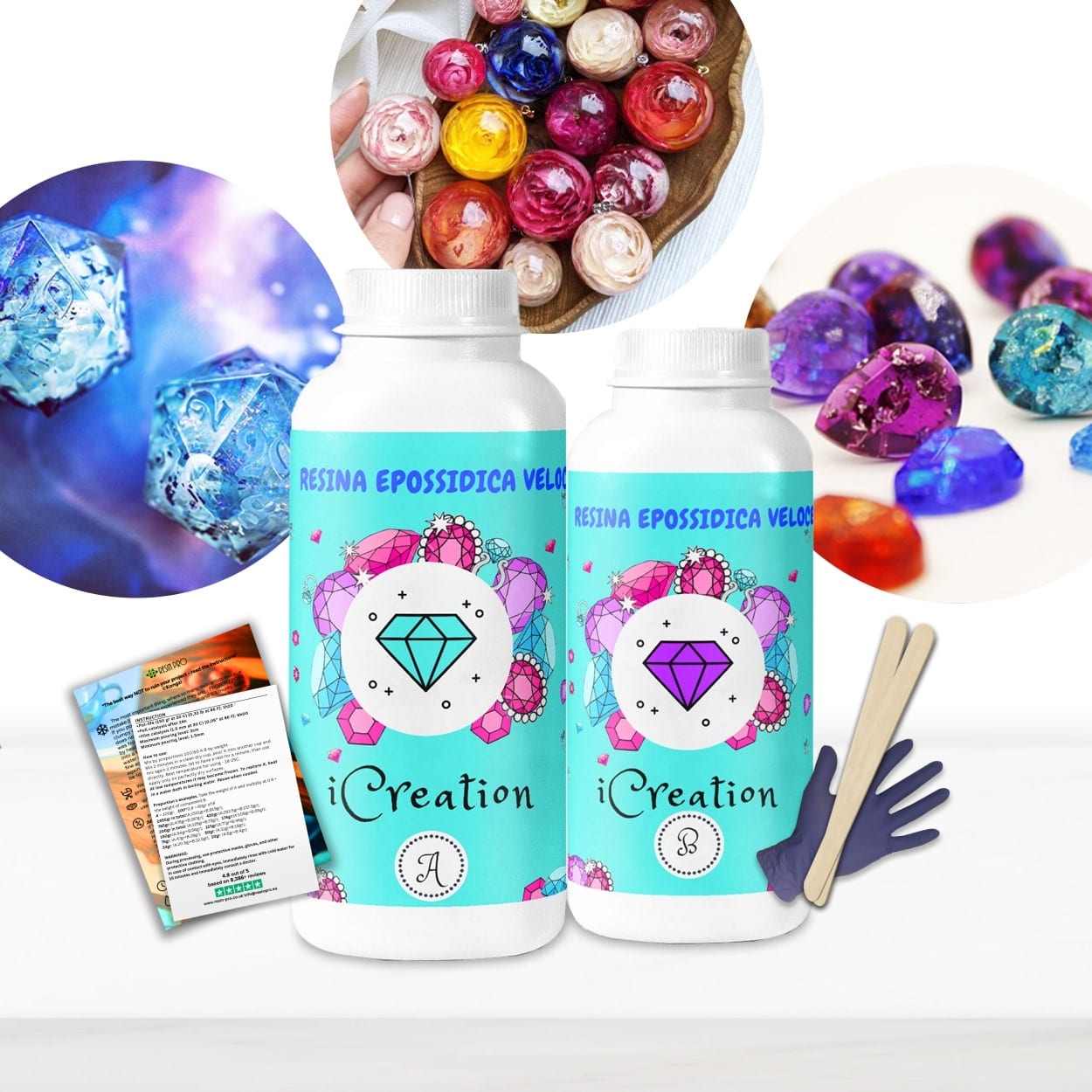
If your resin creation just won’t set hard as expected, you are not alone. Many crafters and professionals encounter soft resin despite careful work. This page explains the most common reasons why resin remains soft, how different resin products compare in curing characteristics, and how to choose the best resin for durable results. Whether you’re working on jewellery, craft castings, or wood restoration, this overview will help you pinpoint issues and select the right product for reliable, hard cures.
Why Resin Stays Soft: Causes and Product Comparison
The softness of a cured resin piece can be down to a few critical factors—improper mixing ratios, wrong type of resin for the job, temperature or humidity conditions, or even surface preparation issues. Choosing the correct resin for your technique and project is essential. Some resins, such as “ICreation” – Fast Epoxy Resin, 6h Demoulding, Transparent Gloss Finish and “UV–Creation” – Fast Acrylic Resin, 3 Minute UV Cure, are designed to deliver a rapid, hard cure when used as directed. Others, like “One-2-One” – Epoxy Resin for Handcraft, 1:1 Mixing Ratio, offer user-friendly mixing but may still remain soft if process steps are poorly followed. For specialised needs such as wood restoration, “EpoxyWood” – Wood Restoration Epoxy Resin for Deep Penetration and Waterproofing addresses both curing and deep penetration to ensure a resilient finish. The table below highlights key differences and addresses the primary factors affecting resin hardness.
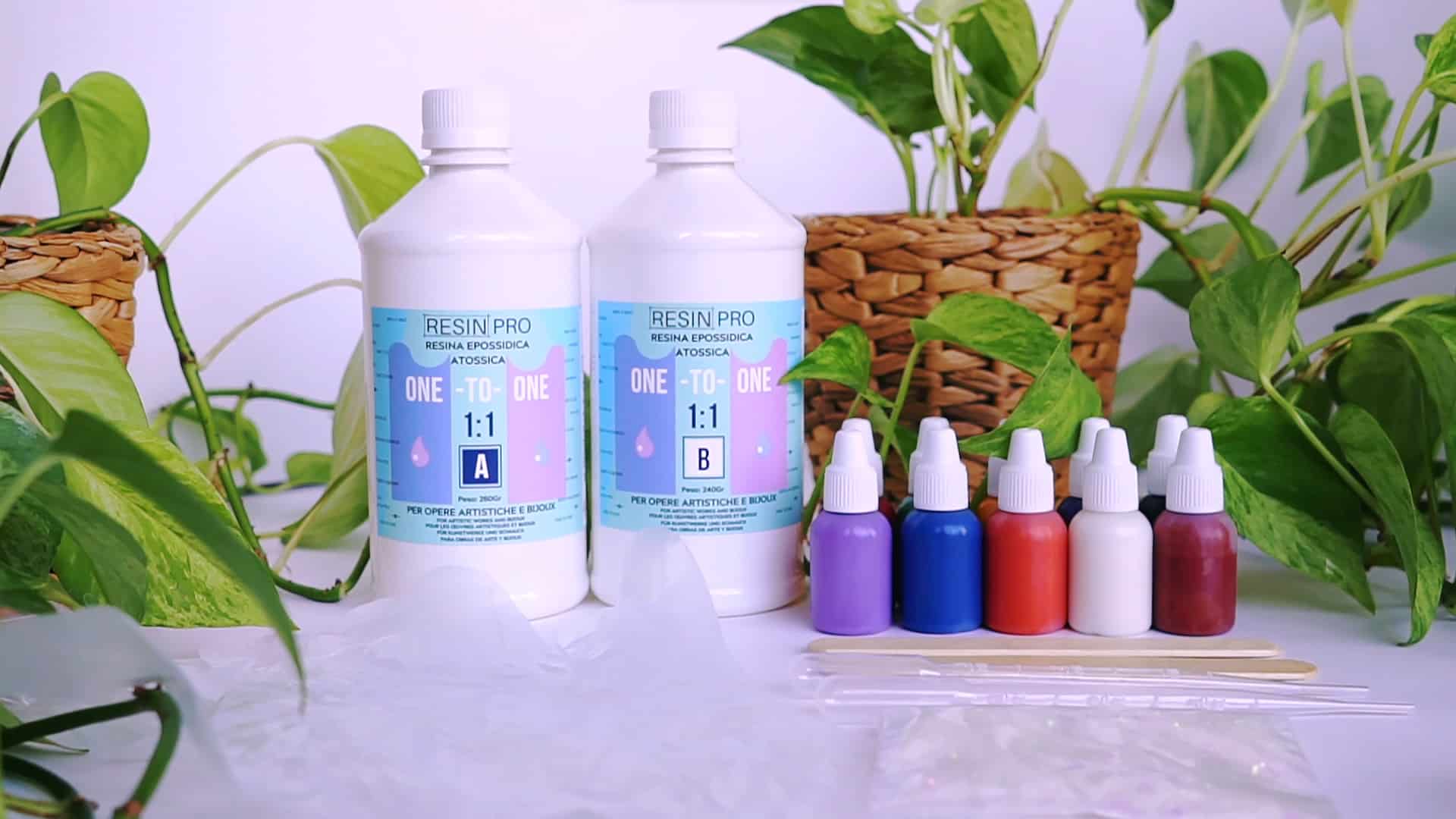
Visual Guide: Comparing Resin Types and Hardness
See the physical differences between fast-curing, UV, handcraft, and wood restoration resins. Explore real user projects with results ranging from crisp gloss to soft touch, and observe how resin type and working method dramatically affect the final cure.
“One-2-One” – Epoxy Resin for Handcraft, 1:1 Mixing Ratio
If you want a straightforward and accessible resin for handcrafts and decorative uses, the “One-2-One” – Epoxy Resin for Handcraft, 1:1 Mixing Ratio is a popular choice. Its easy 1:1 volume mixing ratio for straightforward preparation helps reduce mixing errors—a leading cause of soft set. The medium viscosity makes it ideal for jewellery, cabochons and coatings, but it must be measured and mixed precisely to achieve a correct hard cure. Thanks to features like a UV filter to reduce yellowing with a 10-year warranty and non-toxic formulation appropriate for safe crafting, it’s suitable for both beginners and advanced users. However, remember that even with forgiving recipes, incomplete mixing or under-measurement can still lead to a sticky, soft surface.
“ICreation” – Fast Epoxy Resin, 6h Demoulding, Transparent Gloss Finish
For projects requiring a quick turnaround, “ICreation” – Fast Epoxy Resin, 6h Demoulding, Transparent Gloss Finish offers a 6-hour demoulding time and 12-hour full cure. Its simple 2:1 mixing ratio speeds up preparation, and the produces a crystal-clear, self-levelling glossy finish is perfect for time-critical work like jewellery, pouring, and art. Fast-cure systems require diligent ratio adherence; adding too little or too much hardener may cause the cured piece to remain soft or partially sticky. Use this formula if time matters, and you want the certainty of a hard, consistent finish.
“UV–Creation” – Fast Acrylic Resin, 3 Minute UV Cure
For jewellery artists and crafters seeking instant results, “UV–Creation” – Fast Acrylic Resin, 3 Minute UV Cure provides a cures swiftly in 2–3 minutes under UV light. It is a single-component, no-mix resin that delivers a delivers a crystal-clear, glossy, and non-yellowing finish. This product is ideal if you want to avoid the headaches of ratio errors entirely. The rapid UV cure ensures the surface becomes hard, not tacky—just make sure your UV lamp adequately covers the piece for a consistent set.
“EpoxyWood” – Wood Restoration Epoxy Resin for Deep Penetration and Waterproofing
Resin for wood restoration has unique requirements. “EpoxyWood” – Wood Restoration Epoxy Resin for Deep Penetration and Waterproofing utilises an ultra-low viscosity for deep penetration into wood pores. This is essential for achieving a strong, waterproof bond—if wood is not dry or is inadequately sanded, the resin may fail to harden properly. Its solvent-free, cruelty-free, and vegan friendly formula means it’s both sustainable and effective. For reliable repairs and restoration, thorough surface preparation is the key to avoiding unwanted softness or delamination.
Tips for Hardening Resin and Avoiding Soft Cures
Whatever resin you pick, there are universal best practices to prevent a soft or sticky set. Always measure precisely and mix thoroughly, scraping the sides and base for uniform resin-hardener consistency. For UV-curable resins, take extra care to expose the entirety of your piece to light. Work in the manufacturer’s recommended temperature and humidity range, and allow enough curing time, especially in cold or damp conditions. Lastly, avoid using incompatible pigments or additives, as these can hinder curing and leave projects tacky well after expected set times.
Quick Reference: Best Practices for Hard Resin Finish
Avoid soft finishes by following essential curing principles. Combine accurate measurement, correct environment, and full curing time for each resin type to ensure a hard, lasting result every time.
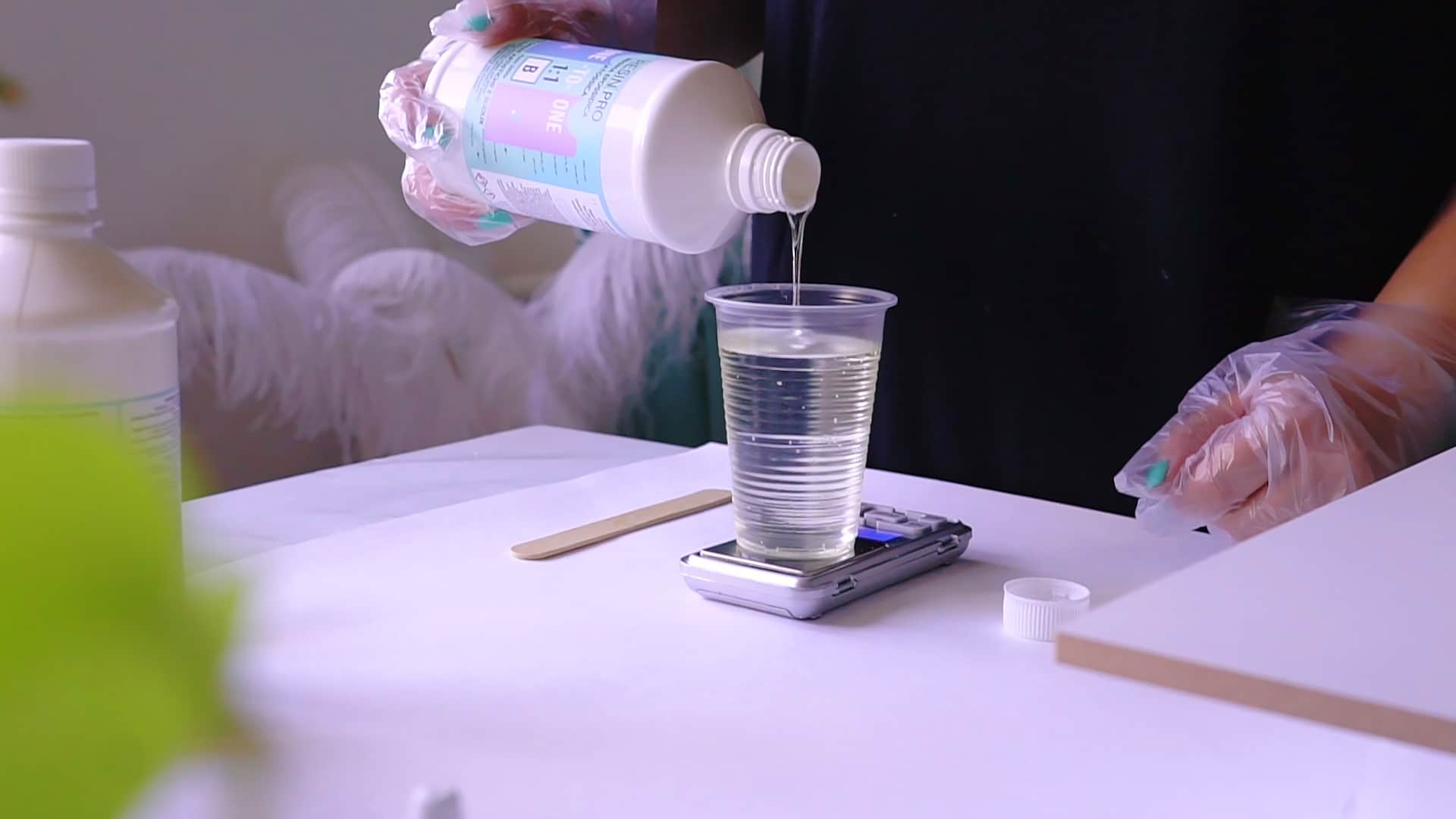
- "One-2-One" – Epoxy Resin for Handcraft, 1:1 Mixing RatioPrice range: £15.95 through £59.95"One-2-One" epoxy resin offers a medium viscosity and is suited for crafting clear, decorative objects with safe, non-toxic formulation.
- "ICreation" – Fast Epoxy Resin, 6h Demoulding, Transparent Gloss FinishPrice range: £15.95 through £55.95"ICreation" fast epoxy resin offers a transparent, glossy surface and 6-hour demoulding, useful for time-critical craft projects.
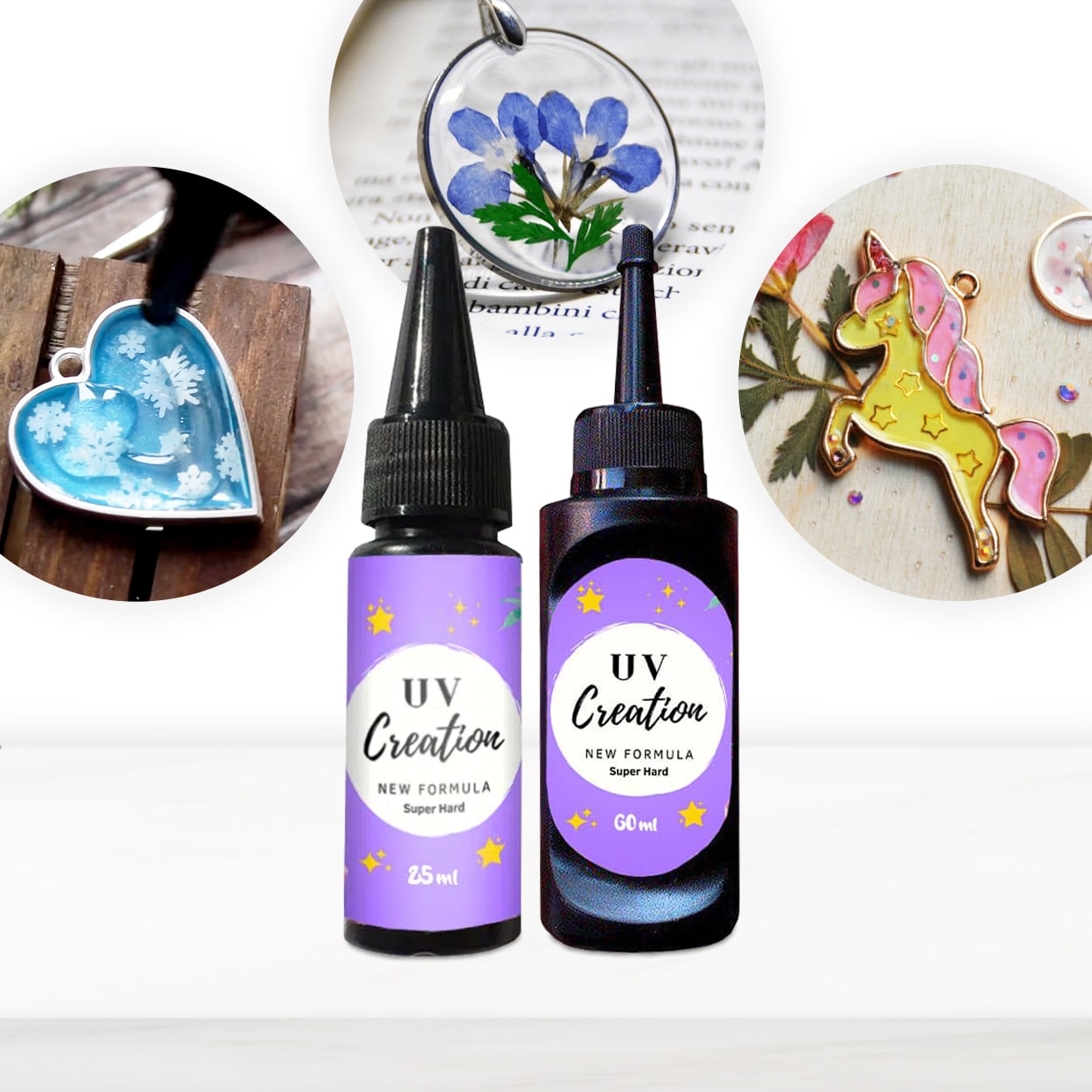 "UV–Creation" – Fast Acrylic Resin, 3 Minute UV CurePrice range: £8.45 through £62.95UV–Creation is a fast UV-curing acrylic resin designed for jewellery makers seeking clear, glossy finishes and ease of use.
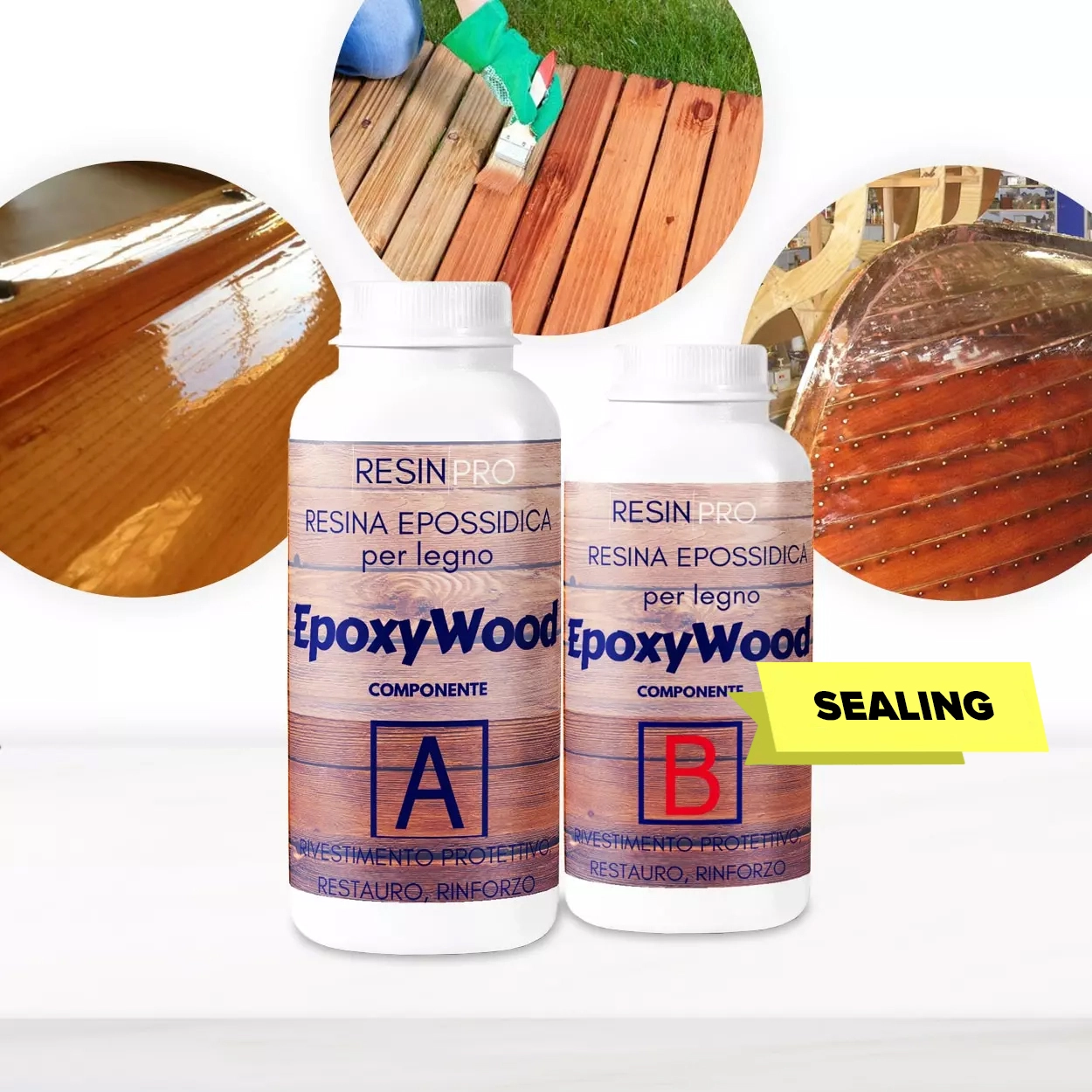 "EpoxyWood" – Wood Restoration Epoxy Resin for Deep Penetration and WaterproofingPrice range: £27.95 through £41.95"EpoxyWood" is designed for deep wood penetration and waterproofing, suitable for repairing and protecting wooden surfaces.
Frequently Asked Questions
What are the main causes of soft or sticky resin?
Common causes include incorrect mixing ratio, incomplete mixing, unsuitable resin type for your project, or curing in cold or humid conditions.
How can I fix resin that is soft or sticky after curing?
You can try recasting with properly mixed resin over the surface, or fully remove the soft layer and reapply following correct instructions.
Does temperature affect the hardness of cured resin?
Yes, low temperatures can slow or prevent curing, resulting in a soft finish. Always cure resin within the recommended temperature range.
Is measuring by weight or volume crucial for resin curing?
Absolutely. Each resin has specific instructions—some are mixed by volume, others by weight. Follow your product guidance for best results.
Can additives or colourants cause soft resin?
Some colourants, alcohol inks or excess additives can indeed inhibit curing and leave your resin tacky. Use only compatible pigments.
Which resin is best for fast, hard results?
"ICreation" fast epoxy or "UV–Creation" acrylic resin will give rapid, hard cures when used as directed.
Can all resins cure under UV light?
No, only UV-specific acrylic resins cure under UV light. Standard epoxies need room temperature and correct time to set.