 Free shipping on orders over £29,85
  Shipping Tracking!


 Google
 Facebook
Why does resin crack?
Understand cracking in resin and choose the right product.

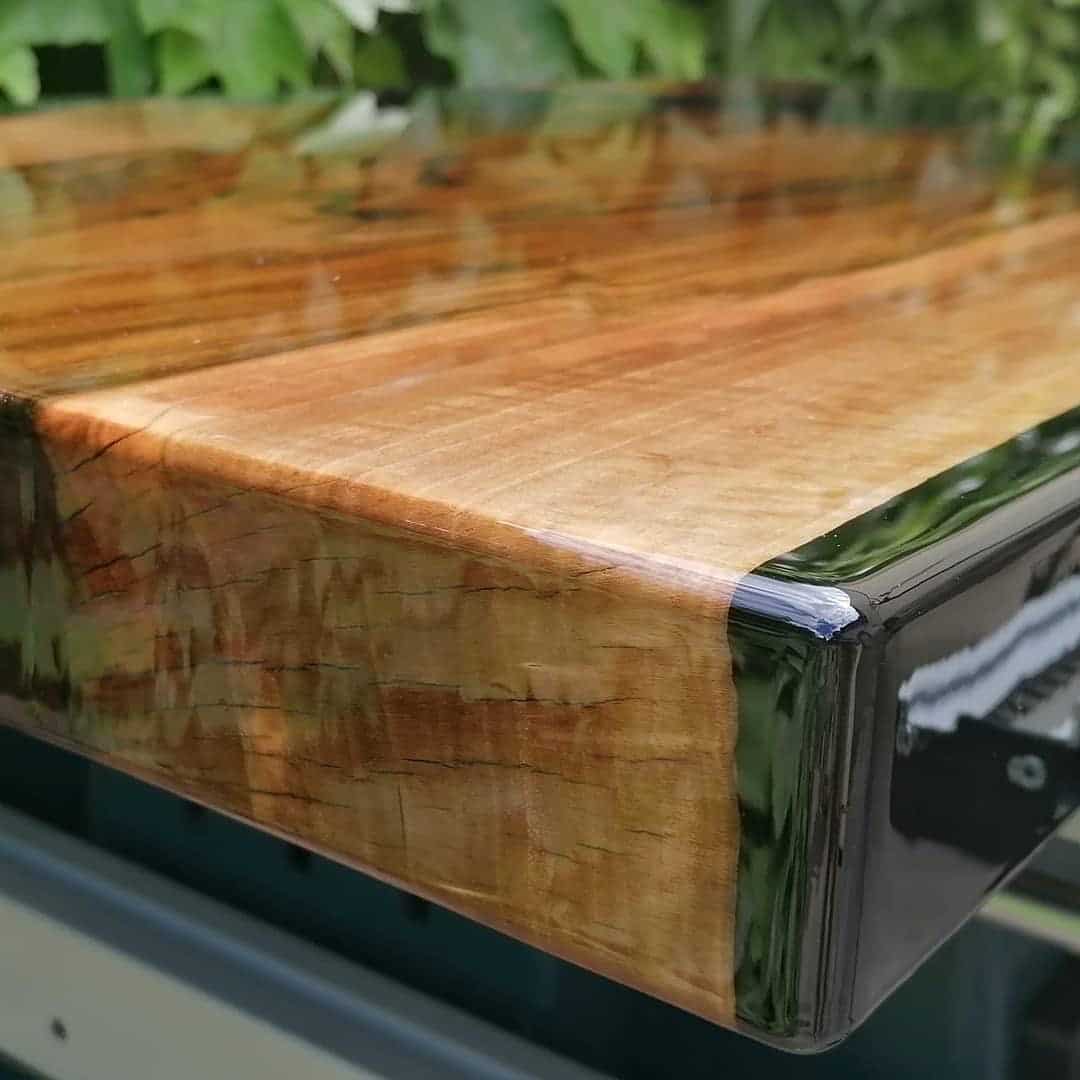
If you have ever seen cracks or splits develop in your resin project, you are not alone. This guide explores the main reasons why resin cracks, how it can be prevented, and which product to choose for your specific project. Whether you are casting a deep river table or creating jewellery, understanding the science behind resin cracking will help you achieve professional, flawless results.
Overview: What Causes Resin to Crack?
Cracks in resin are typically a result of two main factors: improper curing—often caused by excess heat during the exothermic reaction—and stresses from environmental exposure like UV light or temperature fluctuations. Choosing a resin designed for your project’s thickness, working time, and conditions can minimise these risks. Pouring too much resin at once, selecting the wrong formulation, or not allowing for proper curing times can significantly increase the chance of visible cracks both during and after setting.
Key differences between resins suitable for varying applications include their exothermic profiles (how much heat is generated), working time, UV resistance, and allowable pour thickness. Deep table projects require special low-exothermic blends, while smaller crafts may benefit from fast-curing, easy-to-use formulas. Surface coatings demand clarity and resistance to scratches as well as yellowing, which can mimic or lead to surface cracking over time.

Visual Examples of Resin Cracking and Cure Methods
See real examples of resin projects with and without cracks to understand the impact of proper curing, layer thickness, and UV protection. Comparing finished tables and crafts side by side helps you make an informed product choice for flawless results. Correct layer thickness and resin selection are essential to avoid costly mistakes.
Epoxytable 10-Ten – Deep Pour Epoxy Resin for Tables, Up to 10cm Casting
The “Epoxytable 10-Ten” – Deep Pour Epoxy Resin for Tables, Up to 10cm Casting is specifically engineered for large table and river projects requiring single pours up to 10cm thick. Its low exothermic reaction reduces risk of heat-related cracking in thick pours, and the long working time allows careful application. Additionally, strong UV filters help prevent discolouration and surface cracking, guaranteeing clarity for up to five years. The super low viscosity of Epoxytable 10-Ten ensures fewer bubbles and a stress-free curing period, making it the preferred choice for substantial, display-grade pieces.
EpoxyTable 5-Five – Deep Pour Epoxy Resin for Tables and Large Projects – Up to 5cm
For medium-scale projects with pour thickness up to 5cm, EpoxyTable 5-Five – Deep Pour Epoxy Resin for Tables and Large Projects – Up to 5cm stands out. Like its 10cm sibling, it manages heat very effectively, which minimises the risk of cracking from overheating. It’s ideal for tables, countertops, and other furniture where a combination of scratch resistance, UV stability, and manageable curing times are essential for both novice and advanced makers.
Icrystal – Clear Epoxy Resin – Odourless Formula – Up to 1.5cm
For projects that require only a thin, clear, and durable layer—such as woodworking coatings, jewellery, or paintings—the “Icrystal” – Clear Epoxy Resin – Odourless Formula – Up to 1.5cm is an excellent fit. It features an easy 2:1 mixing ratio and boasts a 10-year UV yellowing guarantee. Its design makes sure cracking due to improper application or environmental exposure is minimised, especially in applications not exceeding the 1.5cm per pour rating.
ICreation – Fast Epoxy Resin, 6h Demoulding, Transparent Gloss Finish
“ICreation” – Fast Epoxy Resin, 6h Demoulding, Transparent Gloss Finish is ideal for artists and crafters seeking quick results. With a demoulding time of just 6 hours and full cure in 12, it’s tailored for jewellery and small art pieces. The formula incorporates a UV filter, supporting a clear finish longer. Fast curing supports quick results, but control is key—rapid catalysis must be managed to avoid internal stresses that might result in cracks, so careful use is advised for best results.
Tips to Prevent Resin Cracking and Select the Best Option for Your Project
Always choose your resin according to the maximum allowable pour thickness per layer. Multiple pours for thick castings minimise cracking risk—for instance, deep tables often benefit from staged pouring even when using deep-pour formulations. Avoid direct sunlight and sharp temperature changes during curing to protect both clarity and structural integrity. Using resins with advanced UV filters, like the Icrystal or Epoxytable 10-Ten, helps defend against micro-cracking and surface degradation over time. For larger projects or any casting over 8kg or one side longer than 100cm, always consider multiple pours and longer intervals between layers to dissipate heat safely.
Demonstration: Layered Pouring and Surface Finish
Watch step-by-step guides showing how staged pours and controlled curing result in durable, crack-resistant resin finishes. Pay attention to project prep, curing environment, and using UV-stable resins to ensure your creations last.

- “Epoxytable 10-Ten” – Deep Pour Epoxy Resin for Tables, Up to 10cm CastingPrice range: £35.95 through £351.95Epoxytable 10-Ten is designed for deep pour casting up to 10cm, suitable for tables and artistic projects requiring extended working time.
 "EpoxyTable 5-Five" – Deep Pour Epoxy Resin for Tables and Large Projects – Up to 5cmPrice range: £17.95 through £1,154.95EpoxyTable 5-Five is a low-viscosity deep pour resin designed for tables and large projects, supporting castings up to 5cm with UV resistance.
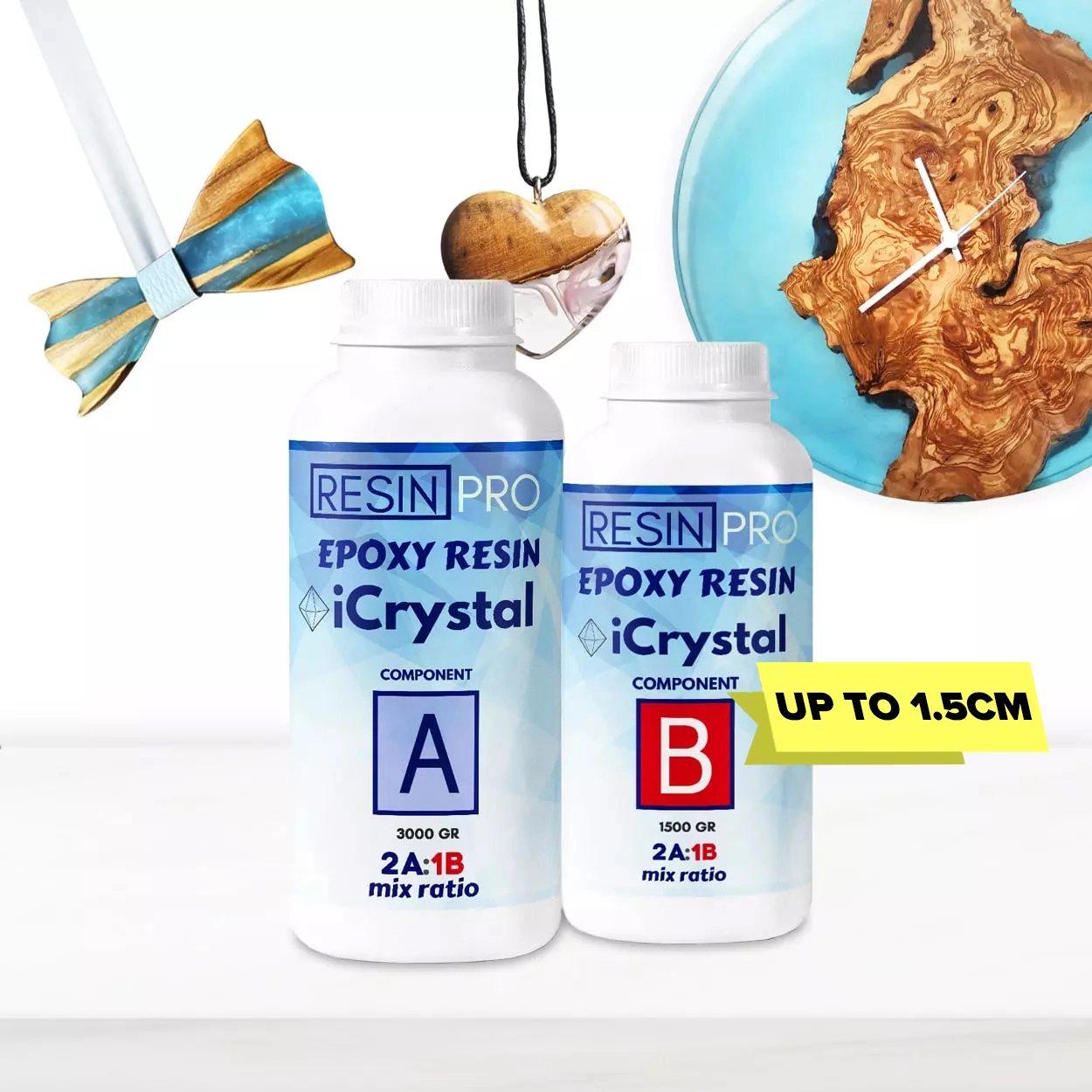 "Icrystal" – Clear Epoxy Resin – Odourless Formula – Up to 1.5cmPrice range: £12.45 through £341.45"Icrystal" epoxy resin offers clear, odourless transparency with good scratch resistance, suitable for various creative uses.
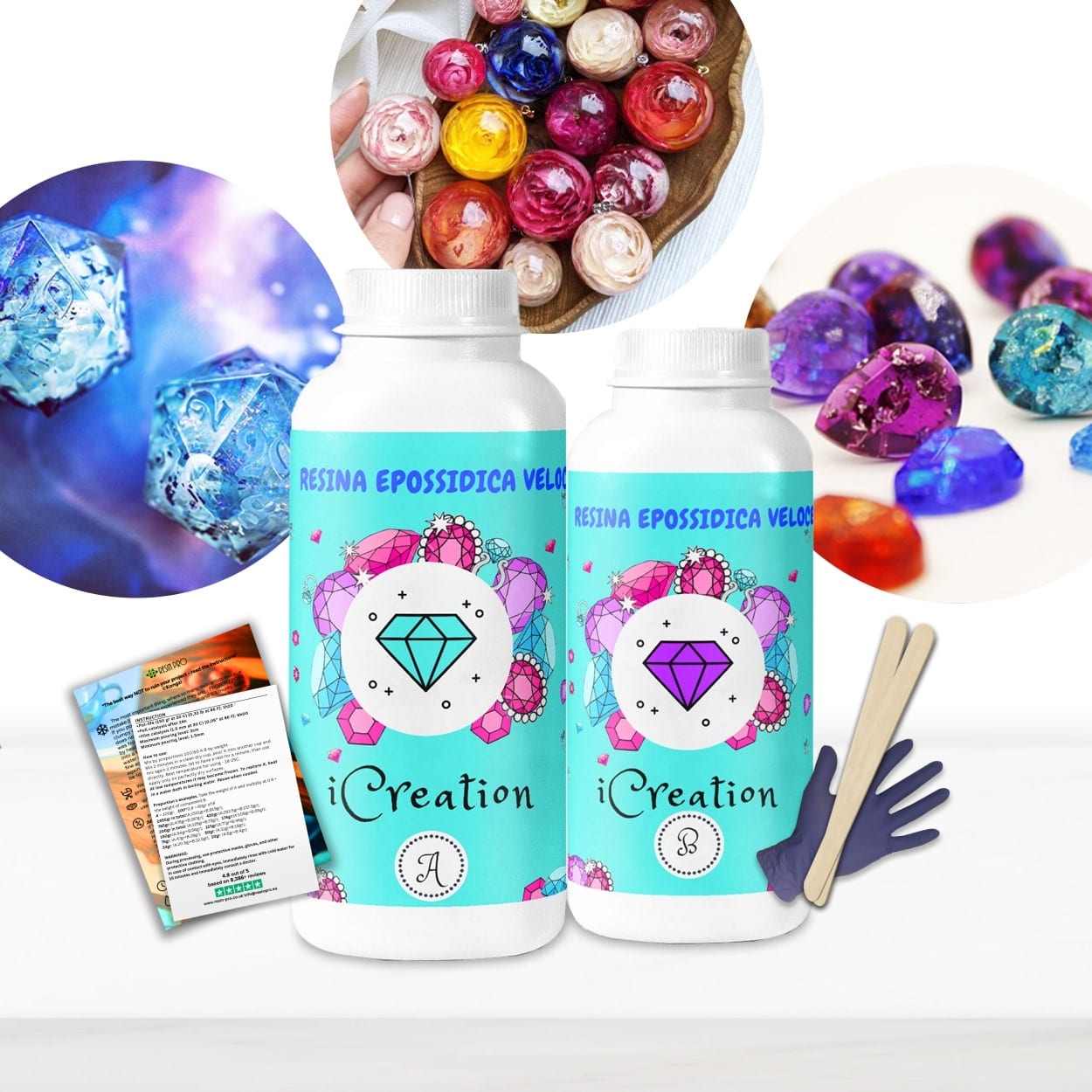 "ICreation" – Fast Epoxy Resin, 6h Demoulding, Transparent Gloss FinishPrice range: £15.95 through £55.95This fast epoxy resin is suited for time-sensitive crafting with a transparent, glossy finish suitable for jewellery and art.
Frequently Asked Questions
How do I prevent resin from cracking during pouring?
Always respect the maximum recommended layer thickness and allow each layer to cool before adding the next. Use resins formulated for your intended pour depth.
Can overheating cause epoxy resin to crack?
Yes, excess heat buildup from thick pours or fast cures often causes internal stresses leading to cracks. Work in thinner layers if needed.
Which resin is best for deep pour projects?
Epoxytable 10-Ten is designed for deep pours up to 10cm, while EpoxyTable 5-Five works for pours up to 5cm with reduced risk of cracking.
Does sunlight increase the risk of resin cracking?
Continuous UV exposure degrades resin over time, making cracks more likely. Use UV-stabilised products and avoid direct sunlight during and after curing.
Is fast-curing resin more likely to crack?
Fast-curing resins require careful mixing and temperature control. They are safe when used as directed but rapid catalysis can increase cracking risk if mismanaged.
Why does my surface resin have fine cracks?
Fine cracks, or crazing, often result from pouring too thickly, thermal shocks during curing, or poor UV protection. Use the appropriate resin and controlled conditions.
Can cracked epoxy resin be fixed?
Minor cracks can sometimes be filled with a thin layer of fresh resin. For major cracks, sanding and a careful re-coat are often necessary.