 Free shipping on orders over £29,85
  Shipping Tracking!


 Google
 Facebook
← Back to What is silicone rubber and is it suitable for clay moulds?
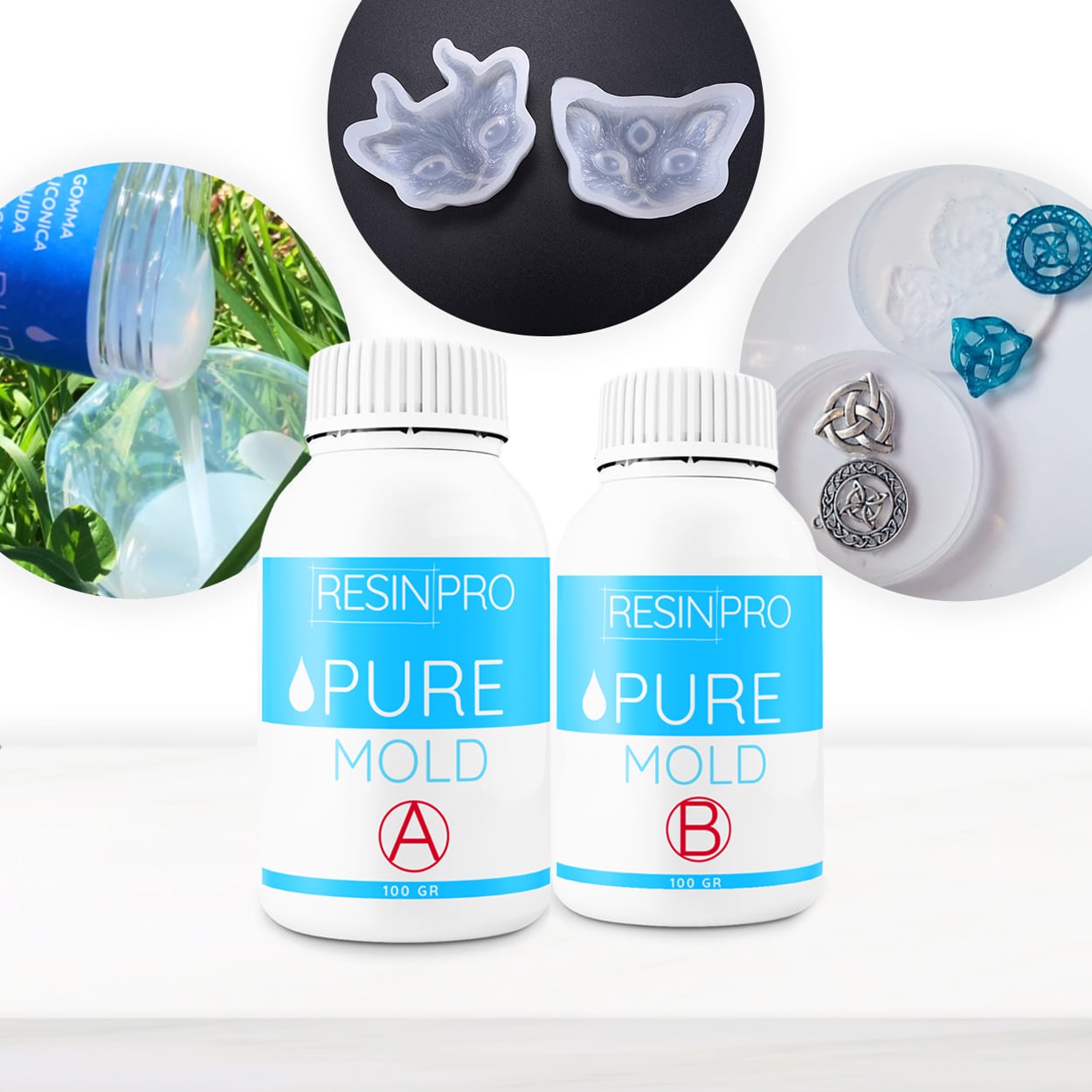
Wondering if silicone rubber will stick to your clay model? This guide explains what to expect and offers advice on how to prepare clay for easy and clean mould making using silicone rubbers.
How Silicone Rubber Interacts With Clay
Most silicone rubbers will not form a permanent bond with non-oily, water-based clay. This is good news for mould makers, as it allows for simple demoulding without damaging the original sculpture. However, the clay must be dry and clean—loose dust or moisture can cause surface issues or slight sticking, making removal tricky and affecting the final detail of your silicone mould.
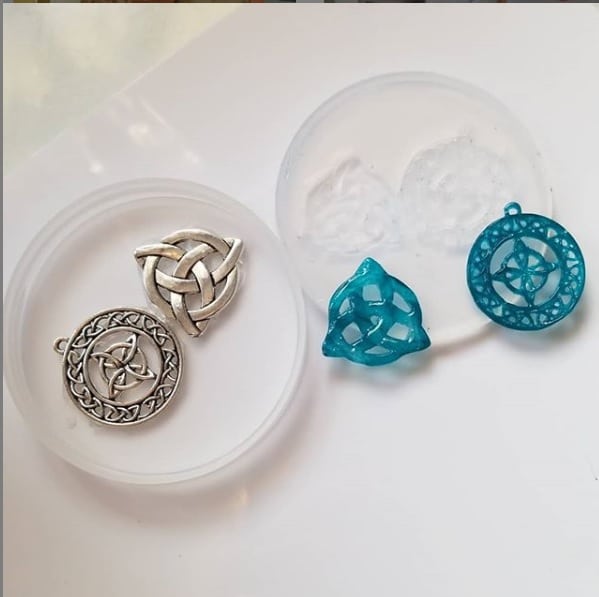
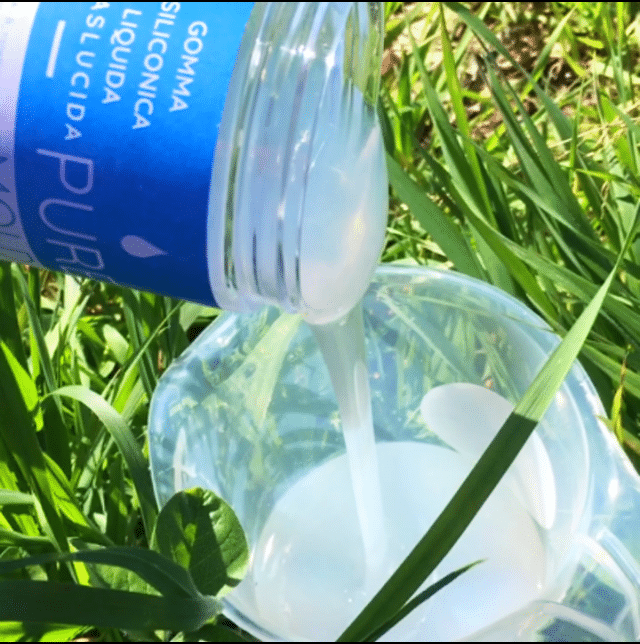
Best Practices for Demoulding Success
- Preparation: Always let your clay model dry completely before pouring or pressing silicone rubber onto it.
- Cleanliness: Remove any dust, remnants or fingerprints with a soft brush or gentle air.
- Avoid oil-based clays: Most silicones will release from non-oily clays more easily. If your clay is oily, a light barrier may be needed for effortless release.
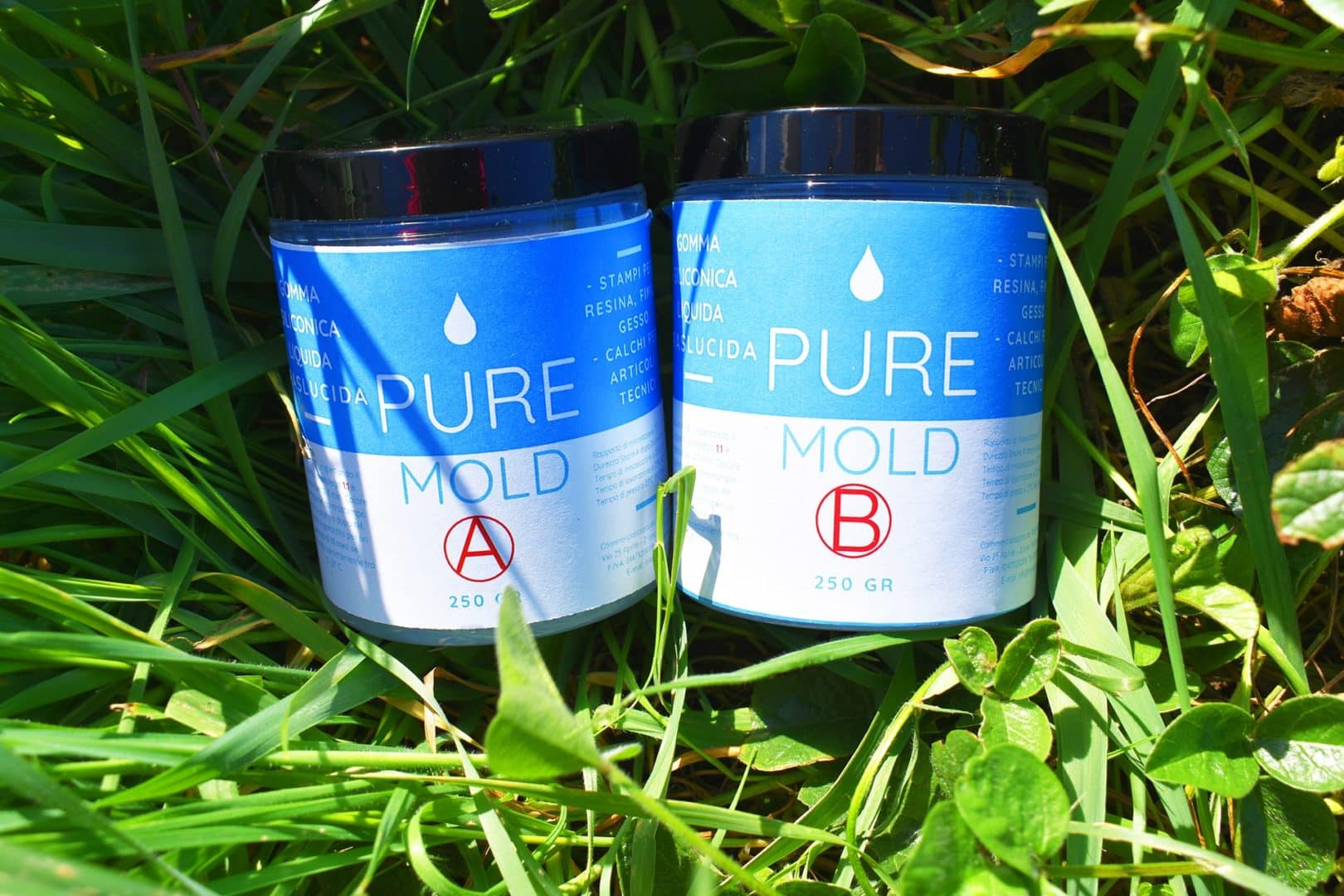
Using a suitable silicone, such as “Pure Mould” – Translucent Liquid Silicone Rubber for Mould Making, helps ensure fine detail capture and straightforward removal of your original model.
When This Matters
Getting the release right is crucial if your clay master is a unique piece you wish to preserve, or if the detail level is important for your cast. If residue is left behind or the model sticks, both the clay and mould can be damaged.
Related products
Related guides
Understanding the relationship between silicone rubber and clay helps you achieve crisp, reusable moulds without hassle. For more on selecting the best silicone for clay moulds, visit our main guide on what is silicone rubber and is it suitable for clay moulds.