 Free shipping on orders over £29,85
  Shipping Tracking!


 Google
 Facebook
← Back to What is silicone rubber and is it suitable for clay moulds?

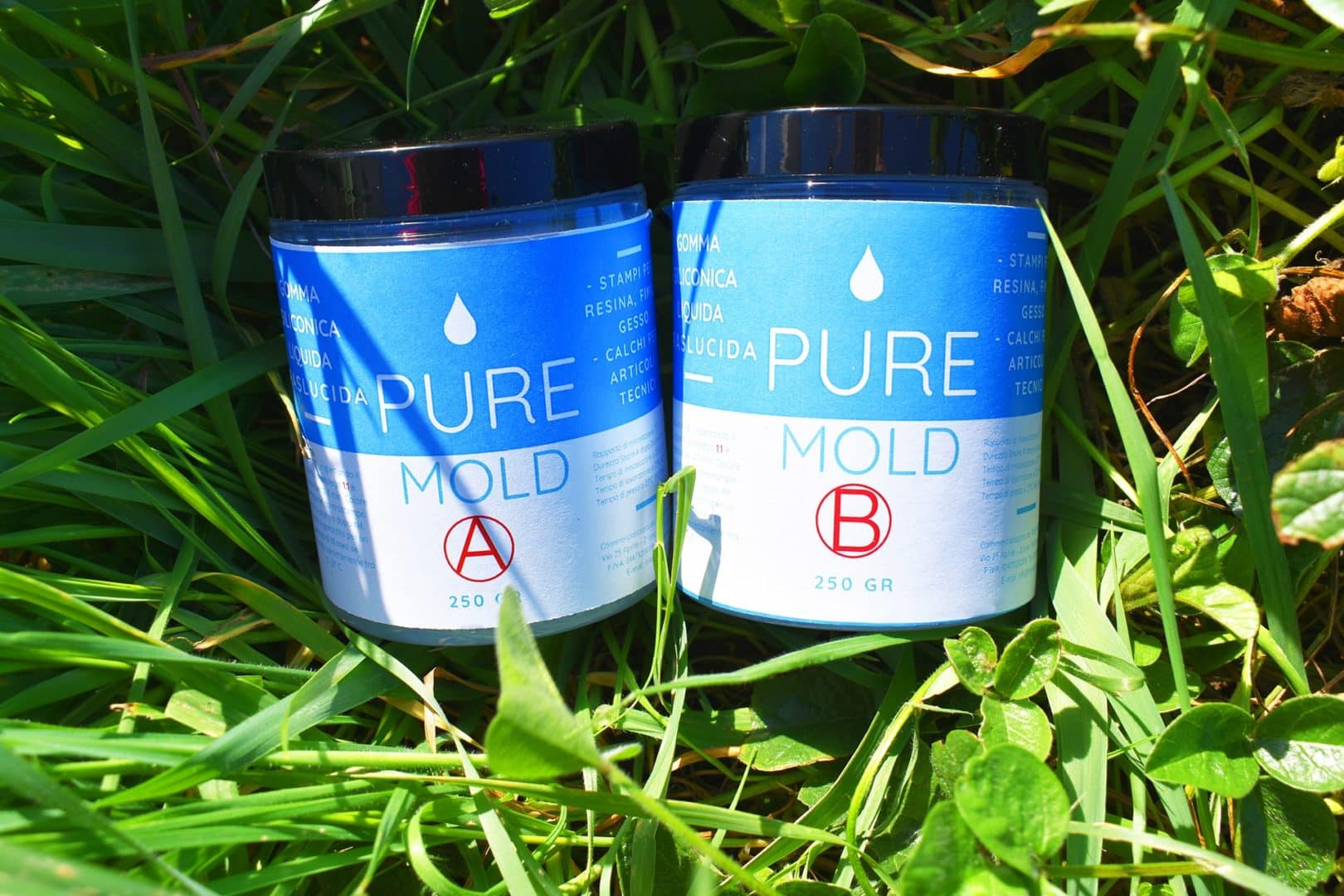
When creating moulds for crafts or professional projects, knowing your materials are safe is essential. Let’s explore if the silicones used for mould making are non-toxic and practical for your needs.
What Does ‘Non-Toxic’ Mean for Silicone Rubbers?
Non-toxic silicone rubbers, like Pure Mould and I–Gum, are certified and manufactured to be safe for general handling. These formulations do not emit strong odours and are free from solvents, making them pleasant and suitable for use in home or studio environments. While they are non-toxic, always review product guidance to understand any specific limitations or handling recommendations.
Using Silicone Rubber Safely
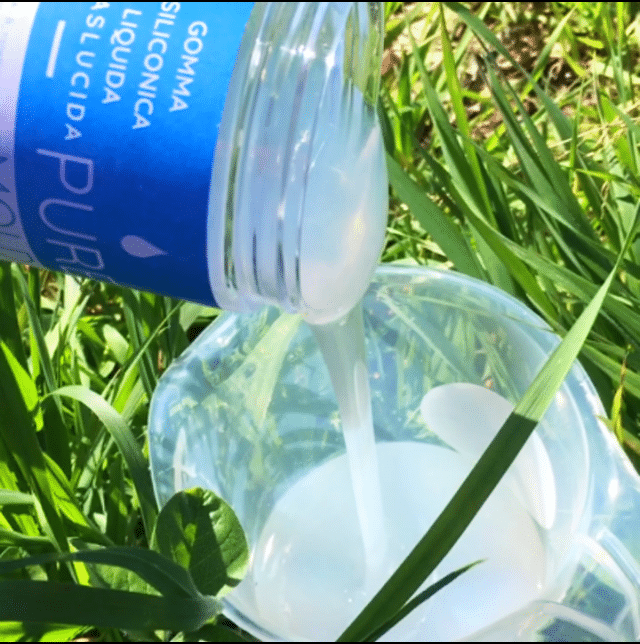
Silicone rubbers for mould making are generally easy to use, with simple 1:1 mixing ratios and little to no odour. Although products such as I–Gum are described as safe to handle even without gloves, it is still wise to keep good ventilation and to follow all provided instructions. Avoid direct ingestion or prolonged skin contact, as with any crafting material.
- Prepare a clean, dust-free workspace
- Use gloves if you have sensitive skin
- Follow the recommended mixing and curing instructions
When This Matters
Choosing a certified non-toxic silicone is most important for those working in small indoor spaces, for hobby use, or if you are sensitive to chemical odours. It is also essential if your finished moulds will be handled frequently or by children.
Related products
Related guides
Selecting non-toxic silicone rubbers ensures a safer experience for both hobbyists and professionals. For more on choosing the right materials, explore our main guide to silicone rubbers and clay moulds.