 Free shipping on orders over £29,85
  Shipping Tracking!


 Google
 Facebook
What is the best resin for modelling?
A comprehensive guide to resins for model making projects
Whether you’re an enthusiast building scale models or a professional seeking flawless prototypes, choosing the right resin is vital for achieving both durability and fine detail. This guide compares the leading resin options for modelling, highlighting key differences to help you select the ideal formula for your next project.
Overview: Comparing the Top Modelling Resins
Model making spans a wide range of needs, from ultra-fine castings for miniatures to robust coatings for 3D prints. ResinPro offers both epoxy and polyurethane resins tailored to specific requirements—such as curing time, surface finish, and ease of use. For fast prototyping, a polyurethane resin delivers rapid curing, while epoxy options provide clarity and gloss for display models and art pieces. Some resins excel at capturing details in complex moulds, and others prioritise simplicity for beginners. Below, we outline how each top choice suits common modelling tasks, so you can find the resin best matched to your skill level and objectives.
Visual Guide: Popular Modelling Resin Results
See the possibilities: Browse real-world resin castings, 3D coated prints, and detailed miniatures created with ResinPro’s range of modelling resins. Notice the difference in finish, clarity, and detail among the products featured here.
“3D Finish” – Fast Coating Epoxy Resin for 3D Prints
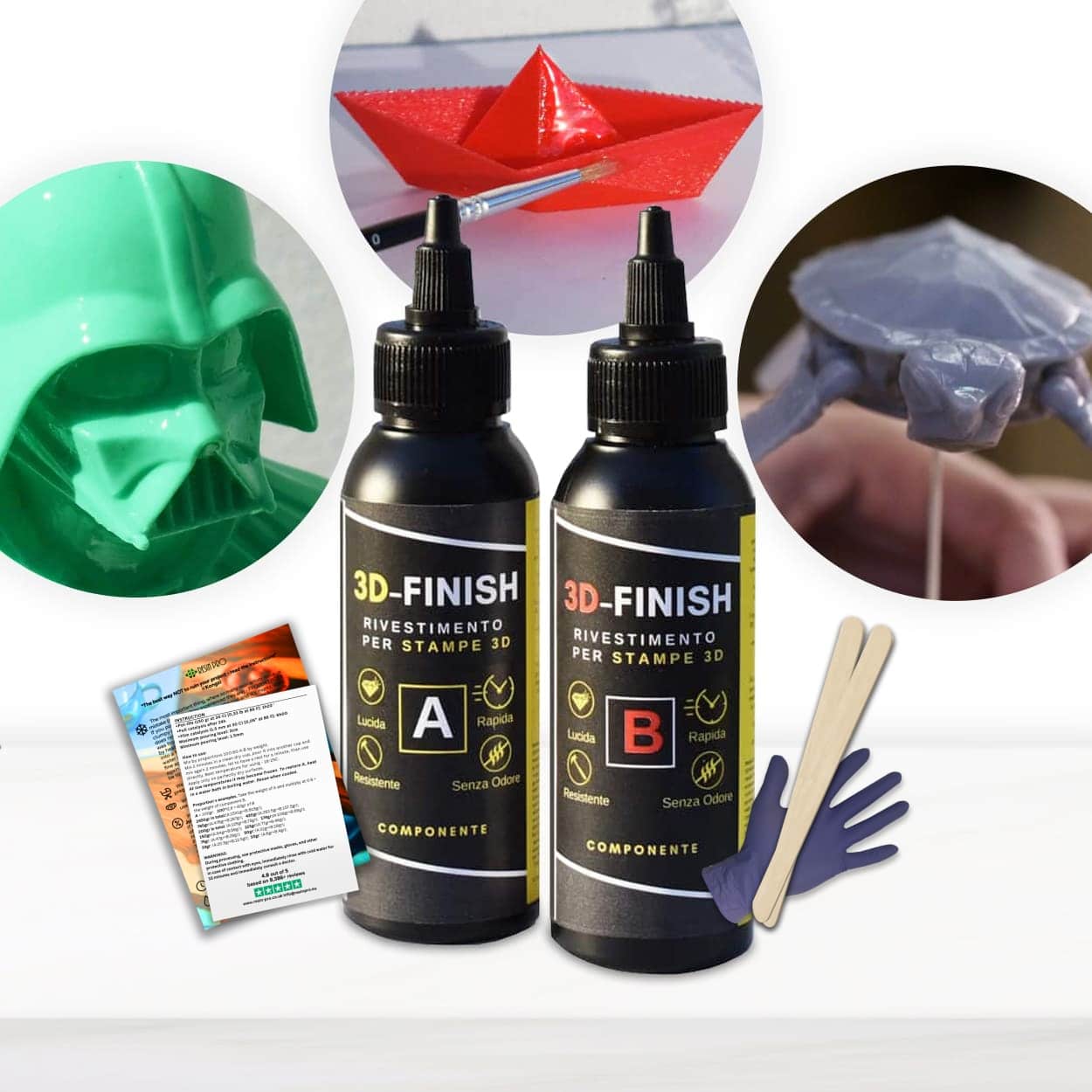
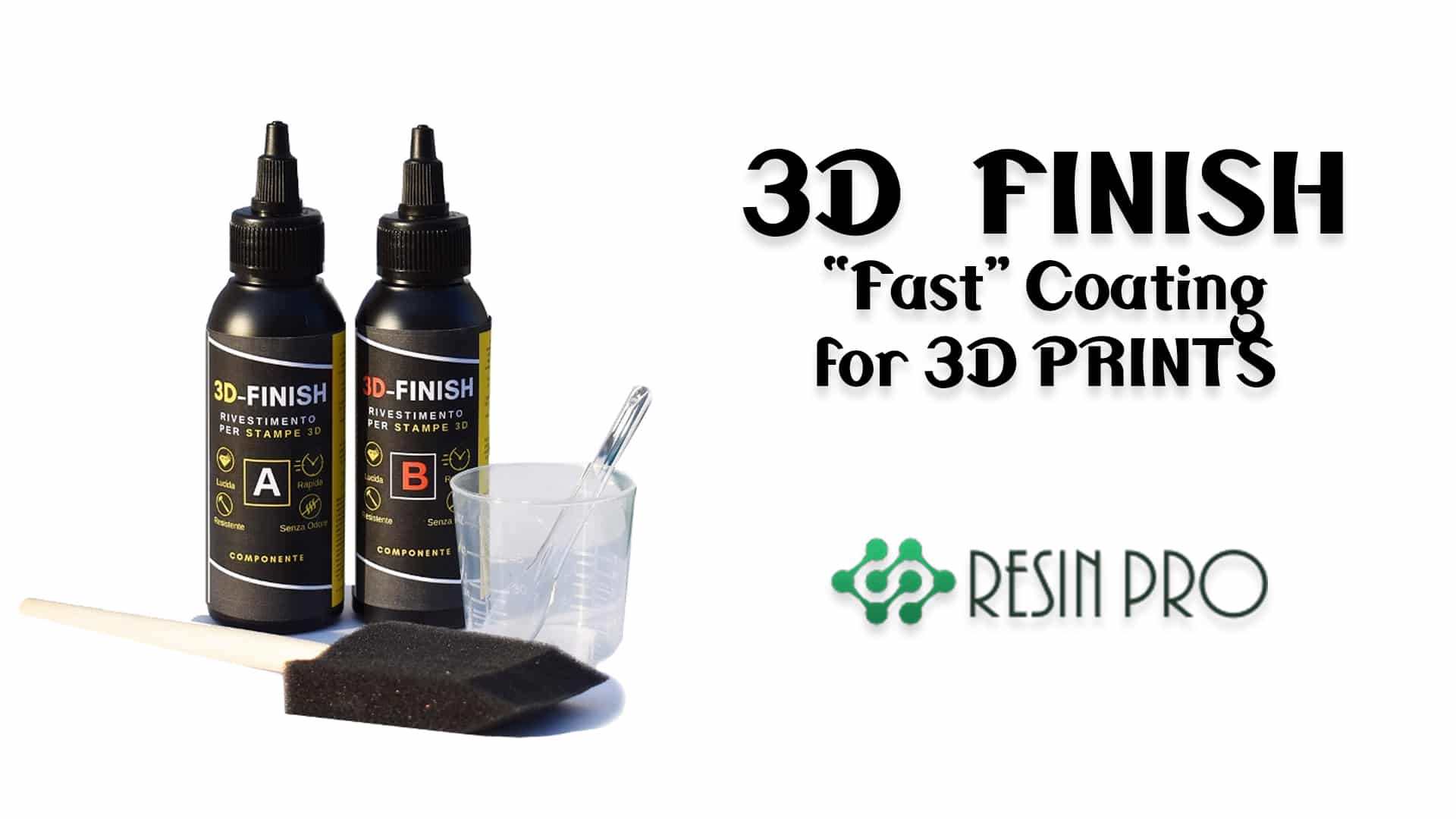
“3D Finish” – Fast Coating Epoxy Resin for 3D Prints is specifically formulated for coating and protecting 3D printed models in materials such as PLA, ABS, and LAYWOOD. Its accelerated 4-hour curing at 20°C is ideal for those who value speed, while exceptional adhesion ensures a seamless, durable layer over detailed surfaces. This resin not only preserves fine details by eliminating print layer lines, but also supports polishing and painting for a final custom touch. As a multipurpose epoxy resin, it’s perfect for hobbyists and professionals wanting both visual quality and mechanical strength in their finished models.
“IWhite” – Polyurethane Casting Resin (White, Fast-Curing)
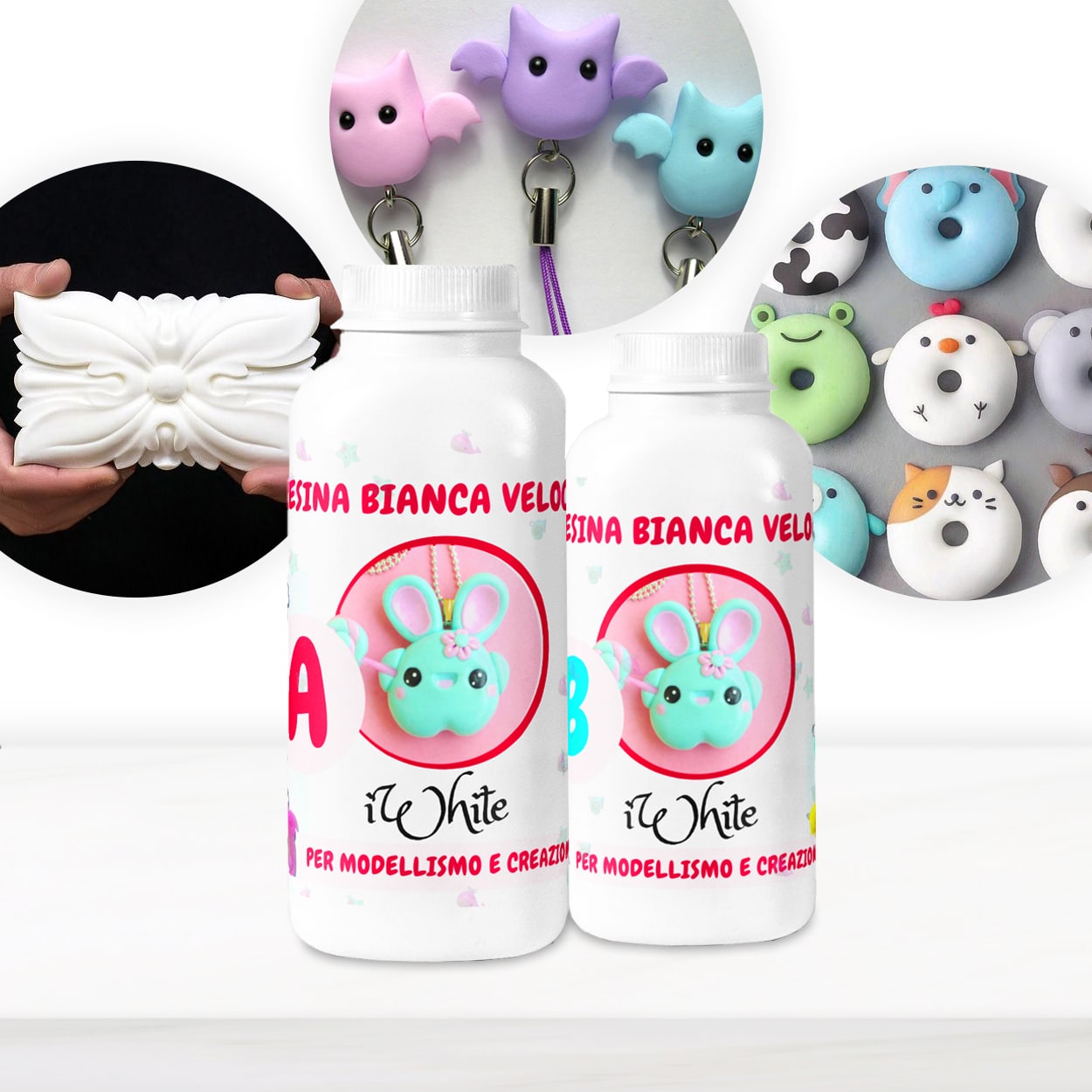
For those prioritising speed and crisp detail, the “IWhite” – Polyurethane Casting Resin – White, Fast-Curing Two-Part System stands out. This polyurethane resin cures in just 30 minutes and is highly fluid for capturing fine details even in the most complex moulds. Flexible application—colourable and paintable before or after curing—makes it an excellent choice for handcrafted models or rapid prototyping. Its durable finish ensures castings maintain their detail and integrity, and it’s especially favoured by model makers seeking efficiency and reliability. Explore this option in our Gift Ideas and Promotions range.
“Polyform” – Polyurethane Casting Resin (Beige, Fast-Setting)
When rapid prototyping or small batch production is key, Polyform – Polyurethane Casting Resin – Beige delivers outstanding performance. With fast setting—cures in about 5 minutes—you can demould in just half an hour, speeding up your workflow considerably. Its high fluidity makes it suitable for complex silicone moulds and achieving detailed, robust castings. Once cured, the resin is non-toxic and offers long-term durability thanks to its Shore A 100 hardness. View more in our products category for 3D models.
“One-2-One” – Epoxy Resin for Handcraft and Decorative Modelling
For beginner-friendly and versatile crafting, “One-2-One” – Epoxy Resin for Handcraft, 1:1 Mixing Ratio is an excellent choice. Its easy 1:1 equal-parts by volume mixing ratio eliminates the guesswork, making it perfect for crafters of all experience levels. This non-toxic formulation features a crystal clear, super-glossy finish and a UV filter to prevent yellowing, ideal for jewellery, decorative arts, and encapsulated models that need lasting clarity and shine. It’s also resilient against scratches and moisture, ensuring your models stay pristine.
Tips for Selecting the Right Modelling Resin
Consider your priorities—speed, fine detail reproduction, colourability, or ease of use—when choosing a modelling resin. Polyurethane resins like Polyform and IWhite are best for rapid prototyping and capturing fine details in flexible silicone moulds. For high-clarity, beginner-friendly casting, epoxy resins such as One-2-One excel. If working with 3D prints, 3D Finish delivers not only strength but also a flawless surface for further finishing. Always check compatibility with your moulds and intended materials; some resins are better suited for specific plastics or do not allow colouring. Lastly, keep work area temperature and curing times in mind—proper conditions help prevent defects and ensure optimal results.
Project Inspiration and Practical Advice
Experiment with variety: Test different resins on prototype objects to find your preferred finish. Try varying temperature, mixing technique, or colouring agents for unique project outcomes.
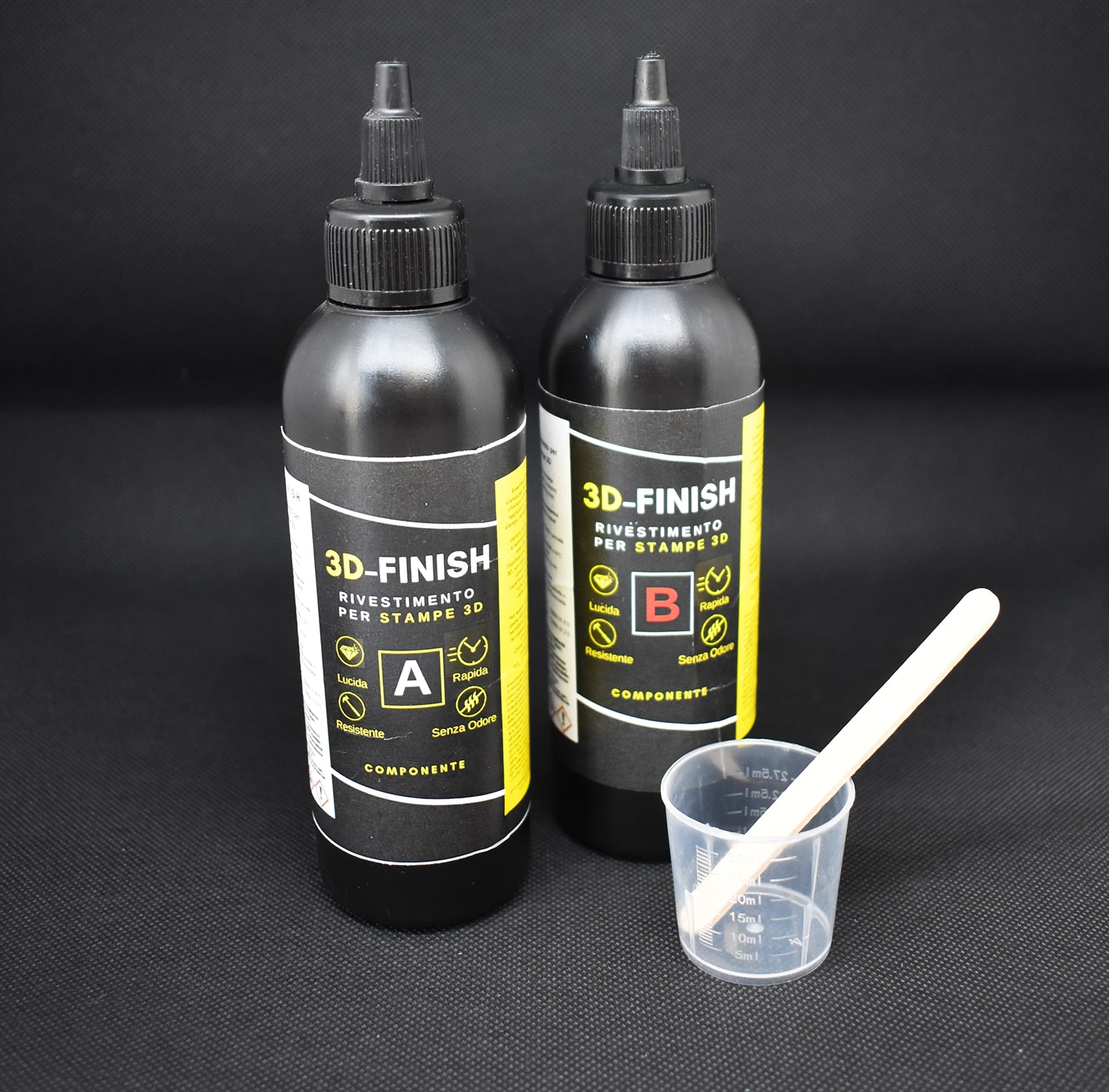
- "3D Finish" – Fast Coating Epoxy Resin for 3D PrintsPrice range: £13.95 through £19.95"3D Finish" offers a fast-curing, seamless coating for 3D printed models in PLA, ABS, and LAYWOOD, supporting careful detail preservation.
- “IWhite” – Polyurethane Casting Resin – White, Fast-Curing Two-Part SystemPrice range: £24.00 through £36.95IWHITE White Polyurethane Casting Resin is a fast-curing, detailed resin suitable for modelling and rapid prototyping projects.
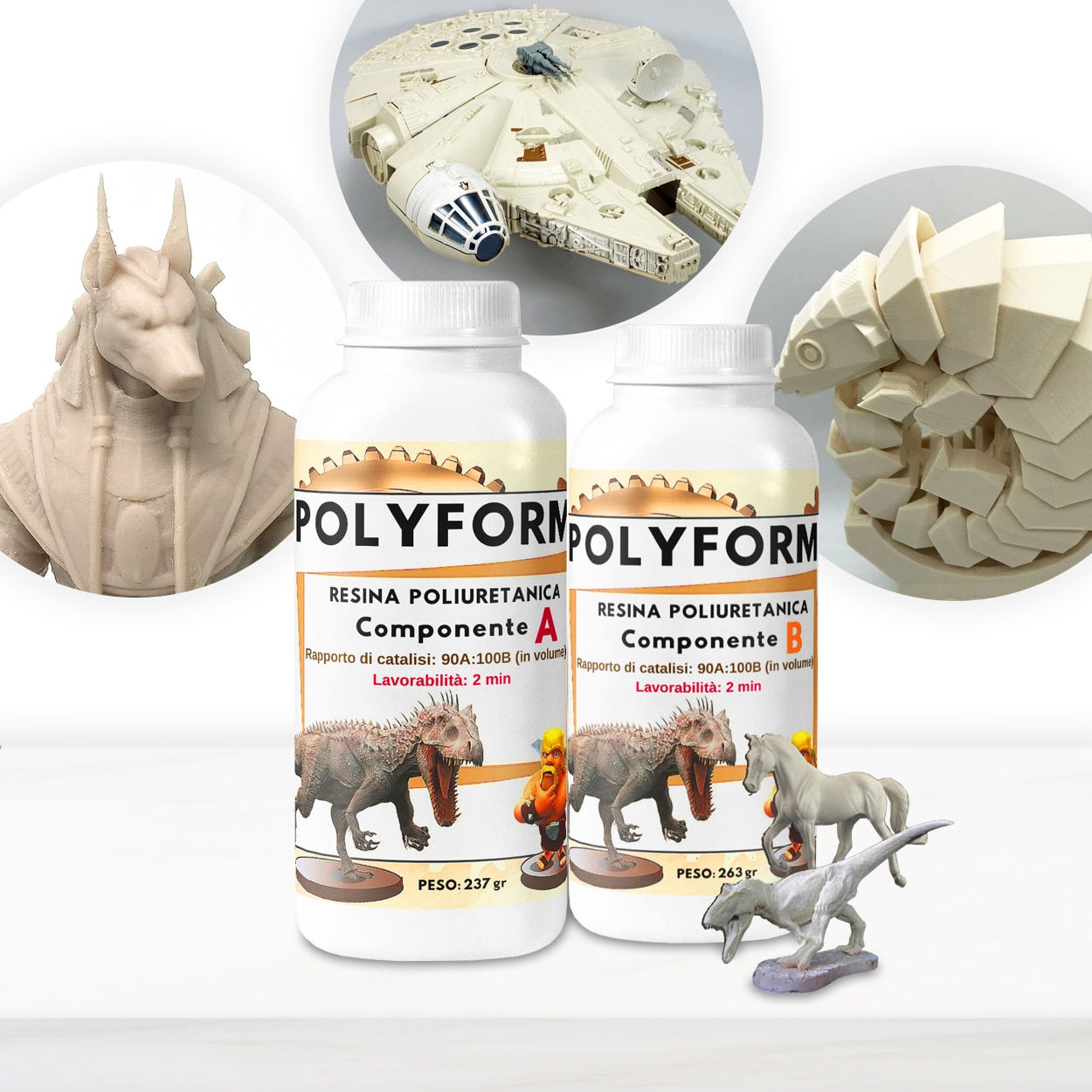 “Polyform” – Polyurethane Casting Resin, Beige, Fast-Setting for PrototypingPrice range: £15.95 through £141.95Polyform is a beige polyurethane resin suitable for rapid prototyping and model making, designed to offer fast setting and detailed casting.
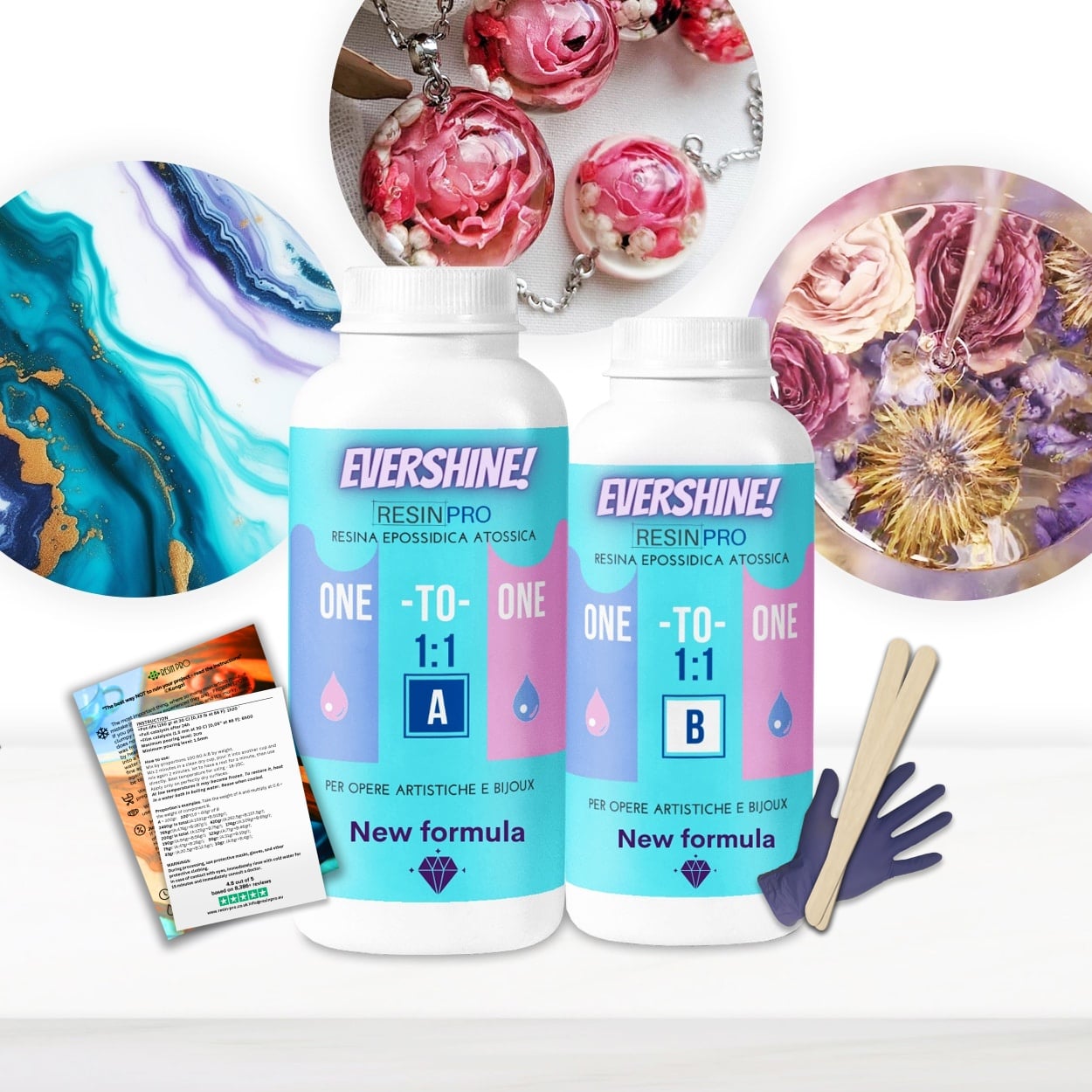 "One-2-One" – Epoxy Resin for Handcraft, 1:1 Mixing RatioPrice range: £15.95 through £59.95"One-2-One" epoxy resin offers a medium viscosity and easy 1:1 mixing, suitable for various decorative and modelling applications.
Frequently Asked Questions
What is the recommended mixing ratio for 3D Finish epoxy resin?
Mix 100A:50B by volume or 100A:45B by weight. Always blend thoroughly for 2 minutes and scrape the container sides.
What are typical uses for polyurethane casting resin compared to epoxy?
Polyurethane cures faster and is more fluid, ideal for quick prototypes and detailed moulds. Epoxy is often chosen for clarity or display finishes.
Can I paint or colour the resin once cured?
Yes, IWhite resin is paintable with acrylics after full cure or colourable in its liquid form before pouring.
How long does Polyform take to cure?
Polyform sets in about 5 minutes and can be safely demoulded after approximately 30 minutes.
Can I colour Polyform casting resin?
No, Polyform is a beige resin and is not suitable for mixing with colouring dyes.
What is the recommended mixing ratio for Polyform casting resin?
Parts A and B should be combined in a ratio of 90 to 100 by weight for best curing and performance.
Can I use Polyform resin in cold environments?
Polyform should not be used below 8–10°C as low temperatures can affect the curing and final quality of the casting.
What are the main differences between Art Pro and One-2-One epoxy resins?
Art Pro uses a 3:2 weight mixing ratio and cures harder, while One-2-One is 1:1 by volume and offers a glossier finish.