 Free shipping on orders over £29,85
  Shipping Tracking!


 Google
 Facebook
← Back to Which silicone rubber is suitable for clay moulds?
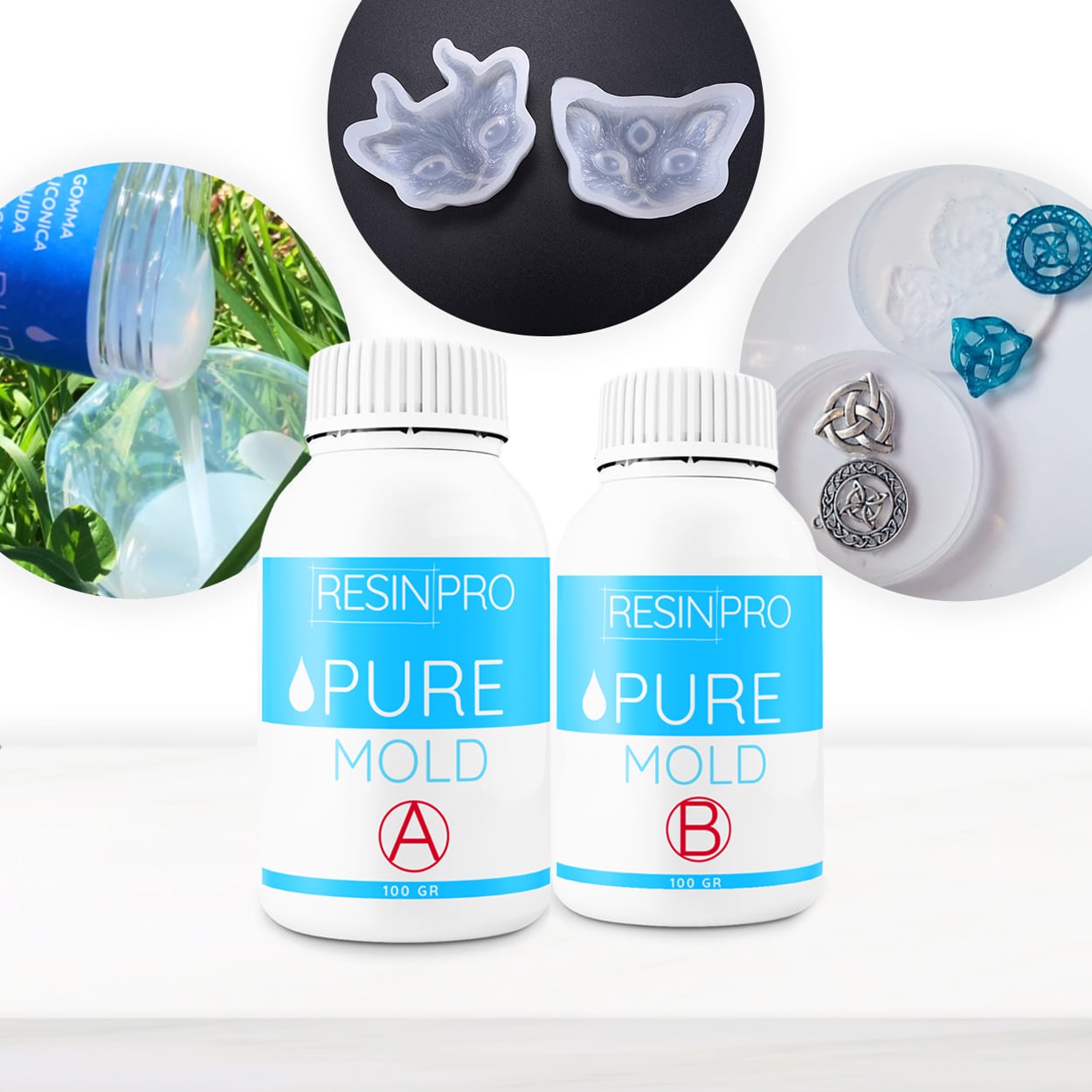
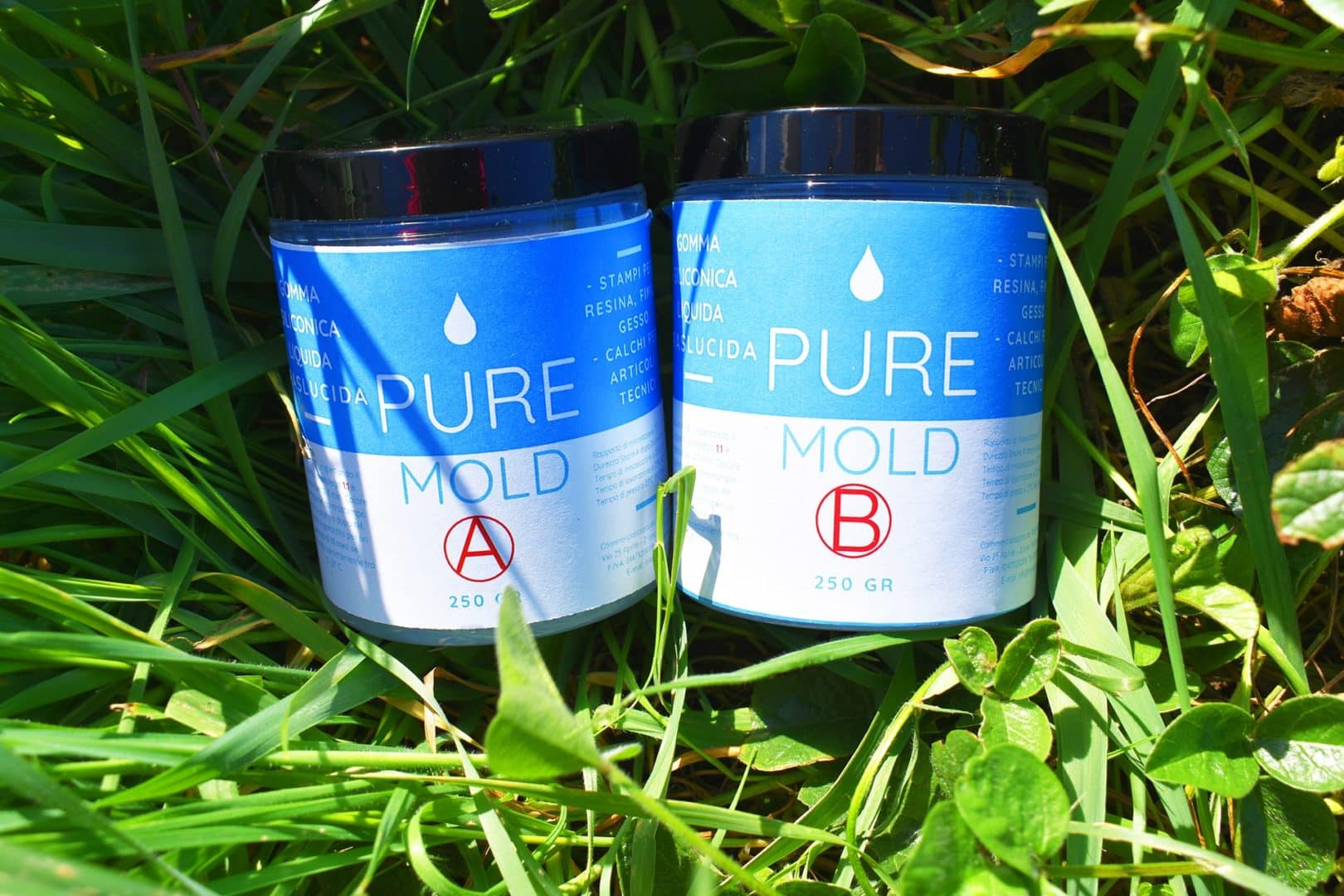
If you’re deciding between translucent and opaque silicone for making clay moulds, it’s helpful to understand how each option may impact your experience and results.
Why Choose Translucent Silicone?
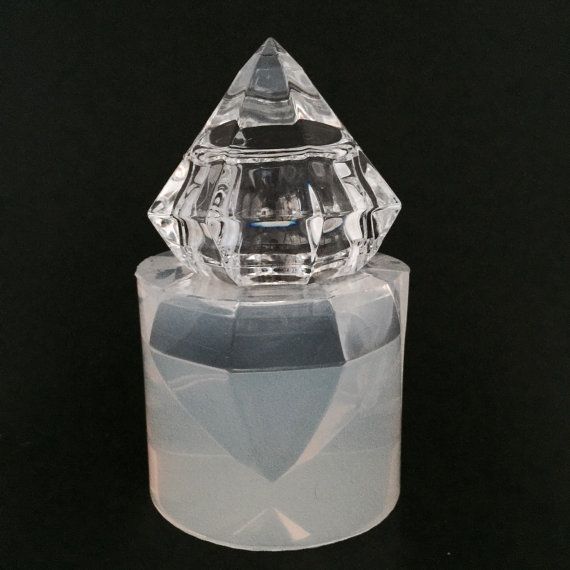
Translucent silicone, such as Pure Mould, provides a unique advantage: you can see your clay model and monitor the curing process directly through the mould. This visibility makes it easier to spot trapped air bubbles or fine details, helping you achieve precise results—especially important when working with detailed or intricate clay forms.
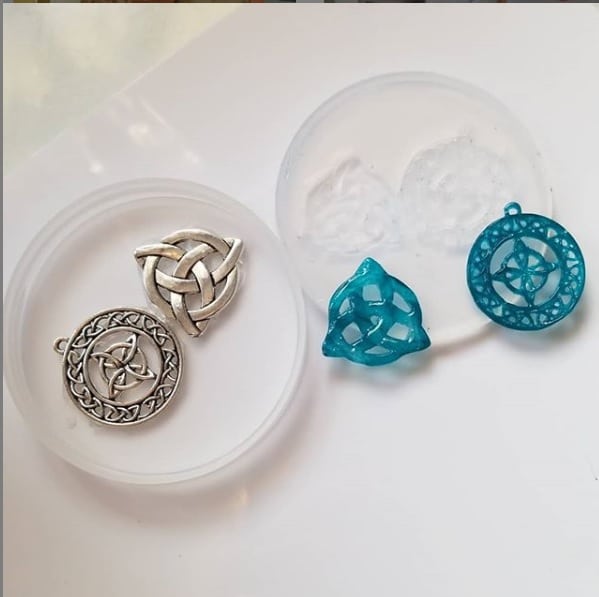
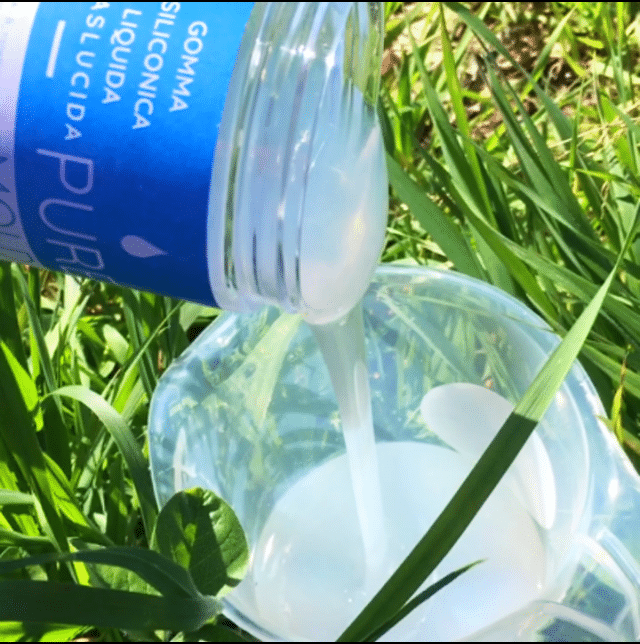
Practical Tips for Clay Mould Making
Regardless of translucency, choose a silicone with a user-friendly mixing ratio and a suitable curing time for your needs. Translucent silicones typically feature a straightforward 1:1 mix, along with fast curing—in the case of “Pure Mould”, within several hours. For even more control, consider non-toxic putty silicones for small, hand-shaped projects. Always ensure compatibility with your clay and casting materials, and follow manufacturer instructions to maximise mould detail and longevity.
When This Decision Matters
- Detailed and visible work: Translucent silicone is ideal if you need to watch the curing process, check model alignment, or quickly spot imperfections.
- General purpose mould making: Opaque silicone can be sufficient if continual visual monitoring isn’t necessary, but lack of visibility may require more experience or care.
Related products
Related guides
Whether you select translucent or opaque silicone, your choice depends on how much visibility you need during mould creation. Both can produce excellent clay moulds, but if seeing is believing, translucency often provides a practical edge. For more guidance on choosing silicone for clay projects, visit our main page on which silicone rubber is suitable for clay moulds.