 Free shipping on orders over £29,85
  Shipping Tracking!


 Google
 Facebook
← Back to Which type of pool is better, resin or masonry?
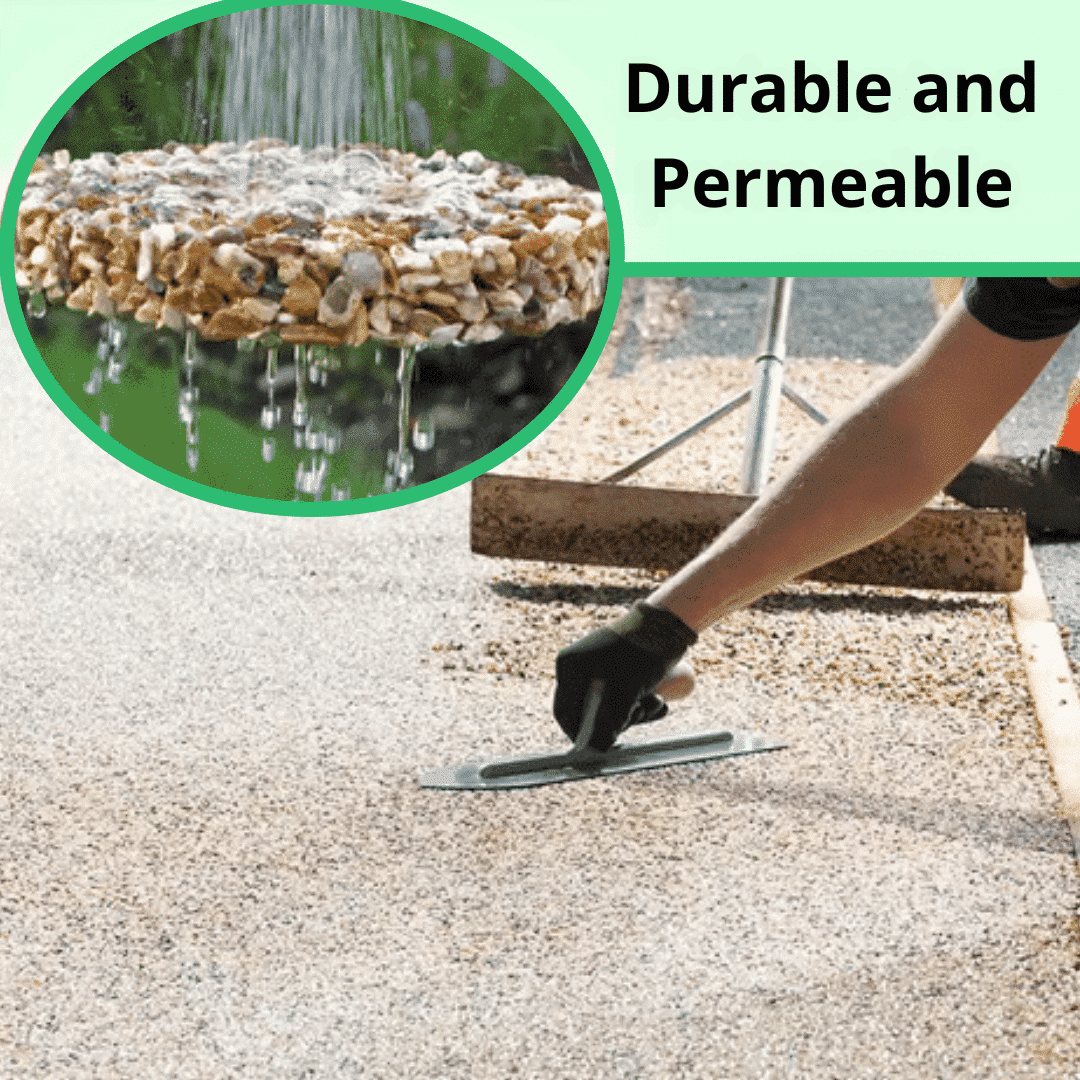
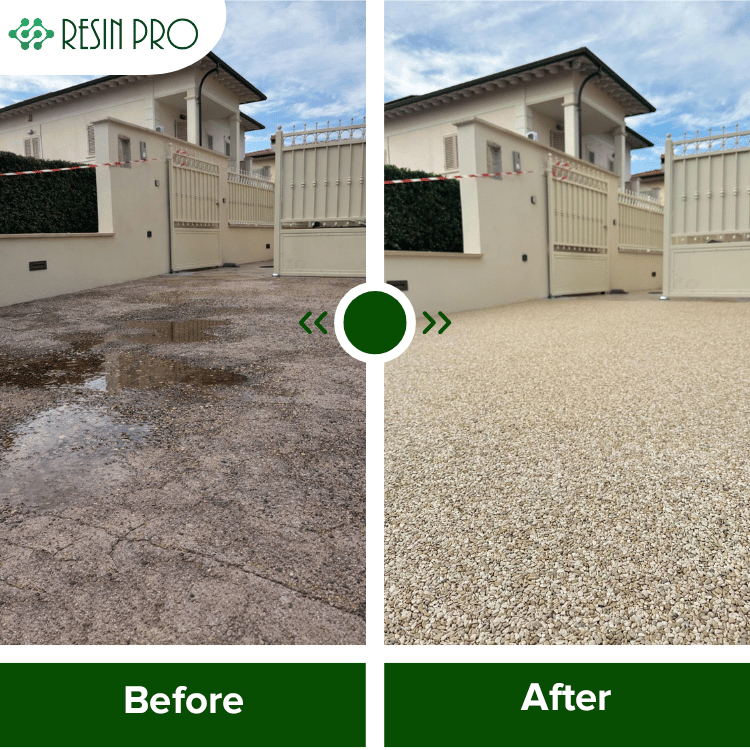
Installing a resin floor for your pool requires more than just the right materials—it’s also vital to consider the weather. Proper conditions during application help the resin cure evenly for a strong, long-lasting finish.
What Are the Ideal Weather Conditions?
Resin pool floors should be installed when temperatures are neither too low nor excessively high. Cold weather can slow down or halt curing, while extreme heat or direct sunlight may cause the resin to harden too quickly. Additionally, avoid application when humidity is high, as excess moisture can affect adhesion and surface texture.
- Aim for mild, dry days with stable temperatures.
- Plan installation early in the day or during cooler periods to avoid strong sunlight.
- Postpone work during spells of rain or damp conditions.
Practical Tips for a Trouble-Free Application
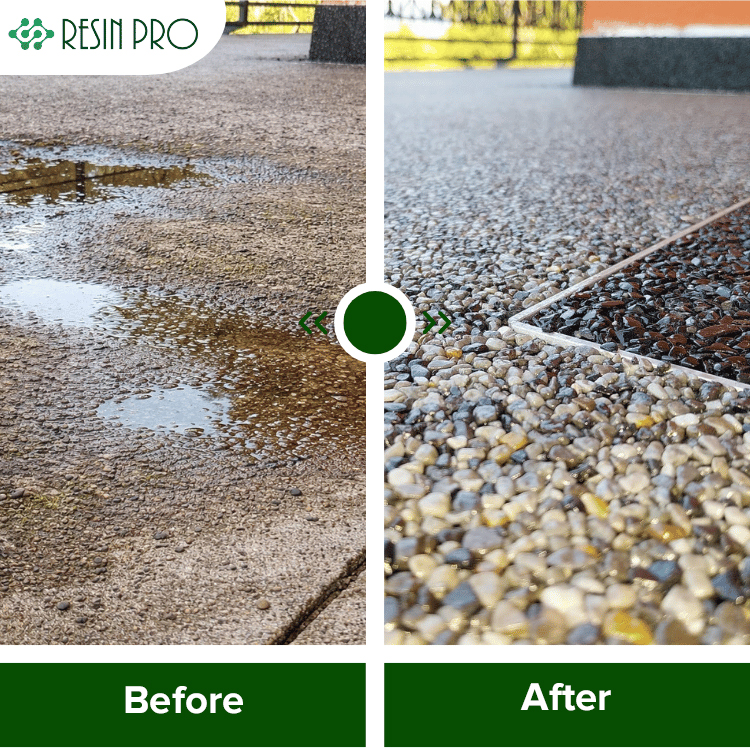
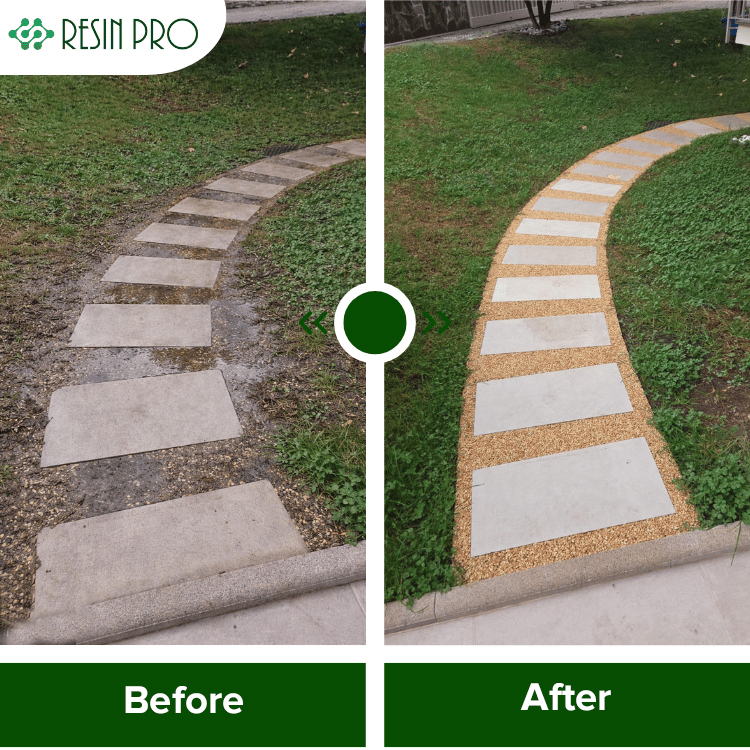
For best results, always check your local weather forecast before starting a resin project around your pool. Make sure surfaces are fully dry and free from condensation. If you’re using decorative systems like the Flowstone Complete Permeable Floor Kit, follow product application guides closely for the best performance and finish. Consider sheltering the work area if a sudden change in weather is expected.
When This Matters Most
Being mindful of weather is especially important if you’re installing a new pool floor outdoors or in spaces exposed to the elements. Overlooking the forecast can lead to uneven curing, weak adhesion, and compromised results, increasing the need for future repairs.
Related products
Related guides
Keeping an eye on weather conditions ensures the longevity and appearance of your resin pool floor. For more insights into choosing between resin and masonry pools, visit our main guide on pool surface options.