 Free shipping on orders over £29,85
  Shipping Tracking!


 Google
 Facebook
Which type of pool is better, resin or masonry?
Compare performance, aesthetics, and installation for pool surrounds
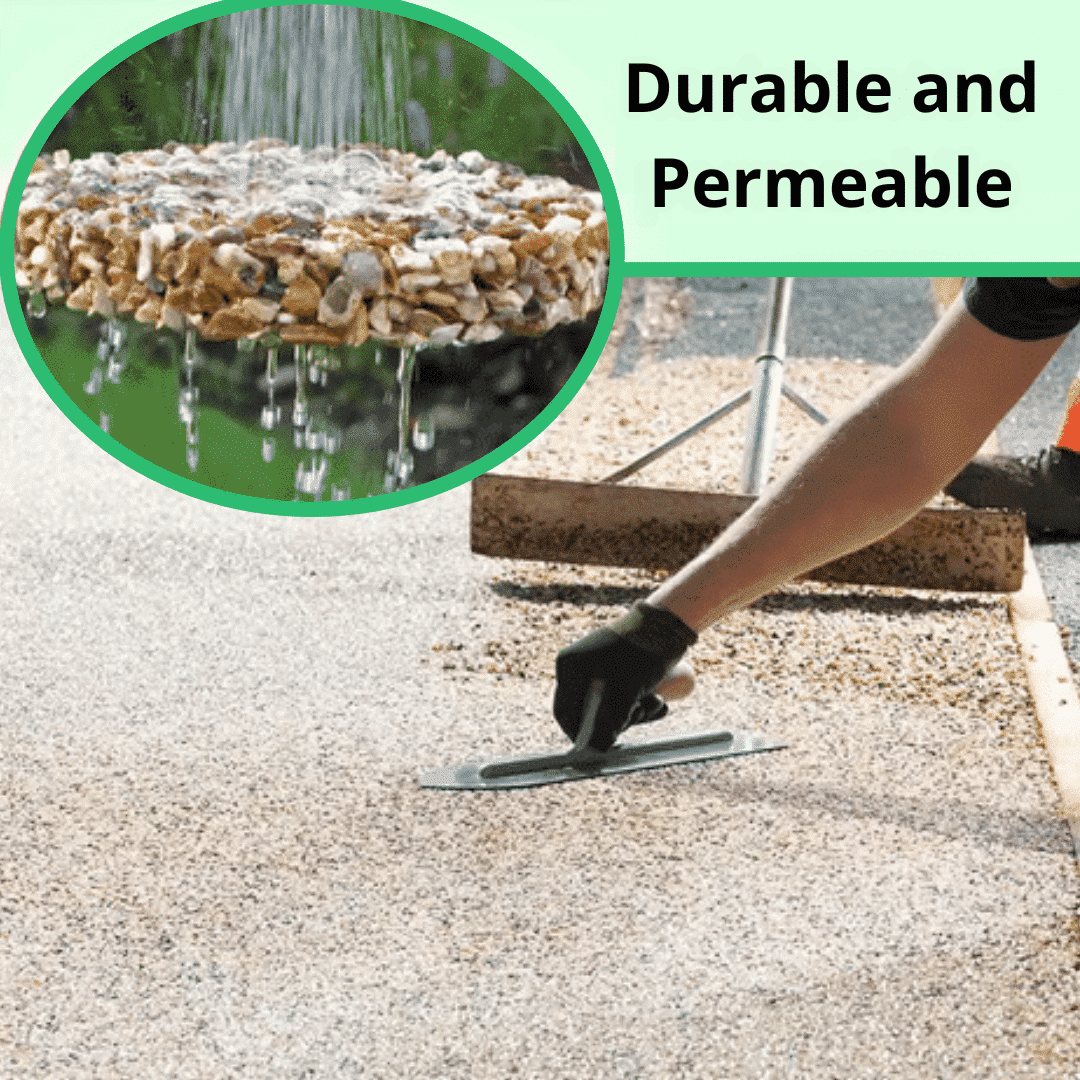
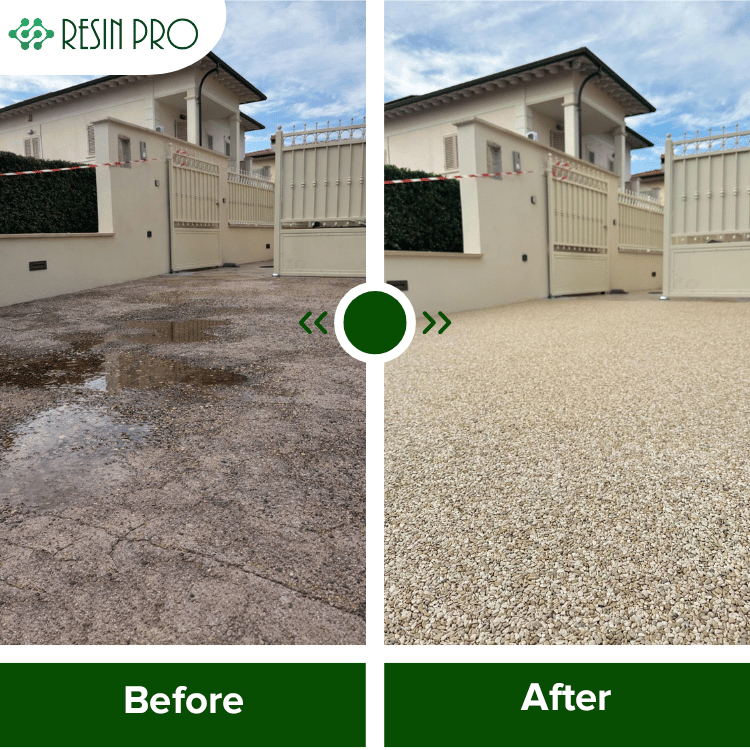
Choosing the right pool surrounds and flooring is crucial for maximising comfort, safety, and longevity. Homeowners, landscapers, and pool installers often debate between resin-based solutions and traditional masonry for pools and outdoor surfaces. This page provides a clear comparison of both options, highlights practical use cases, and introduces innovative resin products suited for UK outdoor environments.
Resin vs Masonry Pools: Key Differences
Both resin and masonry pool surrounds offer unique advantages. Resin-bound surfaces provide a permeable solution, allowing water to drain efficiently and helping prevent puddles – a common problem with masonry that can lead to slippery conditions. Resin is typically cost-effective renewal, requiring less time and fewer materials to install or refurbish compared to masonry flooring, which may involve complex groundwork and heavier lifting.
For design flexibility, resin-bound and resin-coated systems offer a genuinely customisable finish. With a broad range of pebble colours and aggregate sizes, resin allows for tailored designs that suit any outdoor space. In contrast, masonry is limited to natural stone and standard paving blocks, which can lack modern appeal.
Maintenance is generally simpler with resin, as it is resistant to weathering, frost, and frequent water contact, making it especially suitable near pools. Masonry often requires periodic repointing and can become prone to moss or mildew. If safety is paramount, resin can be applied with an anti-slip finish, further minimising risk around wet areas.
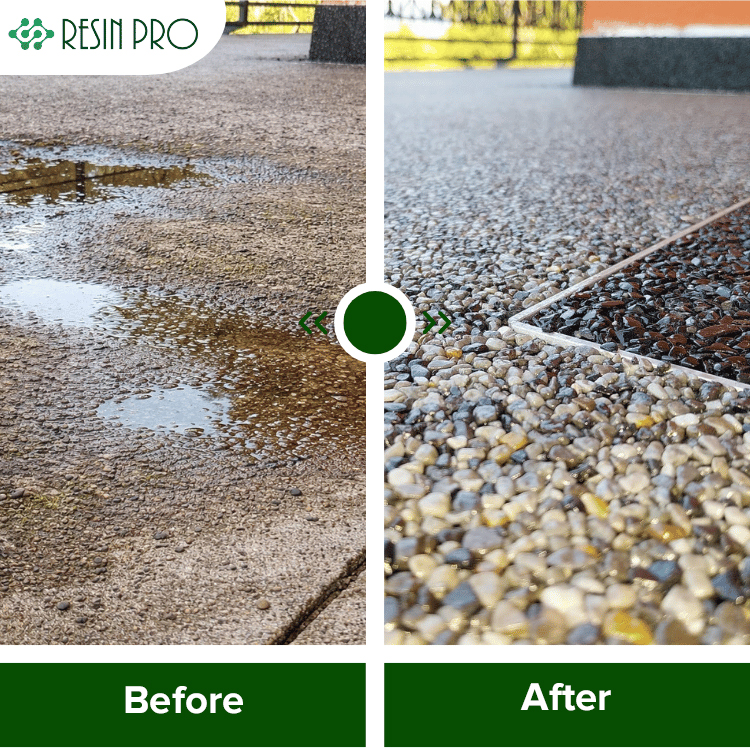
Visualise Your Future Pool Surround
See how resin-bound pebbles and binders transform outdoor pool areas into inviting, modern spaces. Explore project photos to compare the seamless look and superior drainage of resin systems against the classic styling of masonry.
“Flowstone” – Permeable and Decorative Pool Surrounds
The “Flowstone” – Complete Permeable Floor Kit with Pebbles and Resin stands out for those prioritising water drainage and easy application. Designed with UK weather in mind, this system is perfect for driveways, footpaths, patios, and pool surrounds. Its two binder options – non-yellowing polyurethane for white aggregates and low-yellowing epoxy for coloured stones – ensure a beautiful long-lasting look regardless of your design choice. Step-by-step instructions make installation feasible for professionals and enthusiastic DIYers alike, reducing the need for skilled masonry.
“Trasparente” – Clear, UV-Resistant Epoxy Binder
If you want vibrant, coloured pebble finishes beside your pool, the “Trasparente” – Epoxy Binder for Coloured Pebbles and Grits is specially formulated for clear, non-yellowing results. Its bubble-free transparency makes it ideal for decorative floors exposed to sun and water, such as pool perimeters or landscaped terraces. With a low viscosity for fast aggregate impregnation and certified skin safety after curing, it offers long-term durability where warmth and bold hues are desired.
“Polirock” – Polyurethane Binder for White Stones
For elegant, bright white surrounds, “Polirock” – Polyurethane Binder for White Stones, 2kg Two-Component Kit offers unmatched clarity, avoiding yellowing even with UV exposure. The two-component polyurethane is weather-, chemical-, and thermal shock-resistant, making it ideal for pool areas where both safety and aesthetics are essential. Its anti-slip finish supports safe footing around water, while the permeable structure prevents unsightly pooling after rain or splash-out.
“Resinstone” – Durable Solution for Concrete Floors & Masonry
Prefer a traditional concrete or masonry look with enhanced performance? “Resinstone” – One-Component Methacrylic Resin for Concrete Floors and Driveways delivers robust, breathable protection for absorbent surfaces. It bonds with concrete, repelling water while letting vapour escape, defending against chemical attack, UV rays, and heavy mechanical wear. It’s suitable for driveways, stamped floors, and yards, and ideal for those wanting to combine masonry’s classic appeal with resin’s superior protection.
Tips for Choosing the Right Pool Surround Material
When deciding between resin and masonry for your pool surrounds, assess drainage needs, ongoing maintenance, and slip resistance. Resin solutions suit those seeking fast installation, low upkeep, and customisable visual effects, with systems like Flowstone and Trasparente providing robust options for permeable, decorative surfaces. For white stones, Polirock ensures long-term clarity. If your preference leans toward traditional masonry, protect it with Resinstone for added water-resistance and extended life. Ultimately, resin-based kits let you upgrade outdoor areas quickly with modern performance, while masonry remains the go-to for classic, monolithic appeal.
Expert Insights on Pool Flooring Choices
Durability, safety, and appearance all play a part in your selection. Consult with a specialist and browse our product details to ensure your solution meets your unique needs, environment, and project scale.
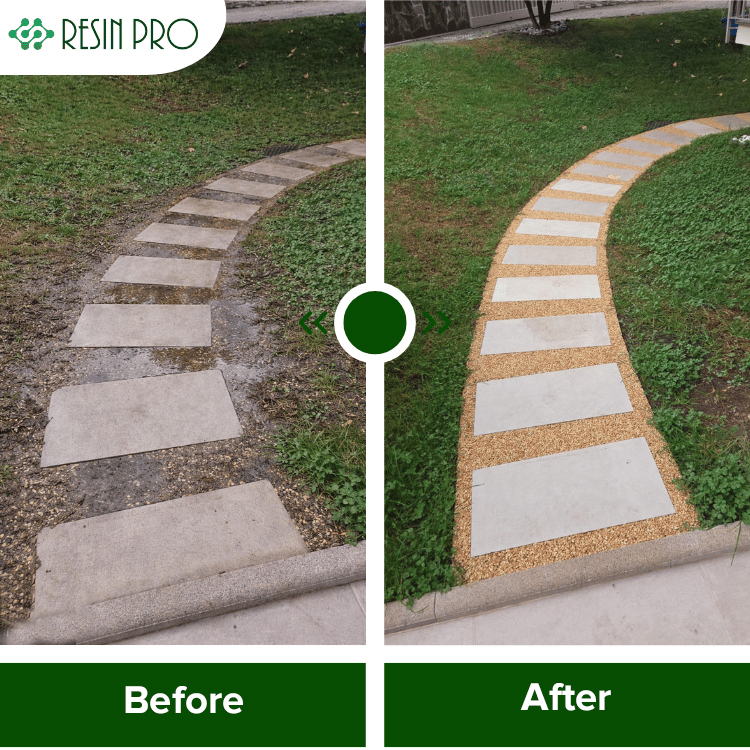
- "Flowstone" – Complete Permeable Floor Kit with Pebbles and ResinPrice range: £49.95 through £3,915.45"Flowstone" is a durable, permeable draining floor kit suited for UK driveways and patios, offering custom colours and simple application.
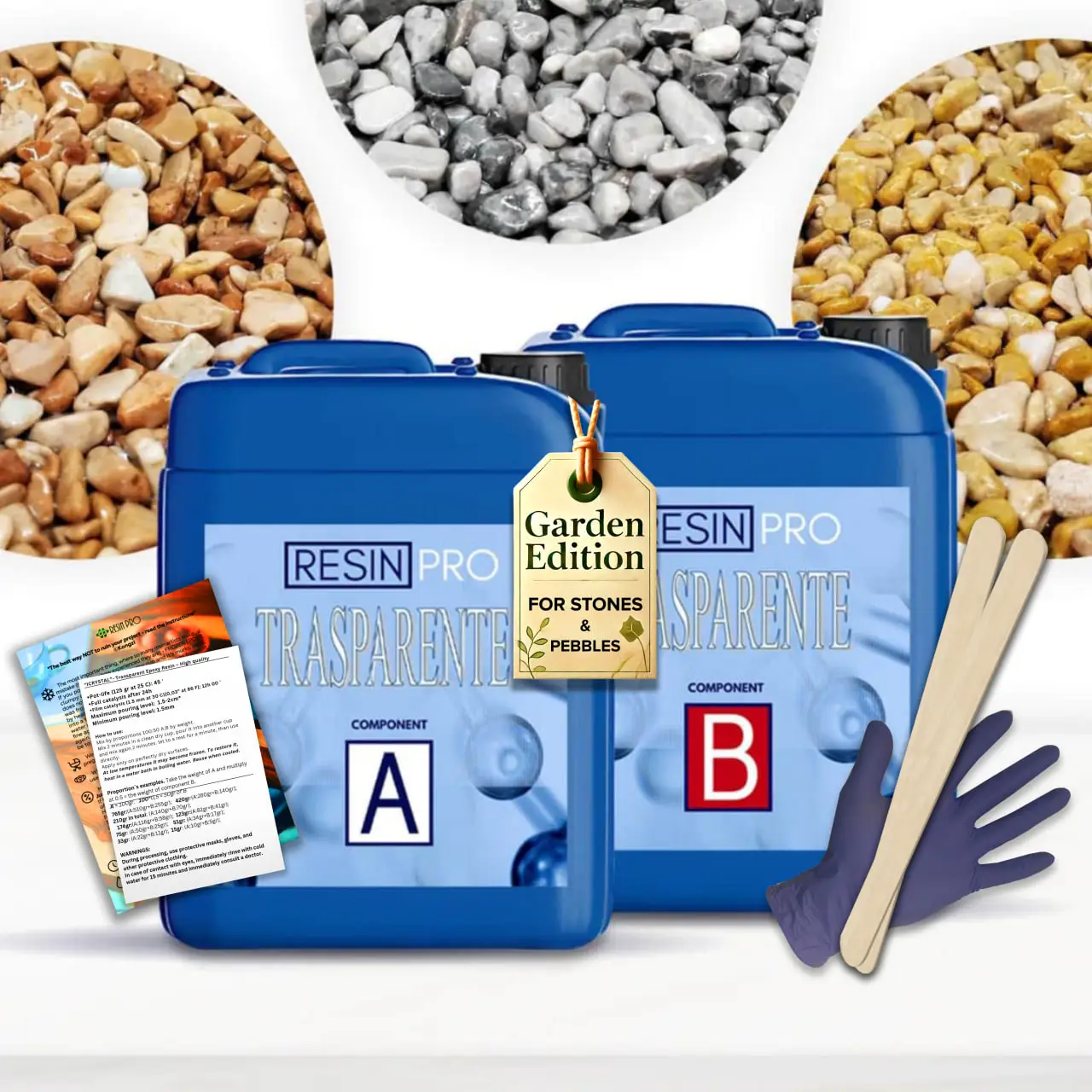 "Trasparente" – Epoxy Binder for Coloured Pebbles and GritsPrice range: £33.45 through £397.95"Trasparente" is a transparent epoxy binder for coloured pebbles and grits, designed to provide clear, UV-resistant finishes suitable for flooring…
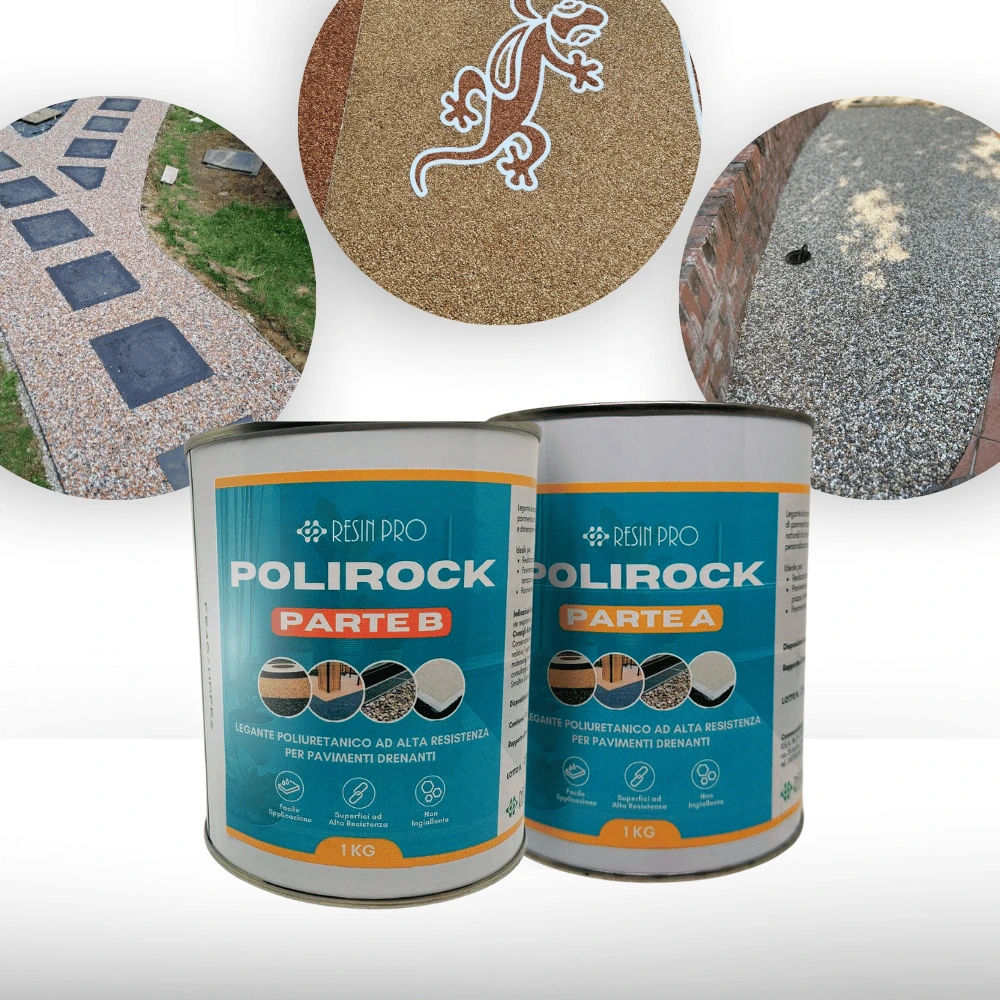 "Polirock" – Polyurethane Binder for White Stones, 2kg Two-Component Kit£61.95Polirock is a two-component polyurethane binder designed for durable, weather-resistant outdoor white stone surfaces.
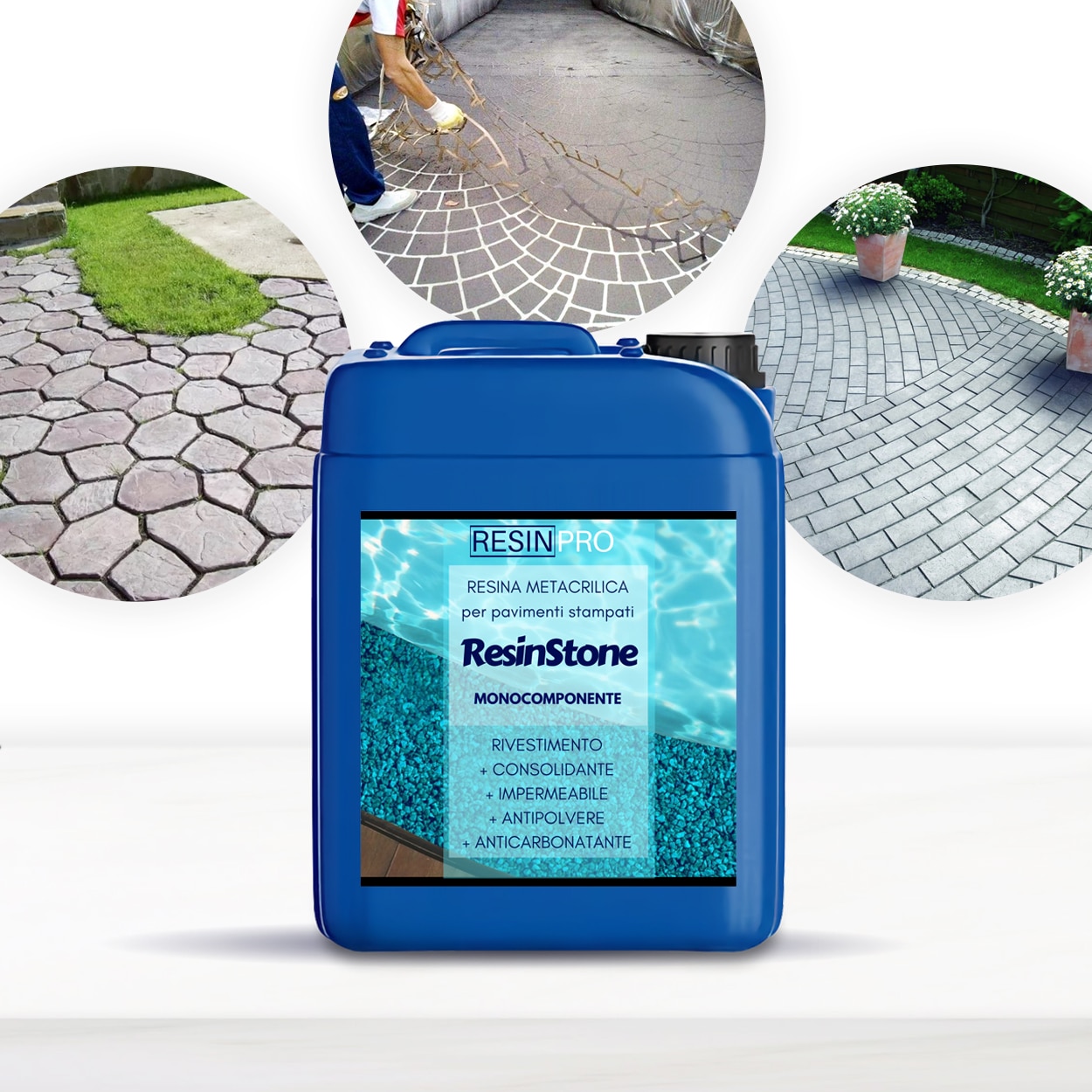 "Resinstone" – One-Component Methacrylic Resin for Concrete Floors and DrivewaysPrice range: £36.71 through £336.48A one-component methacrylic resin suitable for sealing and protecting concrete floors and driveways with durable and breathable protection.
Frequently Asked Questions
What is a permeable floor for pool areas?
A permeable floor allows rainwater and pool water to drain through, reducing puddles and slip hazards around your pool.
How do resin surfaces compare with masonry for pools?
Resin offers better drainage, a custom finish, and easier maintenance; masonry is robust but can be more labour-intensive and less slip-resistant.
Which resin product should I use for white vs coloured pebbles?
For white aggregate, use a non-yellowing polyurethane like Polirock; for coloured stones, opt for a low-yellowing epoxy such as Trasparente.
Is resin suitable for high-traffic pool surrounds?
Yes, resin-bound surfaces like Flowstone are durable, weather-resistant, and robust enough for both pedestrian and vehicular areas.
Do resin pool floors require special weather conditions for installation?
Yes, avoid applying resin in extreme cold, heat, or high humidity to ensure proper curing and adhesion.
Does resin stain or yellow from pool chemicals?
High-quality polyurethane resins resist most pool chemicals and UV light, staying clear and bright if the correct system is chosen.
Are resin pool surfaces safe when wet?
Yes, resin systems can be installed with anti-slip topcoats or textures to provide a secure, safe surface even around water.