 Free shipping on orders over £29,85
  Shipping Tracking!


 Google
 Facebook
← Back to Which resin is best for static model making?
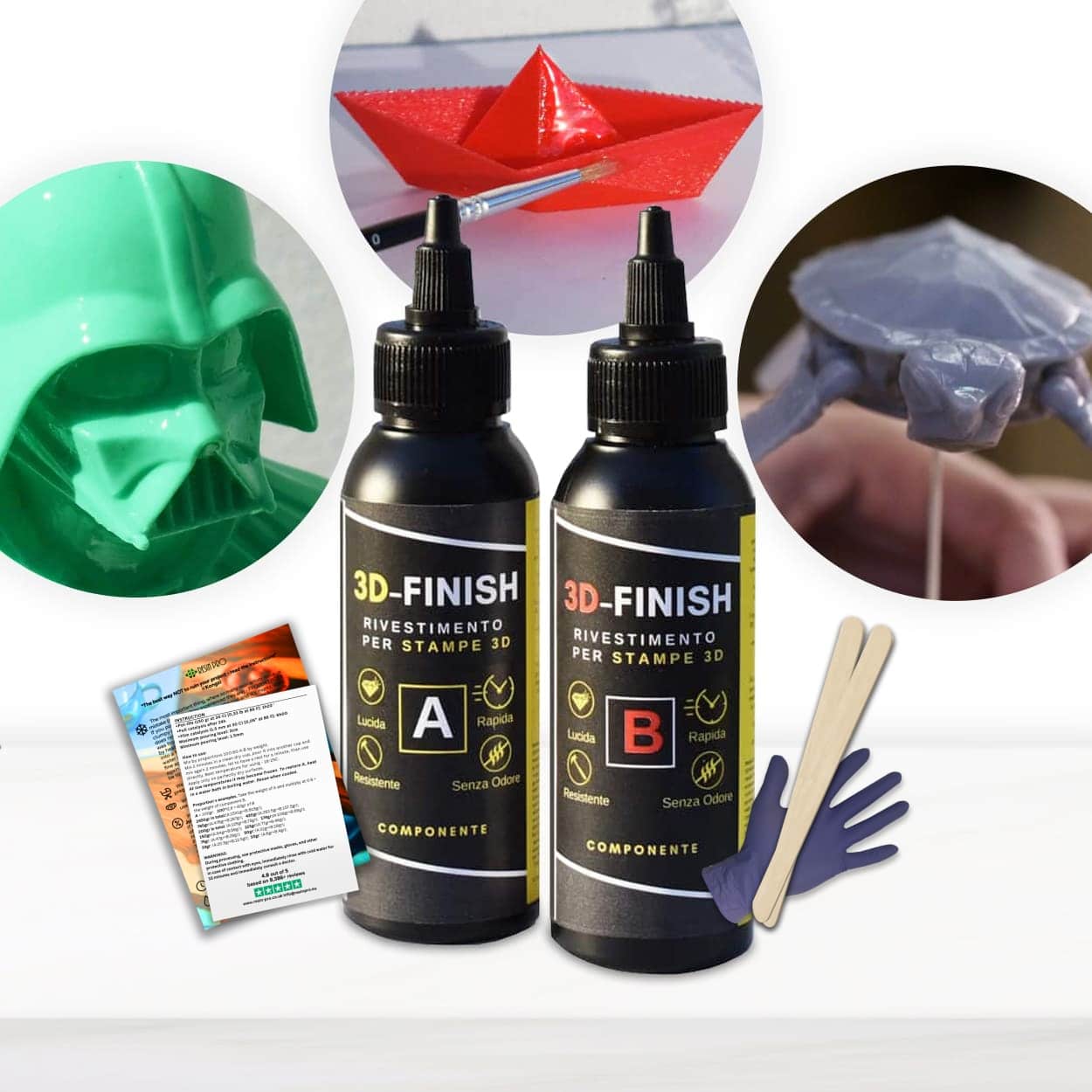
Finishing 3D printed models typically requires addressing visible layer lines to create a refined look ready for display or further decoration. The right resin coating makes all the difference, delivering a smooth, glossy surface that enhances detail and durability.
Choosing a Resin for 3D Print Finishing
The top choice for finishing 3D printed models is a specialised fast-coating epoxy resin, such as 3D Finish Fast Coating Epoxy Resin. This clear, non-drip formula is designed for easy application on PLA, ABS, and LAYWOOD prints, providing a seamless barrier that preserves fine details while filling in layer lines. For crafters preferring a straightforward mixing process, products like the One-2-One Epoxy Resin offer a simple 1:1 ratio by volume and a glossy, clear finish ideal for decorative touches.


Step-by-Step Application Tips
Begin by preparing your 3D print—ensure it’s dry, dust-free, and lightly sanded for best adhesion. Mix your chosen resin according to the recommended ratios for type and temperature. Working with the 3D Finish resin, apply a thin, even coat using a soft brush or spatula, covering all model surfaces. Allow to cure fully, typically ready to handle after four hours at room temperature. The resulting surface can be gently sanded or polished, and it also accepts acrylic paints for extra customisation.
When a Quality Resin Finish Matters
Opting for a dedicated 3D print finishing resin is particularly valuable for static display models, miniatures, or prototypes where visible print lines detract from the visual impact. A proper resin coat not only smooths surfaces but also adds durability and improves paint adhesion for long-term presentation.

Related products
Related guides
Choosing the right finishing resin transforms 3D printed models into professional-quality displays. To explore more about suitable resins for static model making, visit our detailed guide.