 Free shipping on orders over £29,85
  Shipping Tracking!


 Google
 Facebook
← Back to Which resin is best for prototype moulds?

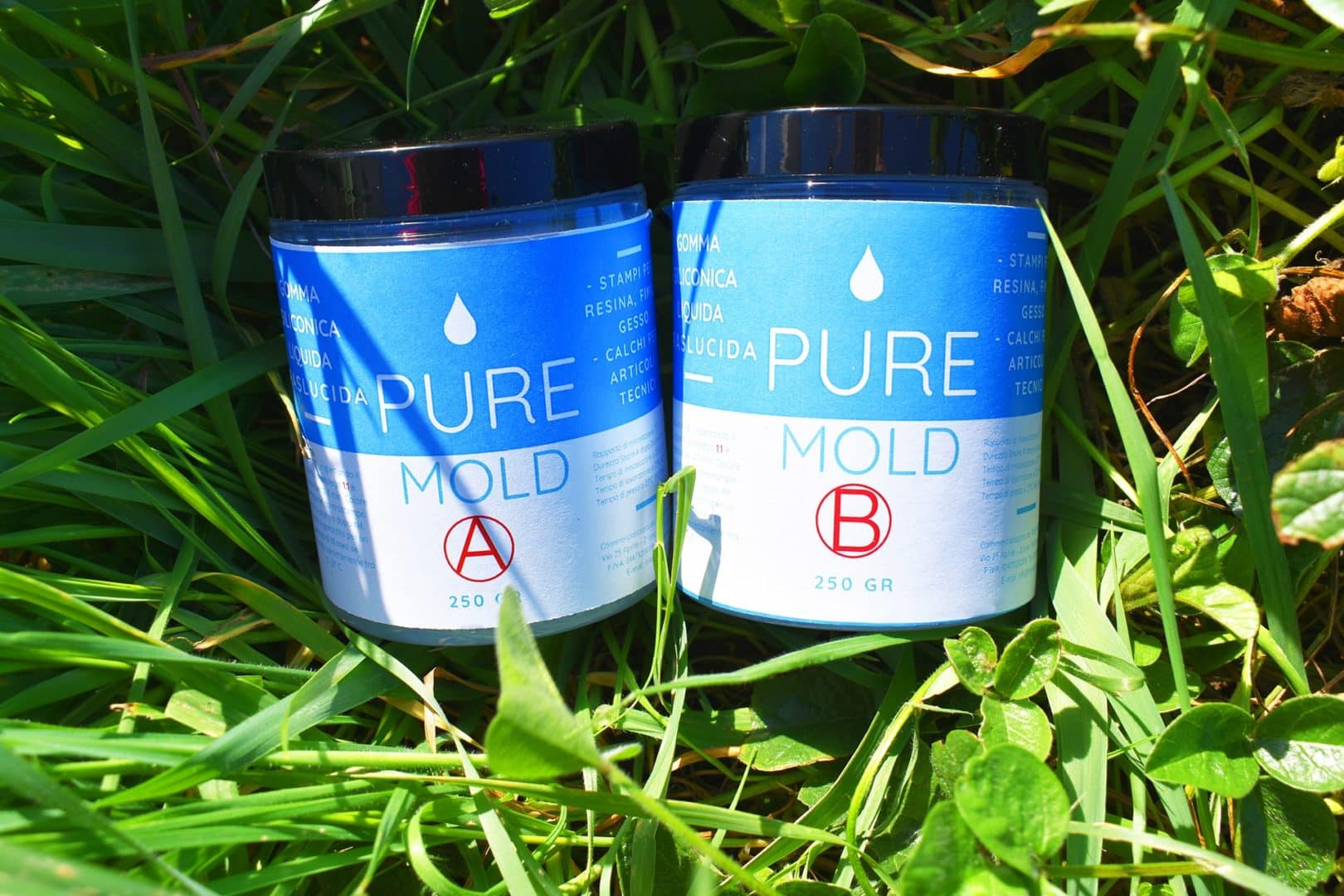
Shrinkage can result in inaccuracies and lost detail when working with silicone rubber for mould making. Managing this issue is essential for achieving reliable and consistent moulds, especially for prototypes and intricate designs.
Choose a Low-Shrinkage Silicone Rubber
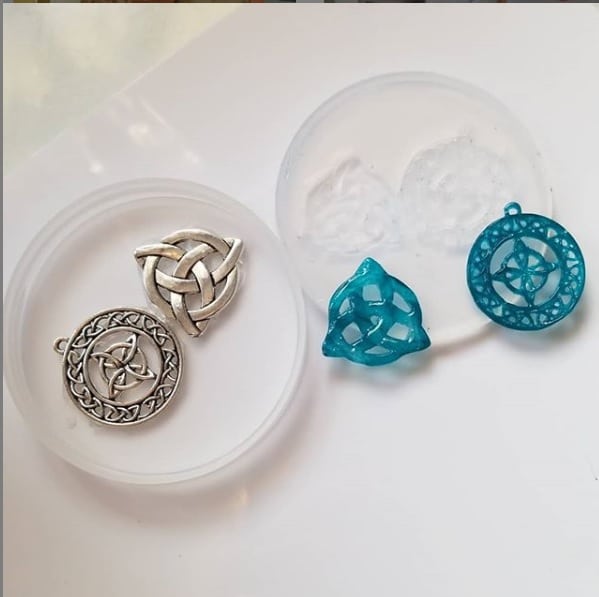
The foundation of reducing shrinkage lies in selecting a silicone with minimal contraction during curing. Pure Mould is designed to deliver low shrinkage, making it highly suitable for precise, repeatable moulds. Its platinum-based formula and balanced 1:1 mixing ratio help maintain the accuracy of your original model, and it performs well with detailed shapes and undercuts.
Follow Correct Mixing and Curing Procedures
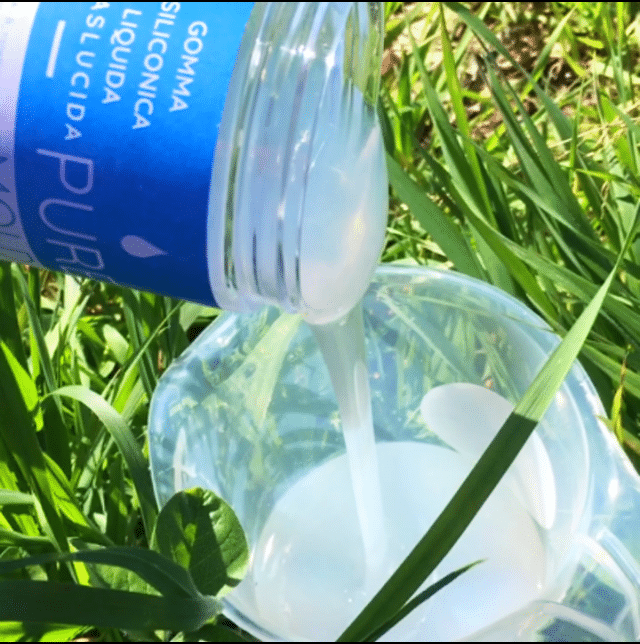
Even with quality materials, the way you mix and cure your silicone rubber affects final results. Always adhere strictly to the manufacturer’s recommended ratios and mixing technique. Ensure the mixture is thoroughly blended for even curing, and avoid introducing air bubbles that may distort the mould. Maintaining recommended room temperature and curing time can significantly reduce unexpected shrinkage or warping as the silicone sets.
When Shrinkage Control is Critical
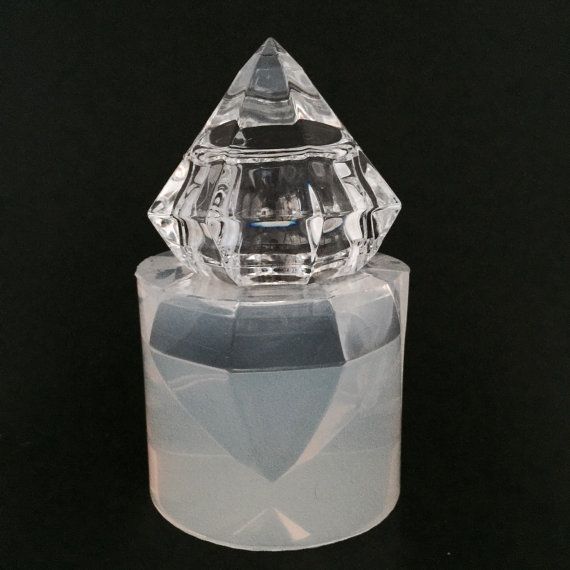
Minimising shrinkage is especially important for prototype moulds, jewellery models, and any project demanding exact replication of originals. Even slight imprecisions may affect fit or performance, so use top-quality silicone and take care at each step of the process when tolerances are tight.
Related products
Related guides
Tackling shrinkage from the outset will help you achieve detailed, repeatable moulds with fewer issues. For more advice on selecting the right silicone for prototype making, explore our main guide on which resin is best for prototype moulds.