 Free shipping on orders over £29,85
  Shipping Tracking!


 Google
 Facebook
Which resin is best for prototype moulds?
Choosing the right resin or silicone for accurate prototype casting
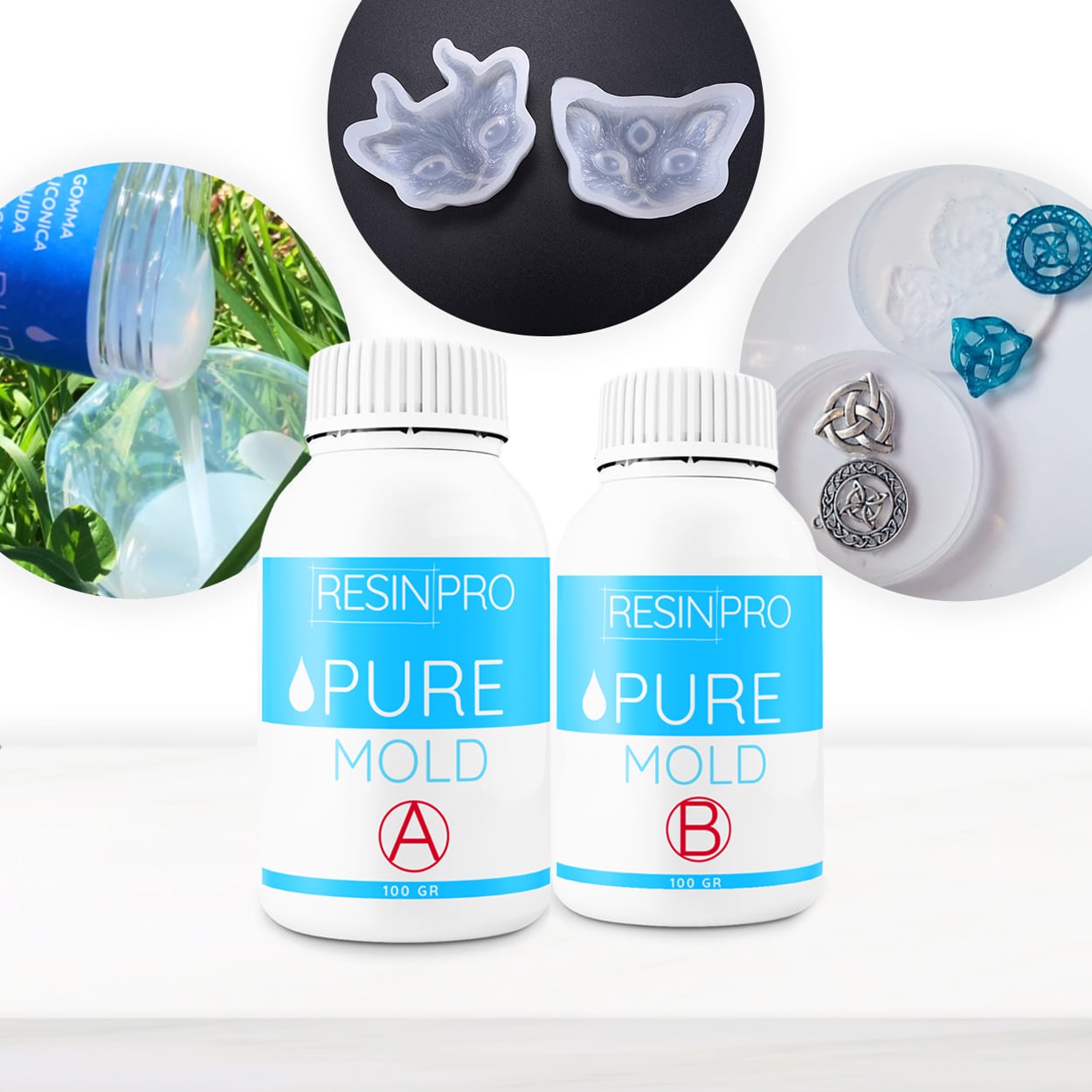
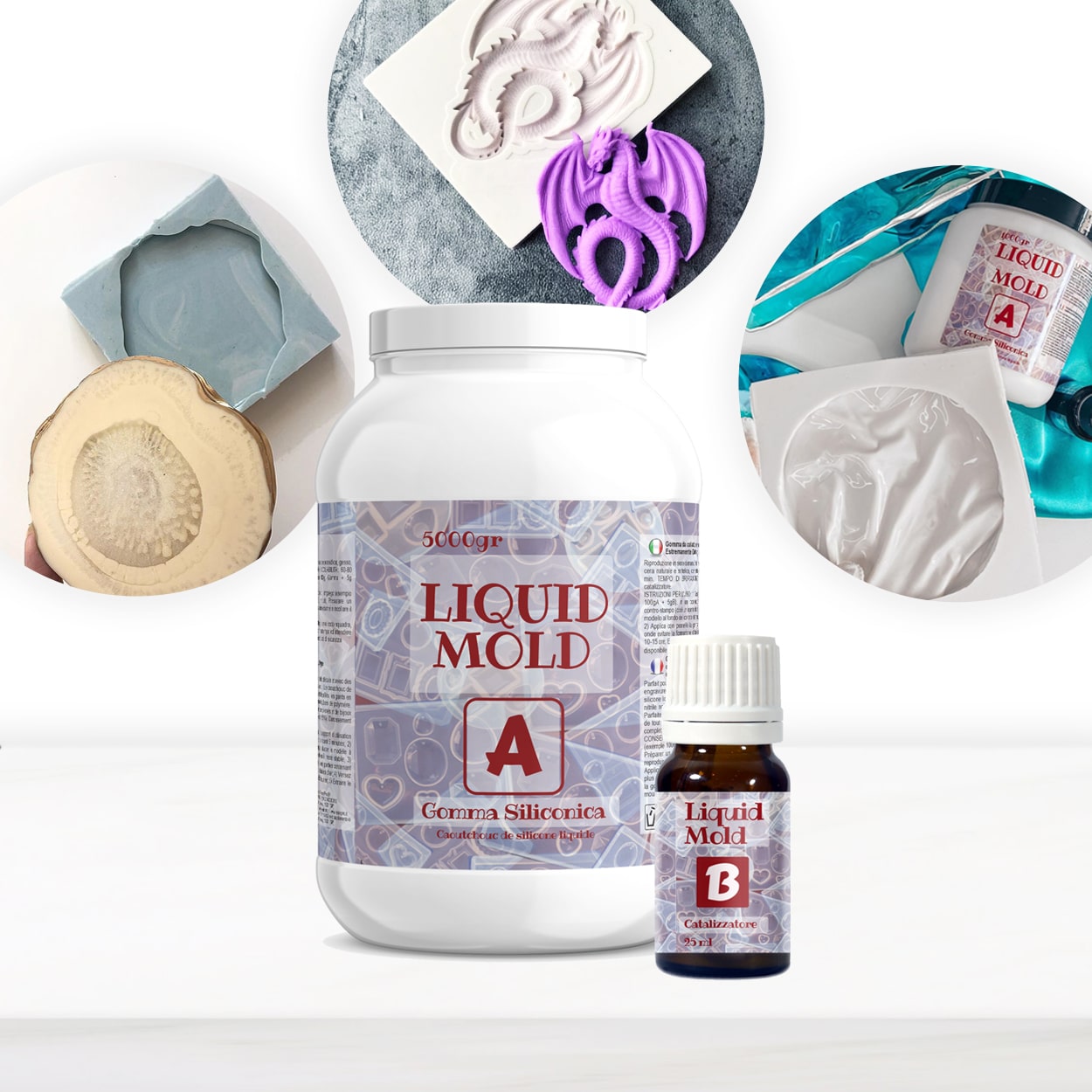
Whether you’re a professional prototype engineer, a creative hobbyist, or an artisan model maker, choosing the right resin or silicone rubber for prototype moulds is essential for precise, reliable casting results. This guide compares top-performing options to help you select the best material for replicating detail, achieving fast turnover, and ensuring lasting durability in all your prototyping projects.
Overview: Comparing Resins and Silicone Rubbers for Prototype Moulds
Prototype mould making demands materials that accurately capture fine details, release easily, and offer durability across multiple uses. Silicone rubbers—both translucent and standard types—excel in mould fabrication for their flexibility and compatibility with various casting materials. In contrast, polyurethane resins are typically used as the casting medium inside these moulds, ideal for rapid prototyping. The critical decision lies between high-detail silicone rubbers for the mould and highly fluid, fast-setting polyurethanes for the cast. Factors to consider include curing time, ease of use, compatibility, and the type of prototype you intend to create.
Silicone or Polyurethane: Which One Should You Use?
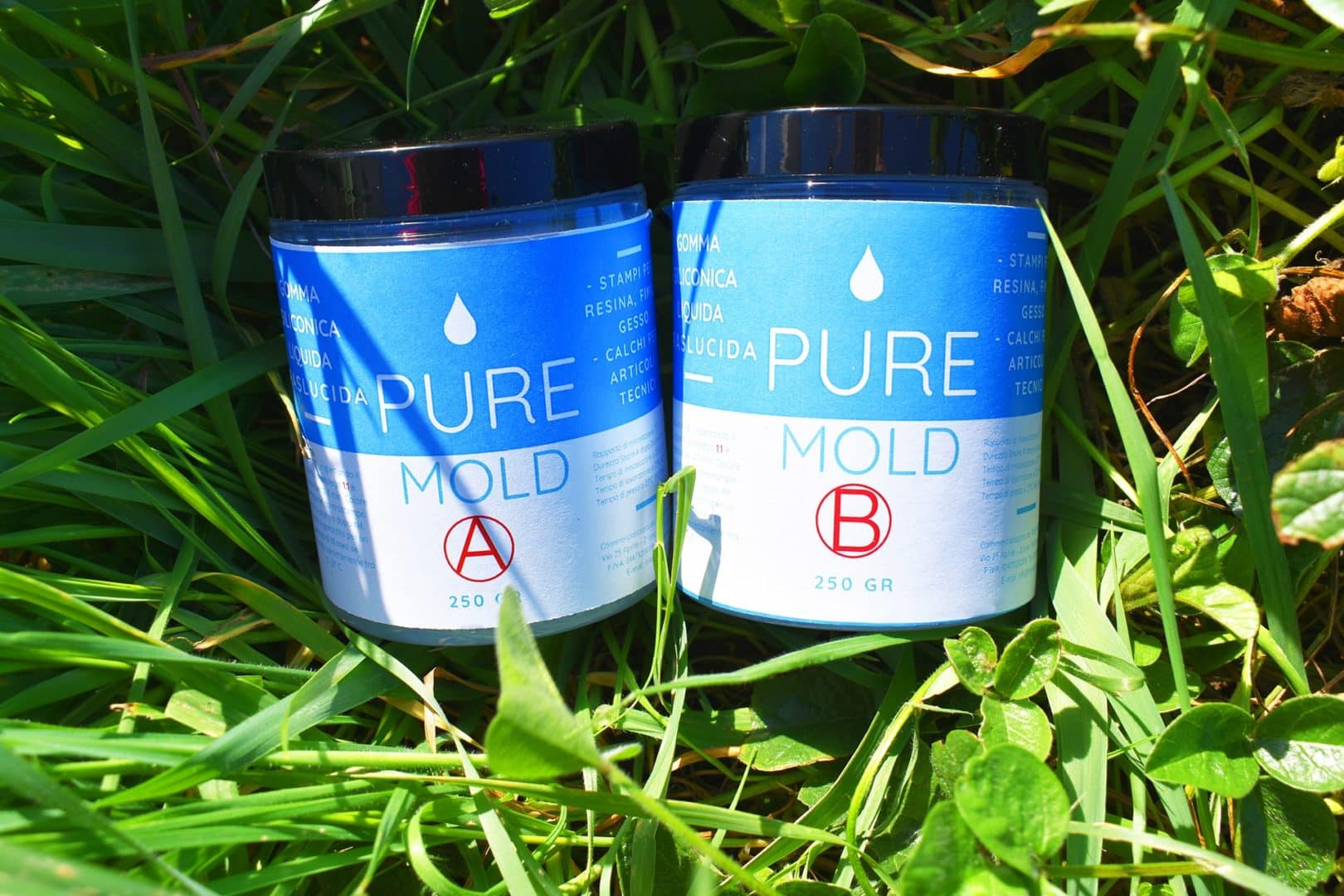
Translucent silicone rubbers like Pure Mould allow visual monitoring during curing, perfect for delicate prototypes. Polyurethane resins are best when rapid casting and fine detail reproduction matter most.
“Pure Mould” – Translucent Liquid Silicone Rubber for Mould Making
Pure Mould sets itself apart with its platinum-based, translucent formulation. This innovative silicone rubber is perfect for moulds requiring both detail and visual access, letting you observe the casting throughout the curing process. With a simple 1:1 mixing ratio and a fast 3–8 hour cure time, it’s suitable for everything from epoxy resin, polyester, acrylics, cements, and plaster to intricate wax prototypes. Its high mechanical properties mean you can count on repeated use with minimal shrinkage and a longer service life—making it ideal for professionals and keen crafters wanting accuracy, durability, and ease.
“Liquid Mould” – Casting Liquid Silicone Rubber, 15 Shores
For prototype moulds demanding exceptional fine detail and durability, Liquid Mould delivers. This bi-component silicone rubber captures every feature, no matter how intricate, and excels in making moulds with pronounced undercuts or complex geometries. It’s ideal for jewellery, model making, and multi-cast production runs, and is compatible with resins, soaps, polymer pastes, and more. Note that it must be catalysed to cure—a necessary step when highest quality and longevity are required in technical or artistic reproductions.
“Polyform” – Polyurethane Casting Resin, Beige, Fast-Setting for Prototyping
Once you’ve created a detailed silicone mould, Polyform polyurethane casting resin is your go-to for filling it. Designed for rapid prototyping and small batch manufacturing, this fast-setting, beige-coloured resin pours smoothly to capture the finest details. With a working time of 5 minutes and demoulding possible after only 30 minutes, it is ideal for quick iterations, model testing, and parts that demand both accuracy and toughness. It suits creative professionals and hobbyists who need high precision, resilience, and speed in their workflow. Note: Polyform is not suitable for colouring with dyes and should not be used below 8–10°C.
“IWhite” – Polyurethane Casting Resin – White, Fast-Curing Two-Part System
IWhite offers a fast-curing, highly fluid polyurethane resin that excels in rapid model making and finely detailed prototype replicas. With only a 30-minute cure time and the ability to be coloured or painted before or after curing, it’s a favourite for artists and professionals needing white or custom-finish prototypes. Its two-part formula ensures ease of mixing and consistent results, while its ability to capture elaborate features makes it perfectly suited for small, precise prototype runs and creative projects requiring a durable, clean-white finish.
Key Considerations for Prototype Mould Making
When selecting the ideal resin or silicone for prototype moulds, consider whether translucency is important for your project, the curing speed you require, and the compatibility with your casting or modelling materials. Silicone rubbers from our Silicone Rubbers and silicon rubbers ranges provide flexibility and easy demoulding, while polyurethane resins from the 3D models product category or Gift Ideas and Promotions give you speed and strong, fine-detail casts. Always check the mixing ratios, ensure proper catalyst addition when needed, and use appropriate PPE for polyurethane systems. For professional results and efficient prototyping, matching the right mould material with the right casting resin is essential.
Tips for Accurate Prototype Mould Results
Always follow recommended mixing ratios for each product. For silicone rubbers, ensure even mixing and proper catalyst addition. Polyurethane resins require prompt, careful handling—work quickly and use gloves for safety.
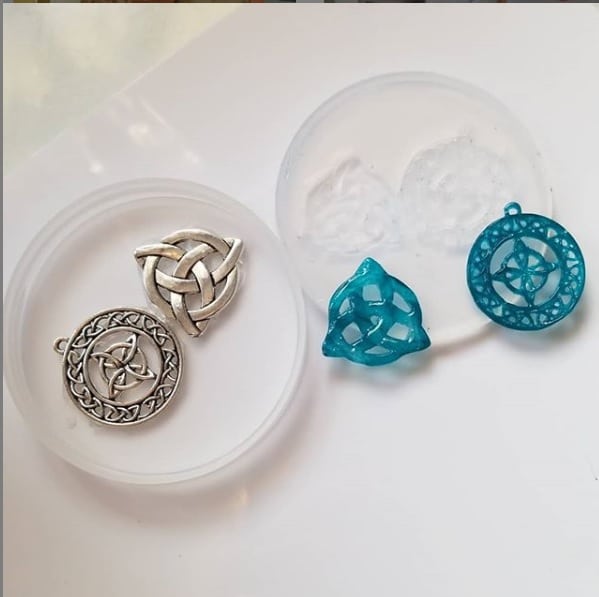
- "Pure Mould" – Translucent Liquid Silicone Rubber for Mould MakingPrice range: £23.95 through £166.95"Pure Mould" is a translucent, fast-casting liquid silicone rubber designed for mould making compatible with various materials.
- "Liquid Mould" – Casting Liquid Silicone Rubber, 15 Shores 20.8 kg£348.85"Liquid Mould" – Casting Liquid Silicone Rubber is suitable for making detailed moulds for small objects and fine features.
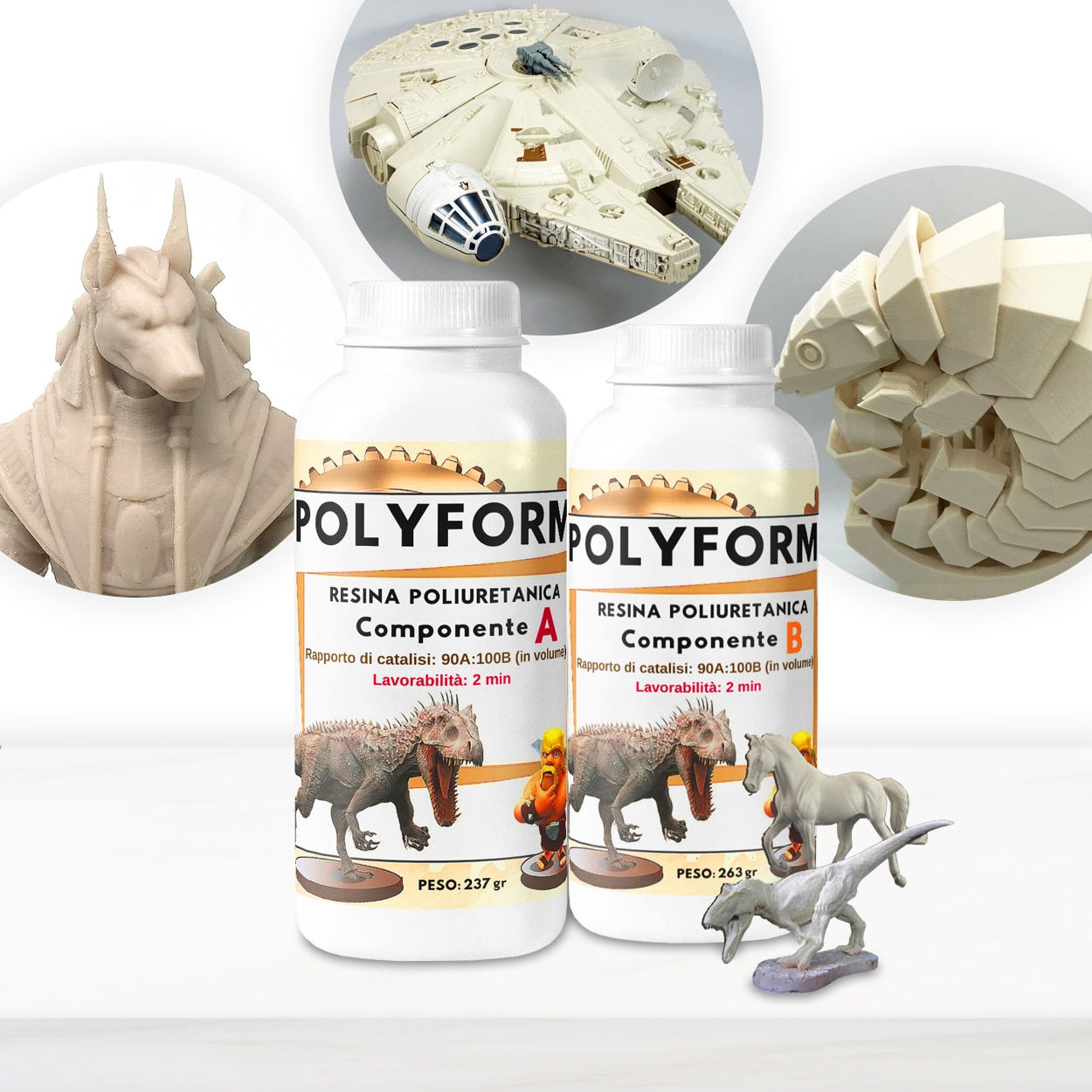 “Polyform” – Polyurethane Casting Resin, Beige, Fast-Setting for PrototypingPrice range: £15.95 through £141.95Polyform is a beige polyurethane casting resin designed for rapid prototyping and detailed castings in a fast-setting formulation.
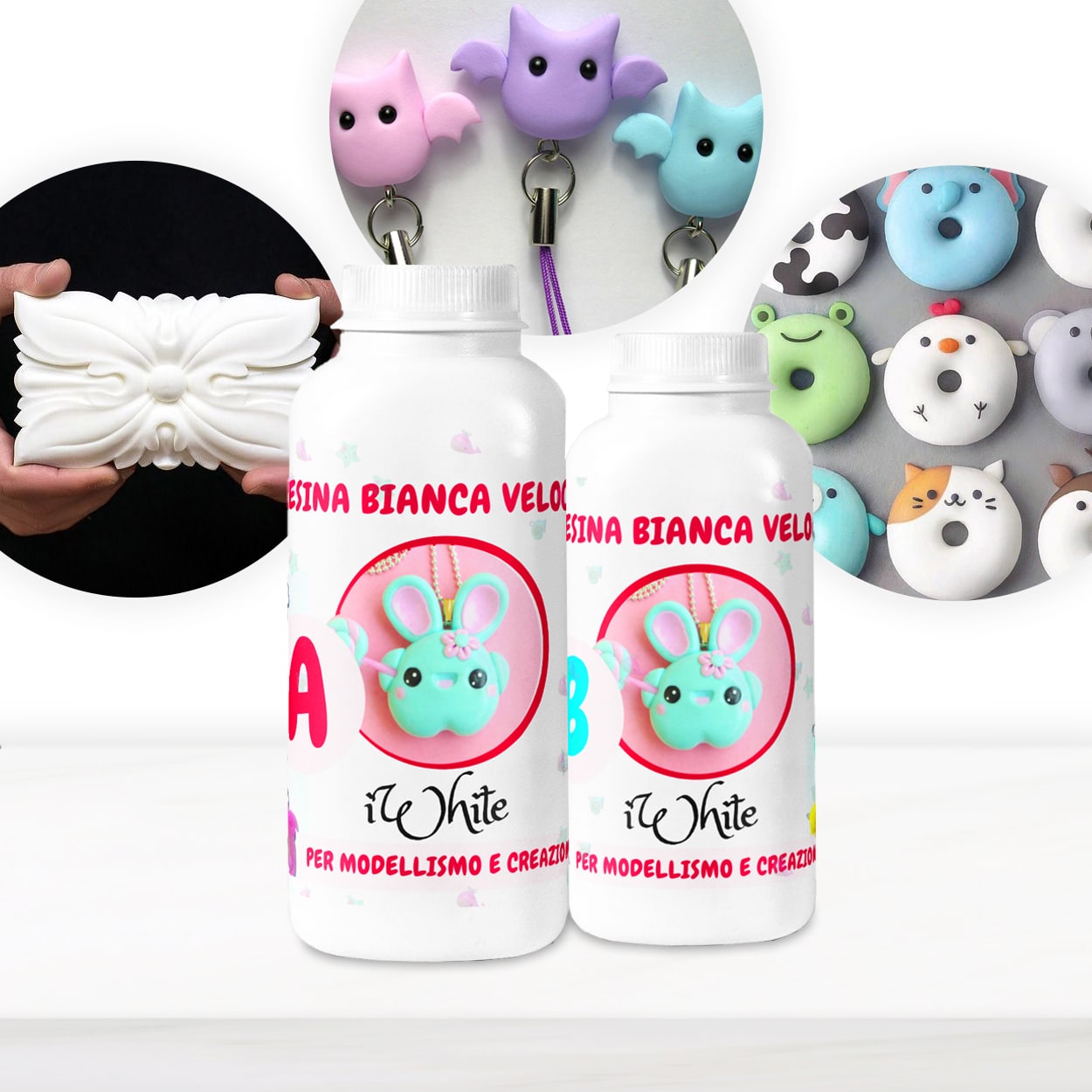 “IWhite” – Polyurethane Casting Resin – White, Fast-Curing Two-Part SystemPrice range: £24.00 through £36.95IWHITE is a fast-curing, fluid polyurethane resin suitable for prototype moulds and detailed casting in rapid projects.
Frequently Asked Questions
Can I use the same resin for making the mould and the casting?
No, most prototype projects use silicone rubber for the mould and polyurethane resin for the cast to ensure detail and easy demoulding.
What should I consider for achieving fine detail and mould reusability?
Choose a high-quality silicone rubber for the mould and follow the correct mixing and curing guidelines to retain detail and enable multiple casts.
What is the main difference between Pure Mould and Liquid Mould silicone rubbers?
Pure Mould is translucent and fast-curing, ideal for monitoring, while Liquid Mould is suited for ultra-fine detail and complex shapes.
Can I add colour or pigments to Polyform or IWhite polyurethane casting resins?
IWhite can be coloured or painted, but Polyform is beige and not intended for use with dyes or pigments.
Which resin is best if I need quick prototyping and fast turnover?
Polyform and IWhite both cure rapidly and are ideal for fast, high-detail prototype casting.
How do I minimise shrinkage when using silicone rubber for moulds?
Use a low-shrinkage product like Pure Mould and ensure you carefully follow cure time and mixing ratios.
Is the Pure Mould silicone rubber suitable for wax injection and resin 3D printing applications?
Yes, Pure Mould is recommended for these uses, with minimal shrinkage except in large pieces.