 Free shipping on orders over £29,85
  Shipping Tracking!


 Google
 Facebook
Which resin should be used: epoxy, urethane, or polyurethane?
Understand the differences and find which resin suits your project best
Choosing between epoxy, urethane, and polyurethane resins can be confusing, especially when each offers unique strengths for different projects. This page is designed to help DIY enthusiasts, artists, and professionals understand the main differences between these three types of resin, making your selection process clear and straightforward, whether you’re planning decorative coatings, structural castings, floor installations, or rapid prototyping.
Resin Comparisons: Epoxy vs Urethane vs Polyurethane
The core differences between epoxy, urethane, and polyurethane resins lie in their chemical structure and resulting performance. Epoxy resins are widely valued for their superior clarity, adhesion, and resistance to yellowing, making them ideal for art, coating, and deep cast applications. Urethane (polyurethane) resins, on the other hand, are chosen for their rapid curing, flexibility, and robust wear resistance—qualities prized in prototyping and floor finishes. Each resin type is naturally suited to specific use cases, driven by factors such as curing speed, finished appearance, water resistance, and handling requirements.
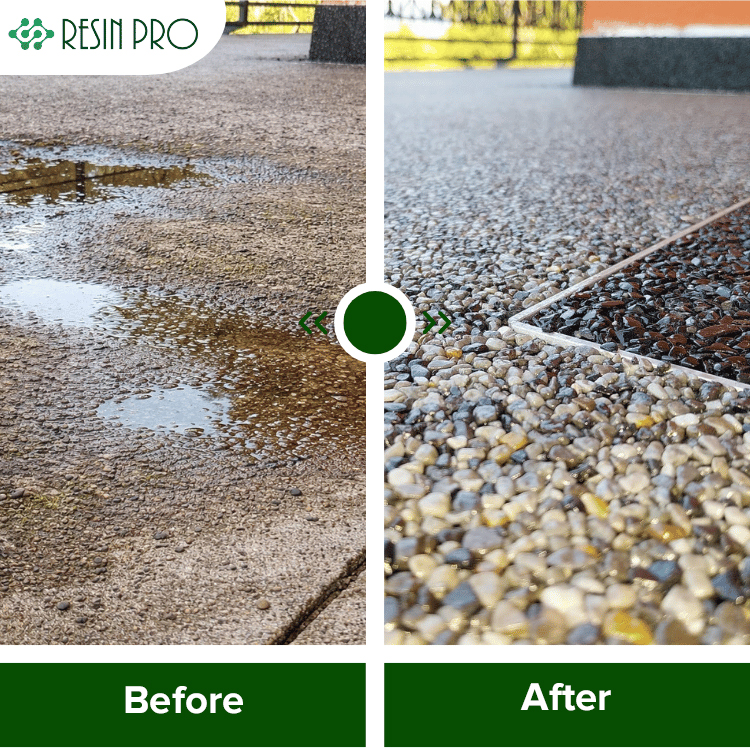
Visual Comparison in Real Projects
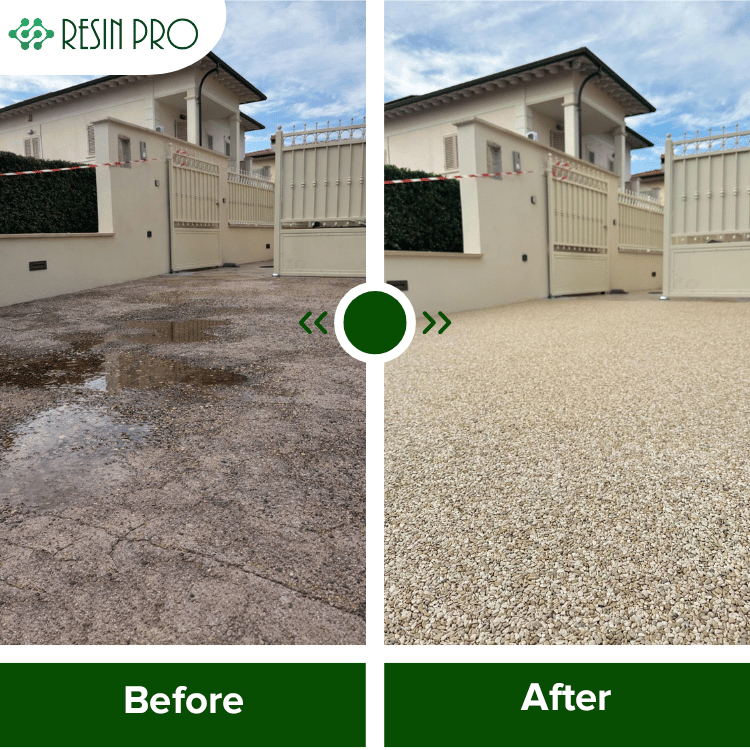
See how clarity, colour retention, and surface texture differ between epoxy, urethane, and polyurethane in both artistic and flooring applications. Side-by-side visuals of finished projects highlight how resin choice impacts the final look and durability.
“Flowstone” – Permeable Flooring: Polyurethane vs Epoxy Binder
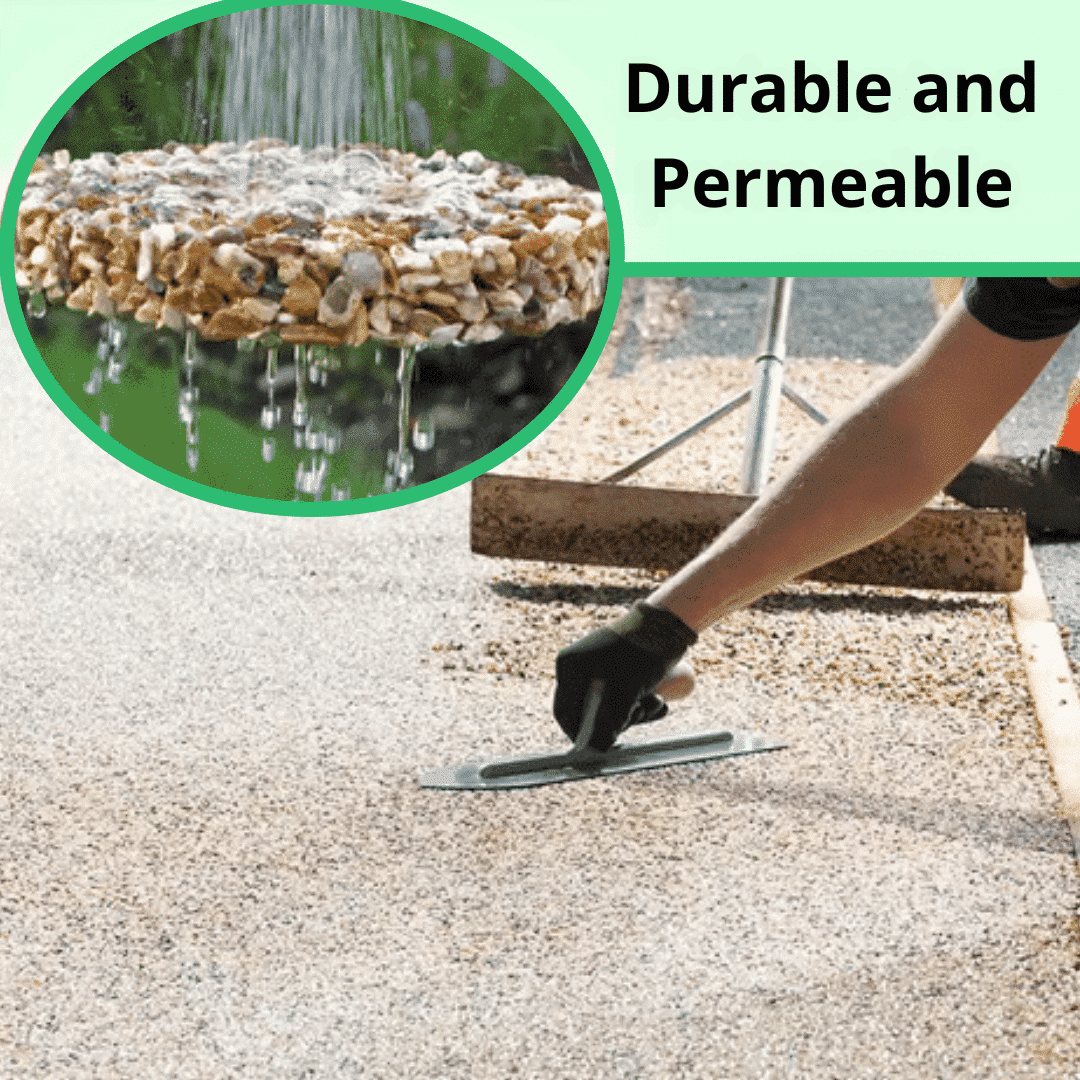
If you’re looking to upgrade your driveway, footpath, or patio to a durable decorative surface, “Flowstone” – Complete Permeable Floor Kit with Pebbles and Resin offers a practical showcase of resin selection. Polyurethane resin is recommended for white aggregates due to its non-yellowing properties, preserving the brightness of the stones. For coloured stones, a special low-yellowing epoxy binder is used to maintain intense, rich colours over time. This kit guides you through choosing the right binder based on aggregate colour for lasting integrity and optimal drainage in UK weather conditions.
Epoxy Resins for Art and Surface Coating
For those seeking superior clarity and protection for their craftwork, “Art Pro” – Clear Epoxy Resin for Artists and Surface Coating stands out as a prime example of why epoxy is the material of choice for artists. Its exceptional clarity delivers a glass-like, high-gloss finish that’s perfect for coasters, trays, and intricate pours. With a durable, scratch-resistant surface and built-in UV filters, epoxy is perfect for surfaces that require excellent transparency and protection against discolouration, unlike most urethanes or polyurethanes which often lack this degree of clarity and UV stability.
Deep Pour Casting: Epoxy for Maximum Thickness
When it comes to creating river tables or deep castings, only certain resins can handle thick pours without overheating or losing clarity. “Epoxytable 10-Ten” – Deep Pour Epoxy Resin for Tables, Up to 10cm Casting is formulated for super-deep projects, supporting pour depths up to 10cm in a single layer. Unlike polyurethane systems, which tend to set rapidly and struggle with thick castings, this epoxy offers a low exothermic reaction, strong UV resistance, and a super low viscosity to ensure a bubble-free, crystal-clear result every time.
Prototyping: Polyurethane for Speed and Fine Detail
For rapid prototyping, model making, or small-batch production, Polyform – Polyurethane Casting Resin – Beige demonstrates the advantages of polyurethane resin. Its fast setting properties (curing in as little as 5 minutes) and high fluidity make it ideal for complex silicone moulds and achieving sharp detail. Polyurethane is also favoured for its durable, non-toxic once cured, finish with high wear resistance—a feature not typically associated with epoxies in similar use cases. However, it’s less suitable where ultra-clear or UV-stable outputs are needed.
Project-Specific Tips for Choosing Resins
To select the right resin, consider what your project needs most: clarity, depth, speed, or wear resistance. Epoxy is generally best for art, deep castings, and surfaces requiring crystal clarity and UV stability. Polyurethane shines in rapid prototyping and when flexibility or speed is essential. For floors, check the exact aggregate or finish type; polyurethane resins may be required for certain light or white finishes. Always follow manufacturer guidance for mixing ratios and temperature limits to avoid curing issues or unwanted discolouration.
Technical Demonstrations and Surface Close-ups
Get a closer look at resin curing results, testing for scratch resistance, bubble formation, and colour stability. These demonstrations show how each resin type performs under real-world use, helping you select the right option for your needs.
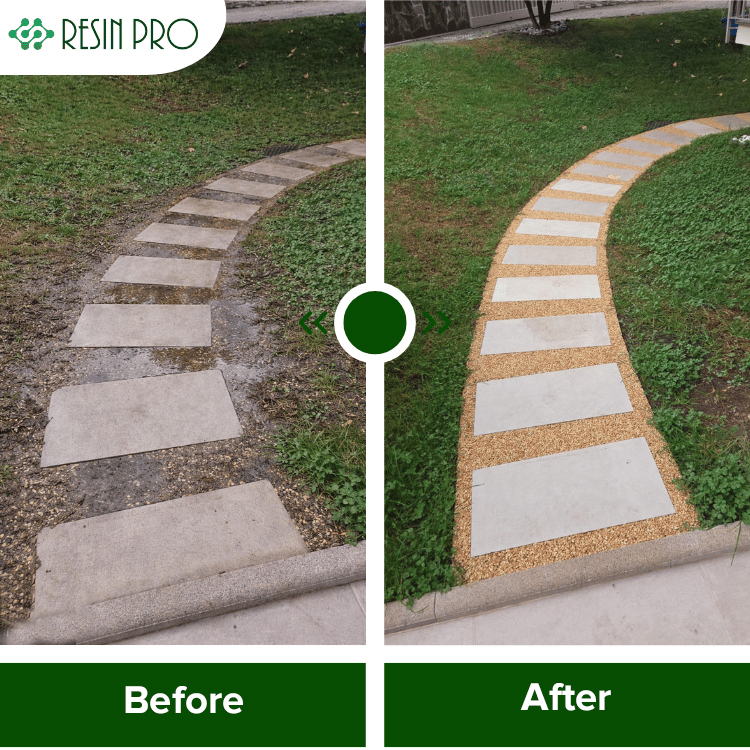
- "Flowstone" – Complete Permeable Floor Kit with Pebbles and ResinPrice range: £49.95 through £3,915.45"Flowstone" kit provides a permeable pebble and resin flooring solution suited for UK outdoor spaces with simple application and colour-specific…
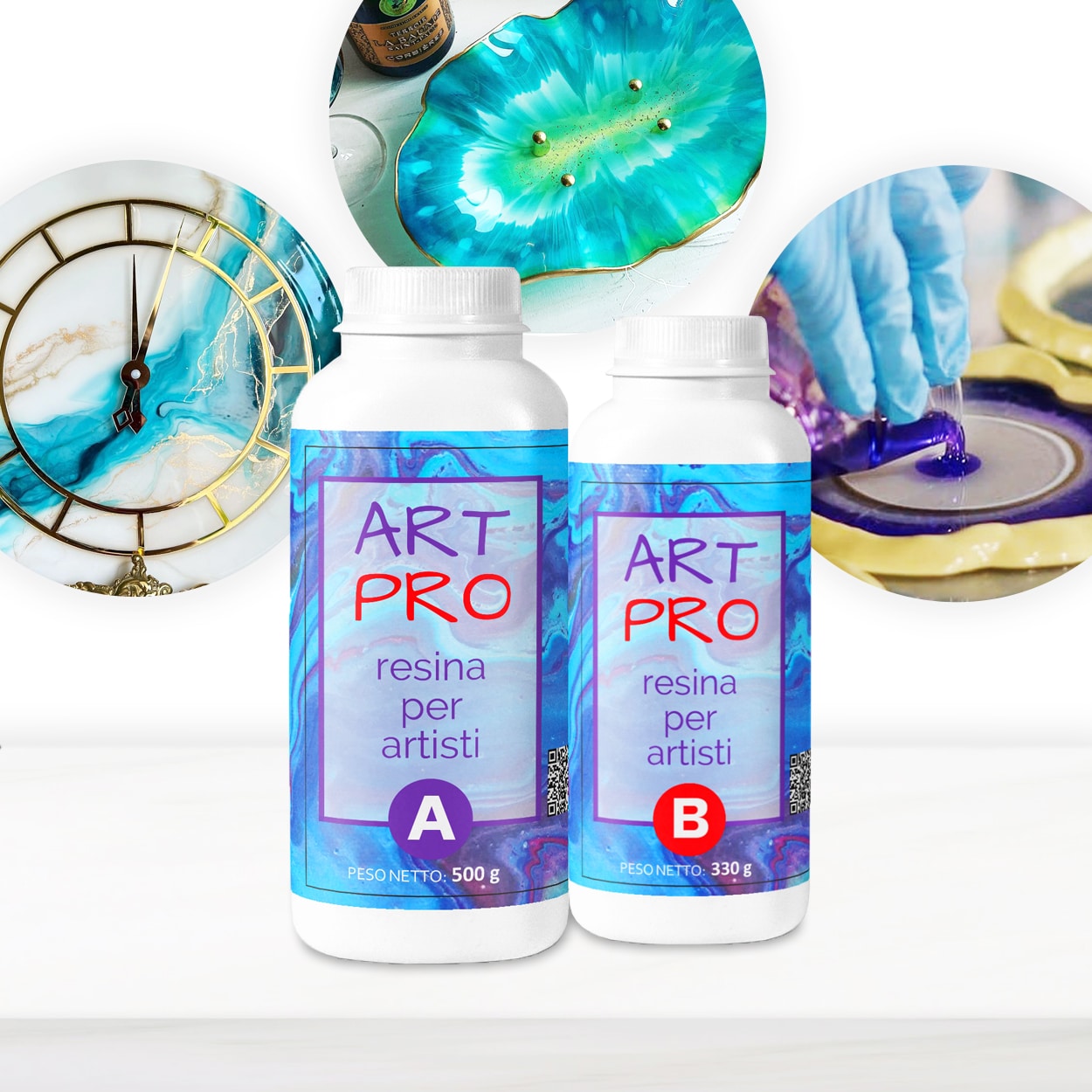 "Art Pro" – Clear Epoxy Resin for Artists and Surface CoatingPrice range: £19.95 through £267.95"Art Pro" clear epoxy resin is suitable for artists and crafters seeking durable, transparent finishes with UV protection for decorative surfaces.
 “Epoxytable 10-Ten” – Deep Pour Epoxy Resin for Tables, Up to 10cm CastingPrice range: £35.95 through £351.95Epoxy resin designed for super-deep pouring up to 10cm, suitable for tables and artistic projects without rapid curing.
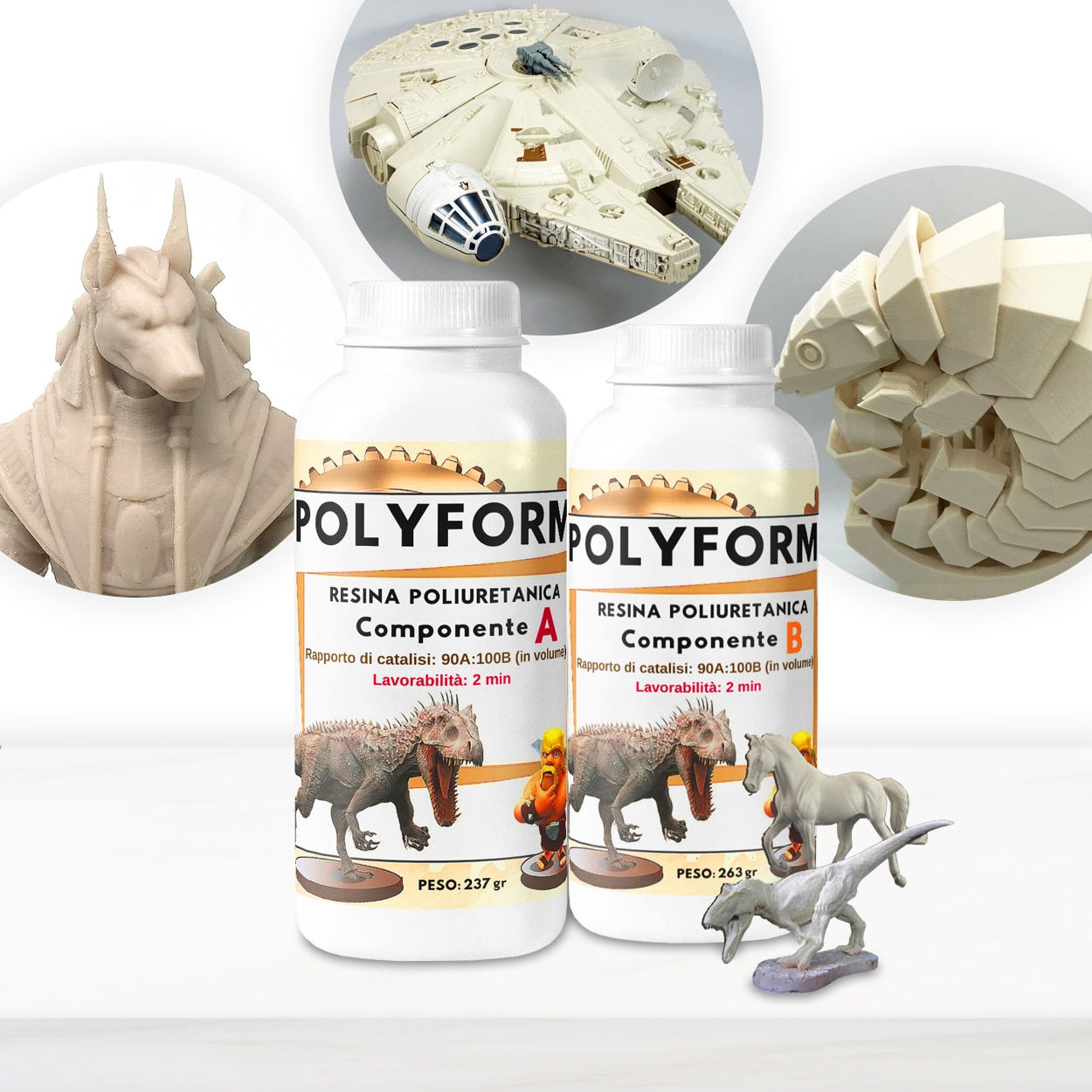 “Polyform” – Polyurethane Casting Resin, Beige, Fast-Setting for PrototypingPrice range: £15.95 through £141.95Polyform is a polyurethane resin suitable for prototyping and small batch production, offering fast setting and detailed castings.
Frequently Asked Questions
Should I use epoxy or polyurethane binder for a white pebble floor?
Polyurethane binder is recommended for white aggregates to prevent yellowing and maintain brightness.
What's the main difference between epoxy and polyurethane for casting?
Epoxy is better for thick, clear, UV-resistant casts, while polyurethane cures rapidly and is ideal for detailed prototyping.
Which resin should I use for deep pour river tables?
A specialised deep pour epoxy resin such as Epoxytable 10-Ten is most suitable for thick, transparent castings.
Which resin is best for surface coating art projects?
A clear epoxy resin like Art Pro is ideal for artistic coatings requiring high-gloss clarity and scratch resistance.
Why choose polyurethane resin for prototyping?
Polyurethane cures much faster than epoxy providing quick turnaround, with high detail for moulded parts.
Can I add colour pigments to polyurethane resin?
Polyform casting resin is not suitable for colouring with dyes due to its solid beige appearance.