 Free shipping on orders over £29,85
  Shipping Tracking!


 Google
 Facebook
← Back to How to Make Resin Casts
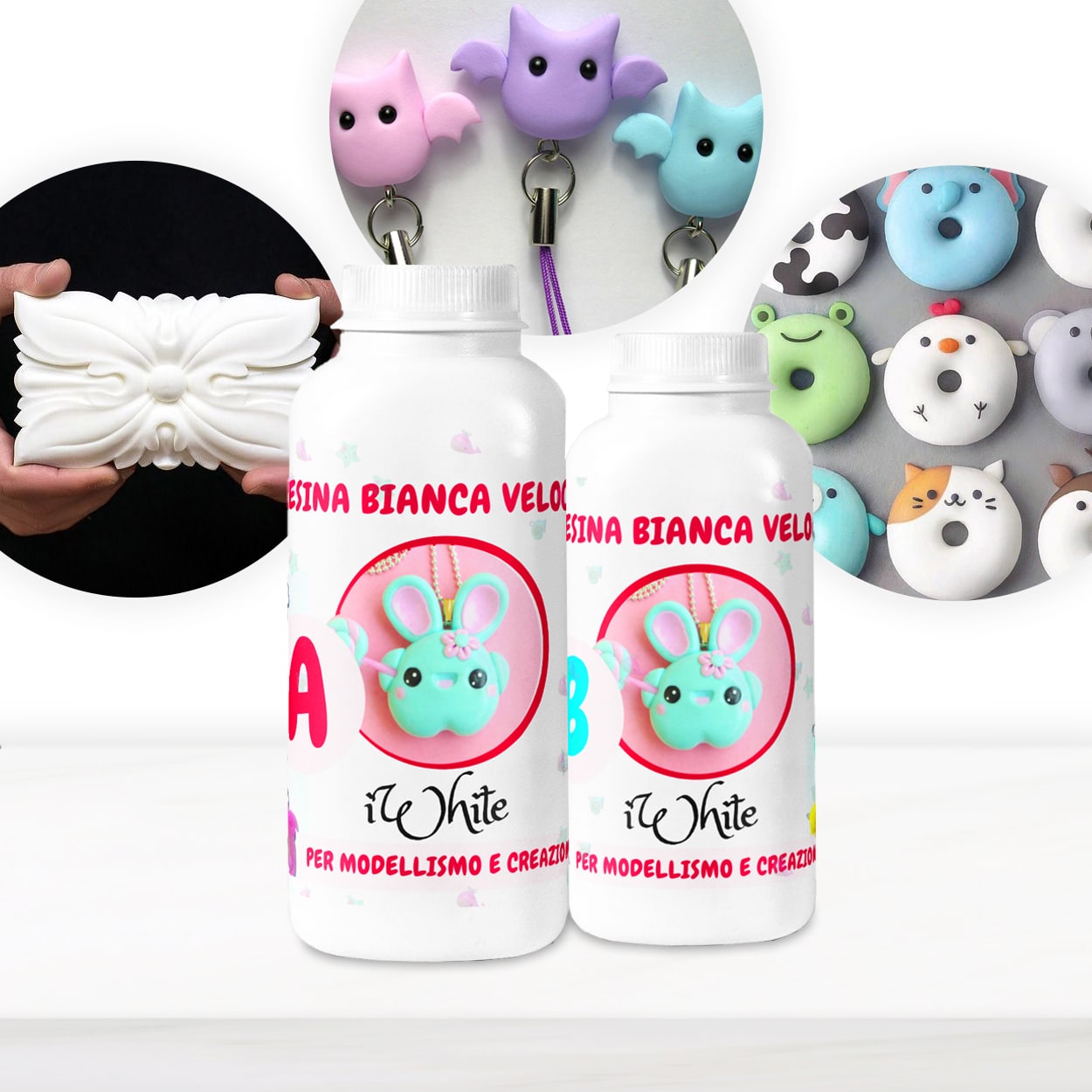
Choosing between polyurethane and epoxy resin for casting projects depends on the specific result you want to achieve. Let’s compare their main strengths to help you decide.
Key Differences Between Polyurethane and Epoxy
Polyurethane resin is ideal when you need fast results, high detail, and an opaque finish. It cures rapidly—some varieties harden in just 30 minutes—and is fluid enough to fill intricate moulds with minimal bubbles. Polyurethane is perfect for prototyping, model-making, and creative crafts that call for sharp detail and quicker turnaround time.
Epoxy resin stands out for its glossy, clear finish. It is slower to cure but excels in projects requiring transparency, such as decorative or artistic castings, and can be poured in thicker layers (up to 2cm or more, depending on the product). Epoxy offers a hard, durable finish that is well-suited for embedded keepsakes, tabletop inlays, and similar applications.
Choosing the Right Resin for Your Project
- If you want to produce detailed, fast-setting, opaque items (like custom figures, models, or craft parts), a polyurethane resin such as “IWhite” – Polyurethane Casting Resin is a top choice.
- For projects where clarity is key—such as artwork, jewellery, or embedding objects in transparent castings—opt for a clear epoxy like “Trasparente” – Multipurpose Clear Epoxy Resin.
- Remember to match your mould material for best results. For precision casting, a silicone such as “Pure Mould” – Translucent Liquid Silicone Rubber is compatible with both polyurethanes and epoxies.
When This Matters Most
Your choice between polyurethane and epoxy resins is especially important for professional model makers, crafters needing quick turnaround, and anyone seeking either the highest transparency or fine detail in their cast pieces. It’s also crucial when working with thick pours, as not all resins are suitable for large volumes.
Related products
Related guides
By considering how polyurethane and epoxy resins behave, you can select the best option for your next casting project. Explore the full “How to Make Resin Casts” hub for step-by-step techniques and more casting essentials.