 Free shipping on orders over £29,85
  Shipping Tracking!


 Google
 Facebook
← Back to What is the lifespan of strong cation resin used in water softeners?
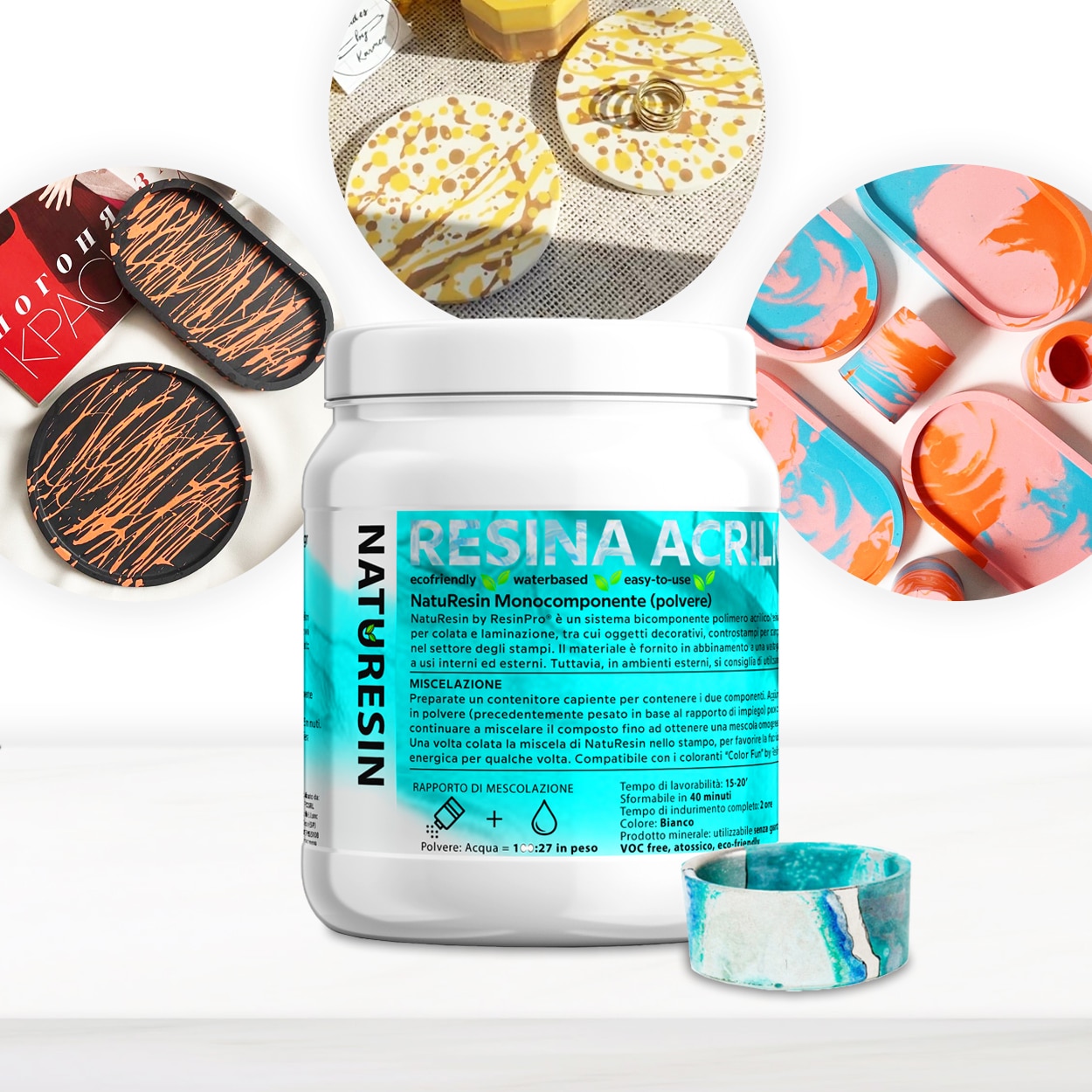
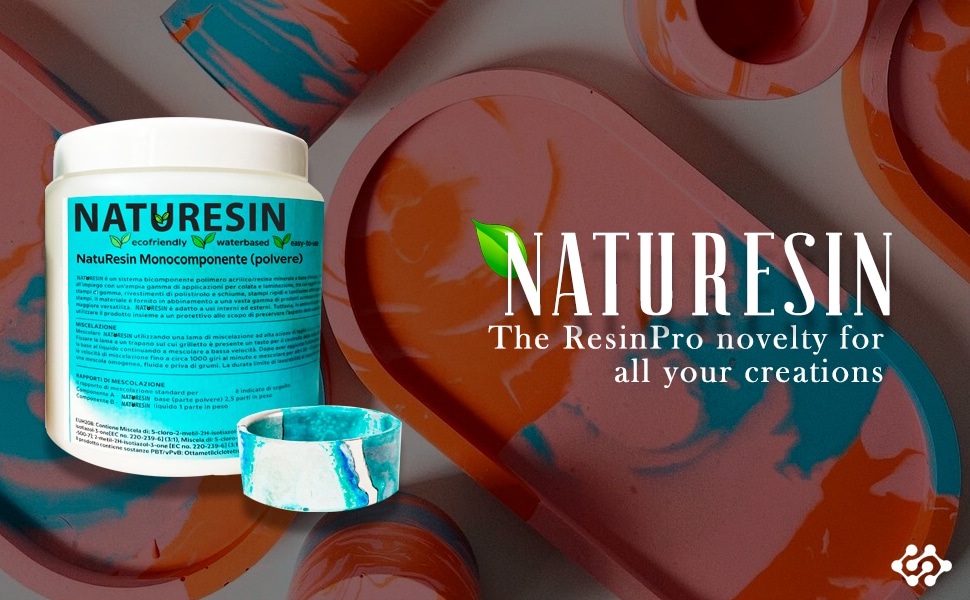
Understanding the difference in lifespan between mineral resin and epoxy resin can help artists, crafters, and makers choose the right material for their projects. Each resin type offers unique properties that influence how long finished pieces maintain their appearance and performance.
Epoxy Resin: Long-Lasting Clarity
Epoxy resins are widely favoured for their ability to retain clarity and structure over extended periods, especially in decorative and functional art. Products like Liquidissima epoxy resin hold up well against yellowing and feature a durable, glass-like finish. With proper mixing and curing, these resins are resilient to minor impacts and daily wear—ideal for jewellery, tabletops, or larger castings where visual longevity matters.
Mineral Resin: Eco-Friendly and Easy to Use
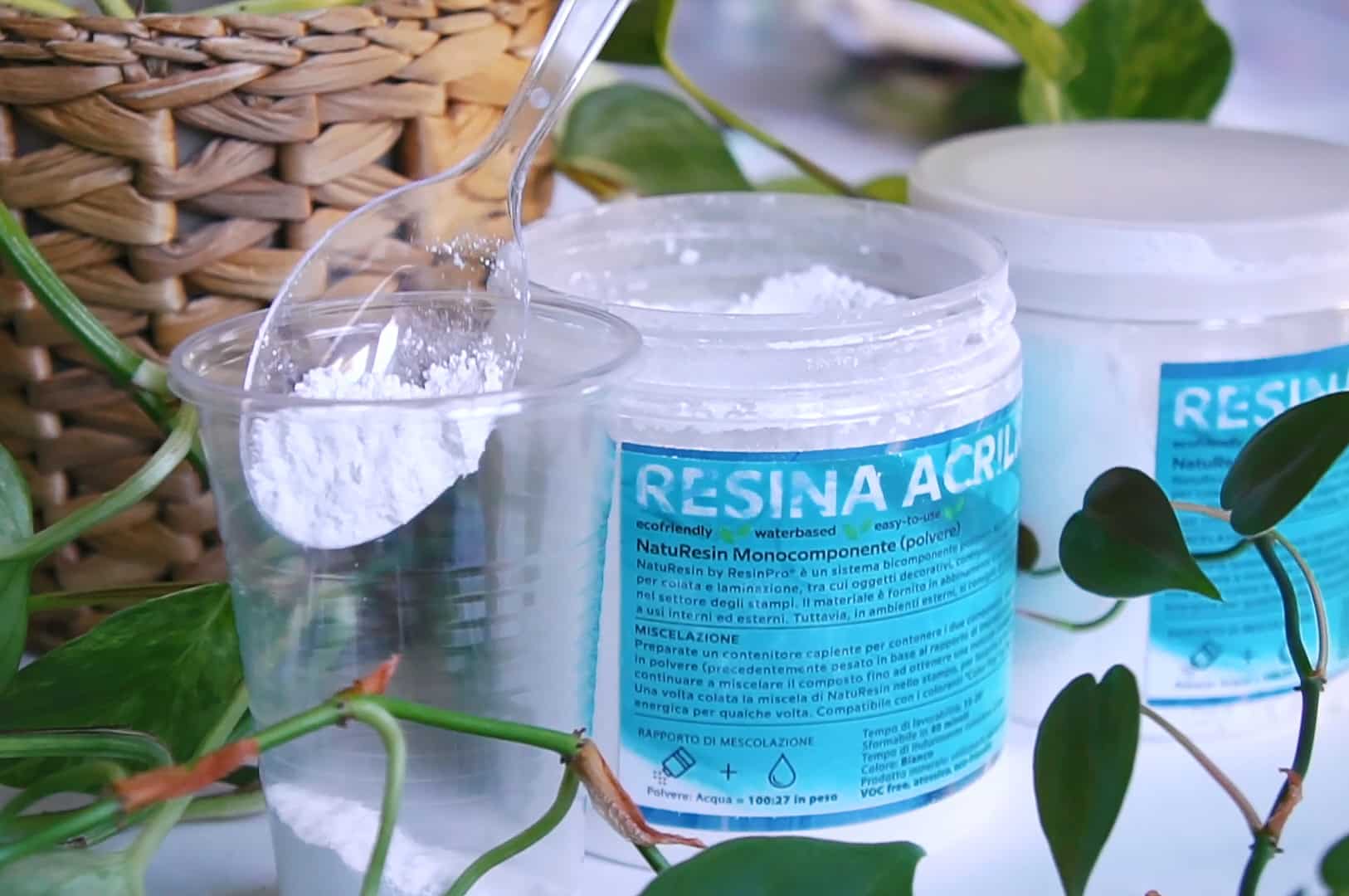
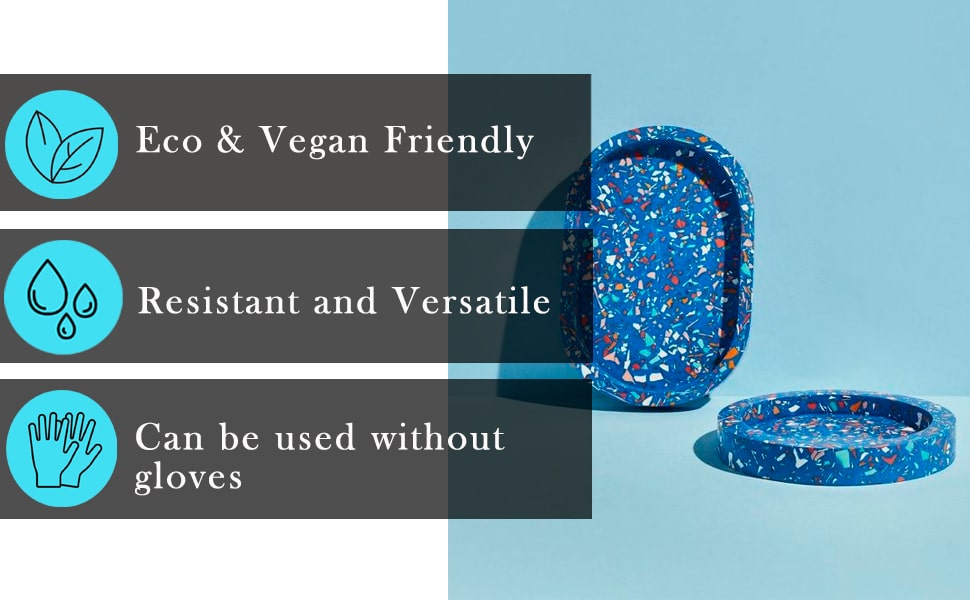
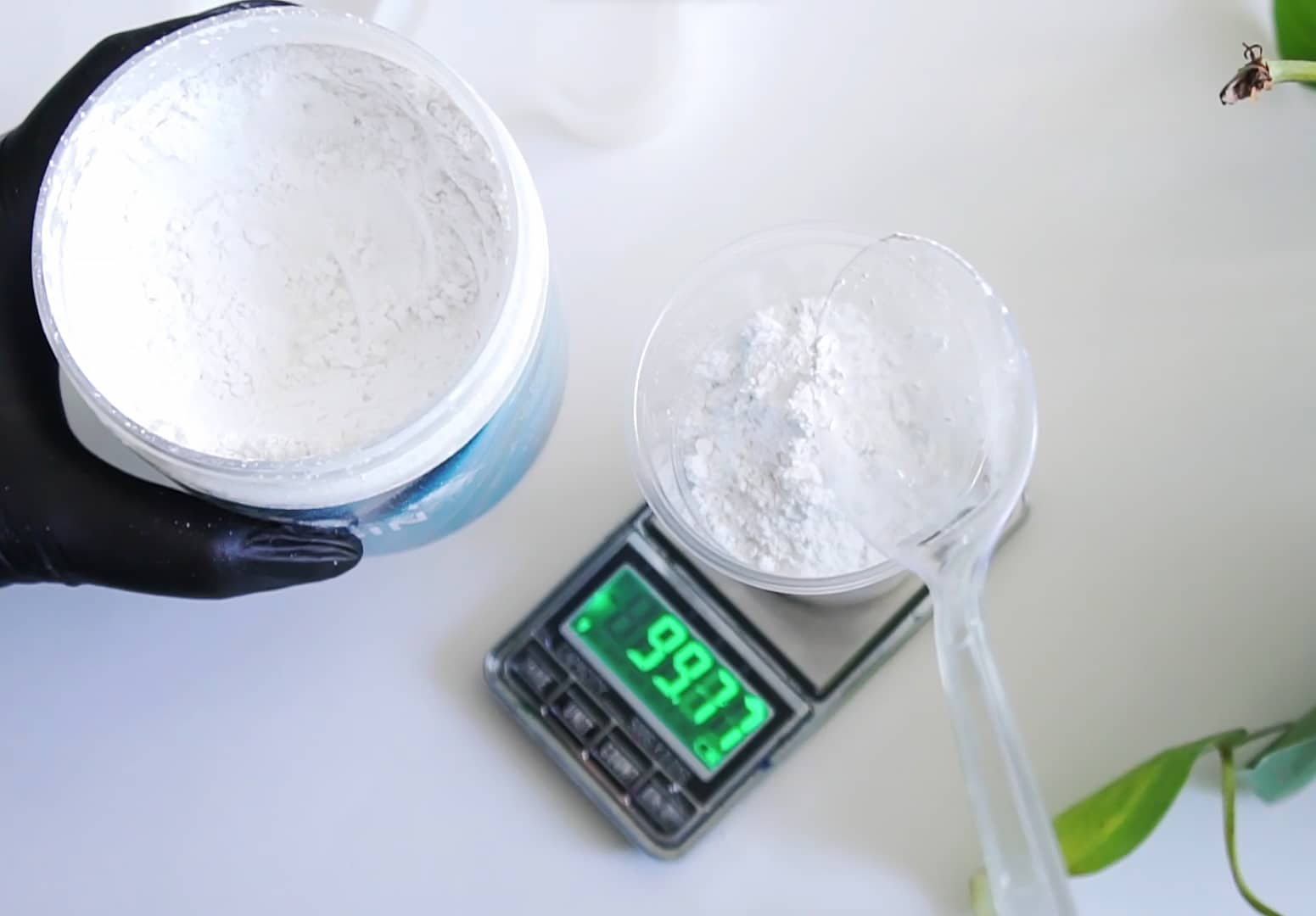
Mineral resins, like NatuResin, are celebrated for their eco-conscious formulas and straightforward application. While typically used for creative projects such as trays, flower pots, or coasters, mineral resin provides a ceramic-like hardness suitable for decorative purposes. Though lifespans may not surpass high-grade epoxies in demanding conditions, mineral resin offers a practical, safe alternative for crafts prioritising sustainability and simplicity.
When Lifespan Matters Most
- Jewellery and display pieces: Epoxy resin’s clarity and lasting shine are particularly valuable.
- Eco-conscious crafting: Mineral resin’s low toxicity and easy clean-up suit classrooms, small studios, and home use.
- Outdoor or heavy-use items: Consider the likelihood of exposure to sunlight, water, or knocks when selecting your resin.
Related products
Related guides
Choosing between mineral and epoxy resin depends on the desired balance of longevity, environmental impact, and creative potential. For more advice on resin types and their performance, see our main page about water softener resins and related materials.