 Free shipping on orders over £29,85
  Shipping Tracking!


 Google
 Facebook
← Back to How much resin do I need for 70 sq m?
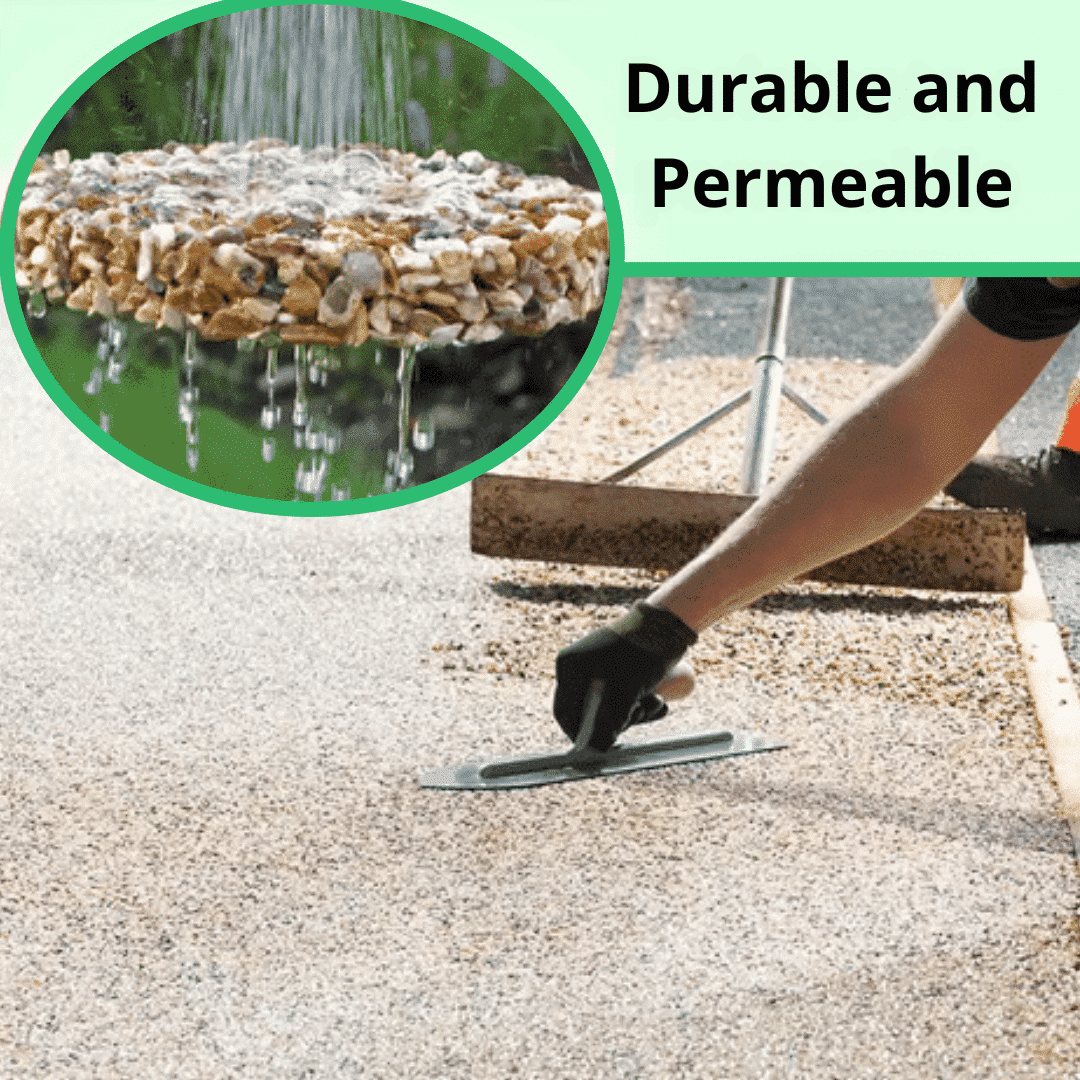
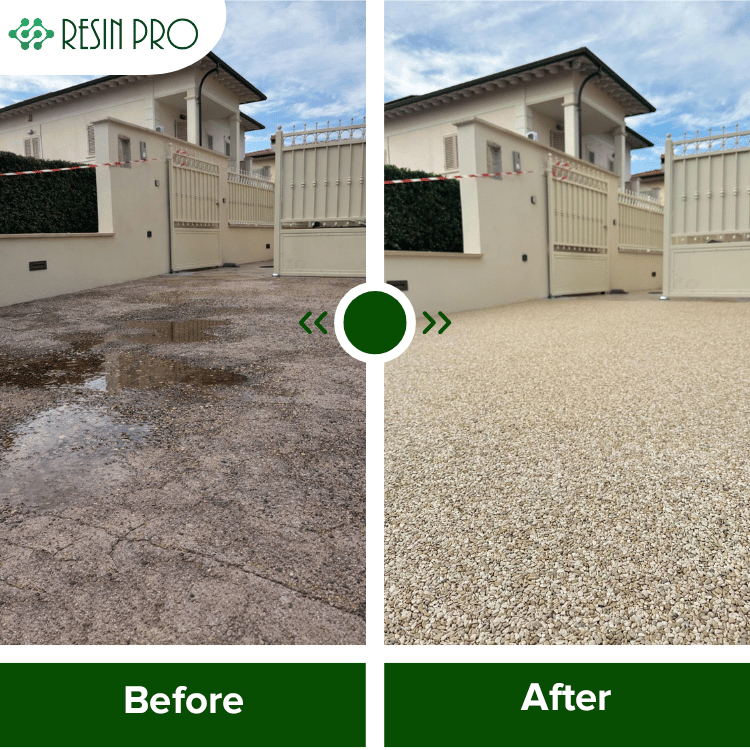
Large epoxy resin floor projects demand careful attention to environmental conditions. Both temperature and humidity play a pivotal role in how well your resin cures and how long your finish lasts.
Why Climate Conditions Matter for Resin Application
When working on sizeable surfaces, such as outdoor permeable floors or decorative indoor resin finishes, the surrounding temperature and humidity directly influence the chemical reaction behind resin curing. Excessive heat can speed up the process, potentially leading to surface imperfections, while cold can slow curing or even prevent full hardening. High humidity, in particular, may cause surface clouding, poor adhesion or sticky patches, which are difficult to remedy on broad areas.
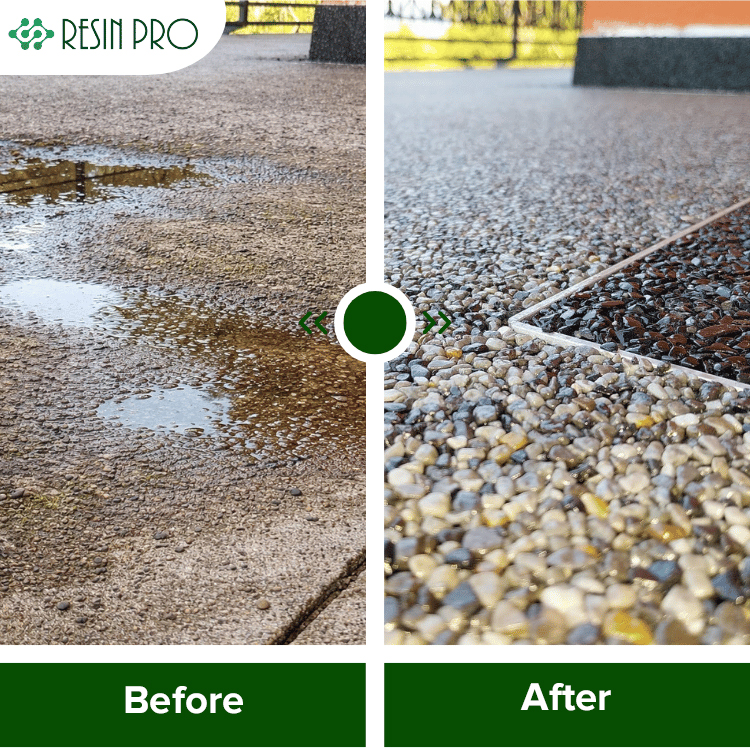
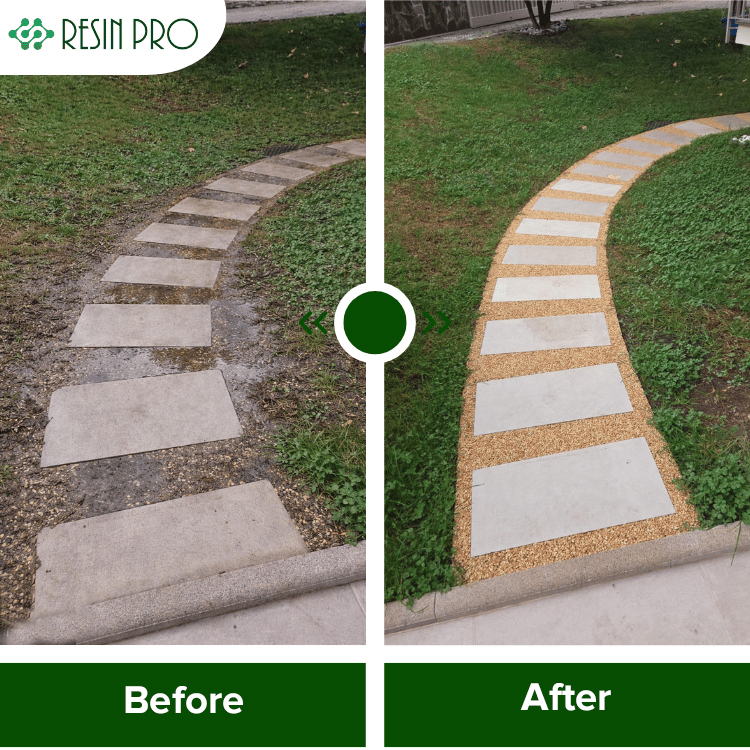
Practical Tips for Large Surface Resin Projects
- Always check the manufacturer’s recommended temperature and humidity ranges before starting. Generally, aim for moderate temperatures and avoid working in damp or rainy conditions.
- Prepare your substrate well and consider using a suitable primer, like Epoxyprimer, to promote even curing across the entire area.
- Mix batches tailored to your working time and environmental conditions. For large projects, enlist qualified helpers to ensure quick application and even distribution.
When Temperature and Humidity Matter Most
These factors become especially critical when covering extensive areas such as driveways or patios, where inconsistent curing can lead to uneven finishes. Products like the Flowstone kit include detailed usage guidance to help navigate UK weather conditions.
Related products
Related guides
Whether you are resurfacing a garage or creating a decorative outdoor area, being mindful of temperature and humidity ensures the success and longevity of your large resin flooring project. For more detailed resin volume advice, visit our main guide on how much resin is needed for 70 sq m.