 Free shipping on orders over £29,85
  Shipping Tracking!


 Google
 Facebook
← Back to How much resin per square metre for floors?
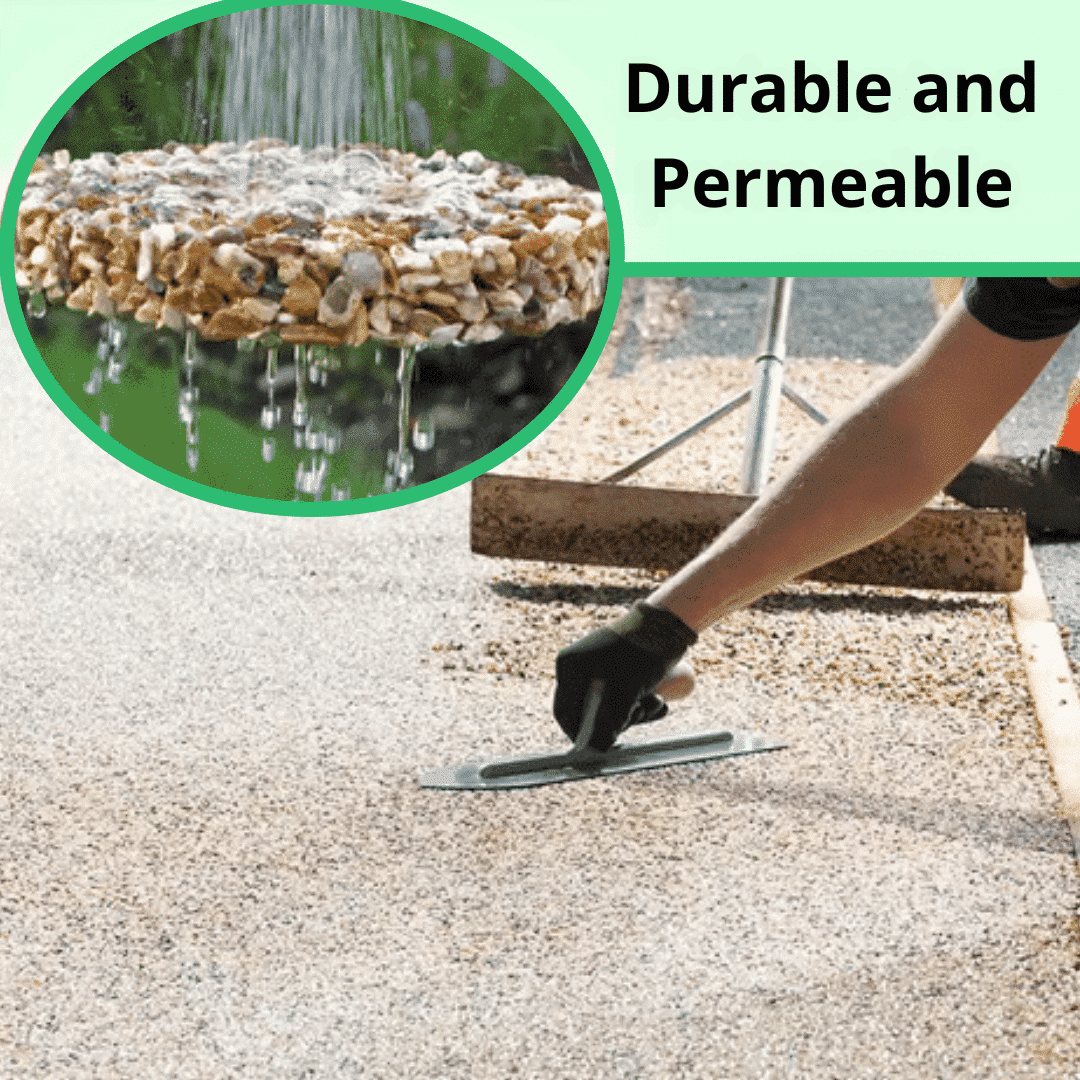
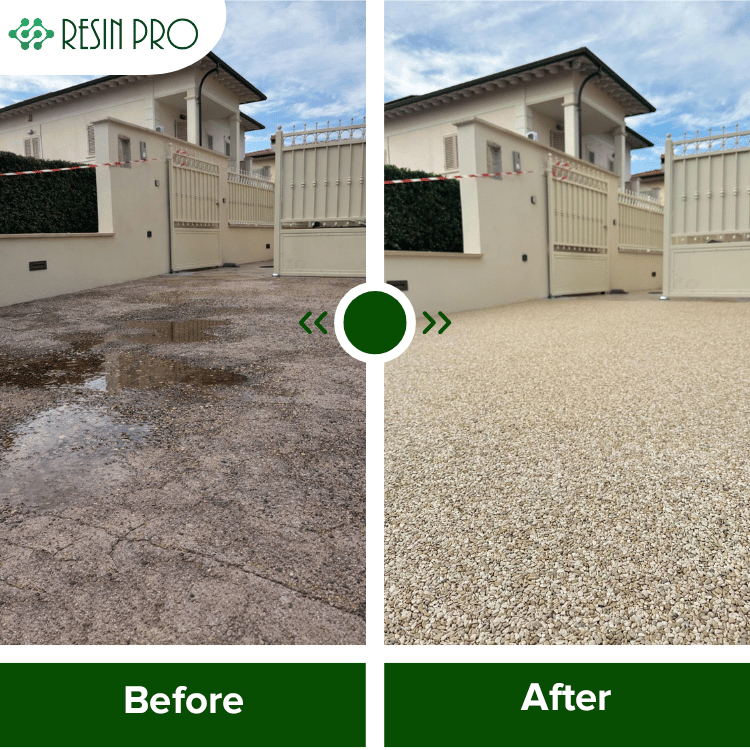
Choosing the right surface is essential for a long-lasting and trouble-free resin floor. Applying resin to the wrong type of substrate can lead to poor adhesion and undermine the finish, so it’s important to know which surfaces to avoid.
Surfaces That Should Be Avoided
Resin products are not suitable for loose, unbound gravel, as the lack of a stable, compact foundation prevents proper bonding and strength. Likewise, surfaces that are non-absorbent—such as some sealed tiles, polished stone, or metals—do not allow the resin to anchor securely, leading to premature wear or detachment. Poorly prepared or contaminated substrates should also be avoided as impurities can affect performance and finish.
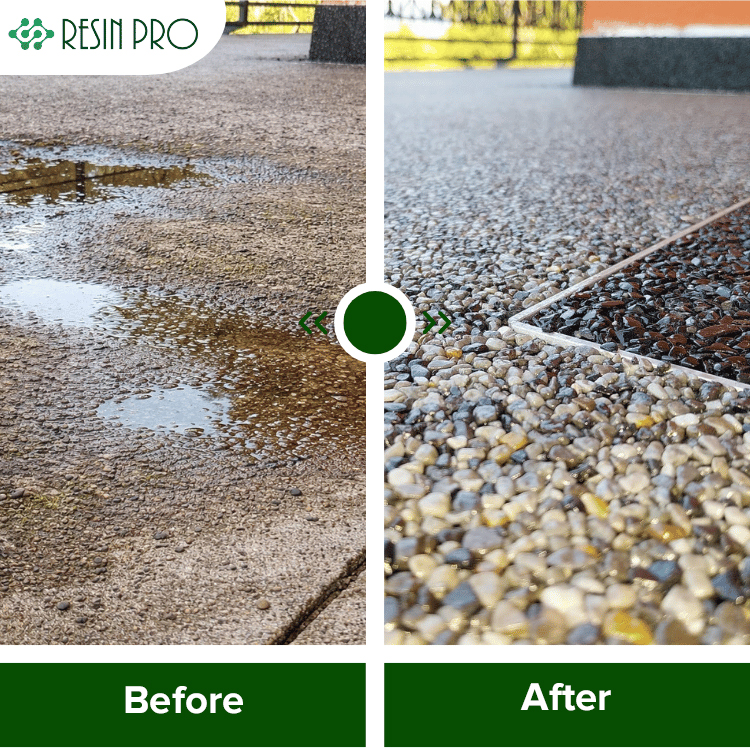
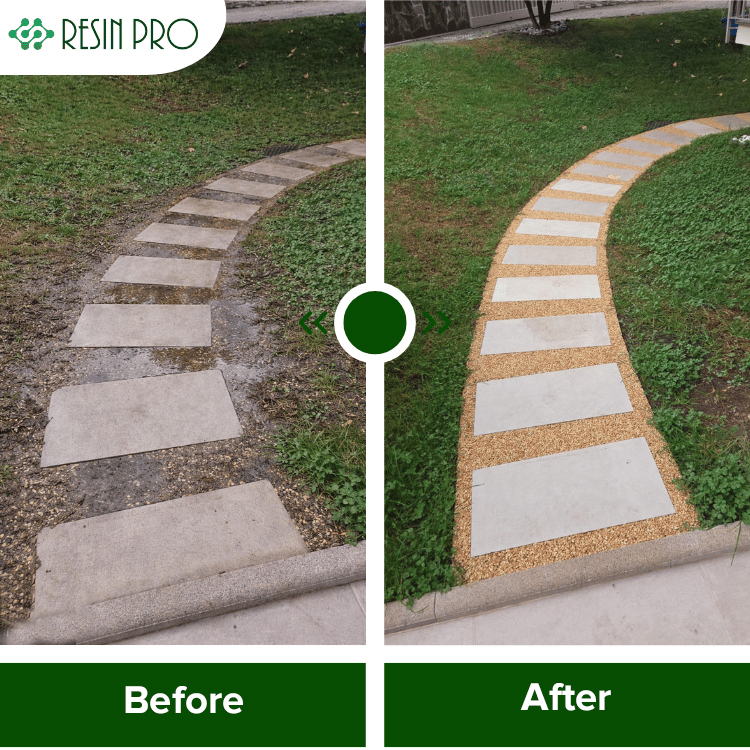
Ensuring Proper Preparation
For the best results, always begin with a substrate that is clean, dry, and sufficiently absorbent. Surfaces like new or unpolished concrete, screeds, and well-prepared timber are ideal. If you’re working over ceramic tiles or wood, Epoxyprimer can help improve adhesion. Never apply resin directly onto unprepared or oily floors.
When This Matters Most
Surface suitability is crucial for driveways, patios, or commercial spaces where heavy use and outdoor conditions demand resilience. Starting with the right base means your investment in resin flooring delivers both appeal and durability.
Related products
Related guides
Understanding which surfaces to avoid ensures your resin floor is strong and long-lasting. For more practical guidance on surface preparation and the correct amount of resin per square metre, see our complete advice hub on floor resin application.