 Free shipping on orders over £29,85
  Shipping Tracking!


 Google
 Facebook
← Back to How many times can thermosetting resins be moulded?
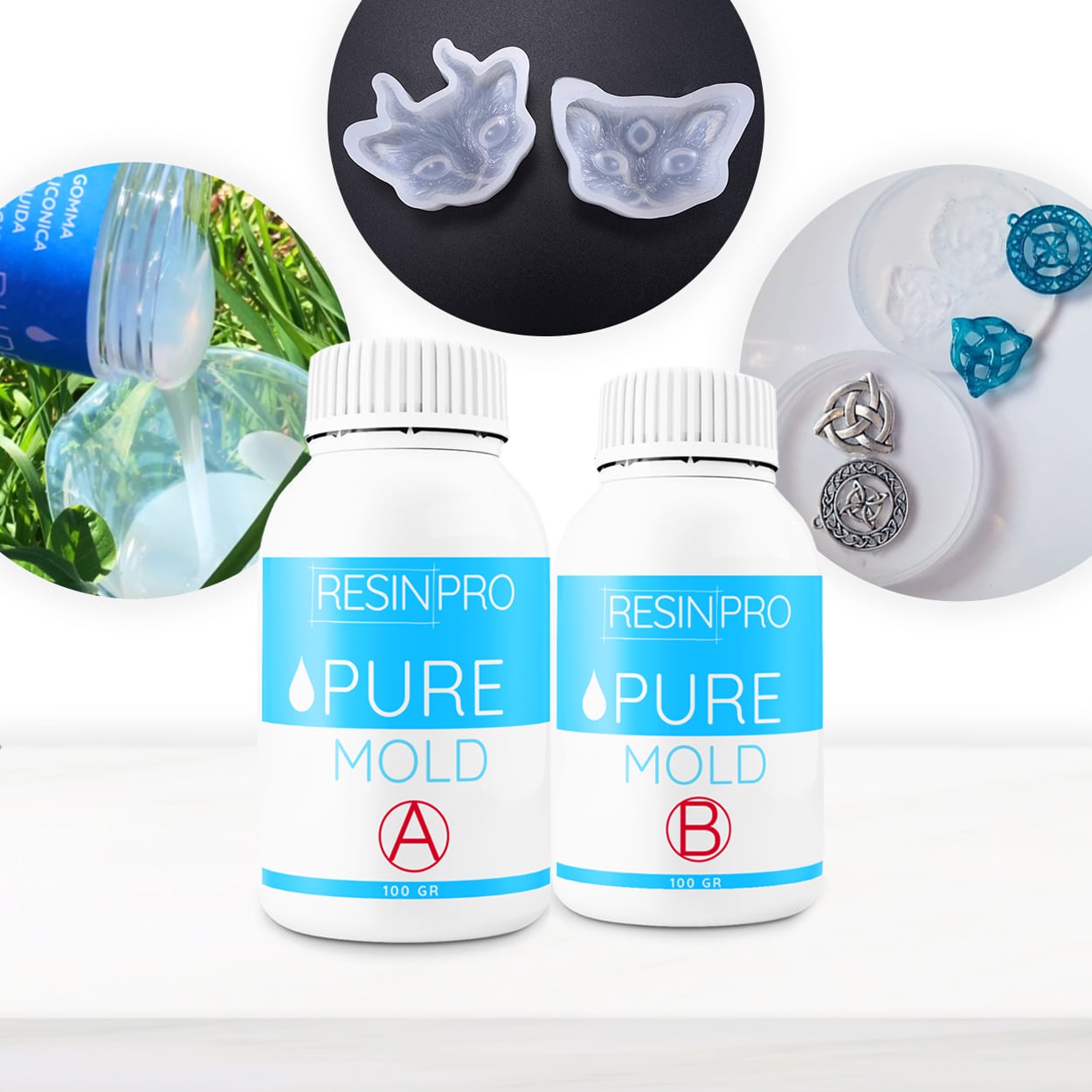
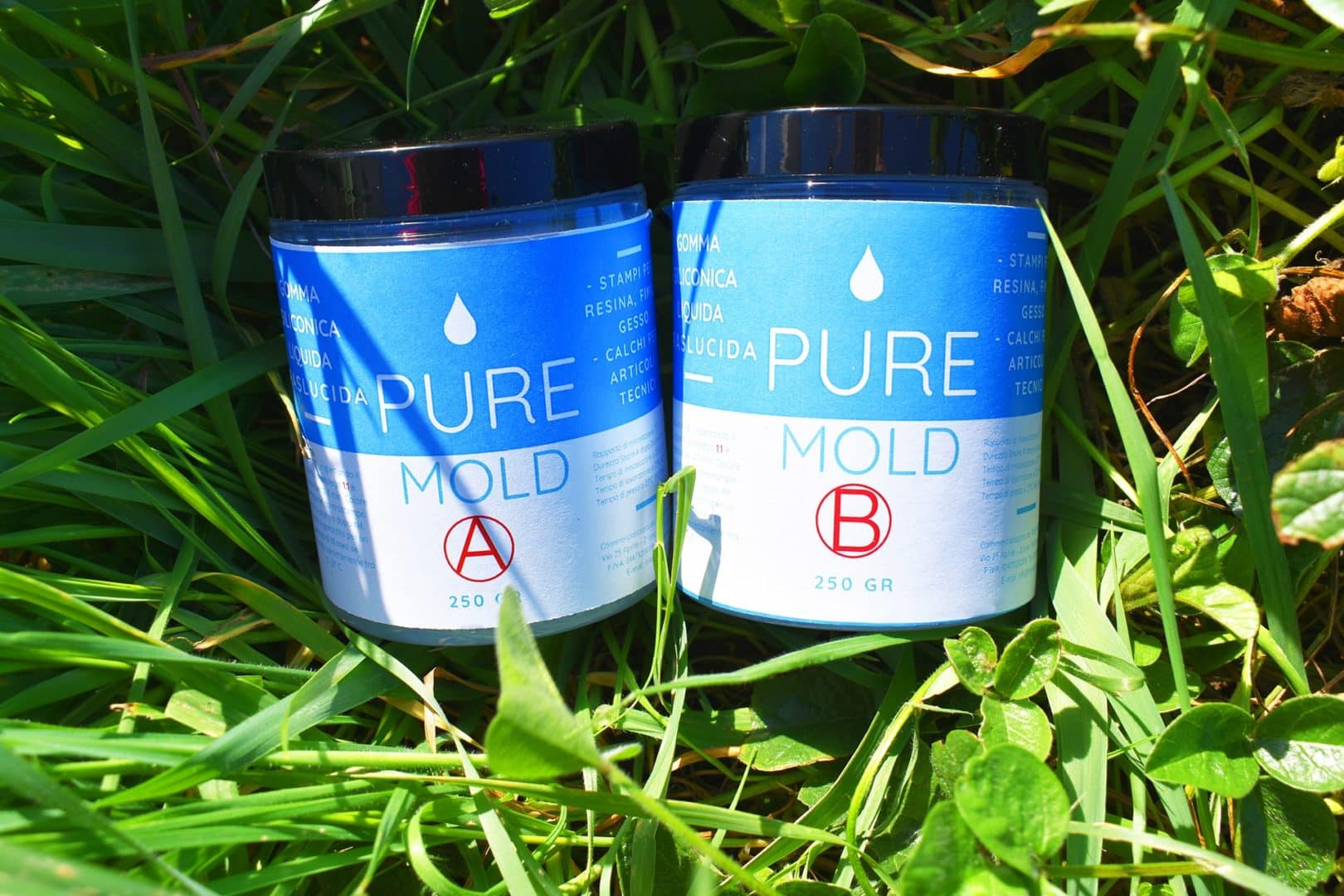
Choosing a silicone rubber mould that stands up to repeated resin casting can make all the difference, whether you’re producing jewellery, prototypes, or decorative items. This guide highlights the essential characteristics behind long-lasting, reusable silicone moulds and offers practical advice for selecting the right one.
Core Factors Behind Reusable Silicone Rubber Moulds
The durability and repeated usability of a silicone mould rely on several interconnected properties:
- Mechanical Strength: Moulds with a robust composition resist tearing and deformation even after multiple demouldings, retaining their shape and intricate details.
- Flexibility: A good balance between flexibility and firmness helps the mould release castings smoothly without damage or distortion, especially for complex or undercut shapes.
- Minimal Shrinkage: Quality silicones are formulated to minimise shrinkage over time, so the mould keeps its precise dimensions through repeated use, ensuring consistent results.
- Chemical Compatibility: The silicone selected should be suitable for the type of resin (epoxy, polyester, polyurethane, etc.) you plan to cast. Compatibility prevents adhesion, surface defects, or premature wear of the mould.
Choosing the Right Silicone for Your Project
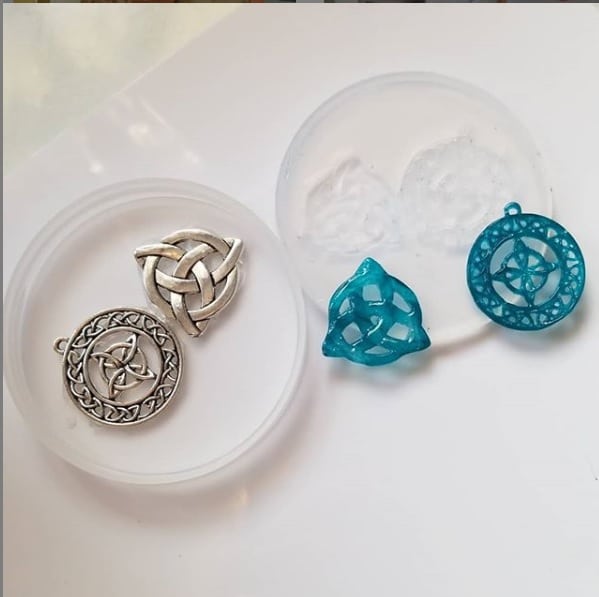
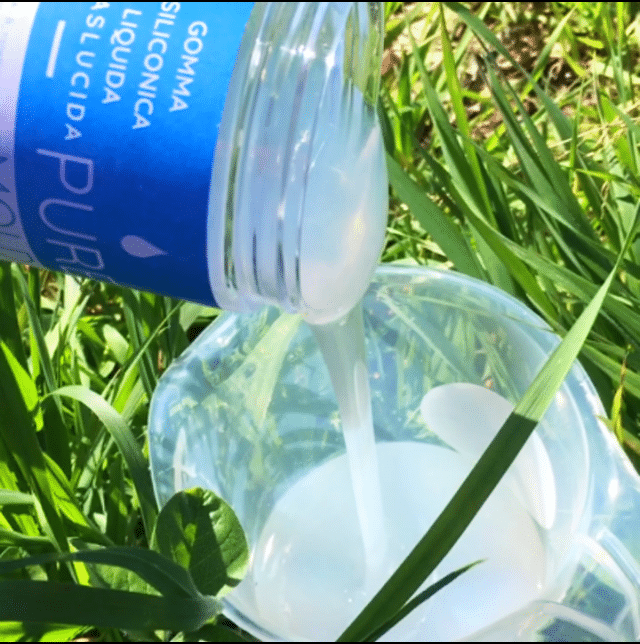
For versatile and detailed moulds, consider a platinum-based translucent silicone such as “Pure Mould”. This silicone offers high mechanical resistance, less shrinkage over time, and can handle repeated use. Its transparency even allows you to observe the casting as it sets, which is particularly useful for quality checks. If you require greater detail for small, intricate pieces, a dedicated casting liquid silicone rubber like “Liquid Mould” is ideal—it flows easily into fine crevices and remains flexible across several castings. Both are suited to resin, plaster, and wax projects, and feature easy-to-use mixing ratios.
When This Matters Most
If you’re producing small batches or commercial runs, the ability to use silicone moulds multiple times saves time and resources. Mould longevity is especially important when exact reproductions are required, as consistent quality from each pour depends on the resilience of the mould over many uses.
Related products
Related guides
Understanding what makes a silicone rubber mould durable and reusable is crucial for efficient resin casting. For further insight on mould materials and repeated casting, see our main guide: How many times can thermosetting resins be moulded?.