 Free shipping on orders over £29,85
  Shipping Tracking!


 Google
 Facebook
How many kilograms of resin are needed to cover 55 square metres?
A practical guide to accurate resin calculation and coverage.
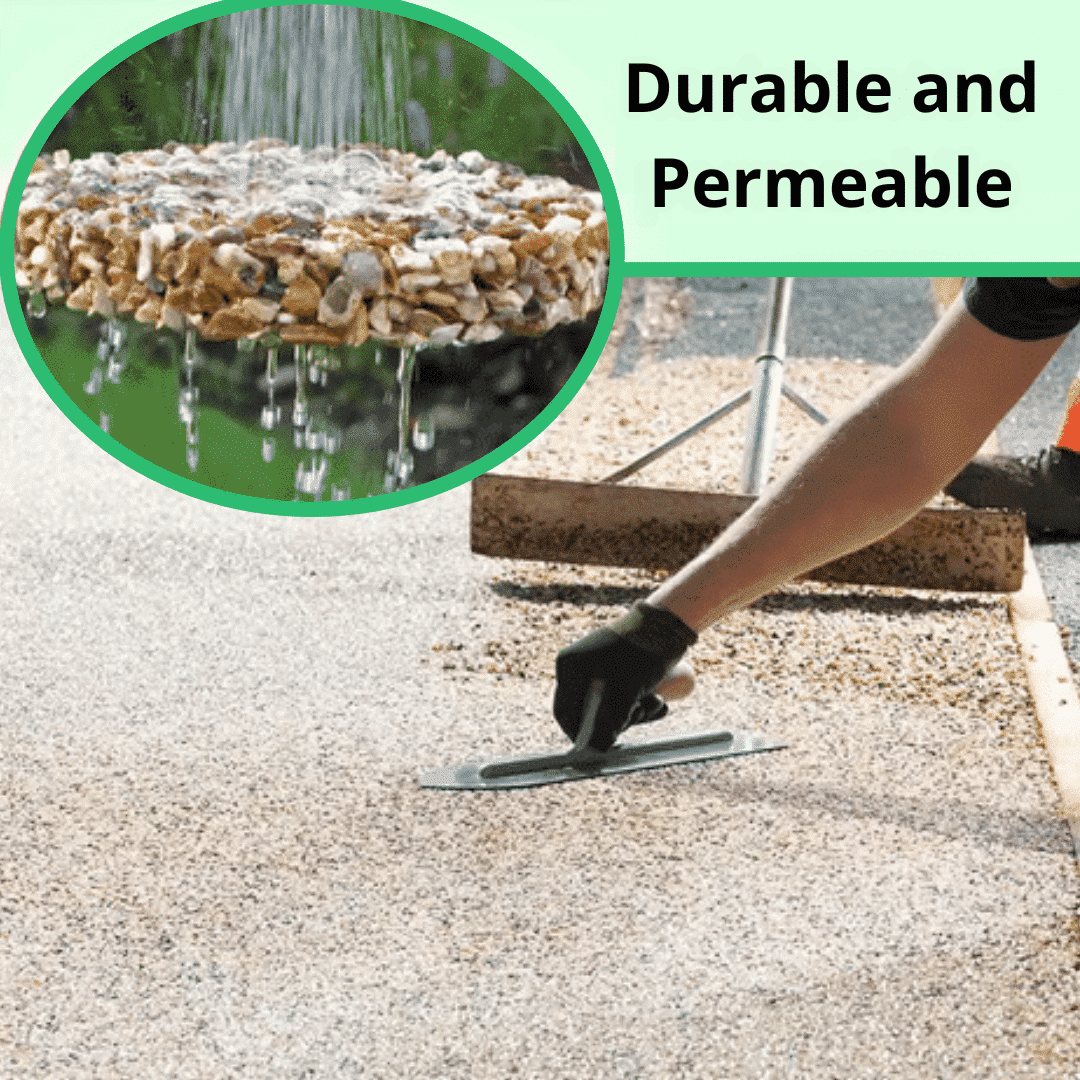
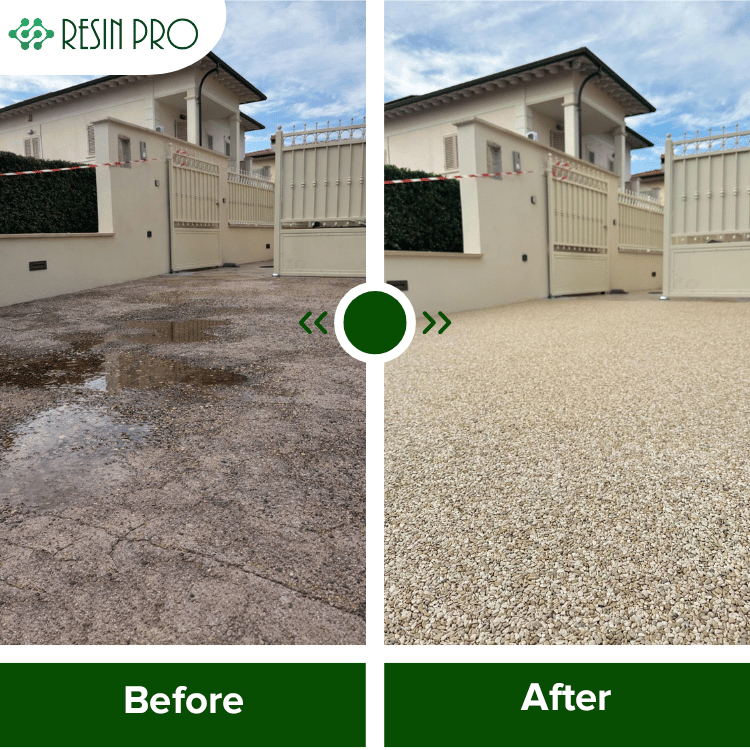
If you’re planning to cover a 55 square metre area with a durable resin floor—whether it’s a driveway, footpath, or decorative countertop—accurate calculation is essential. This page explains how much resin you’ll need for different surface types and compares key products, helping homeowners, professionals, and DIYers navigate the best solutions for reliable results.
Comparing Resin Solutions by Area Coverage
When estimating resin requirements for a 55m² project, the right product depends on your substrate (pebbles, grit, or countertop) and the desired finish. For permeable pebble floors, quantities are calculated by mixing resin with selected aggregates, usually at a recommended percentage by weight. Transparent epoxy binders are ideal for coloured aggregates, while polyurethane binders suit white stones to maintain clarity. Countertop resin kits are calculated by thickness per square metre, with most kits supporting surfaces up to 8m² each. Understanding product formulas and matching the binder with your aggregate is key for performance and appearance.
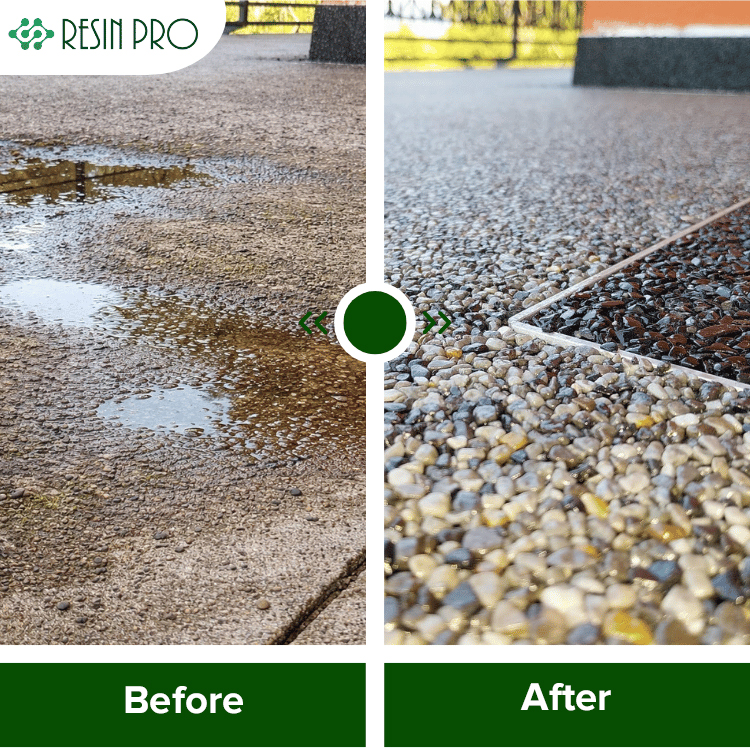
Area Coverage: Visualising Large-Scale Resin Projects
Projects covering 55m² can range from expansive patios and driveways to commercial entrances or multiple countertops. Visualising your finished area can help you calculate quantities more accurately, ensuring a consistent finish across the full surface.
Tip: Always measure lengths and widths precisely and account for any architectural features or sloped surfaces that could influence your resin needs.
“Flowstone” – Complete Permeable Floor Kit with Pebbles and Resin
The “Flowstone” – Complete Permeable Floor Kit with Pebbles and Resin is a specialised solution for outdoor driveways, footpaths, and patios. This kit comes pre-sized for specific areas, making coverage straightforward—even for large surfaces like 55m². For white aggregates, use a non-yellowing polyurethane binder; for coloured stones, a low-yellowing epoxy ensures vibrant, lasting colour. The kit’s instructions recommend a resin-to-aggregate weight ratio—typically around 3%—supporting efficient calculation for your project’s scale. Step-by-step guidance is included, ensuring accessible application for all users.
“Trasparente” – Epoxy Binder for Coloured Pebbles and Grits
For surfaces featuring coloured or dark-grained aggregates, the “Trasparente” – Epoxy Binder for Coloured Pebbles and Grits offers a crystal-clear, bubble-free finish with excellent UV resistance. Designed for surface areas like driveways and paths, this resin is used with aggregates at a ratio of approximately 3% by weight. For a 55m² project, calculate your total aggregate weight based on layer thickness, then determine your resin needs using this ratio. The low viscosity ensures fast mixing and full impregnation, resulting in a stable, decorative surface.
“Polirock” – Polyurethane Binder for White Stones
To maintain the pure appearance of white stone surfaces outdoors, “Polirock” – Polyurethane Binder for White Stones, 2kg Two-Component Kit is ideal. Its high-performance formulation prevents yellowing over time while delivering robust durability and permeability. Best mixed in advance with stones, it follows the recommended 3% resin-to-stone weight ratio. This makes it easy to calculate what’s needed for a 55m² zone, whether for a renovation or new installation.
“Stone Effect Collection” – Marble Epoxy Resin Countertop Kit
For interior projects like kitchen worktops and bathroom vanities, the “Stone Effect Collection” – Marble Epoxy Resin Countertop Kit transforms surfaces with professional stone effects. Each kit is designed for up to 8m² at typical countertop thicknesses, so multiple kits are required for larger projects like 55m². Resin quantity depends on desired thickness—plan accordingly using the included coverage guidance and calculator for seamless, scratch-resistant results.
Tips for Calculating Coverage for Large Resin Projects
Begin by determining your total aggregate weight (if using pebbles or grit) or measuring exact area and desired thickness for resin-only finishes. Always follow the manufacturer’s weight or volume percentage recommendations for your resin and stone combination. Use a cement mixer for large batches to ensure even distribution and minimise waste. For permeable outdoor floors, a 3% resin to aggregate ratio is standard, while countertops require a precise calculation based on square metre and millimetre thickness. Refer to each product’s instructions for optimal results.
Application and Mixing Techniques for Reliable Coverage
For dependable results on large projects, use a cement mixer for even mixing of resin and stones. Work methodically in manageable sections and maintain consistent thickness to avoid patchy results. Always use the correct binder for your aggregate type and colour to prevent yellowing or cloudiness over time.
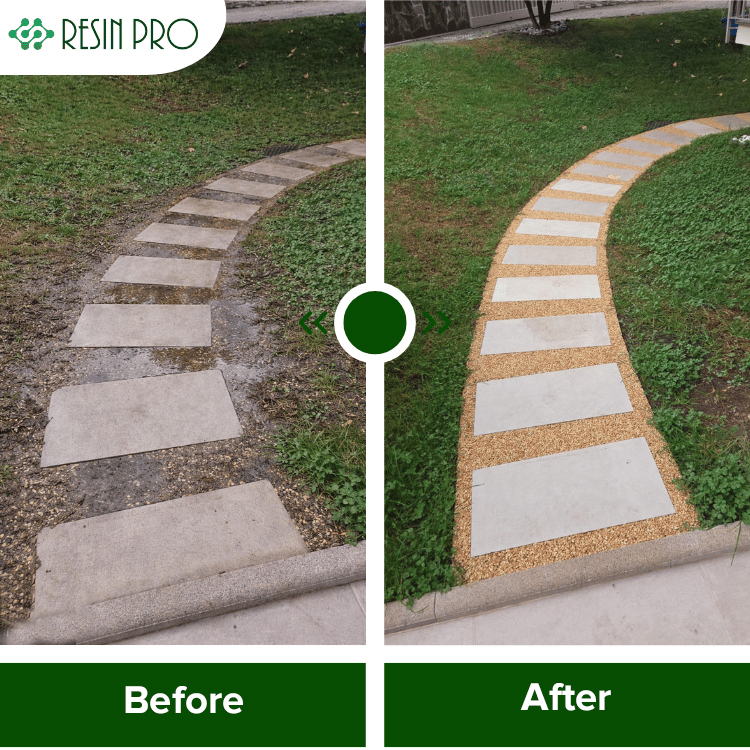
- "Flowstone" – Complete Permeable Floor Kit with Pebbles and ResinPrice range: £49.95 through £3,915.45The Flowstone kit provides a durable permeable pebble and resin floor system with resin guidance suitable for the UK climate.
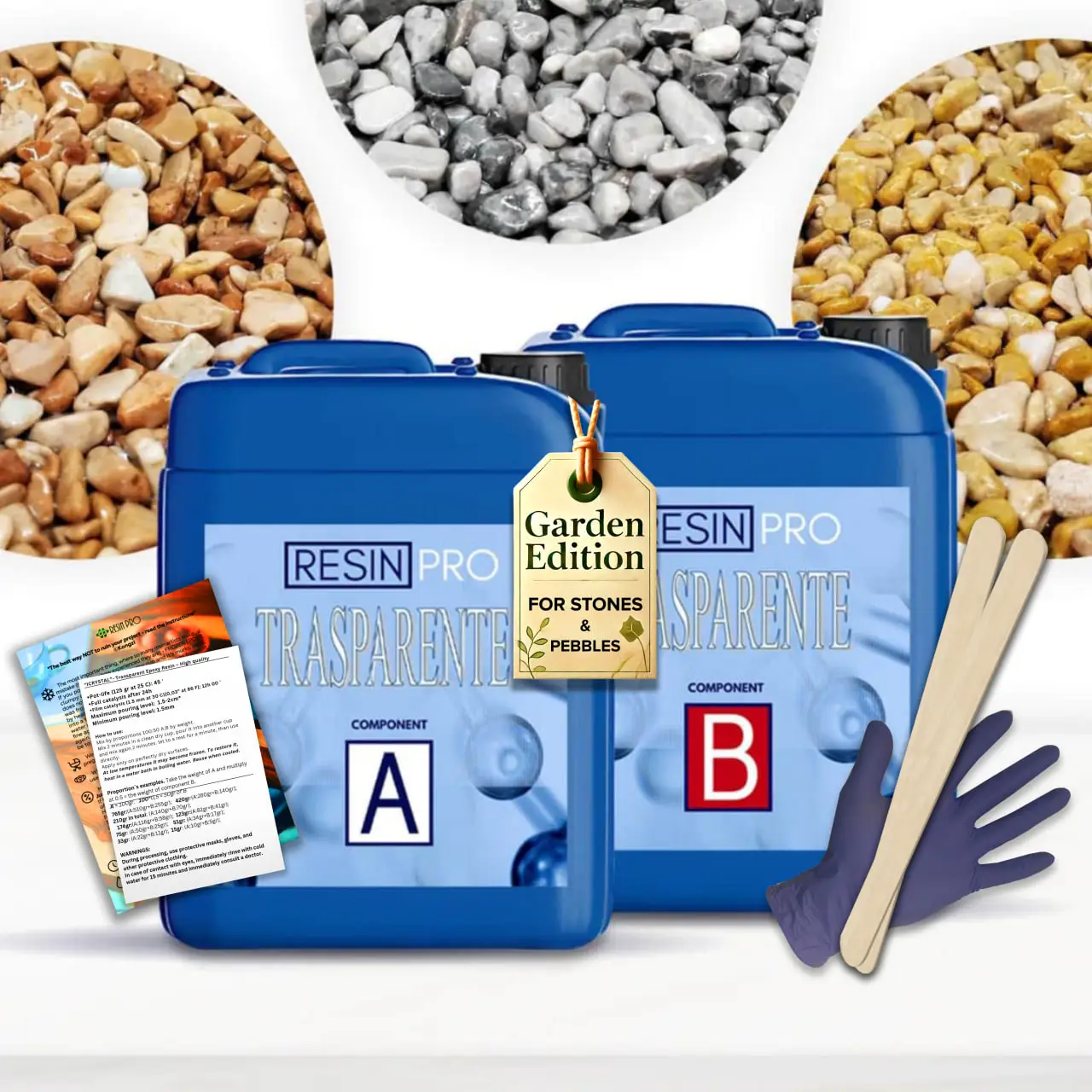 "Trasparente" – Epoxy Binder for Coloured Pebbles and GritsPrice range: £33.45 through £397.95"Trasparente" is a transparent epoxy binder for coloured pebbles and grits, designed for clear, UV-resistant finishes on pathways and driveways.
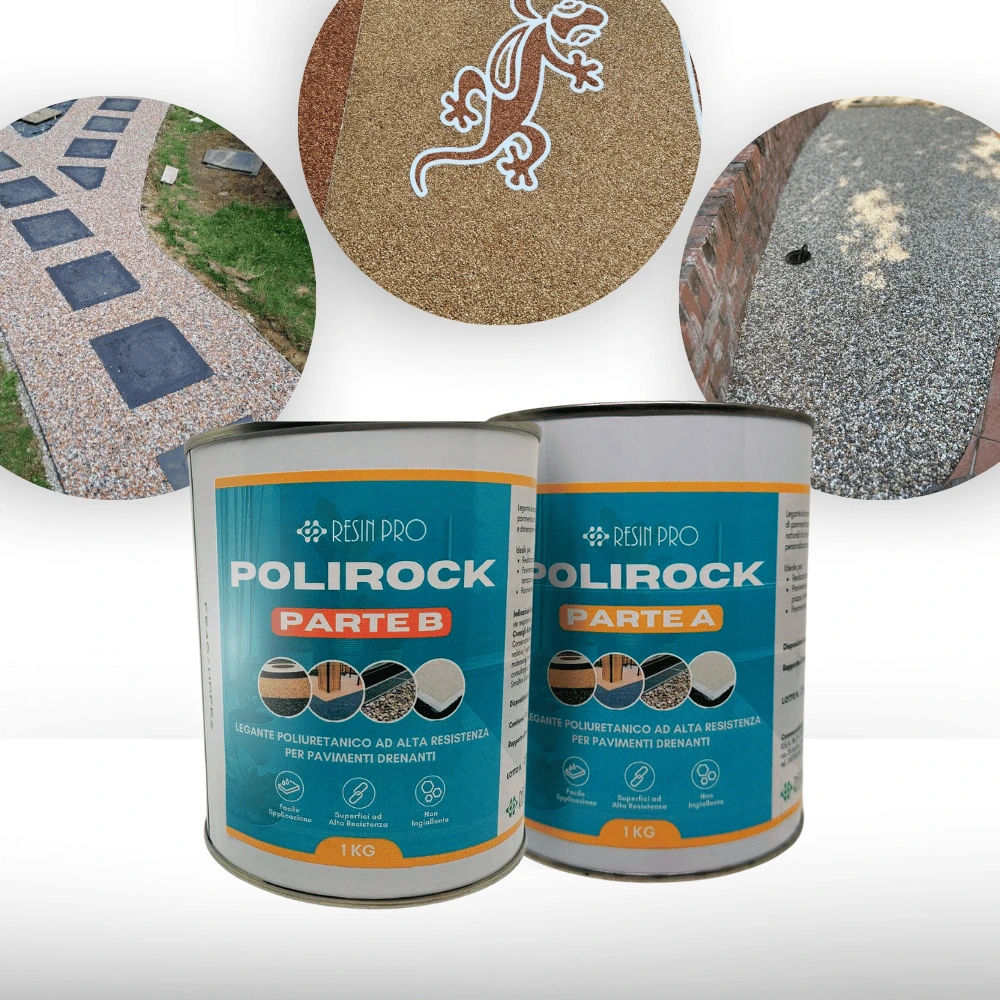 "Polirock" – Polyurethane Binder for White Stones, 2kg Two-Component Kit£61.95POLIROCK polyurethane binder is designed for durable, clear, permeable outdoor stone surfaces with anti-slip, weather-resistant properties.
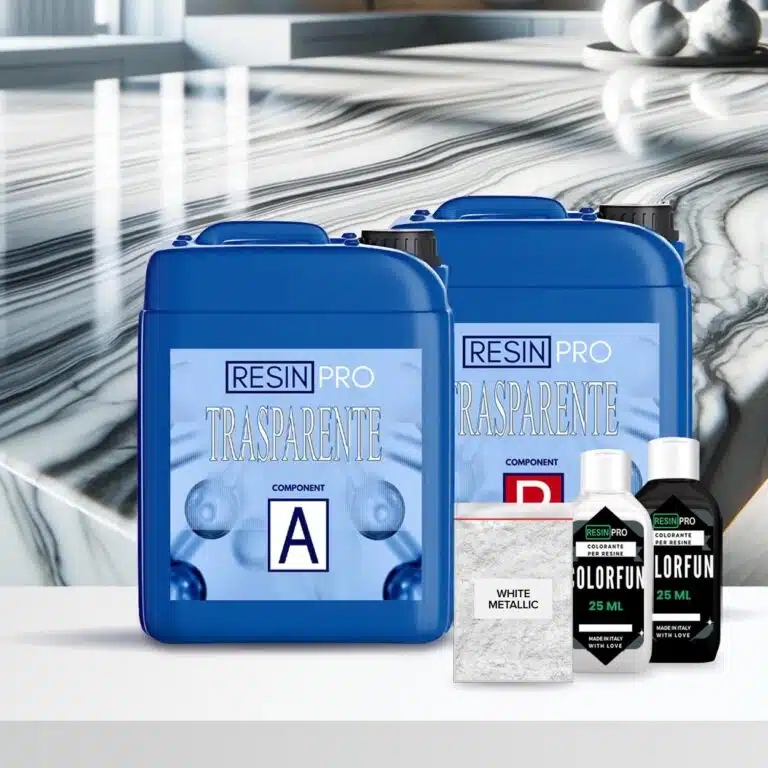 "Stone Effect Collection" – Marble Epoxy Resin Countertop KitPrice range: £57.95 through £272.95The Stone Effect Collection kit offers professional marble and stone effects with a durable, scratch- and wear-resistant finish for surfaces like…
Frequently Asked Questions
How much resin do I need for 55m² with aggregates?
Typically, use about 3% resin to aggregate by weight. First, calculate the total aggregate weight for your surface thickness, then multiply by 0.03 to find the resin amount needed.
What is the difference between epoxy and polyurethane binders?
Epoxy binders suit coloured stones and have strong UV stability. Polyurethane binders are ideal for white aggregates, offering better clarity and non-yellowing properties.
Can I apply resin directly onto existing gravel?
No—resin must be mixed thoroughly with stones first. Pouring resin directly onto loose gravel will not achieve proper bonding and will compromise durability.
How do I scale resin countertop kits for big surfaces?
Each kit is typically sized for up to 8m². Divide your total project area by the kit coverage to calculate how many kits you'll need. Ensure all are applied at the same thickness.
Do weather conditions affect resin application?
Yes—extreme temperatures or high humidity can influence curing and adhesion. For best results, apply resin in stable, moderate weather and follow product-specific instructions.
Is DIY installation of permeable resin floors possible?
Yes, these systems are suitable for DIYers. Follow the supplied instructions closely, and use a cement mixer for larger areas for even, effective mixing.