 Free shipping on orders over £29,85
  Shipping Tracking!


 Google
 Facebook
← Back to How much catalyst to use in metal resin?

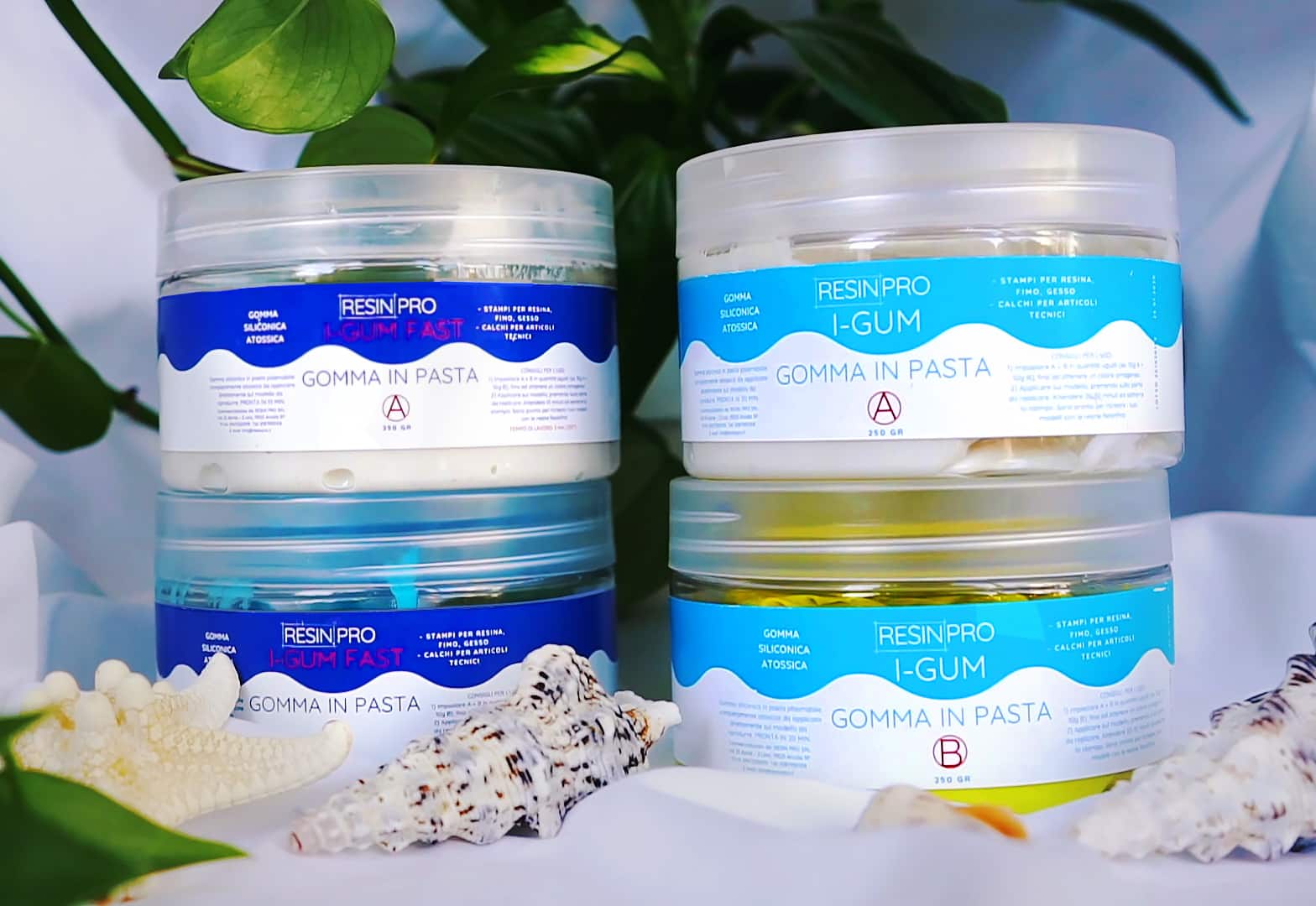
Mixing silicone putty correctly is essential if you want reliable, detailed moulds for your resin projects. Here’s a straightforward guide to using the right catalyst ratio for I-Gum silicone putty.
What is the Proper Catalyst Ratio?
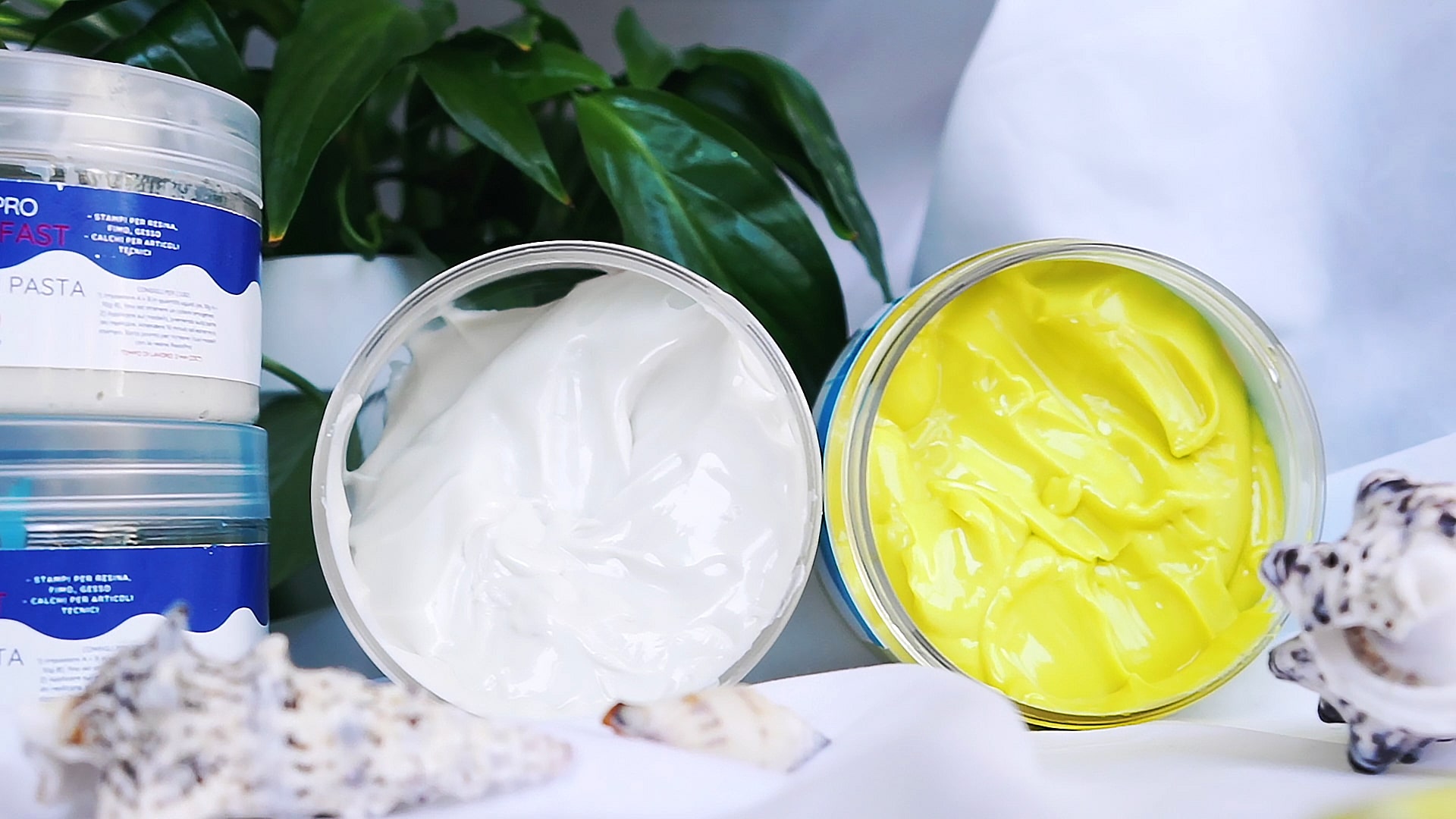
For I-Gum silicone putty, achieving a precise 1:1 ratio of putty to catalyst paste is key. This means equal parts by weight or volume of each component. Combine the two materials until you have one homogeneous colour with no streaks, ensuring a thorough mix for even curing and a successful mould.
Mixing Tips for Best Results
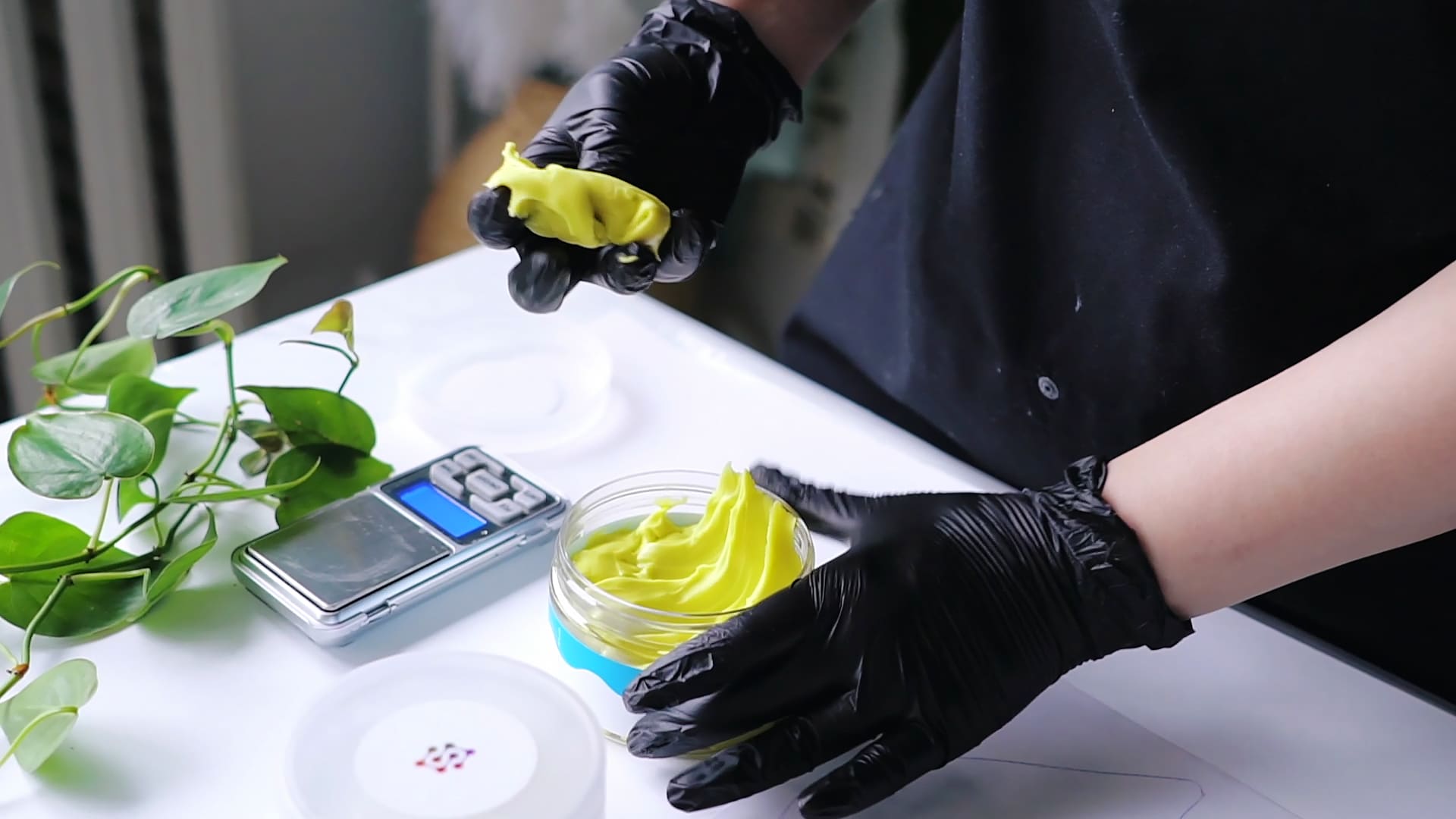
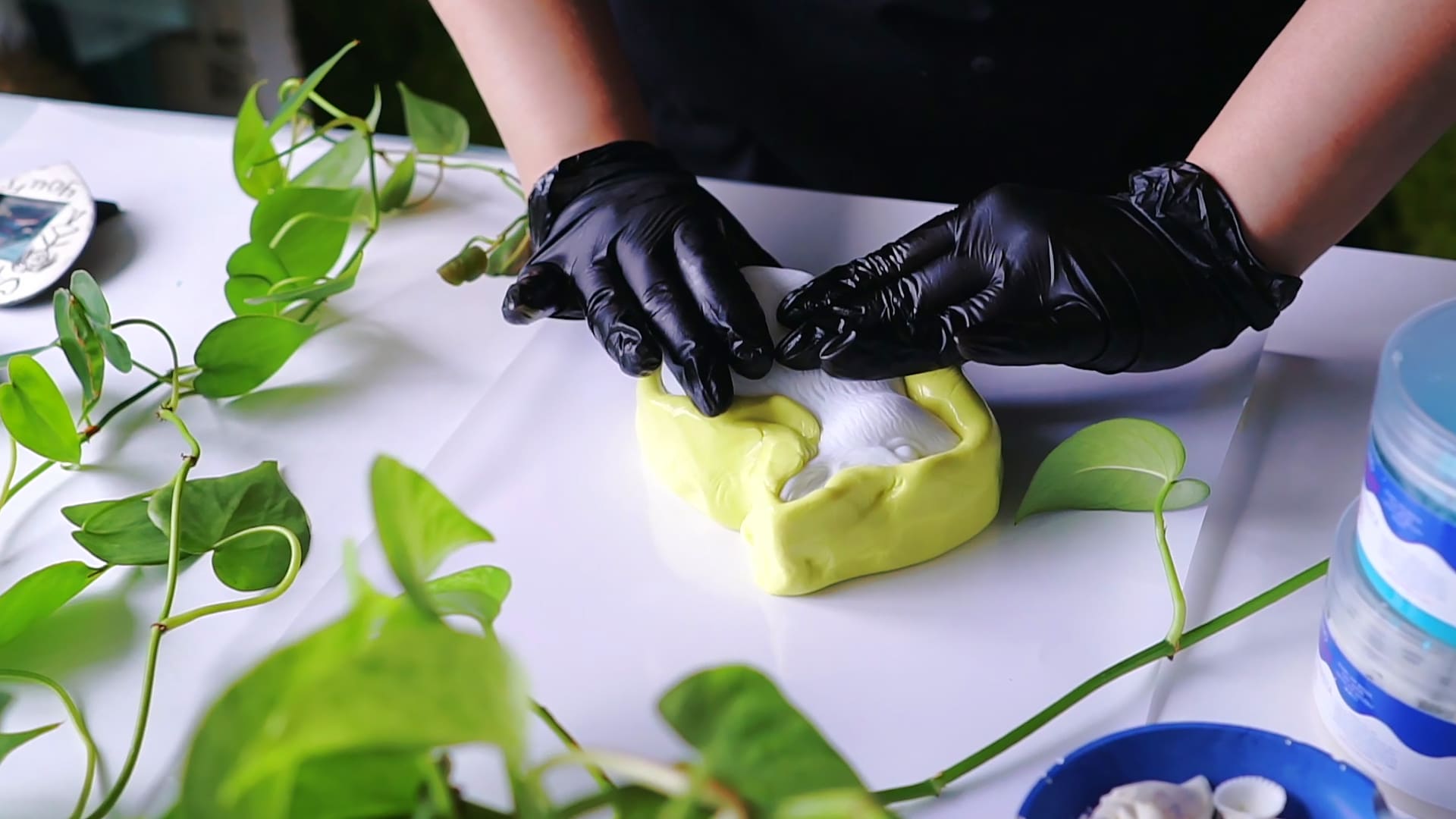
Put on gloves (optional, as I-Gum is non-toxic) and scoop out equal amounts of putty and catalyst. Knead them together quickly but thoroughly until the mixture is consistent. You’ll have around 20 minutes of working time before it starts to set, so plan ahead and work efficiently. Press the mixture evenly over your model or into the form, making sure there are no air pockets or unblended areas for a smooth finish. For optimal results, see the full details for “I–Gum” – Non-Toxic Silicone Putty for Mould Making.
When This Matters
Getting the 1:1 mixing ratio right is crucial anytime you need a dependable, flexible mould—particularly for casting resin, wax, or even cement. Inaccurate mixing may lead to sticky or brittle moulds, so careful preparation pays dividends in quality and reliability.
Related products
Related guides
Following the 1:1 ratio for silicone putty and catalyst sets you up for consistent, professional results in your mould-making projects. Looking for details on catalyst amounts for other materials or resin types? Visit our main guide on how much catalyst to use in metal resin for broader tips.