 Free shipping on orders over £29,85
  Shipping Tracking!


 Google
 Facebook
← Back to How much catalyst to use in metal resin?
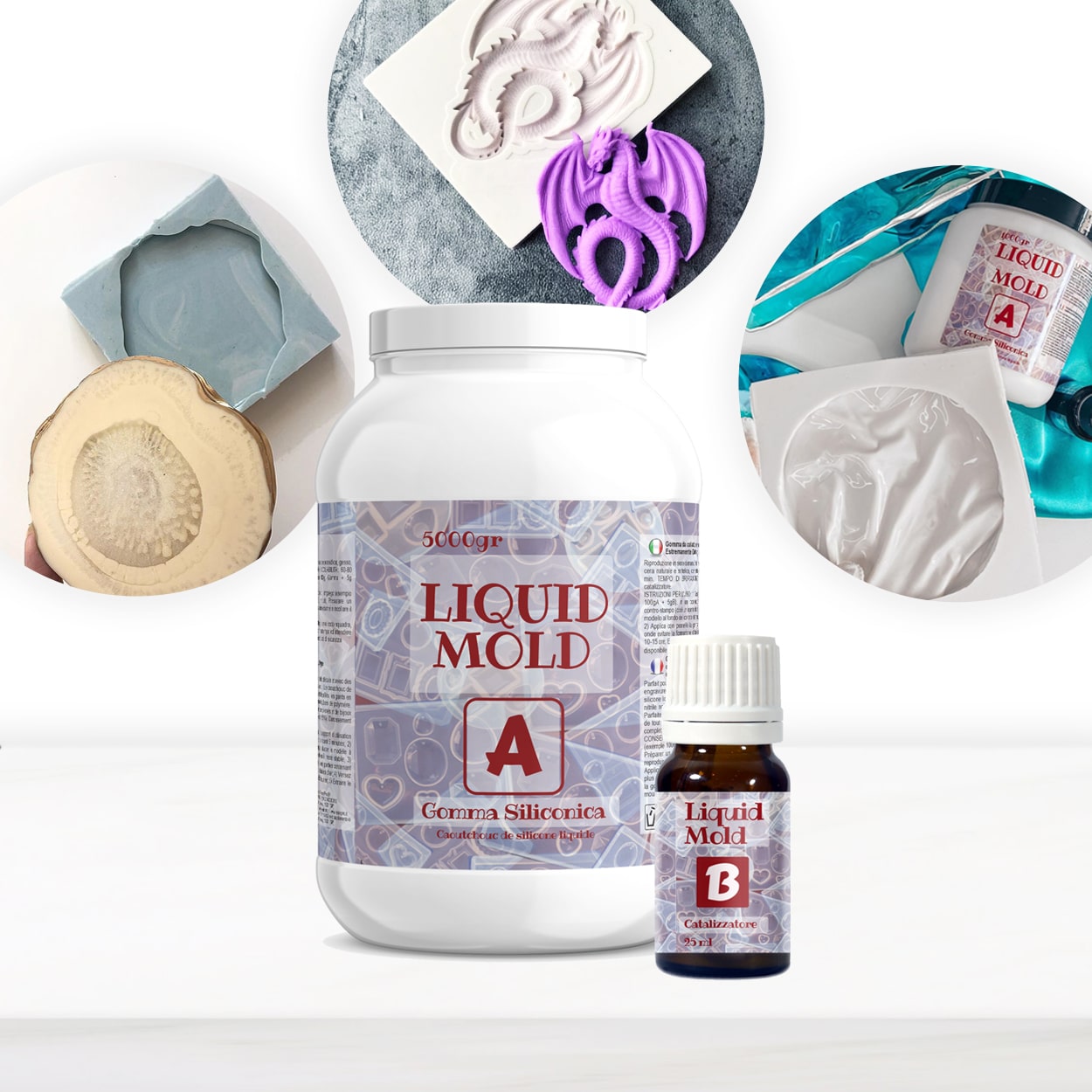

If you’re planning to create crisp, professional-quality moulds for resin or metal casting, Liquid Mould silicone rubber is an excellent choice thanks to its fine detail capture and ease of use. Proper mixing and preparation are key for the best results.
Mixing and Preparing the Silicone Rubber
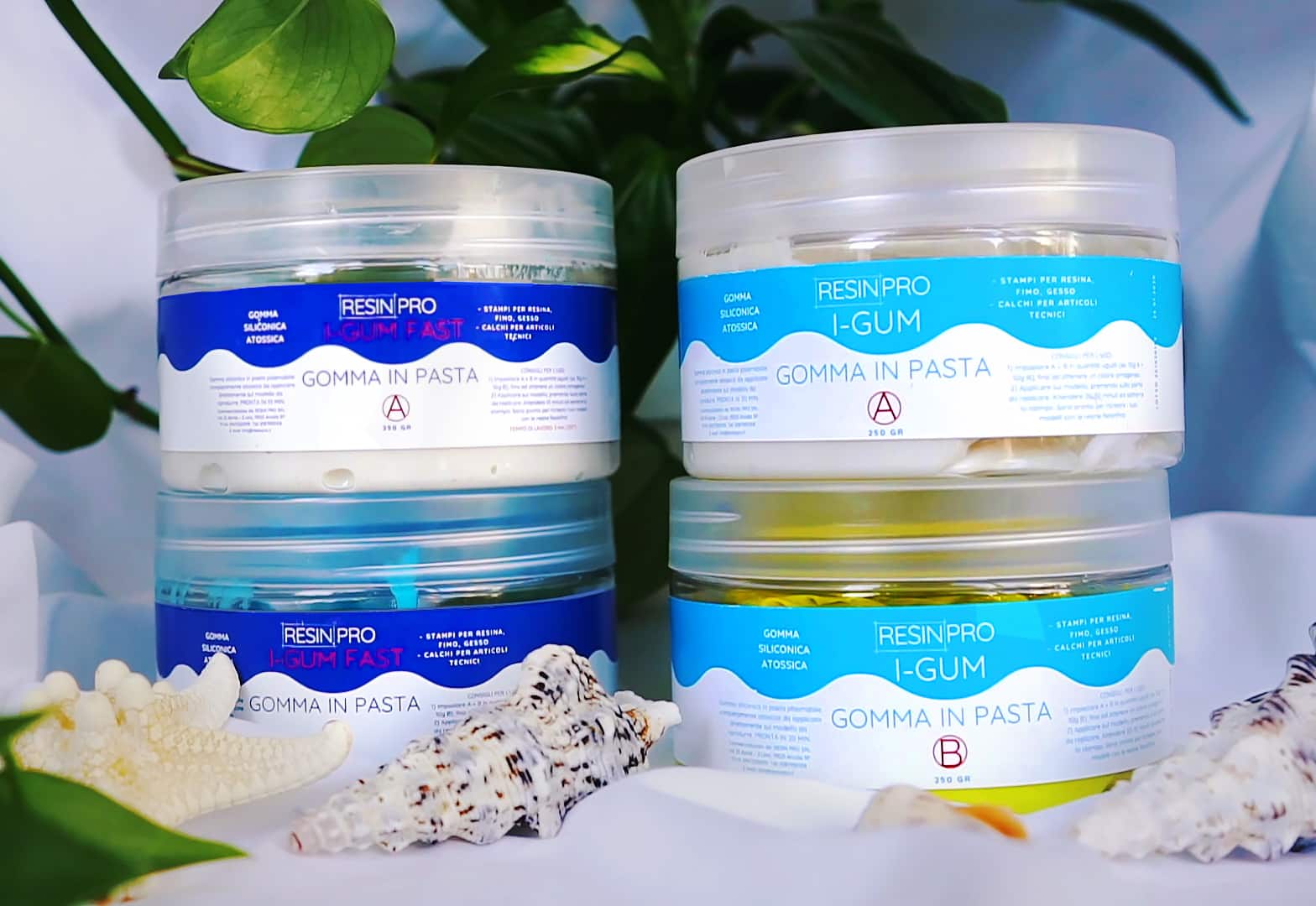
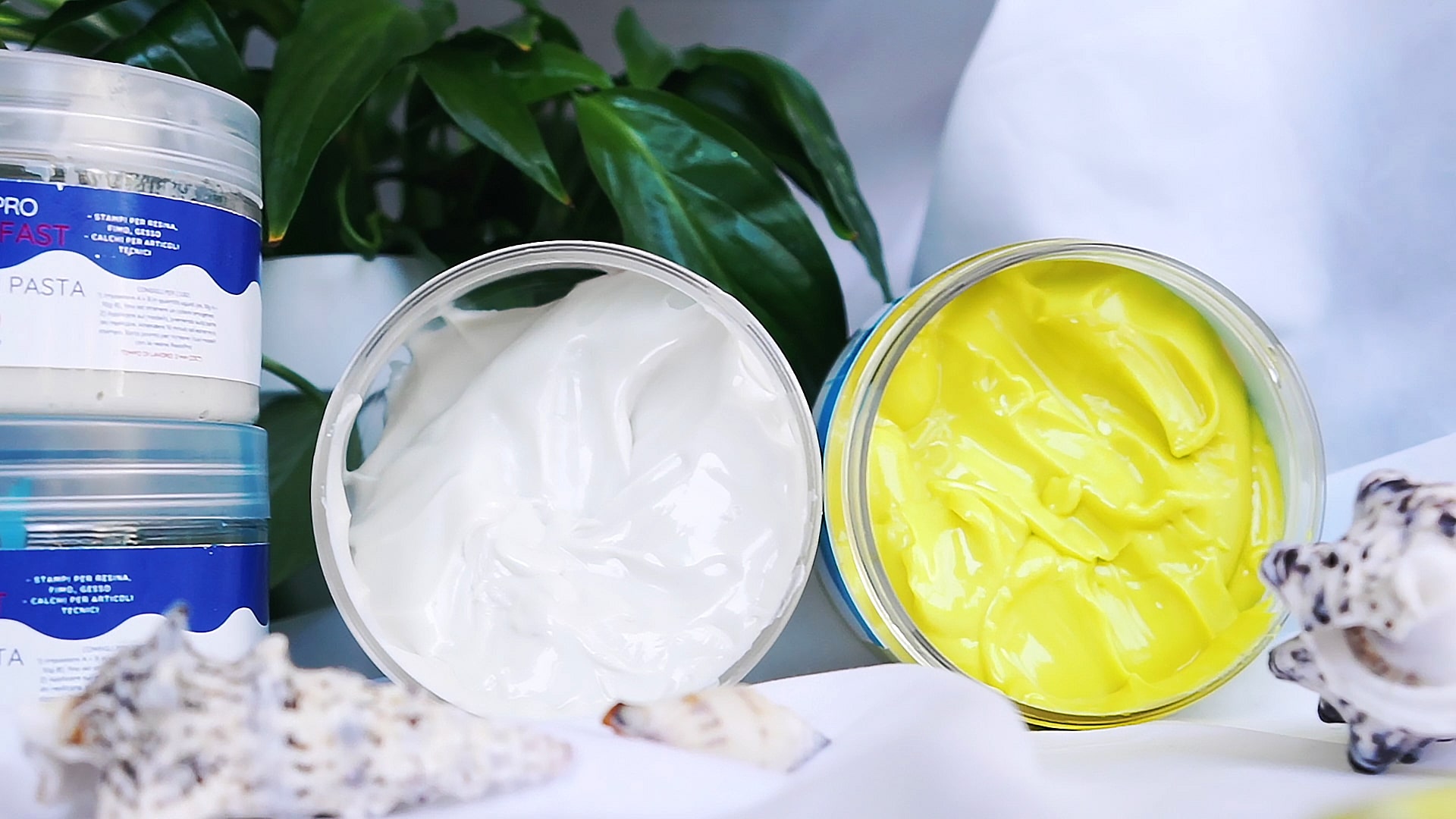
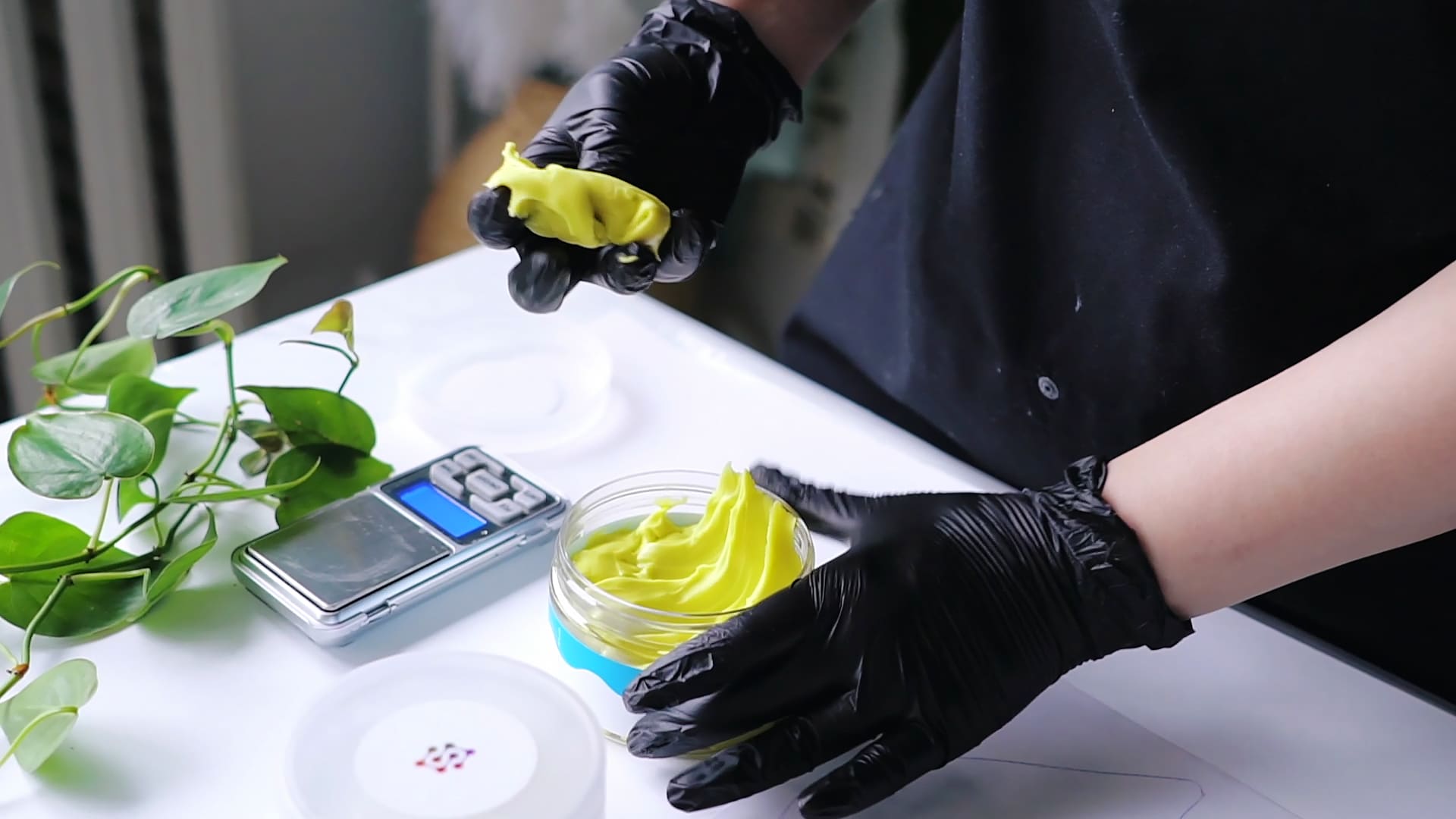
Start by setting up your workspace and preparing the item you want to mould. Liquid Mould silicone rubber is a bi-component system, meaning you’ll need to measure and mix two parts (usually labelled A and B) according to the instructions provided. Once measured, add the activator (catalyst) and thoroughly blend the components together. Consistent mixing ensures both a smooth pour and a uniform cure. As with any silicone, pour the mixture as soon as possible after addition of the catalyst to allow it to flow easily and capture intricate features.
Pouring and Curing for Best Results
Pour your mixed silicone over the master object in a gentle, steady stream to avoid introducing bubbles. For the most detailed results, consider using a pressure pot to remove trapped air if your project requires ultra-fine detail. Allow the mould to cure undisturbed – typical cure times for Liquid Mould range from 10 to 12 hours. Once cured, gently demould to reveal your finished silicone form ready for casting resin or metal.
When This Matters Most
- Making jewellery or decorative items needing sharp detail
- Producing multiple resin or metal replicas from the same master
- Complex shapes with deep undercuts or texture
Related products
Related guides
By following these fundamental steps when working with Liquid Mould, you’ll reliably create precise, reusable moulds for resin or metal work. To explore more options for detailed casting, see our main guide about catalyst usage in metal resin projects.