 Free shipping on orders over £29,85
  Shipping Tracking!


 Google
 Facebook
← Back to How much catalyst to use in metal resin?


Mixing catalyst with resin is a vital step in many mould-making and casting projects, but it’s essential to handle these materials carefully. Prioritising safe working habits helps ensure professional results and minimises potential risks.
Glove Use and Skin Contact
With epoxy resins, always wear gloves—skin exposure can cause irritation for some individuals. However, certain specialist materials, such as I–Gum silicone putty, are formulated as non-toxic and can be used safely without gloves. It’s important to confirm the specific requirements for the product in use, as handling recommendations can vary.

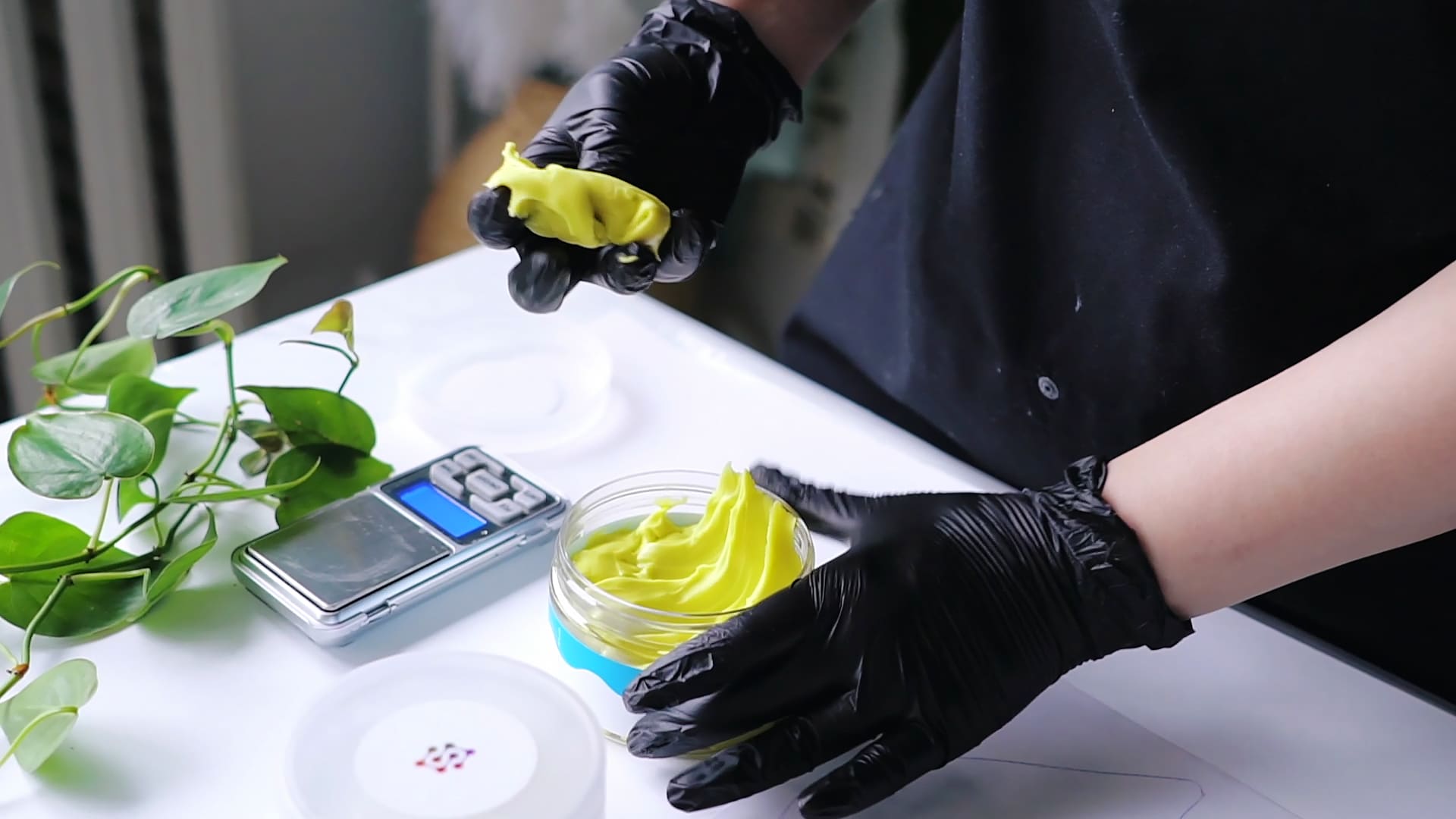
Ventilation and Surface Protection
Regardless of the resin system, work in a well-ventilated area and avoid eating or drinking nearby. Protect your workspace with a non-porous covering to keep surfaces free from spills, and have a plan for quick clean-up should catalyst or resin make contact. If using a traditional epoxy or strong-smelling catalyst, additional ventilation is recommended.
When this Matters
Paying close attention to safety is especially important when working with new materials, larger volumes, or in settings where spills and splashes are more likely. For products confirmed as non-toxic, like I–Gum, it’s still wise to wash hands afterwards and avoid unnecessary contact.

Related products
Related guides
By choosing the right safety measures—such as confirming whether gloves are required and working in a clean, ventilated space—you’ll make your catalyst-resin mixing safer and your casting projects more enjoyable. Find more guidance on safe handling and recommended ratios in our main guide to using catalyst in metal resin.