 Free shipping on orders over £29,85
  Shipping Tracking!


 Google
 Facebook
How long does resin take to dry?
From instant UV cures to deep pour projects, know your timing.
Wondering how long resin takes to dry for different types of creative and practical projects? This page is designed to help artists, crafters, and makers choose the right resin based on drying times—whether you need a quick cure for jewellery, a rapid topcoat for 3D prints, or a robust finish for large furniture pours. We break down the various options and highlight how long you can expect each resin to set, cure, and be ready to handle.
Comparison of Resin Drying Times
Not all resins cure at the same rate. The drying time varies significantly depending on the resin formulation, project scale, and curing method. For instance, UV-cured acrylic resins can harden in as little as 2–3 minutes under a UV lamp, making them ideal for fast-paced small crafts. In contrast, classic epoxy systems for deep pours, such as table-making, can take several days to reach full hardness. Fast-set epoxy resins bridge the gap with accelerated catalytic reactions, suitable for artists and makers looking for a balance between working time and rapid turnover. The right choice depends on your project size, urgency, and handling preferences.
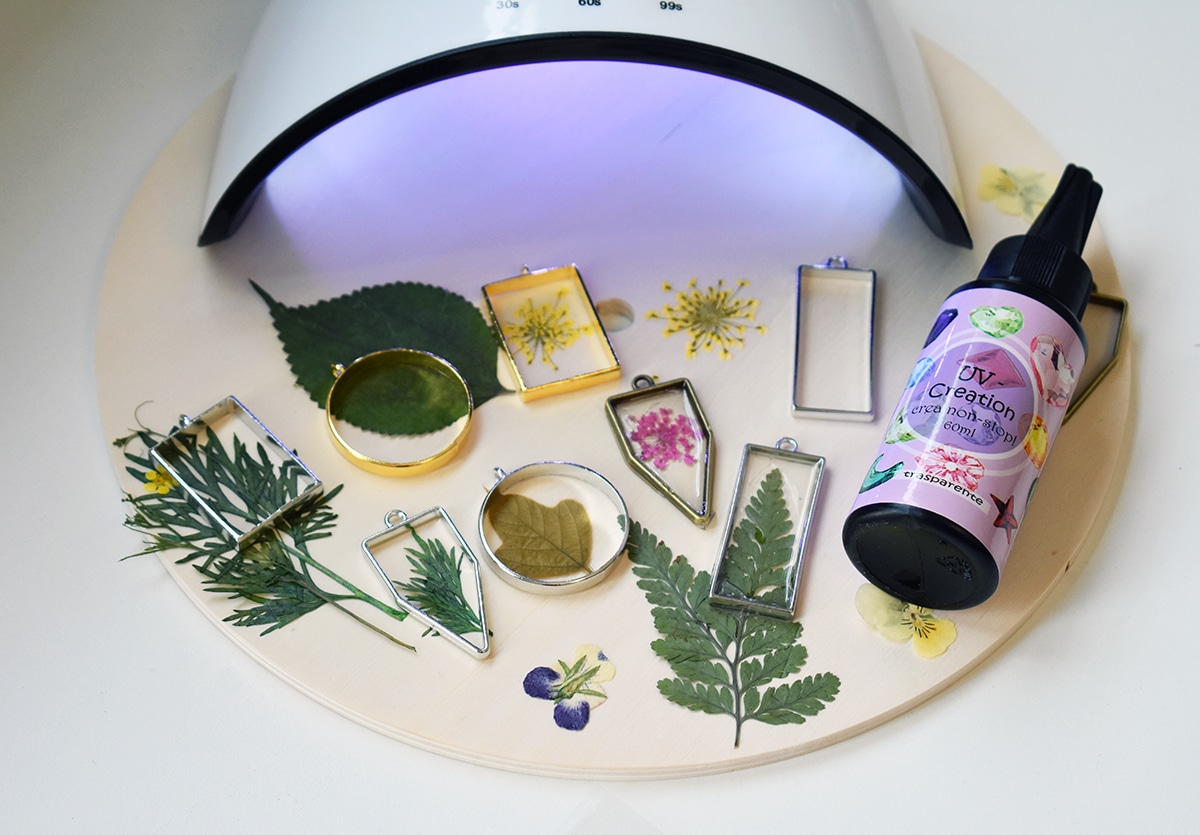
Visualising Curing Times Across Resin Types
Compare how quickly different resins cure from rapid 3-minute UV resin to deep pour epoxies that take days. Seeing the differences side-by-side helps in planning your projects and choosing the optimal material for your workflow.
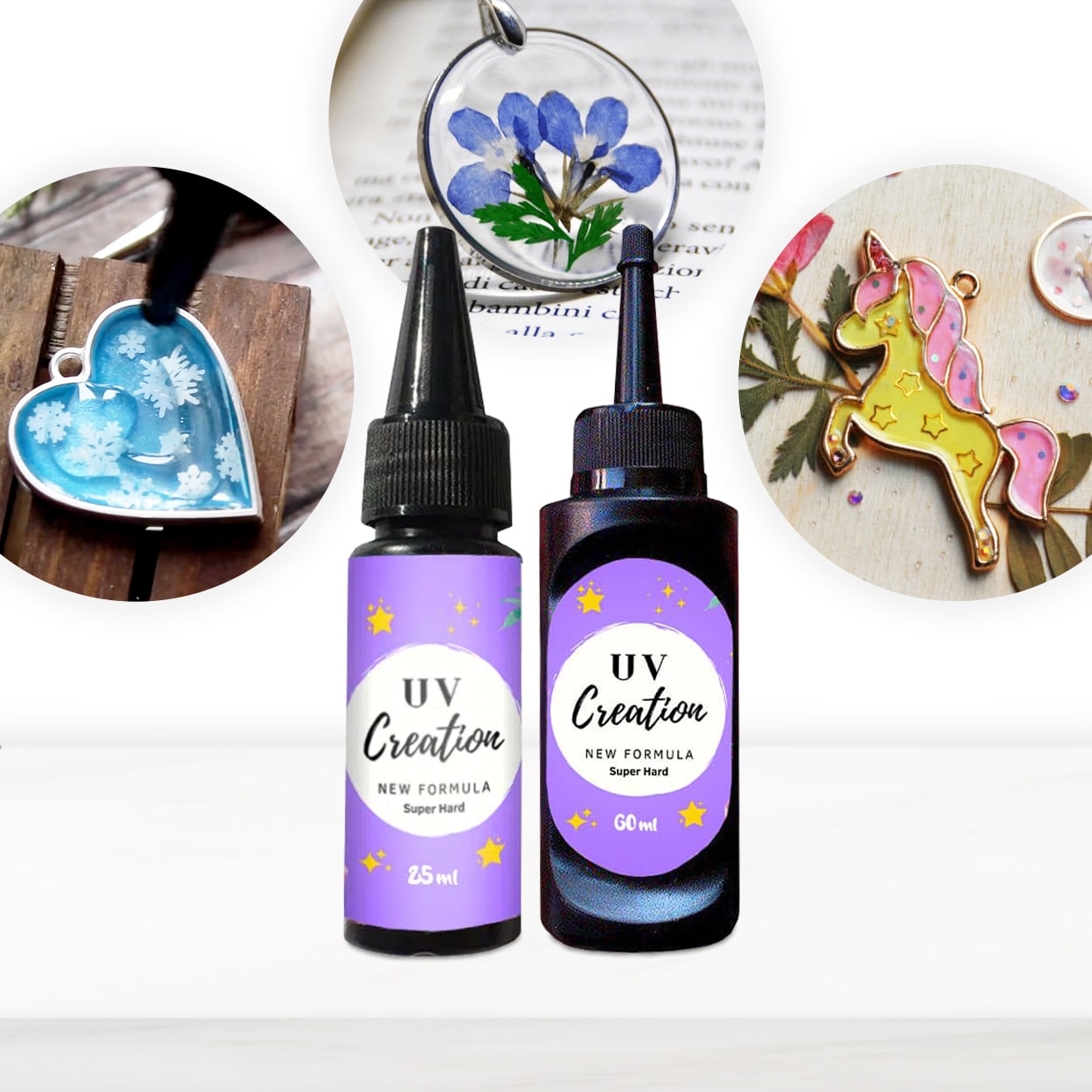
“UV–Creation” – Fast Acrylic Resin, 3 Minute UV Cure
For immediate curing, “UV–Creation” – Fast Acrylic Resin, 3 Minute UV Cure is an excellent choice. This one-component acrylic UV resin is designed specifically for jewellery makers and crafters who require instant results. Under a UV lamp, it cures in just 2–3 minutes, producing a non-yellowing, crystal-clear, and glossy finish. There is no need to mix components or wait for lengthy air cures—simply apply and cure under UV light. It is ideal for small-scale projects where speed and finish clarity are key. See more in our UV resins and accessories category.
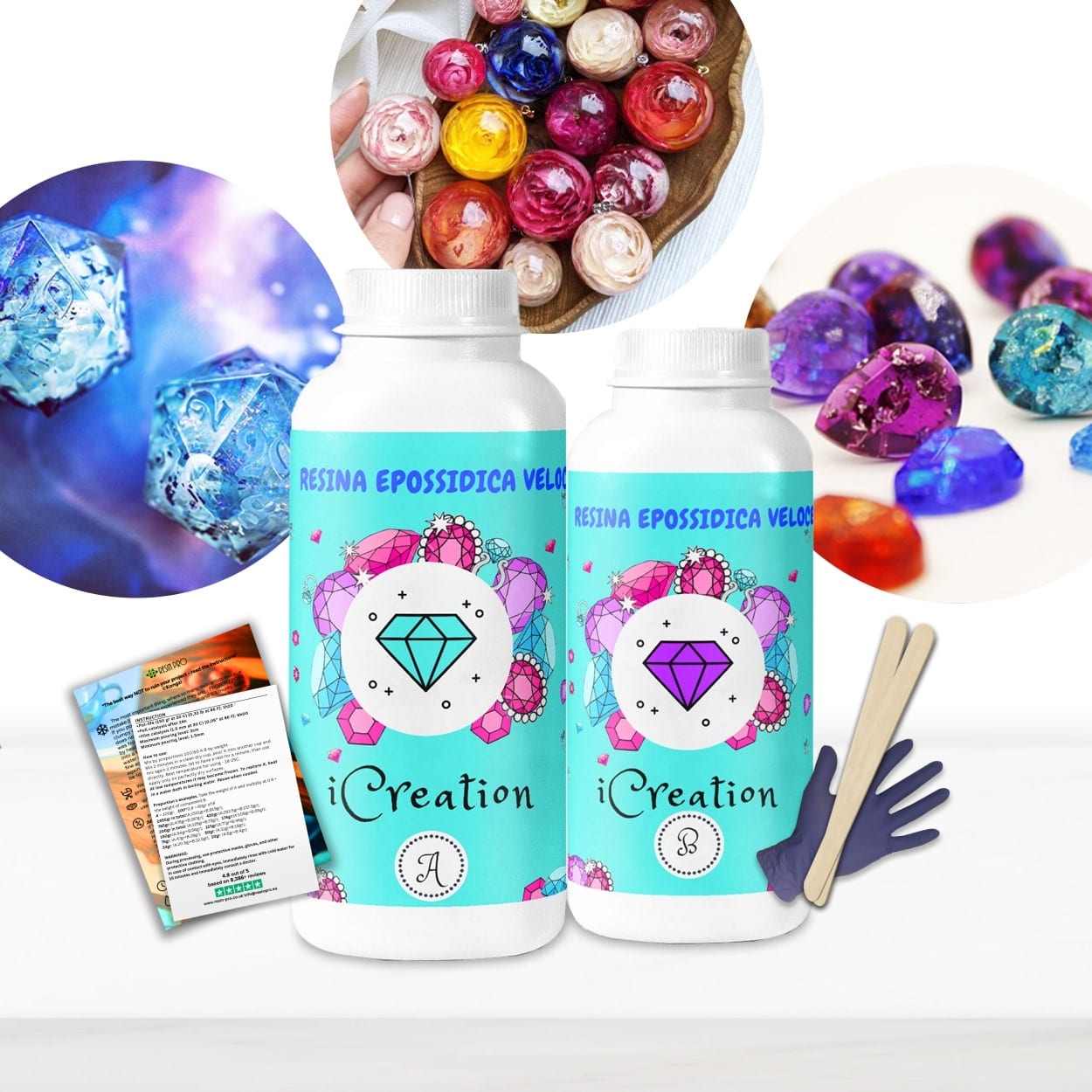
“ICreation” – Fast Epoxy Resin, 6h Demoulding, Transparent Gloss Finish
For those seeking a fast-acting two-part epoxy solution, “ICreation” – Fast Epoxy Resin, 6h Demoulding, Transparent Gloss Finish provides a substantial time advantage. This resin offers a 6-hour demoulding window and reaches full cure within 12 hours. Its simple 2:1 mixing ratio supports easy preparation without compromising clarity or finish quality. The gloss, crystal-clear surface and rapid catalysis make it well-suited for jewellery, decorative crafts, and art pieces where both speed and aesthetics matter. View our range of Resin for Jewellery for more options.
“3D Finish” – Fast Coating Epoxy Resin for 3D Prints
Post-3D-print finishing requires a resin that dries quickly and enhances the model’s surface detail. The “3D Finish” – Fast Coating Epoxy Resin for 3D Prints cures within just 4 hours at room temperature. Its advanced formula delivers a detail-preserving, glossy, and non-drip coat for PLA, ABS, and LAYWOOD materials. It’s perfect for hobbyists and professionals who want to achieve a smooth surface, fill layer lines, and protect their models without lengthy downtime. Discover more uses in our Multipurpose Epoxy Resins collection.
“EpoxyTable 5-Five” – Deep Pour Epoxy Resin for Tables and Large Projects – Up to 5cm
Larger projects, including tables and countertops up to 5cm thick, require a resin formulated for controlled exothermic reaction and extended workability. “EpoxyTable 5-Five” – Deep Pour Epoxy Resin for Tables and Large Projects – Up to 5cm is designed for these applications. Full curing is achieved in 5–7 days, with initial workability reached after around 72 hours. The slower drying time enables deep casting without overheating, creating durable, UV-resistant, and scratchproof finishes. For best results, avoid disturbances during curing to prevent imperfections in the final piece. Visit our top-sellers for other large-scale solutions.
Tips for Faster Resin Curing and Project Success
To ensure optimal curing of any resin, always follow the manufacturer’s instructions around mixing ratios, temperature, and humidity. Using a UV lamp can accelerate UV resin curing, while maintaining room temperature at 20–25°C maximises epoxy performance. Avoid exceeding product-specific pour thickness to prevent trapping bubbles or causing uneven hardening. Patience is vital for deep pour applications, as disturbing the project too early can lead to surface imperfections. If faster results are a priority, select a resin specifically formulated for rapid cures, and keep your workspace clean and well-ventilated.
Quick Curing Tips and Common Pitfalls
Keep your working environment consistent and avoid excess humidity for the best curing results. Use the right catalyst, monitor temperature, and never rush the demoulding or handling stage—especially for deep pours—to ensure a flawless finish.

- "UV–Creation" – Fast Acrylic Resin, 3 Minute UV CurePrice range: £8.45 through £62.95UV–Creation offers a fast curing, ready-to-use acrylic resin suited for jewellery making and crafting under UV light.
- "ICreation" – Fast Epoxy Resin, 6h Demoulding, Transparent Gloss FinishPrice range: £15.95 through £55.95ICREATION fast epoxy resin is designed for rapid results with a 6-hour demould and clear, glossy finish suitable for jewellery and decorative crafts.
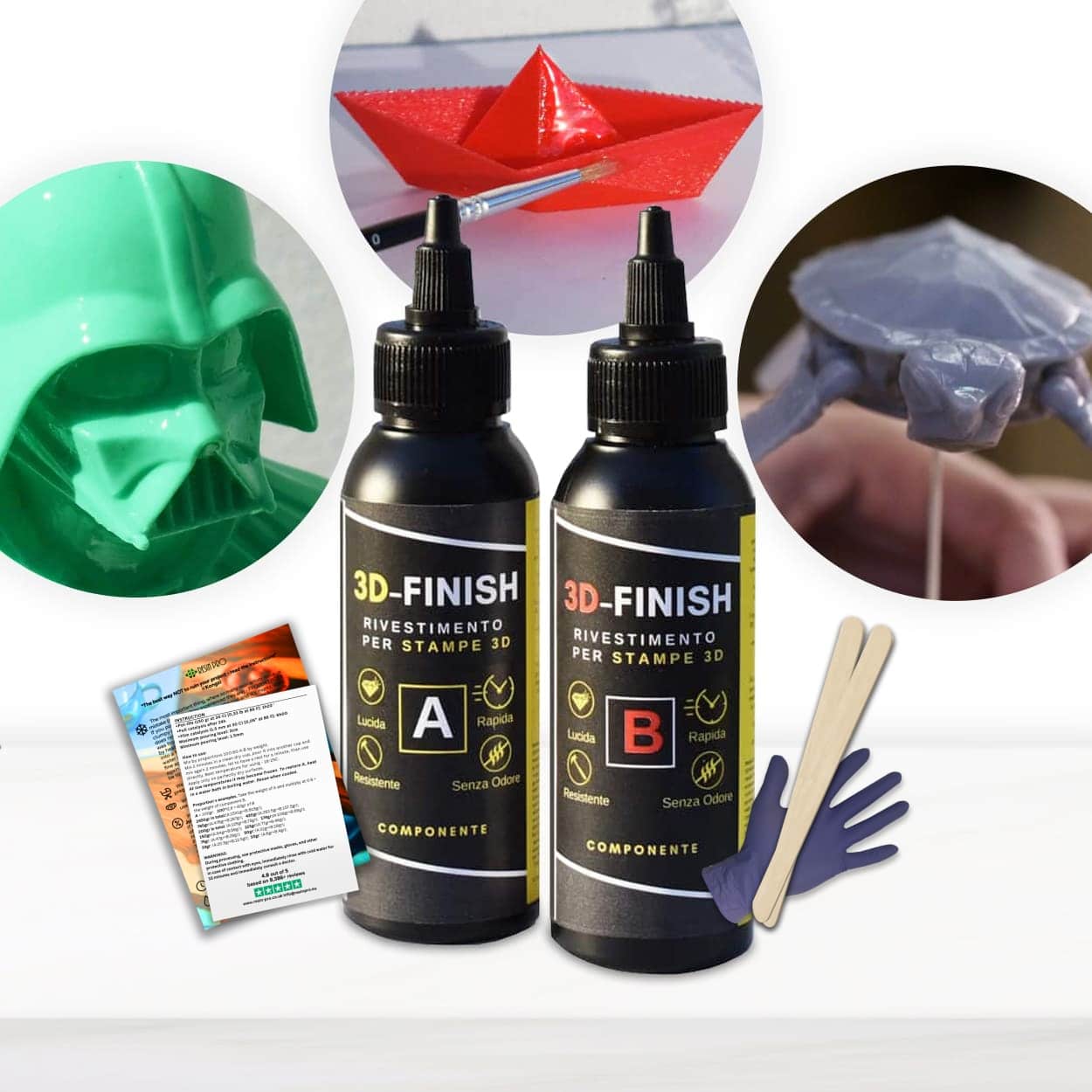 "3D Finish" – Fast Coating Epoxy Resin for 3D PrintsPrice range: £13.95 through £19.95A fast-curing epoxy resin designed for coating and repairing 3D prints with a detail-preserving, non-drip finish.
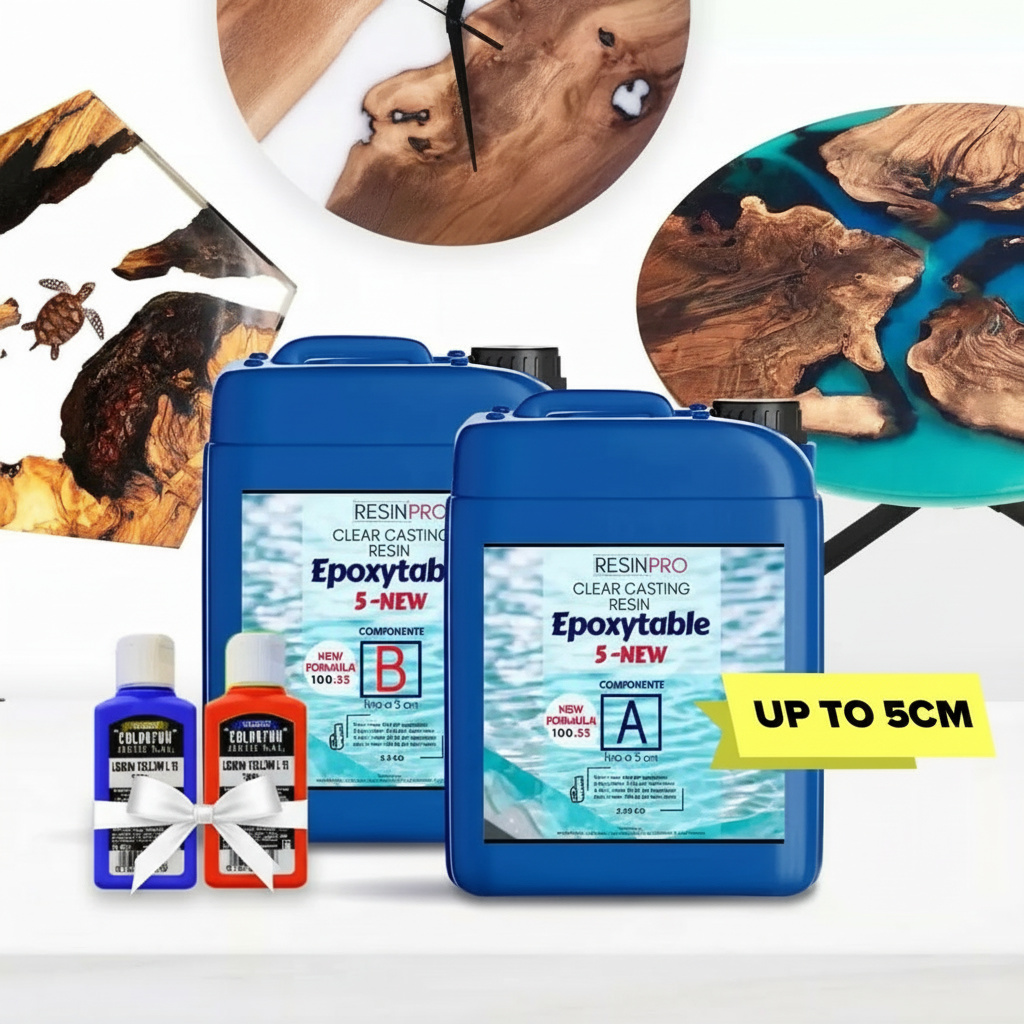 "EpoxyTable 5-Five" – Deep Pour Epoxy Resin for Tables and Large Projects – Up to 5cmPrice range: £17.95 through £1,154.95"EpoxyTable 5-Five" is suitable for deep pour projects including tables and large items up to 5cm thick, offering long working time and UV resistance.
Frequently Asked Questions
Can you speed up resin drying time?
Speed depends on the type of resin. UV-curable resins can be accelerated with stronger lamps, while epoxies respond best to optimal temperature and correct ratios.
What type of resin dries the fastest?
UV-cured acrylic resin dries in just 2–3 minutes under a UV lamp, making it the quickest option for small projects.
How long before resin can be handled?
Handling times vary: from a few minutes for UV resin, 4 to 6 hours for fast epoxy, up to 3 days for deep pour epoxy before it reaches workability.
Does thickness affect resin drying time?
Yes, thicker pours require slower curing resin to prevent overheating and often take several days to fully harden.
Can you layer fresh resin over partially cured resin?
It is best to wait until the previous layer is tacky but not fully cured. This helps new layers bond without leaving marks or ripples.
Is UV resin suitable for large crafts?
UV resin is typically best for small items. Curing large volumes evenly is challenging, so epoxies are a better choice for big projects.