 Free shipping on orders over £29,85
  Shipping Tracking!


 Google
 Facebook
How much does it cost to install a resin floor?
Explore key factors, compare kits, and choose the best resin.
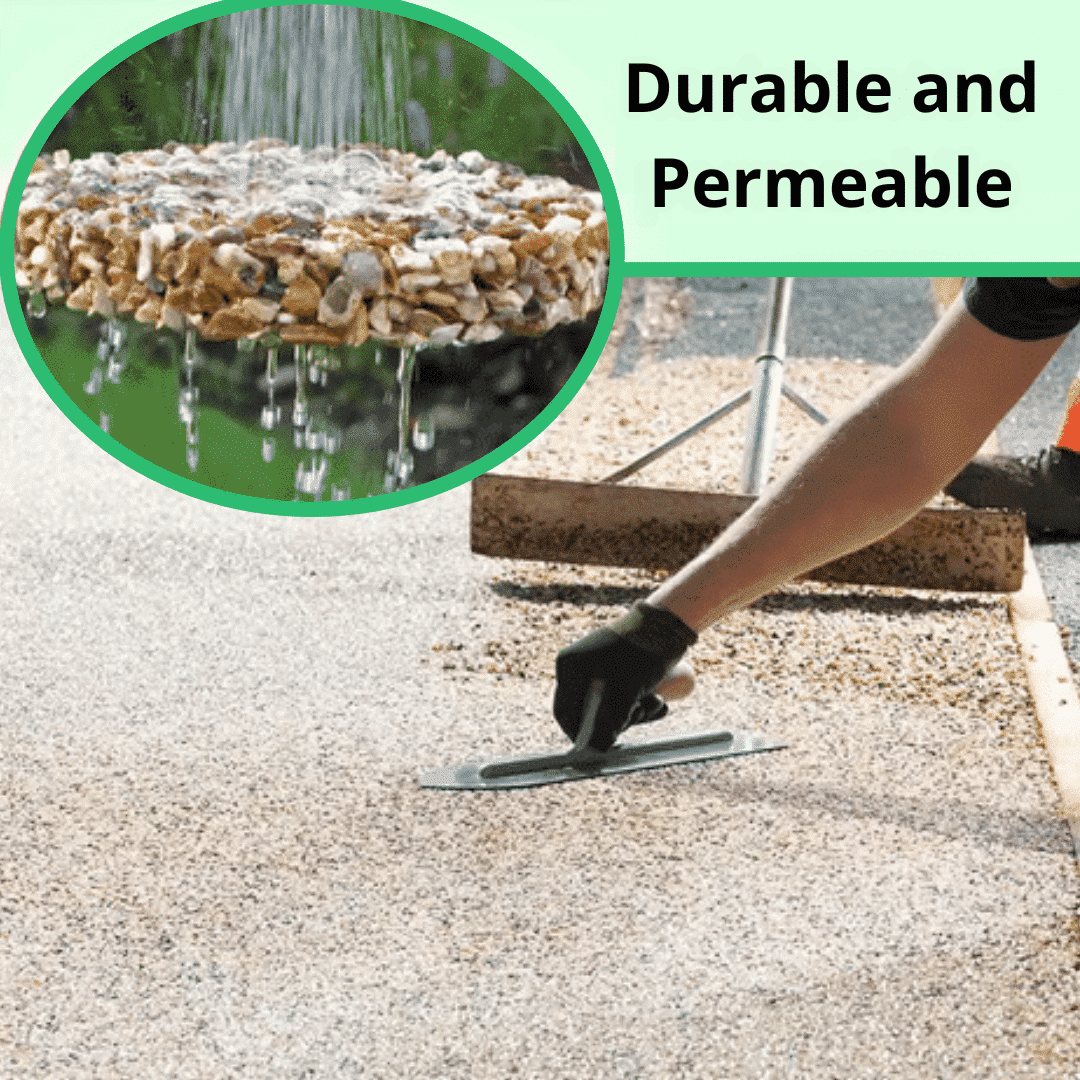
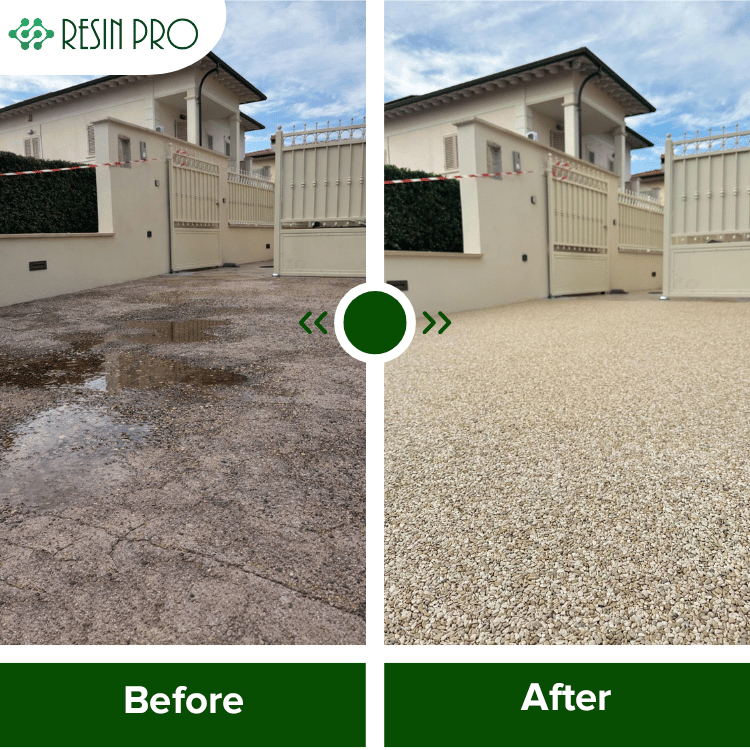
The cost to install a resin floor depends on your chosen system, surface type, preparation requirements, and the performance you expect long term. This page guides UK homeowners, tradespeople, and DIYers through the options for resin floor installation, what drives costs up or down, and which products best fit different outdoor and indoor uses.
Resin Floor Installation Costs: Key Factors and Product Comparisons
Resin floor installation costs are shaped by several factors: material type (full floor kit, resin binder or primer only), area size, complexity, and whether you’re tackling it yourself or hiring a contractor. Complete kits can offer value for larger jobs and include guidance to avoid mistakes, while choosing an individual resin or binder is useful for targeted projects or repairs. The table below highlights the main differences between some of our top solutions:
- Comprehensive kits like the “Flowstone” – Complete Permeable Floor Kit with Pebbles and Resin bundle stone and resin, saving time and reducing material waste.
- Resin binders such as “Trasparente” – Epoxy Binder for Coloured Pebbles and Grits are ideal for those already sourcing their own aggregates, offering UV-resistance and a crystal-clear finish.
- Specialist solutions—for example, “Resinstone” – One-Component Methacrylic Resin—increase durability and moisture protection for concrete driveways and high-wear areas, helping reduce long-term maintenance costs.
- A high-quality floor primer such as “Epoxyprimer” – Universal Water-Based Two-Component Epoxy Floor Primer is important to ensure adhesion and longevity, minimising future repairs.
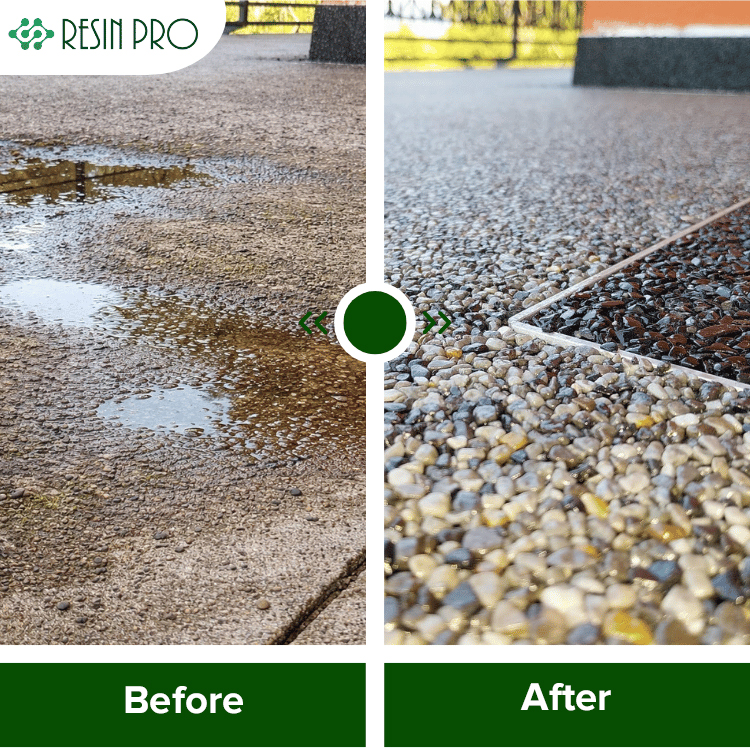
What Affects Resin Floor Installation Costs?
Material type, preparation required, and surface area are the three main factors shaping your total spend. Full kits like Flowstone lower waste and simplify planning, while tailored resins let you focus spending where it matters for performance or appearance.
“Flowstone” – Complete Permeable Floor Kit with Pebbles and Resin
If you’re looking for a straightforward, all-in-one solution for outdoor driveways, footpaths or patios, the “Flowstone” – Complete Permeable Floor Kit with Pebbles and Resin covers both the aggregates and binders, with clear instructions and resin guidance included. Designed for UK weather, it allows water to drain—preventing puddles, frost damage and surface wear. The kit’s Permeable solution makes it ideal for gardens and driveways needing effective drainage. It’s Cost-effective renewal for old or worn surfaces, and the range of finishes on offer—the Customisable finish—lets you match your landscape or style. With Simple application, it suits both first-time DIYers and professionals.The long-term savings come from low maintenance and lasting appearance if the right resin is selected for your chosen aggregate colour.
“Trasparente” – Epoxy Binder for Coloured Pebbles and Grits
For those with bespoke tastes or existing aggregates, the “Trasparente” – Epoxy Binder for Coloured Pebbles and Grits enables fully personal, decorative floors. Its Crystal-clear epoxy resin maintains and showcases the vibrancy of coloured stones and dark aggregates, while the UV-resistant and non-yellowing properties protect the finish against fading. Low viscosity promotes thorough coating and easier mixing, making it suitable for smaller projects or those seeking fast application. It’s also Certified non-toxic after curing, so it’s a safe choice for family or public areas. For professionals, it means shorter installation times—potentially reducing labour costs overall.
“Resinstone” – One-Component Methacrylic Resin for Concrete Floors and Driveways
Upgrading or protecting concrete floors often involves balancing cost, durability, and ease of use. The “Resinstone” – One-Component Methacrylic Resin brings weatherproofing with Waterproof and Durable protection against abrasion, chemicals, and UV. With Quick drying properties and flexible use across garages, outdoor paths or even commercial spaces, it can efficiently add value and life to heavily-used surfaces. For both professionals and DIYers, this translates to less downtime and reduced risk of premature repairs.
“Epoxyprimer” – Universal Water-Based Two-Component Epoxy Floor Primer
Every long-lasting resin floor starts with a dependable primer. “Epoxyprimer” – Universal Water-Based Two-Component Epoxy Floor Primer offers Superior adhesion to a wide variety of surfaces from concrete to timber, screeds and ceramic. Its Eco-friendly & odourless nature means it’s safe for indoor use. Strong primer coverage during install can make the difference in future re-coating needs—protecting your initial investment. Its Versatile compatibility and Simple application help prevent early product failures or warranty issues, keeping long-term costs predictably low.
Advice for Reducing Resin Floor Installation Costs
To minimise your spend without sacrificing results, match the product to your sub-base and intended use. Outdoor areas with high water run-off benefit from permeable systems like Flowstone. For vivid, bespoke finishes, be sure to select the right binder—such as Trasparente—paired with UV-resistant technology. Completing the surface prep steps with a dedicated primer like Epoxyprimer can prevent costly issues later. And, above all, follow mixing and application instructions closely as improper ratios or poor moisture control are the most common sources of unexpected expense. For unique design requirements or challenging substrates, investing in a specialist resin such as Resinstone can pay off in the form of longer life and reduced maintenance.
Cost-Saving Tips for Resin Floors
Plan application timing—work when temperatures are moderate and forecast is dry. Prep surfaces carefully to avoid costly rework. Select the right resin for your aggregate and sub-base from the start. This limits repair or replacement costs later on.
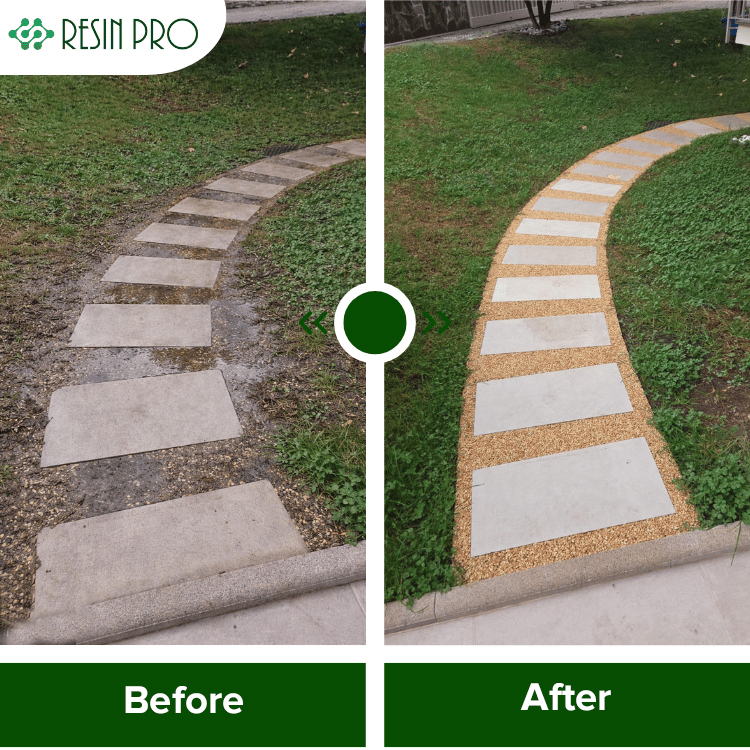
- "Flowstone" – Complete Permeable Floor Kit with Pebbles and ResinPrice range: £49.95 through £3,915.45Flowstone offers a durable, permeable pebble and resin kit for outdoor surfaces with guidance for correct resin use and simple application.
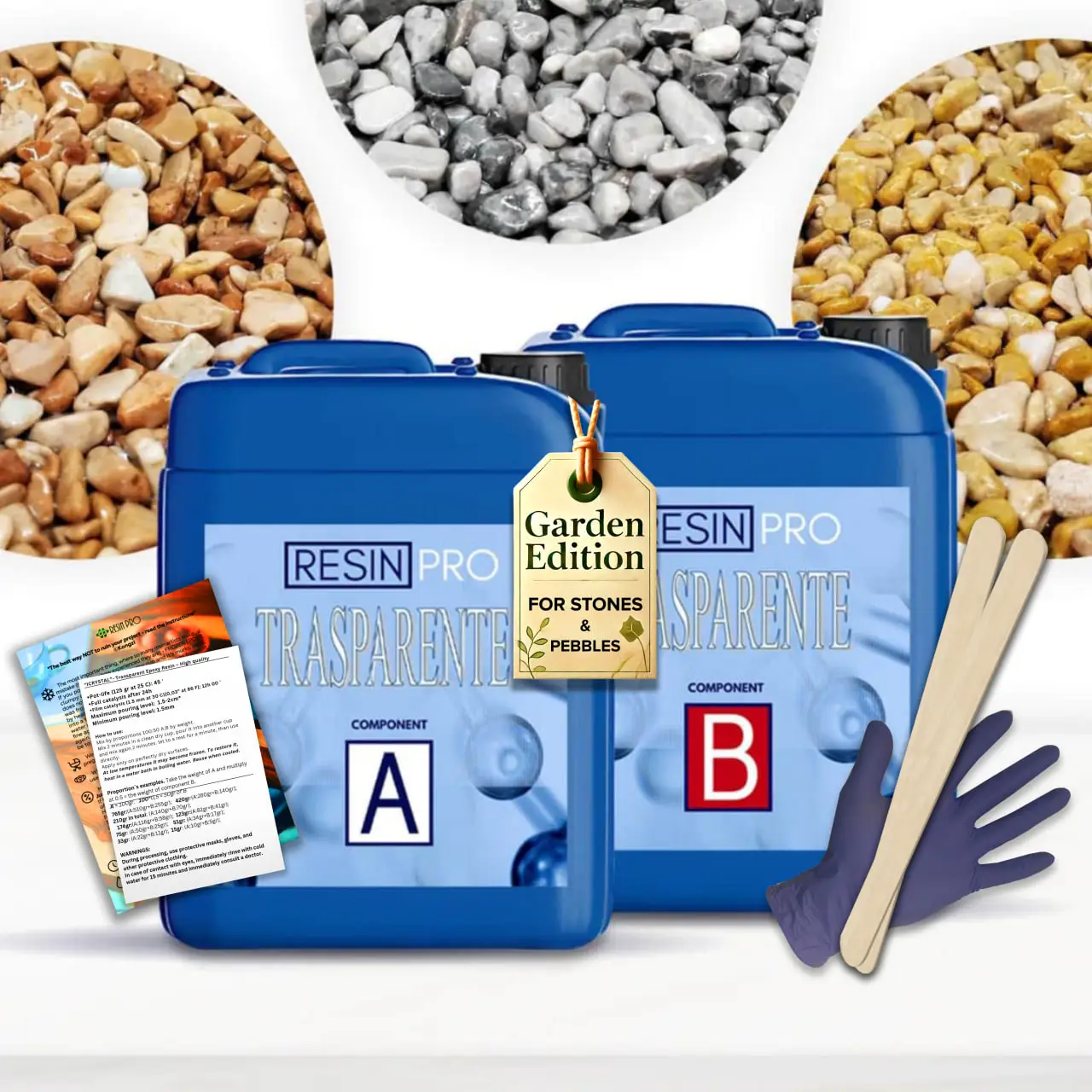 "Trasparente" – Epoxy Binder for Coloured Pebbles and GritsPrice range: £33.45 through £397.95"Trasparente" is a clear, low viscosity epoxy binder suitable for coloured pebbles and grits, designed for flooring applications requiring UV…
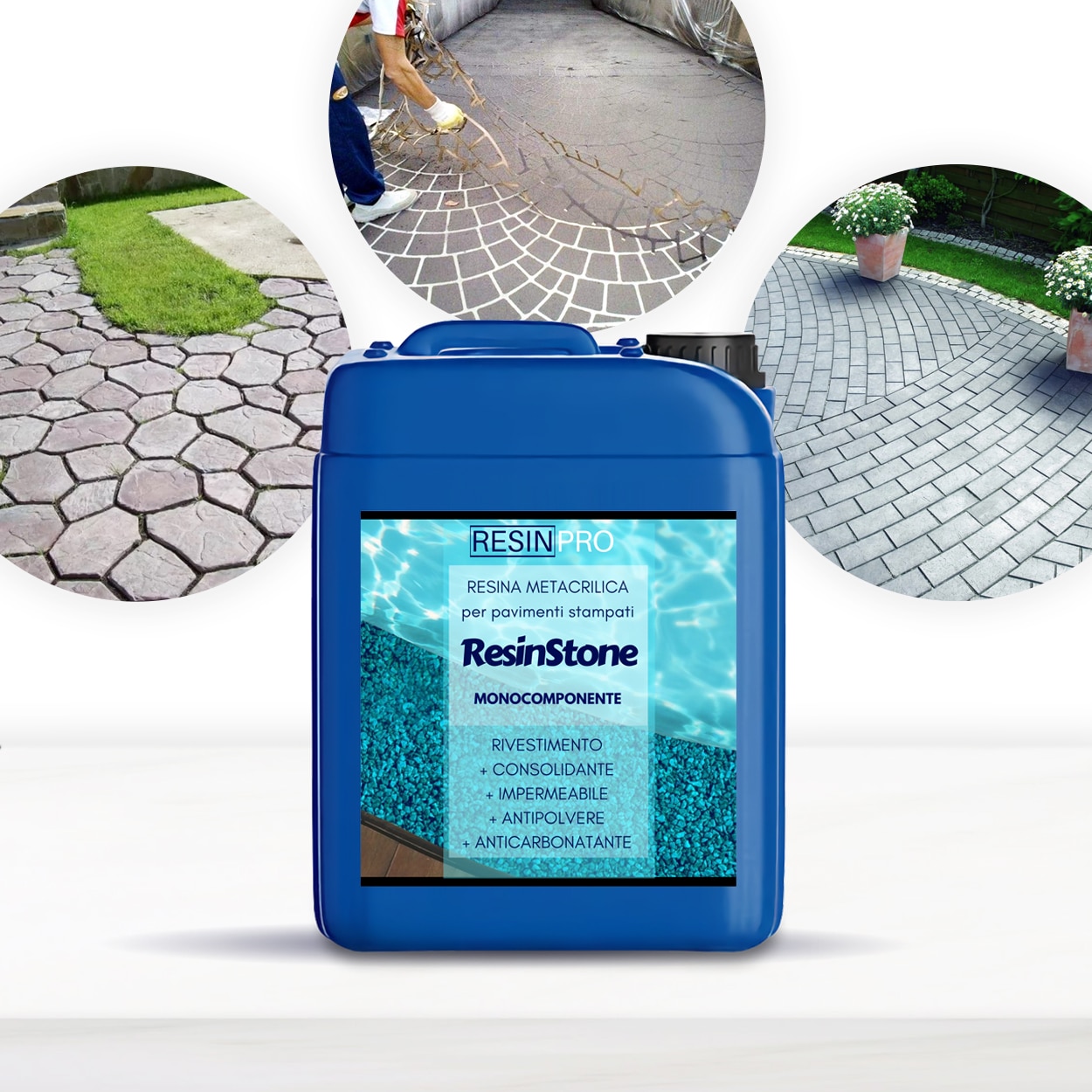 "Resinstone" – One-Component Methacrylic Resin for Concrete Floors and DrivewaysPrice range: £36.71 through £336.48Resinstone is a one-component methacrylic resin designed for sealing and protecting concrete floors and driveways, with durable and quick-drying…
 "Epoxyprimer" – Universal Water-Based Two-Component Epoxy Floor PrimerPrice range: £156.45 through £286.45"Epoxyprimer" is a water-based epoxy floor primer offering reliable adhesion and durability for concrete, tiles, screed, and timber surfaces.
Frequently Asked Questions
What types of resin do you offer for flooring?
We offer resins for industrial cement-based floors, coloured self-levelling floors, garage floors, permeable pebble flooring and tile coatings.
What are the advantages of resins compared to other flooring materials?
Resins offer high wear resistance, easy maintenance, durability, waterproofing and a highly customisable aesthetic.
Are specific weather conditions required for resin application?
Yes, avoid very low or high temperatures and high humidity to ensure proper adhesion and curing during resin floor installation.
What is a permeable floor?
A permeable floor lets rainwater pass through, preventing puddles and reducing flooding risk. It uses resin and granules for optimal drainage.
What are the advantages of a permeable floor?
Key benefits include attractive appearance, low costs, water drainage, weather resistance, anti-slip surface, low maintenance and DIY suitability.
Can I install a permeable floor myself?
Absolutely. The application is straightforward with full instructions and suits DIYers. For large surfaces, a cement mixer is recommended.
Are permeable floors suitable for high-traffic areas?
Yes, resin and granule permeable floors are sturdy and withstand pedestrian and vehicle traffic when correctly installed with the right materials.
Can RESINSTONE be used as a gravel binder for existing gravel surfaces or only on concrete?
RESINSTONE is designed for absorbent surfaces like concrete; for loose gravel surfaces, a dedicated stone binder should be used instead.