 Free shipping on orders over £29,85
  Shipping Tracking!


 Google
 Facebook
How durable is resin flooring?
What to expect from resin floors outdoors and indoors
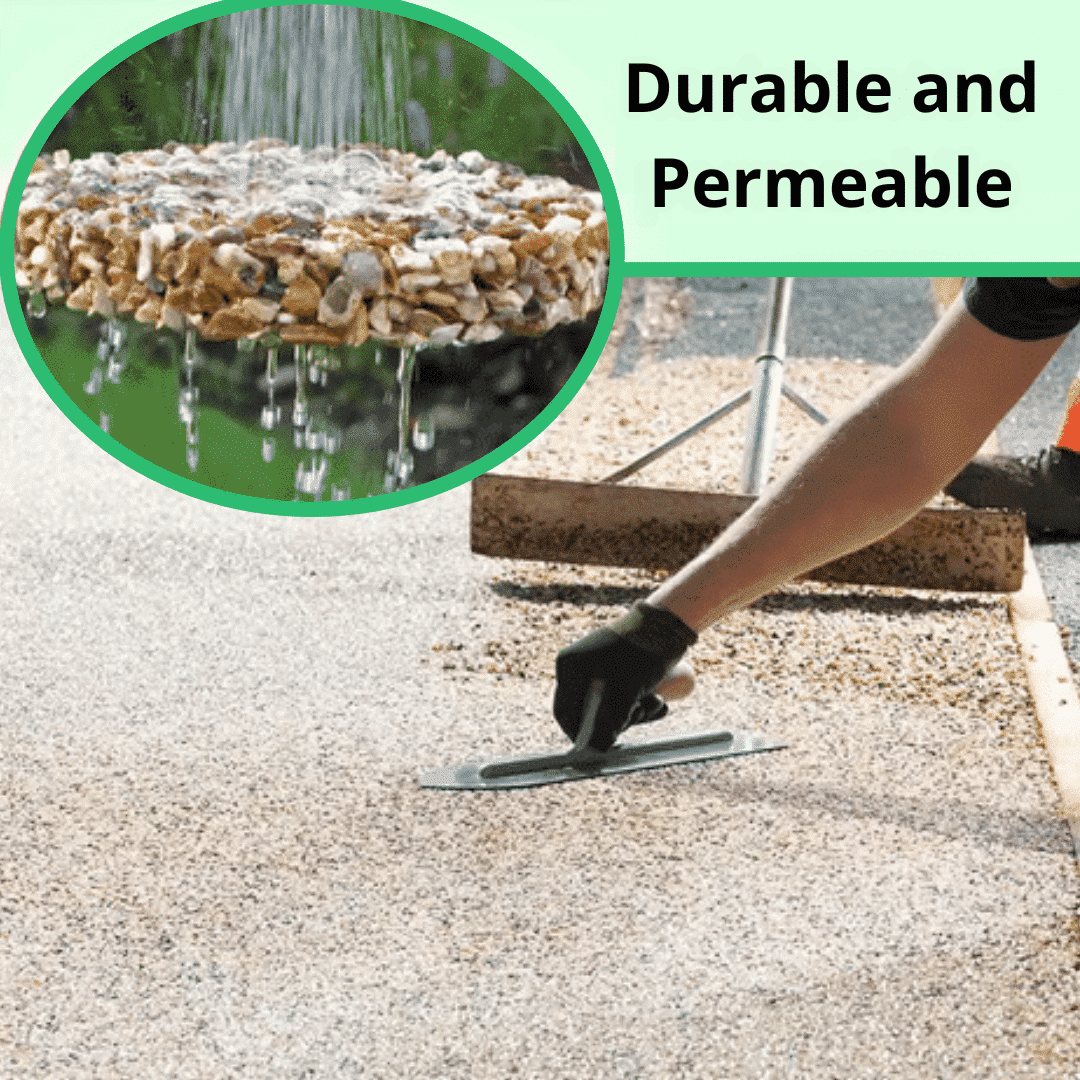
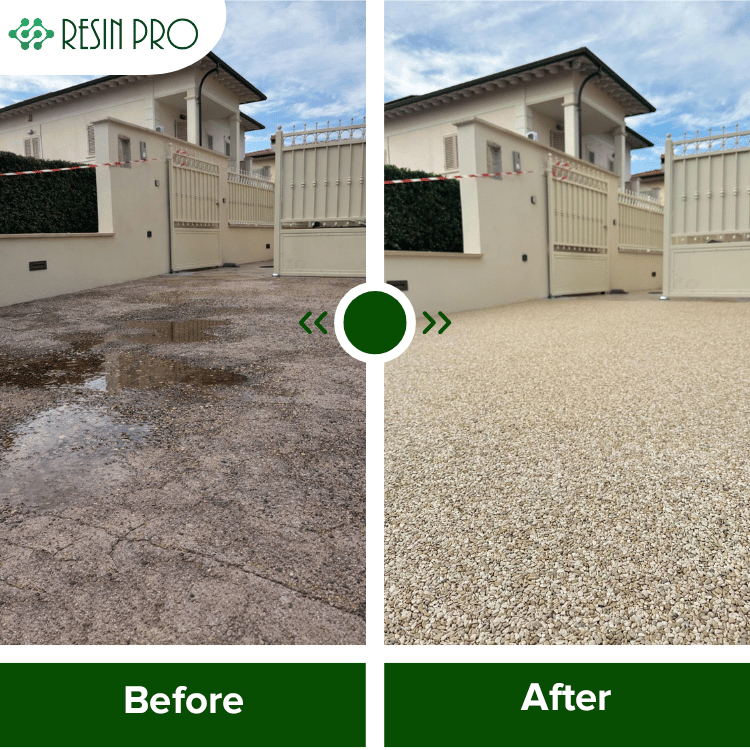
Resin flooring has become a popular choice for homeowners and professionals seeking robust, low-maintenance surfaces. This page explores the factors that affect the durability of resin flooring, compares leading resin systems for a variety of indoor and outdoor uses, and helps you select the right option for your environment—whether you need to withstand vehicle traffic, weather exposure, or simply want a long-lasting decorative solution.
Comparing Resin Flooring Durability Across Systems
Not all resin floors are created equal when it comes to withstanding the stresses of daily use, harsh weather, and UV exposure. The core differences arise from the type of resin binder used, how it interacts with aggregates or surfaces, and the final finish it provides. Polyurethane coatings, for example, offer outstanding resistance to abrasion and sunlight, while specialist methacrylic resins deeply penetrate porous substrates for superior water and chemical resistance. Epoxy binders, especially those designed for coloured pebbles, combine clarity with mechanical strength—making them suitable for vibrant, durable outdoor floors. Choosing the right flooring system depends on whether you prioritise drainage, UV stability, ease of application or suitability for driveable areas.
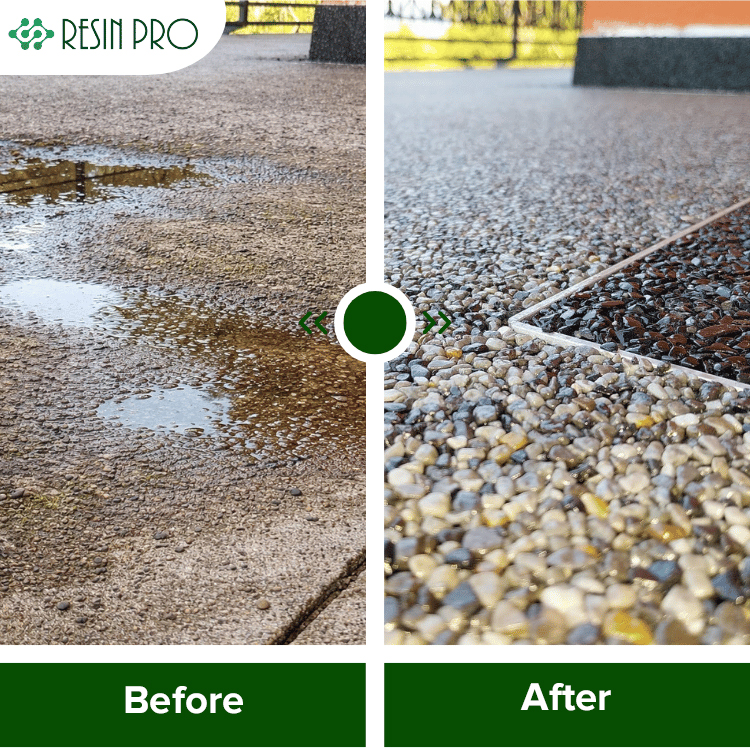
See Resin Flooring in Action
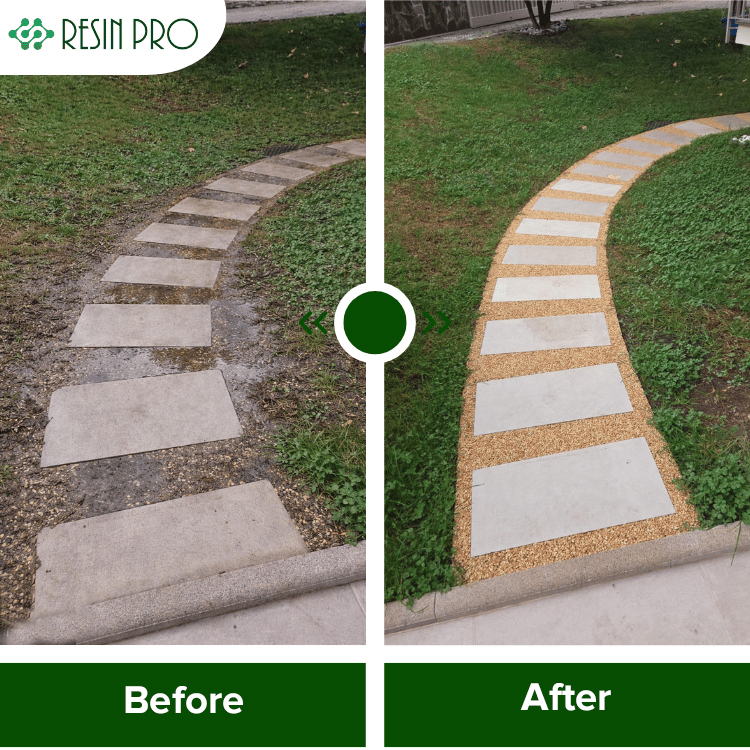
Visualise the finish and durability of resin floor systems through real-world project photos. Explore how pebble and resin kits, epoxy binders, and polyurethane coatings transform driveways, patios and interiors—delivering practical, beautiful surfaces that last.
“Flowstone” – Permeable Pebble and Resin System
The “Flowstone” – Complete Permeable Floor Kit with Pebbles and Resin is ideal for driveways, footpaths, and patios where water drainage and surface durability are paramount. Its design leverages a combination of strong resin binders and decorative pebbles to create a robust surface that naturally allows rainwater to pass through. By using non-yellowing polyurethane for white stones and low-yellowing epoxy for coloured aggregates, “Flowstone” preserves colours over time and stands up to wear from foot and vehicle traffic. It’s customisable for finish and granule size and comes with step-by-step application guidance to ensure reliable results for both DIYers and professionals.
“Prolux” – Polyurethane Coating for High-Stress Surfaces
The “Prolux” – PU coating for tiles, concrete, plastic and metal – suitable for driveable surfaces delivers an advanced, two-component polyurethane finish engineered for longevity on multiple substrates. Its formula boasts advanced protection against UV, yellowing, abrasion, and general weathering, making it exceptionally robust for heavily trafficked interiors, outdoor parking, and even prepared metal surfaces. Available in gloss or satin—including custom colours—”Prolux” delivers high coverage with a single coat. CE marked and compliant, it is the top choice where resilience and professional-grade aesthetics are required.
“Resinstone” – Durable Methacrylic Resin for Concrete
“Resinstone” – One-Component Methacrylic Resin for Concrete Floors and Driveways gives concrete surfaces a protective boost by deeply penetrating and sealing the substrate. This not only increases resistance to wear, oil stains, and chemicals, but also provides waterproof yet breathable protection that keeps floors safe from moisture damage. With quick-drying properties, “Resinstone” is ideal for garages, driveways, patios, and any exposed concrete needing long-term durability, indoors or out.
“Trasparente” – Epoxy Binder for Decorative and Functional Pebble Floors
The “Trasparente” – Epoxy Binder for Coloured Pebbles and Grits stands out for its crystal-clear epoxy resin base that’s UV-resistant and non-yellowing. Formulated to encapsulate coloured pebbles and grits effectively, it delivers a hard-wearing, decorative permeable floor that’s safe for skin contact post-cure. With low viscosity for easy mixing and efficient impregnation, “Trasparente” ensures the aggregate is strongly bound, providing mechanical protection in outdoor driveways, paths, and garden projects where aesthetics and physical endurance go hand-in-hand.
Longevity Tips and Important Considerations for Resin Floors
Achieving maximum durability from your resin floor is not only about choosing the right product—it’s also down to surface preparation, application in suitable weather, and following manufacturer instructions. Always ensure the substrate is clean, dry, and compatible with your chosen resin system. For outdoor floors, opt for UV-resistant and abrasion-proof coatings or binders, especially in high-traffic or exposed locations. Moisture-sensitive areas benefit from the breathable qualities of methacrylic resins. Remember, using the correct binder for your aggregate or concrete type—such as non-yellowing polyurethane for light stones—further ensures vibrant, long-lasting results.
Surface Types and Aftercare for Resin Floors
Match your resin system to the specific demands of your location—concrete garages, permeable driveways, footpaths or decorative pebble zones. Regular cleaning and timely reapplication of coatings help preserve mechanical strength, water repellence and colour brilliance for years.
- "Flowstone" – Complete Permeable Floor Kit with Pebbles and ResinPrice range: £49.95 through £3,915.45"Flowstone" permeable pebble and resin kit provides a durable, draining surface for outdoor use, with customisable colours and simple application.
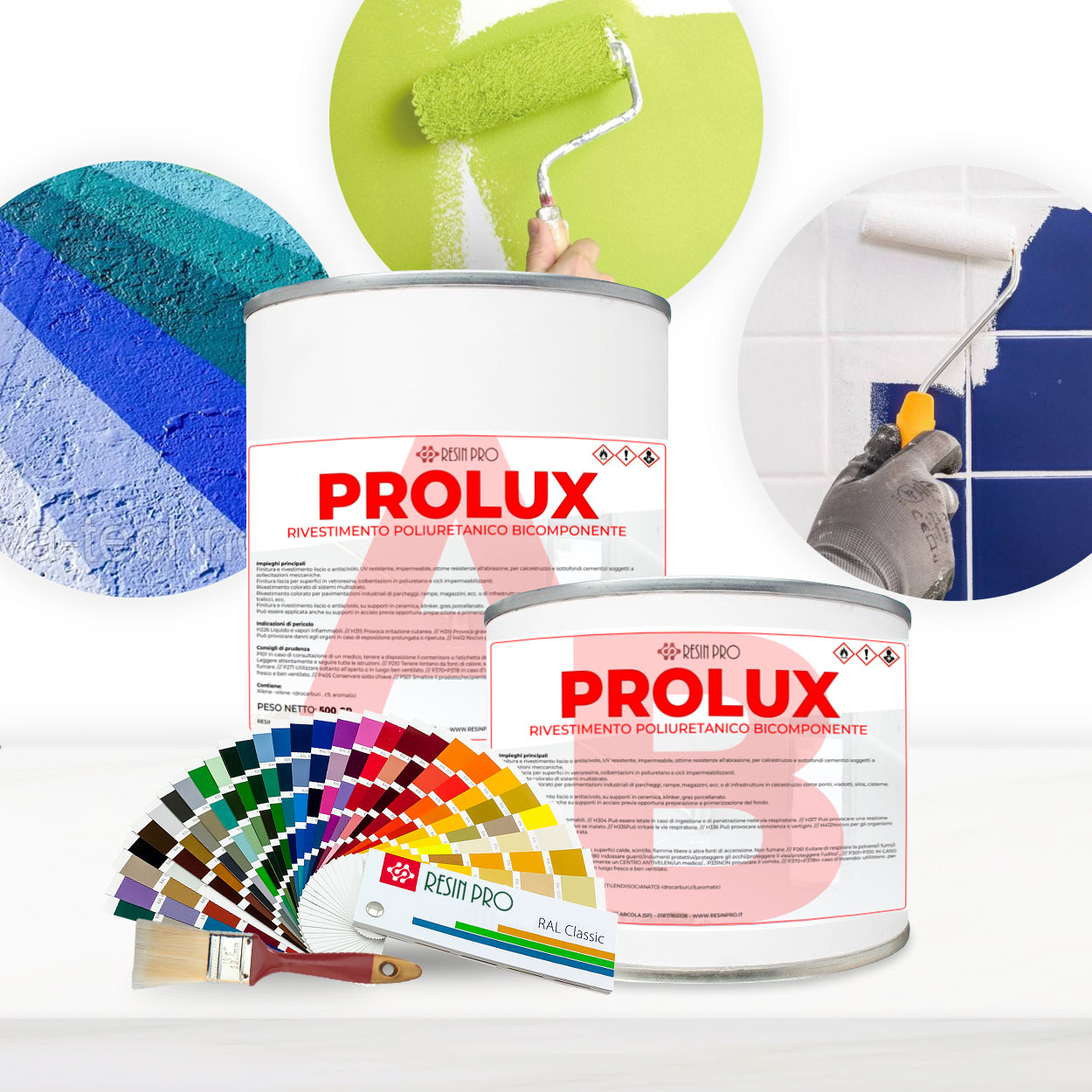 "Prolux" – PU coating for tiles, concrete, plastic and metal – suitable for driveable surfacesPrice range: £44.85 through £494.85"Prolux" offers a polyurethane finish resistant to UV, abrasion, and weathering, suitable for various surfaces including floors and driveable areas.
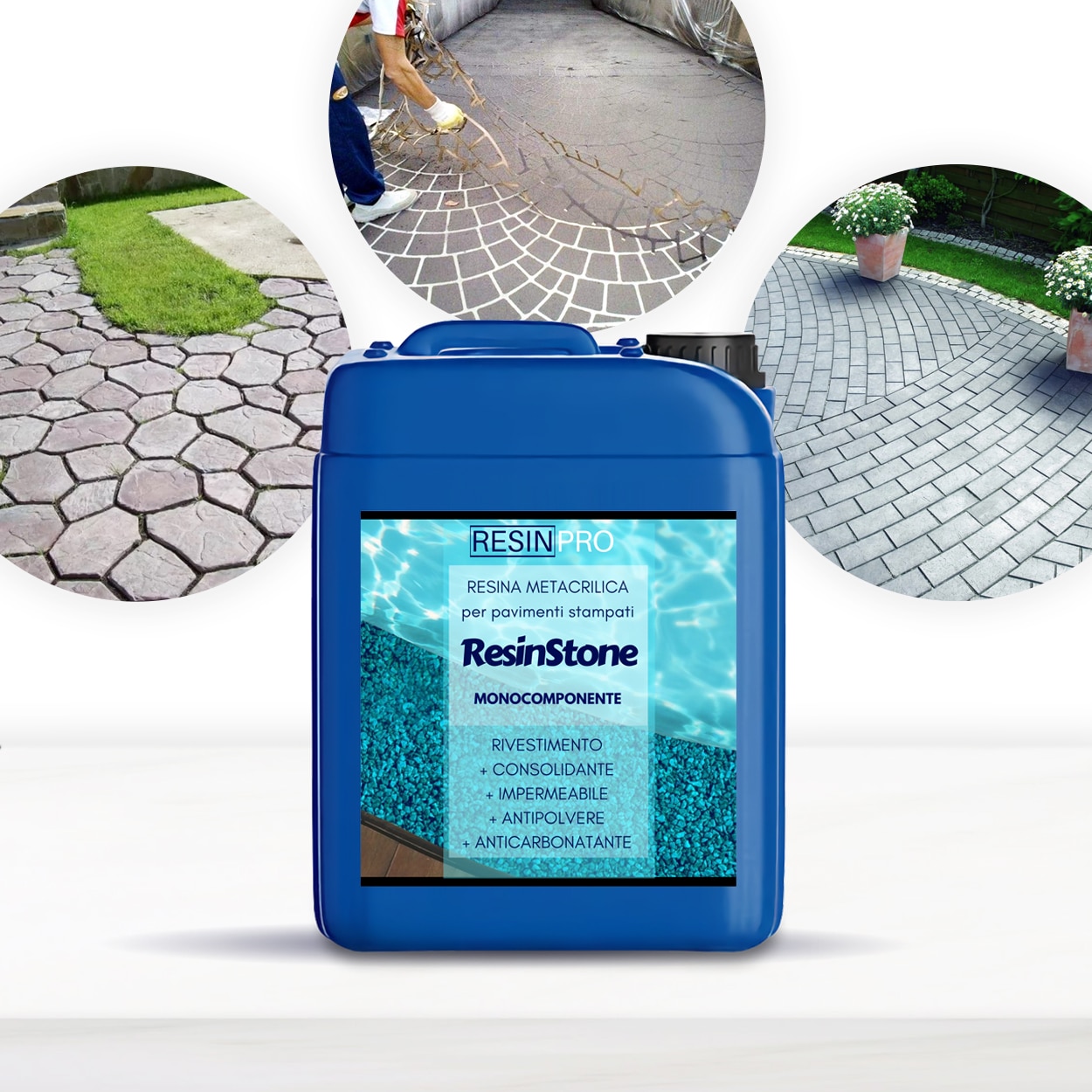 "Resinstone" – One-Component Methacrylic Resin for Concrete Floors and DrivewaysPrice range: £36.71 through £336.48"Resinstone" is a methacrylic resin designed for sealing and protecting concrete floors and driveways with durable resistance.
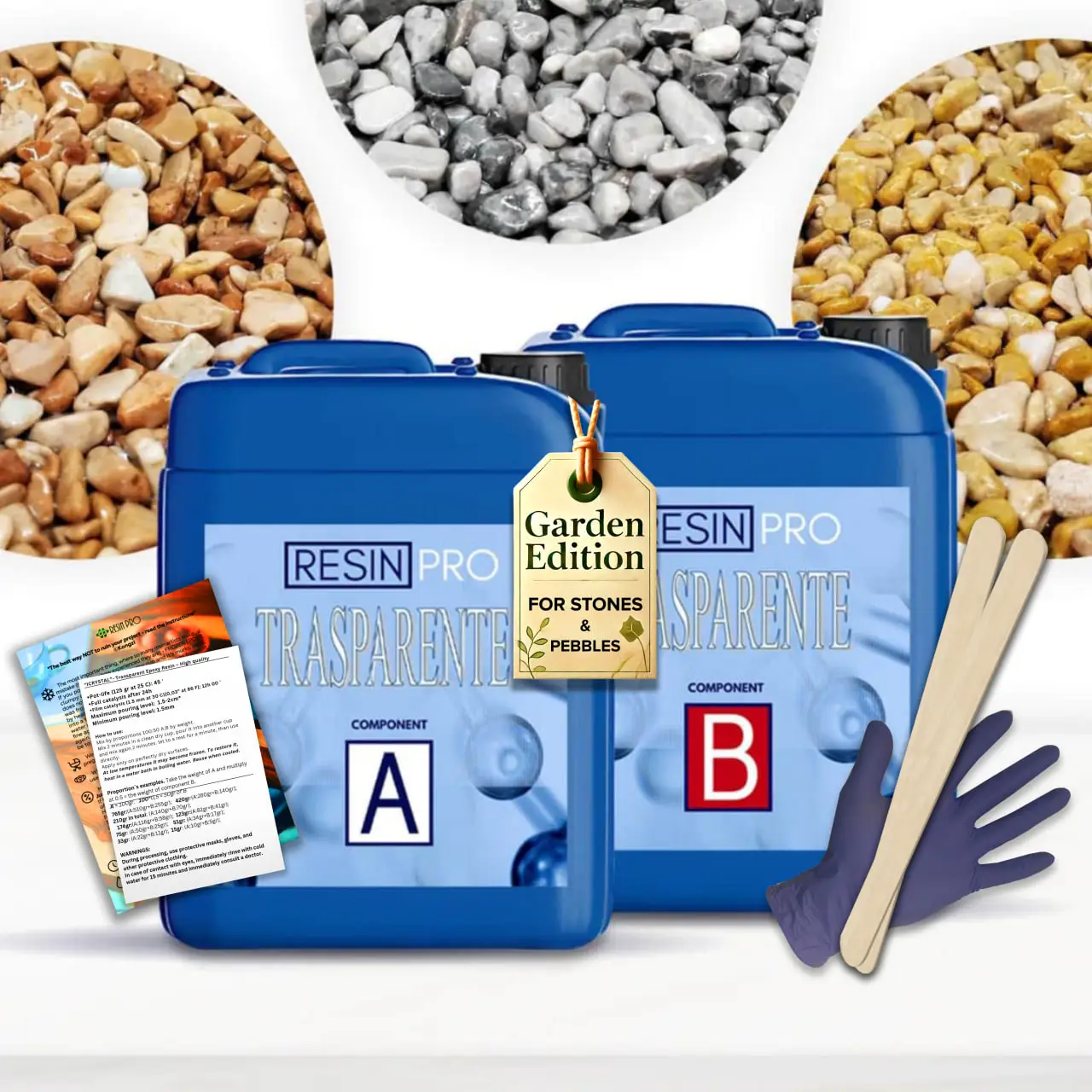 "Trasparente" – Epoxy Binder for Coloured Pebbles and GritsPrice range: £33.45 through £397.95Epoxy binder designed for clear, UV-resistant finishes on coloured pebbles and grits, suitable for durable permeable floors.
Frequently Asked Questions
Which resin is best for driveways or footpaths?
Permeable systems like "Flowstone" or specialist concrete sealers such as "Resinstone" are recommended for driveways and footpaths due to their durability and drainage.
What is the difference between epoxy, polyurethane, and methacrylic resins for floors?
Epoxy offers clarity and strength, polyurethane provides flexibility and UV-resistance, and methacrylic resins penetrate concrete for deep protection and breathability.
Can resin floors withstand vehicle traffic?
Yes, driveable-grade formulations like "Prolux" and "Flowstone" are engineered for vehicle and heavy foot traffic when installed correctly.
How do you maintain a resin floor?
Sweep regularly and clean with mild pH-neutral cleaners. Inspect floors annually and reapply protective coatings as needed, especially outdoors.
Is resin flooring suitable for UK weather conditions?
Yes, UV-resistant and permeable resin systems handle rain, frost, and temperature changes common in the UK, especially when correctly installed.
What is the maximum thickness for resin pebble floors?
When using epoxy binders like "Trasparente," the recommended casting thickness is up to 2 cm per layer for structural stability.
Can resin products be used on tiles, metal or plastic?
"Prolux" polyurethane coating is formulated for direct application to tiles, prepared steel, and certain plastics, provided surfaces are clean and primed.
Are there weather requirements for applying resin flooring?
Avoid extreme low or high temperatures and high humidity during application. Follow product instructions for best adhesion and curing.