 Free shipping on orders over £29,85
  Shipping Tracking!


 Google
 Facebook
Which is more durable: a resin or plastic cabinet?
Understanding resilience, finishes, and product choices for cabinets

If you are deciding between a resin or plastic cabinet for your home, workspace, or commercial environment, understanding durability is vital. This page compares the inherent strengths and weaknesses of each material type, explains the impact of advanced resin technologies, and highlights specialist products for optimising cabinet durability, finish, and usability.
Resin vs Plastic Cabinets: Durability, Resistance, and Surface Performance
At their core, both resin and plastic cabinets promise moisture resistance and easy cleaning. However, the real question focuses on structural robustness, resistance to impacts, UV stability, and long-term appearance, especially in demanding settings.
- Resin: Exceptional Hardness and Protection — Advanced resin formulations, like epoxy or polyurethane coatings, deliver a higher degree of surface hardness, superior abrasion resistance, and improved UV stability. These features are key if your cabinet surface needs to withstand scratching, heat, chemicals, or prolonged sunlight exposure.
- Plastic Cabinets: Lightweight but Less Robust — Standard plastic cabinets (such as those made from polypropylene or similar polymers) are lightweight and resistant to water but generally offer inferior scratch, abrasion, and heat resistance. Over time, they may show wear from regular use or fade under sunlight.
Choosing resin-based cabinet surfaces or protective coatings allows customisation of colour and finish, with versatility to match high-traffic or heavy-duty requirements — a crucial benefit over standard plastics.
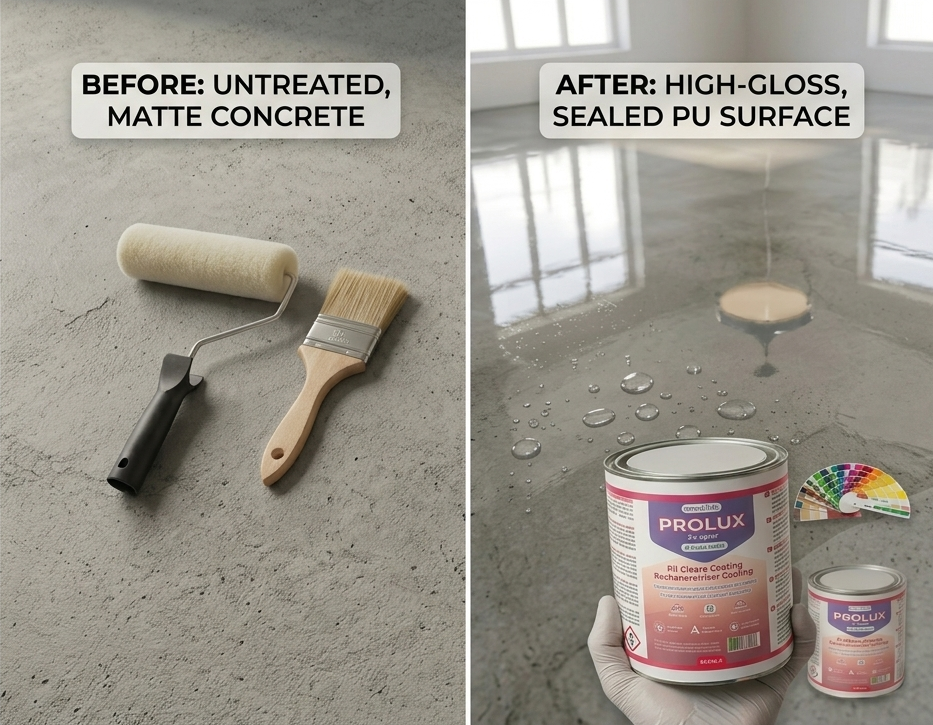
See Resin and Plastic Cabinet Surfaces Compared
High-resolution images demonstrate resin-coated, deep-pour, and standard plastic cabinet finishes in various environments. Notice the elevated gloss, clarity, and integrity of resin-treated surfaces compared to conventional plastics. Choose a product that matches your cabinet’s performance needs and visual aspirations.
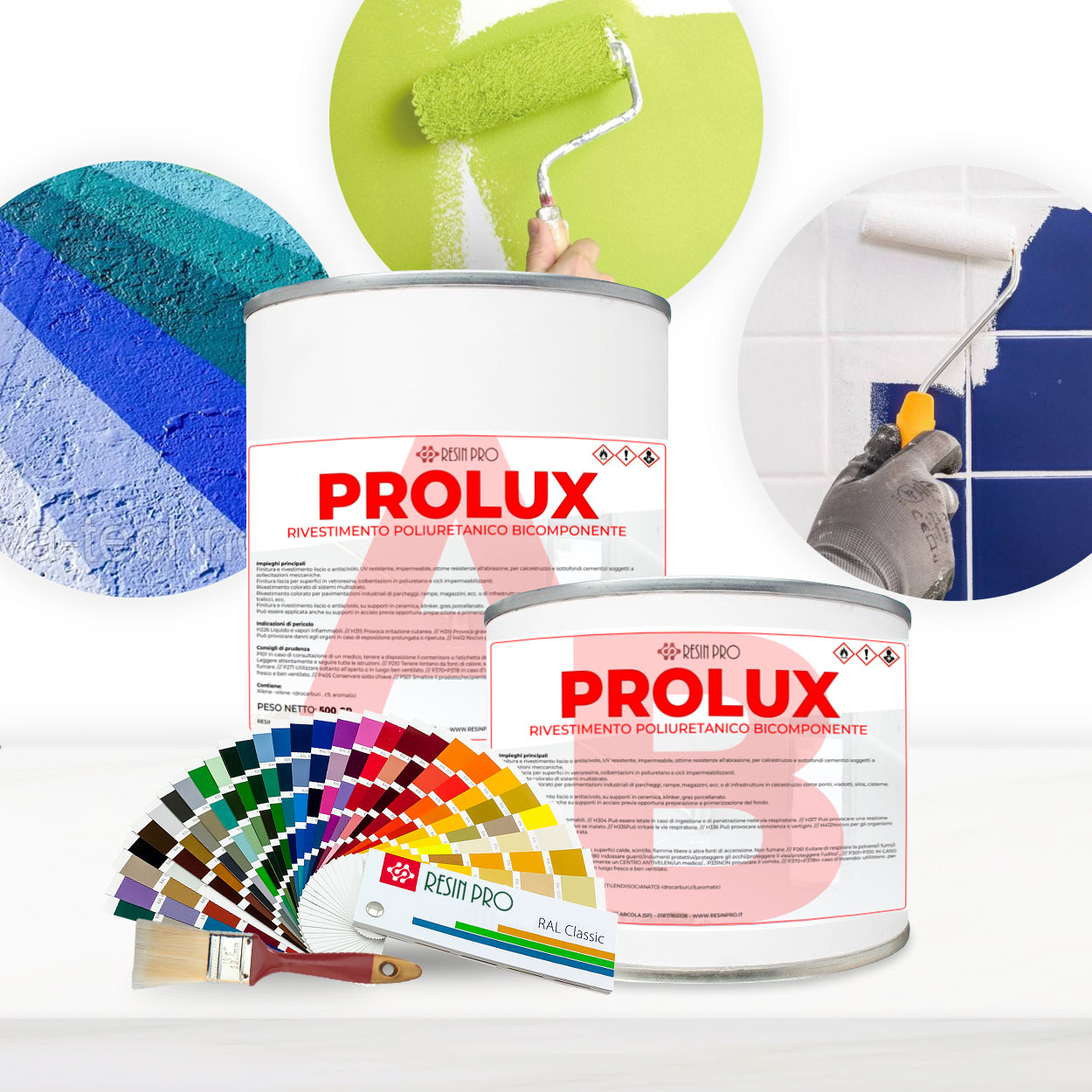
“Prolux” – PU Coating for Tiles, Concrete, Plastic and Metal – Suitable for Driveable Surfaces
“Prolux” – PU coating for tiles, concrete, plastic and metal – suitable for driveable surfaces sets the standard for cabinet finishes where maximum durability is required. As a two-component polyurethane system, it provides a smooth, waterproof finish that withstands abrasion, UV light, yellowing, and heavy mechanical stress. Its versatility covers not just cabinets but also floors, parking areas, and even steel, making it ideal for environments where resilience is paramount. Easy mixing (2:1 ratio) and available in custom colours ensure a tailored, robust cabinet surface that performs in both residential and industrial settings.
“EpoxyTable 5-Five” – Deep Pour Epoxy Resin for Tables and Large Projects – Up to 5cm
For cabinets where appearance and lasting strength are priorities, “EpoxyTable 5-Five” – Deep Pour Epoxy Resin for Tables and Large Projects – Up to 5cm allows the creation of ultra-smooth, UV-resistant, and scratchproof surfaces. Its low-exotherm formula enables casting up to 5cm in a single pour, perfect for decorative panels, benchtops, or embedded art in cabinetry. With a mix ratio of 100:55 and up to 70°C heat resistance, it brings both clarity and durability, making it suitable for the most demanding creative cabinetry applications.
“Epoxytable 10-Ten” – Deep Pour Epoxy Resin for Tables, Up to 10cm Casting
If you require even greater structural integrity, especially for thicker decorative cabinet components or statement pieces, “Epoxytable 10-Ten” – Deep Pour Epoxy Resin for Tables, Up to 10cm Casting is engineered for deep pours up to 10cm without overheating or yellowing. Its bubble-free finish, UV-resistance (guaranteed for five years), and 70°C heat tolerance ensure long-lasting, visually flawless results for both cabinet surfaces and decorative features in high-traffic environments.
“Art Pro Deluxe” – Ultra-High Viscosity Epoxy Resin for Artists
For those who blend form with function, “Art Pro Deluxe” – Ultra-High Viscosity Epoxy Resin for Artists delivers gallery-level clarity with best-in-class scratch resistance, UV filters, and precise line control. This makes it ideal for statement cabinet faces, resin art inlays, or premium finish layers. Its 10-year warranty against yellowing ensures enduring beauty even in sunlight-exposed spaces, and the fast-curing formulation supports quick project completion.
Surface Preparation and Maintenance Tips
The longevity of any cabinet — resin-clad or plastic — depends on correct preparation and maintenance. For resin coatings or deep pour resin applications, ensure all surfaces are clean, dry, and free from grease or loose particles before applying any product. Proper preparations enhance adhesion and prevent premature failures. Routine cleaning with non-abrasive cloths and mild detergents helps preserve surface clarity and maximise each material’s benefits over time.
Real-World Cabinet Durability Testing
View time-lapse and close-up samples of resin and plastic cabinet panels after abrasion, UV exposure, and cleaning trials. See how advanced resins like Prolux and EpoxyTable maintain finish, avoid yellowing, and resist scratches well beyond standard plastics.
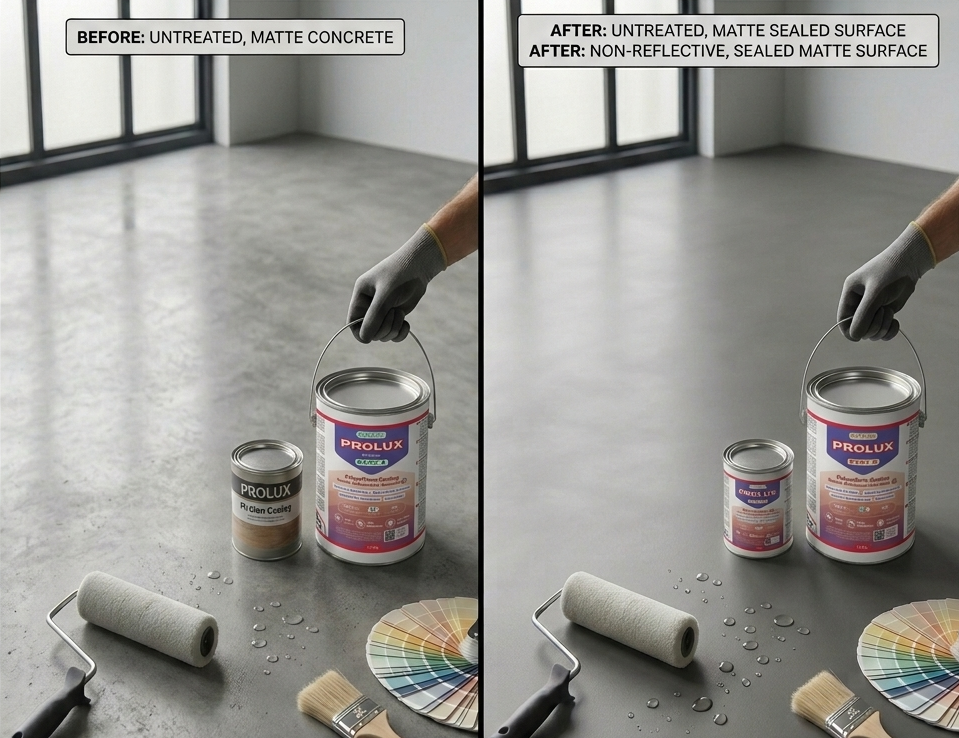
- "Prolux" – PU coating for tiles, concrete, plastic and metal – suitable for driveable surfacesPrice range: £44.85 through £494.85"Prolux" is designed for tough protective coatings on tiles, concrete, plastic and metal with various finish options.
- "EpoxyTable 5-Five" – Deep Pour Epoxy Resin for Tables and Large Projects – Up to 5cmPrice range: £17.95 through £1,154.95"EpoxyTable 5-Five" is a deep pour epoxy resin suited for tables and large projects, designed for durable, scratch-resistant surfaces.
 “Epoxytable 10-Ten” – Deep Pour Epoxy Resin for Tables, Up to 10cm CastingPrice range: £35.95 through £351.95Epoxytable 10-Ten is designed for deep casting of up to 10cm, suitable for tables and artistic projects requiring a durable resin under the given…
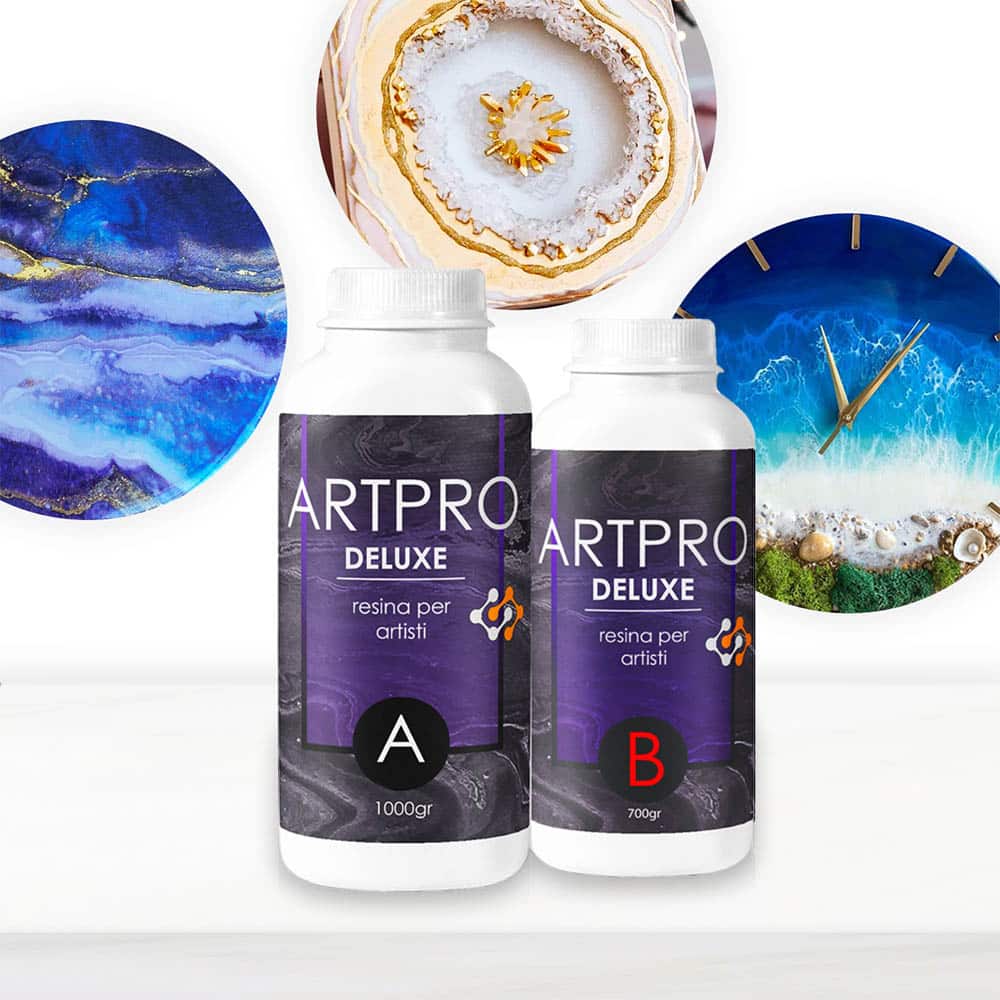 "Art Pro Deluxe" – Ultra-High Viscosity Epoxy Resin for ArtistsPrice range: £35.95 through £302.45Art Pro Deluxe ultra-high viscosity resin offers precise control and a glossy, scratch-resistant finish for artistic resin projects.
Frequently Asked Questions
Are resin cabinets more heat resistant than plastic?
Yes, resin coatings such as epoxy and polyurethane generally offer greater heat resistance than typical plastic cabinets.
What is the best method to clean a resin-coated cabinet?
Use a soft, non-abrasive cloth and mild detergent to maintain the clarity and finish of resin-coated surfaces.
Are resin cabinets less likely to fade in sunlight than plastic ones?
Resin products with strong UV filters, such as those listed here, offer much better protection against yellowing and fading.
Is resin more scratch resistant than plastic in cabinetry?
Yes, properly formulated resin surfaces typically have higher scratch and abrasion resistance than standard plastics.
Which is better for use in bathrooms or kitchens, resin or plastic?
Both are moisture resistant, but resin’s seamless finish and chemical resistance generally make it preferable in demanding settings.
What are the main challenges of using resin for cabinets?
Surface prep and correct mixing are vital for best results; resins also require careful application but deliver superior durability.
Is it possible to coat my existing plastic cabinet with resin for added strength?
Yes, with proper surface preparation and a suitable resin or polyurethane product, you can enhance durability and appearance.