 Free shipping on orders over £29,85
  Shipping Tracking!


 Google
 Facebook
← Back to How to Thin Epoxy Resin

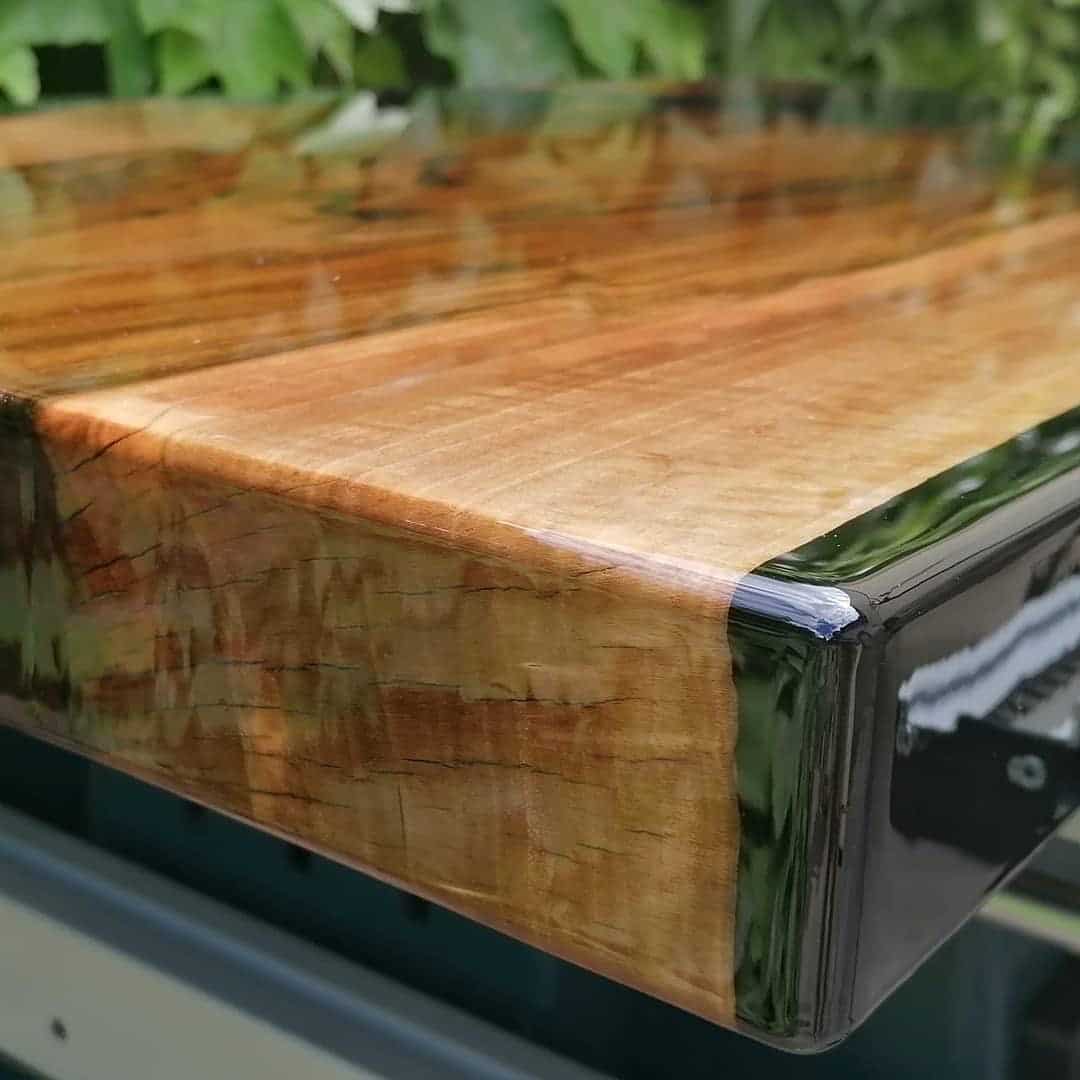
Thinning epoxy resin can be useful for improving its flow, reducing bubbles, or allowing deeper penetration into materials. However, it is essential to add thinners only in small amounts to preserve the resin’s original properties.
The Role of Thinners in Epoxy Resin
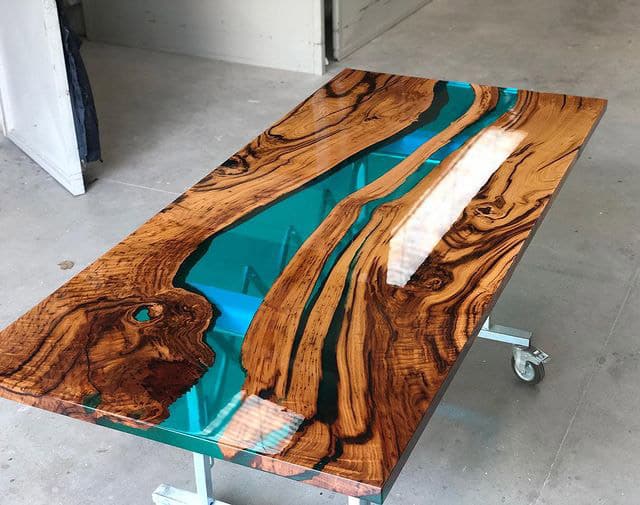
Thinners such as specialised solvents are occasionally added to epoxy resin to help the mixture flow more easily over surfaces or into intricate moulds. This adjustment can be helpful in applications like deep river tables or resin art where a smoother finish is desired. Yet, excessive thinning can introduce unpredictable results, including slower curing, reduced strength, or surface defects. Always start with the minimal amount recommended for your specific product.


Practical Tips for Safe Thinning
- Consult your resin’s technical documentation before adding any solvent.
- Typically, no more than 5% thinner (by weight) should be added, and only if allowed by the manufacturer.
- Mix thoroughly to achieve uniform consistency, and use small test batches before committing to your main project.
- Over-thinning can weaken the final result or make the resin unsuitable for thicker pours. For deep pours up to 10cm, consider specialist products with low viscosity like “Epoxytable 10-Ten” that require no extra thinning for excellent results.
When Adding Small Amounts of Thinner Matters
Precision is essential for resin users needing to penetrate porous materials or pour into fine details—common in wood restoration or jewellery making. Adding only a conservative quantity of thinner helps maintain the balance between workability and durability.
Related products
Related guides
Careful, minimal thinning supports better, longer-lasting results in resin projects. For more advice on working with epoxy resin and understanding your options, see the complete guide at our main page on how to thin epoxy resin.