 Free shipping on orders over £29,85
  Shipping Tracking!


 Google
 Facebook
← Back to How do you apply epoxy putty?
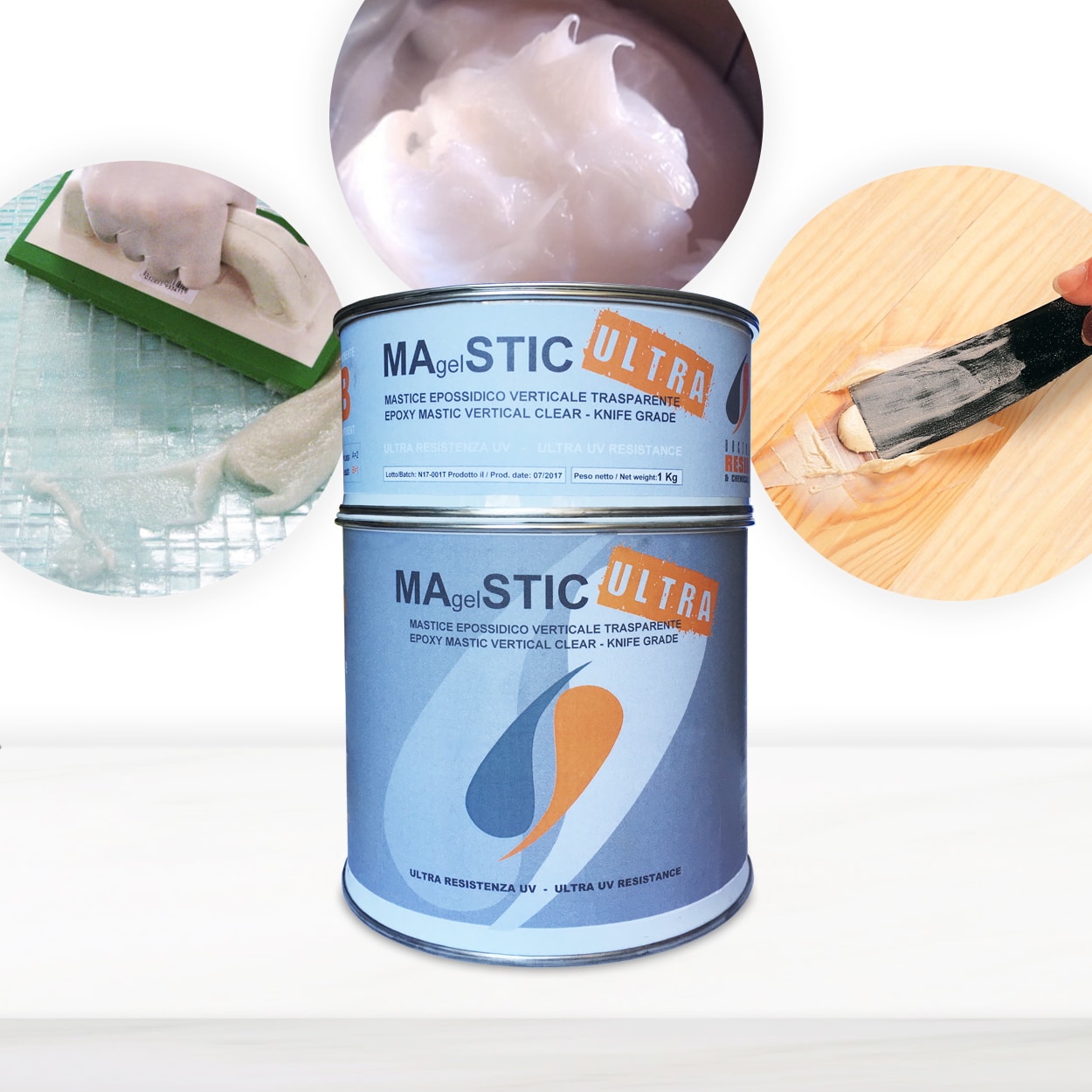
Waiting for epoxy putty to fully cure is a crucial step in any repair or restoration project. A complete cure ensures the putty achieves its designed mechanical strength, durability, and resilience, bringing long-lasting results on a variety of surfaces.
Why Full Curing Is Essential
After application, epoxy putty undergoes a chemical reaction that develops its hardness and ability to withstand stress. Rushing this process means the bond may be weaker or more prone to failure. Factors such as temperature, humidity, and thickness of application can all influence curing times, so always follow manufacturer guidance for your chosen product.
Tips for Reliable Curing
- Check working temperature: Ensure it’s above the minimum recommended, such as 10°C for products like Magelstick Epoxy Mastic.
- Allow undisturbed setting: Do not move, sand, or load the repair until the full cure is reached—sometimes 24 hours or longer.
- Mix accurately: Use precise ratios to promote uniform curing and prevent tackiness.
When This Matters Most
Full curing is especially important for jobs exposed to high loads, outdoor weather, or moisture, where maximum bond strength and durability are non-negotiable. Professionals and renovation specialists rely on proper curing for reliable repairs, whether bonding stone, metal, or cement.
Related products
Related guides
By respecting the full curing process, you unlock the full potential of your epoxy putty repairs. For more insights and step-by-step instructions, return to our guide on how to apply epoxy putty.