 Free shipping on orders over £29,85
  Shipping Tracking!


 Google
 Facebook
← Back to How to use epoxy paint?


Starting with thorough surface preparation is vital for successful epoxy paint application. Careful prep helps ensure the coating bonds perfectly and delivers a smooth, hard-wearing finish.
Why Preparation Matters
Properly preparing your floor or wall surface allows epoxy paint to adhere strongly, minimises defects, and dramatically extends the lifespan of your coating. Without comprehensive cleaning, degreasing, and the removal of loose material, even the best epoxy can peel or fail over time. Surfaces such as concrete, timber, screeds, and tiles each require appropriate methods for optimal readiness.
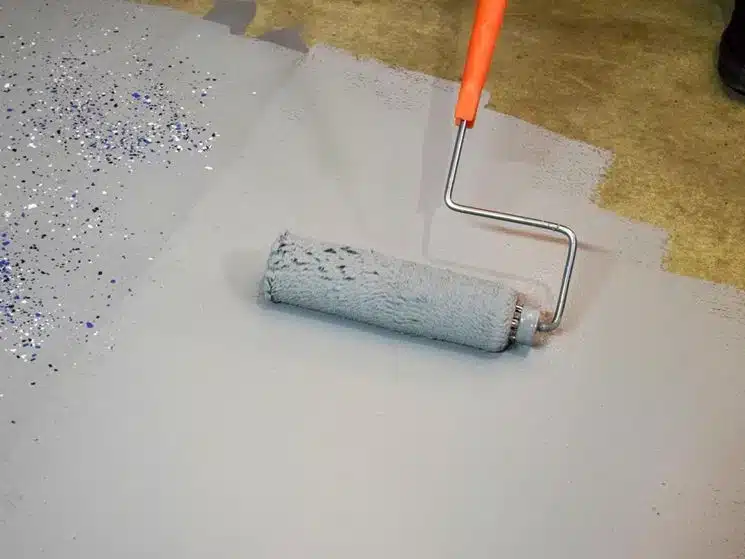

Surface Preparation Steps
- Clean and degrease: Remove dust, oil, old paint, and debris with suitable cleaners and, if needed, a Heavy Duty Scraper for stubborn residues.
- Check substrate condition: Repair any cracks or holes. For porous or absorbent surfaces like concrete, consider applying a primer such as the Epoxyprimer to ensure excellent bonding and to seal the surface.
- Dryness and smoothness: Always ensure the area is completely dry and evenly smooth before moving on to the next layer.
Tools That Make a Difference
Quality preparation tools are key to efficiency and finish. Use a heavy duty scraper for tough old coatings, and invest in application rollers designed for epoxy resin, like the Resin & Paint Application Rollers, to achieve a smooth, even base for painting.

When This Matters Most
Thorough prep is especially important for high-traffic floors, moisture-prone basements, or surfaces previously painted or tiled. Skipping steps can risk costly rework later on.
Related products
Related guides
Laying the groundwork through careful surface preparation leads to a long-lasting, professional epoxy paint result. For more comprehensive advice on the full epoxy painting process, visit our How to use epoxy paint? guide.