 Free shipping on orders over £29,85
  Shipping Tracking!


 Google
 Facebook
← Back to How do I choose modern resin bound gravel?
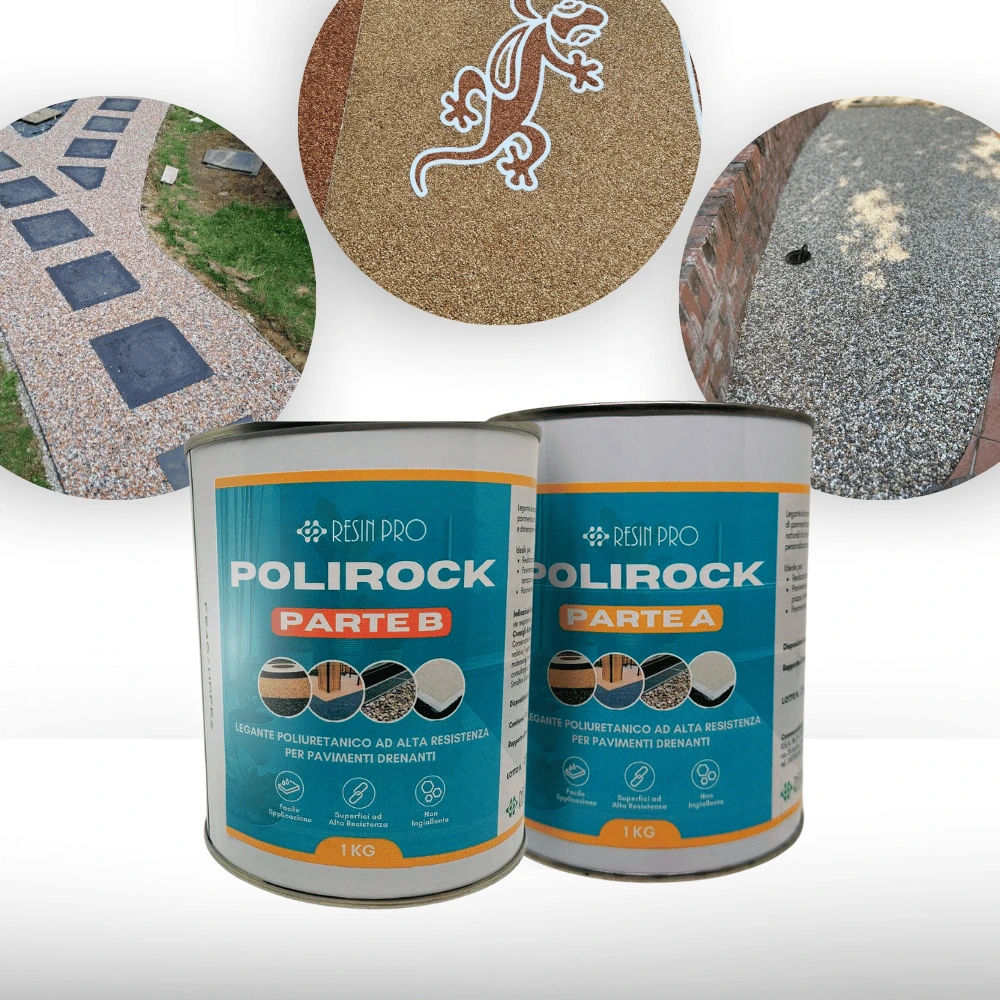
A secure, anti-slip surface is essential for resin bound gravel to provide sure footing in all weathers. Whether tackling paths, driveways or patios, knowing how to ensure this vital feature makes all the difference.
What Creates an Anti-Slip Finish?
Resin bound gravel naturally provides textural grip thanks to its aggregate surface, but the choice of resin and the size of gravel used play a major role in enhancing traction. Polyurethane and epoxy binders help bond the stones together, ensuring the pebbled surface resists becoming overly smooth or slippery.
- Use suitable aggregate sizes: Grit measuring around 4–8mm delivers reliable slip resistance.
- Ensure even application: Consistent mixture and spread minimises patches that could become slick.
- Resin type matters: Products like Polirock polyurethanes are designed for durability and safe footing, especially when paired with white aggregates.
Practical Application Tips for Anti-Slip Surfaces
For optimal safety, always mix the binder thoroughly with the selected gravel before laying. This approach locks every stone in position and maximises exposed texture. Avoid pouring resin directly onto set gravel, as it will not create the intended stability or anti-slip quality. After laying, ensure the surface is compacted and finished evenly; this limits low spots where water could collect and create slippery patches.
When Anti-Slip Matters Most
Anti-slip resin bound gravel is invaluable in areas with frequent rain or frost, such as driveways, public paths, and outdoor patios. It’s particularly recommended for entrances, ramps, or anywhere pedestrian safety is a top concern.
Related products
Related guides
Anti-slip finishes aren’t just about safety—they’re central to getting the best from your modern resin bound gravel installation. For more tips on choosing the right system and resin types, visit our main guide on how to choose modern resin bound gravel.