 Free shipping on orders over £29,85
  Shipping Tracking!


 Google
 Facebook
← Back to How much does modern permeable paving cost?
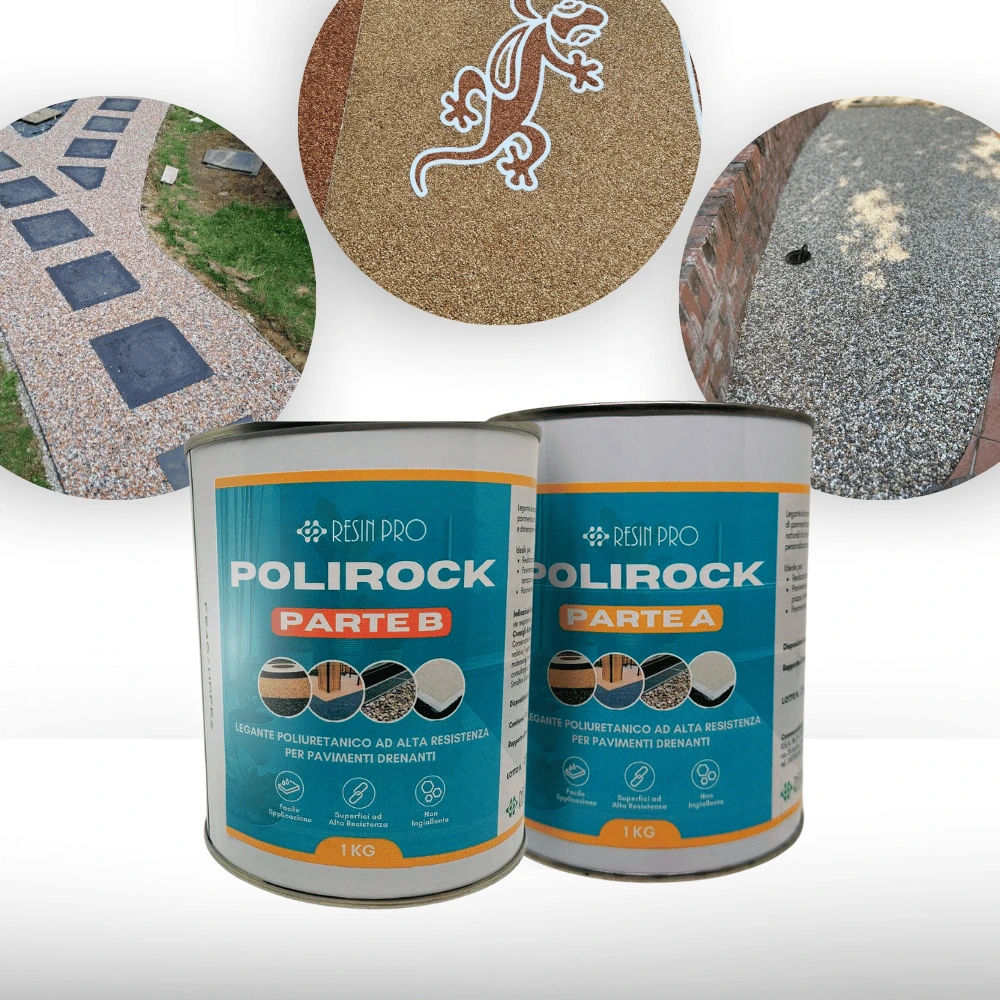
A well-installed resin-bound surface not only drains well but can also provide effective slip resistance. Ensuring an anti-slip finish is vital for safety on driveways, patios, and pathways, especially in the UK’s wet climate. Here’s how to achieve and maintain a safe, slip-resistant permeable floor.
How Resin and Aggregate Choices Affect Slip Resistance
The degree of slip resistance on a permeable paving system is influenced by both the resin binder and the stone aggregate used. Selecting a resin like the Polirock Polyurethane Binder is key because it is specifically formulated to bond with a range of natural stones for a textured, grippy surface. Opt for angular, washed pebbles or suitably graded stone chips, as these provide more natural traction underfoot compared to smooth or rounded stones.
Practical Steps to Enhance Surface Safety
Anti-slip qualities are enhanced by the correct installation technique. Even spreading of the resin-stone mix, ensuring stones are not fully submerged in the binder, maintains surface texture and grip. For areas that need extra grip, specialist non-slip additives can sometimes be broadcast onto the wet surface or mixed in before trowelling. Proper curing and following the product’s guidance ensure both durability and ongoing slip resistance, crucial for both DIY and professional applications.
When Anti-Slip Matters Most
- Sloped driveways or ramps where vehicles and foot traffic combine
- Public or shared paths prone to puddles or frost
- Family patios and garden routes for enhanced everyday safety
Related products
Related guides
Choosing the right resin and aggregate combination is essential for both permeability and safe footing. For further details on selecting and budgeting for modern permeable paving, explore our main guide on modern permeable paving costs.