 Free shipping on orders over £29,85
  Shipping Tracking!


 Google
 Facebook
← Back to How do I choose permeable paving for hotels?
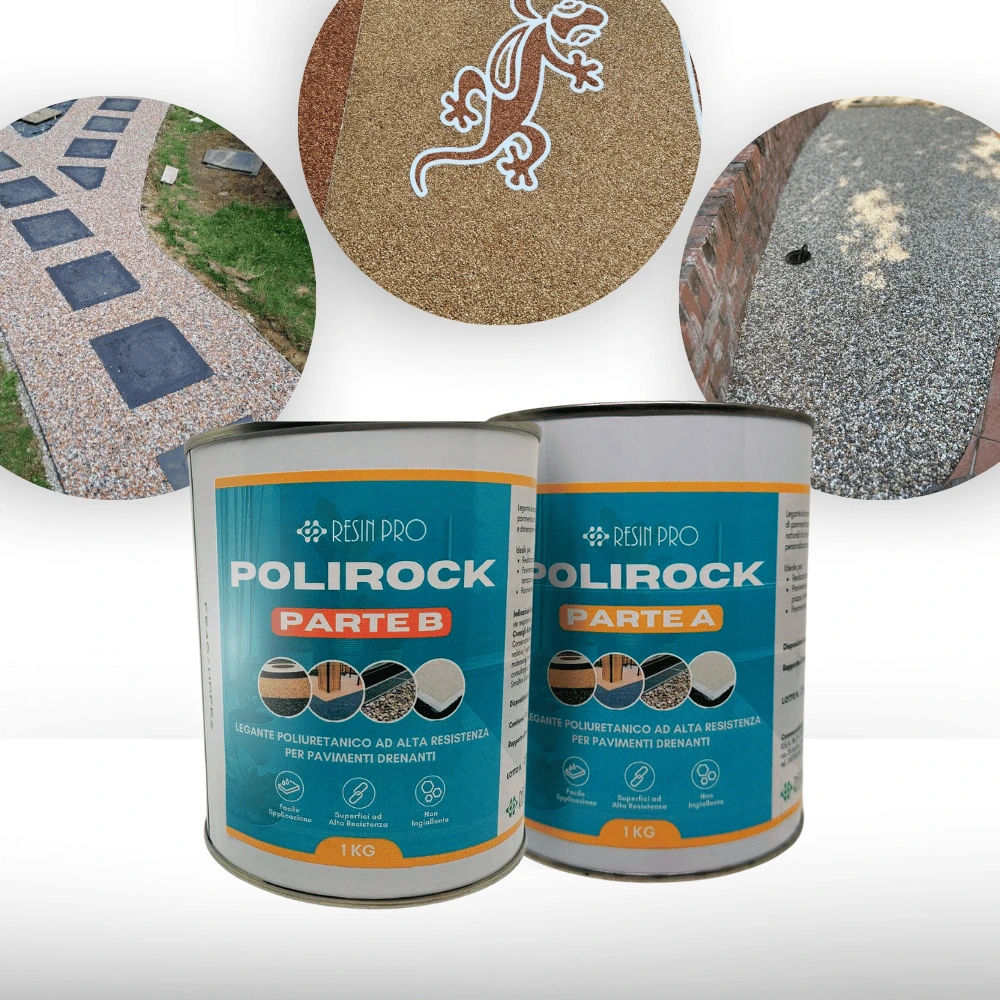
An anti-slip finish is essential for hotel outdoor floors, helping ensure guests’ and staff safety, particularly in high-traffic or wet conditions. The right approach to permeable paving surface treatment can provide both effective drainage and slip resistance without compromising appearance.
Why Anti-Slip Matters for Hotels
Entranceways, footpaths, patios and public spaces in hotel environments often face diverse weather and constant use. A slip-resistant surface helps prevent accidents, especially during rainy or frosty periods. Permeable paving systems, such as resin-bound stone installations, can be designed with an inherently textured, grippy surface to meet these demands while preserving efficient water drainage.
Choosing and Applying Anti-Slip Systems
Select materials and binders that promote texture and offer reliable adhesion for aggregates. For instance, a dedicated polyurethane binder like the Polirock kit is created for white or light stone and includes an anti-slip finish as a core feature. Pairing such a binder with washed pebbles or suitable aggregate ensures a naturally rough surface that remains safe for pedestrians. Application guidelines usually recommend a careful balance between resin and aggregate to avoid a too-smooth finish; detailed mixing and spreading advice help get this right with kits such as Flowstone.
When Anti-Slip Is Especially Important
Anti-slip finishes are critical near building entrances, on slopes, ramps and in areas where water may pool or ice, such as outdoor dining or poolside zones. Hotels hosting events need reliable grip for guest movement, year-round.
Related products
Related guides
Ensuring an anti-slip finish on permeable paving is vital for hotel safety and aesthetics. For wider advice on selecting the best paving approach, see our main guide on choosing permeable paving for hotels.