 Free shipping on orders over £29,85
  Shipping Tracking!


 Google
 Facebook
← Back to Can resin bound gravel be installed over asphalt?
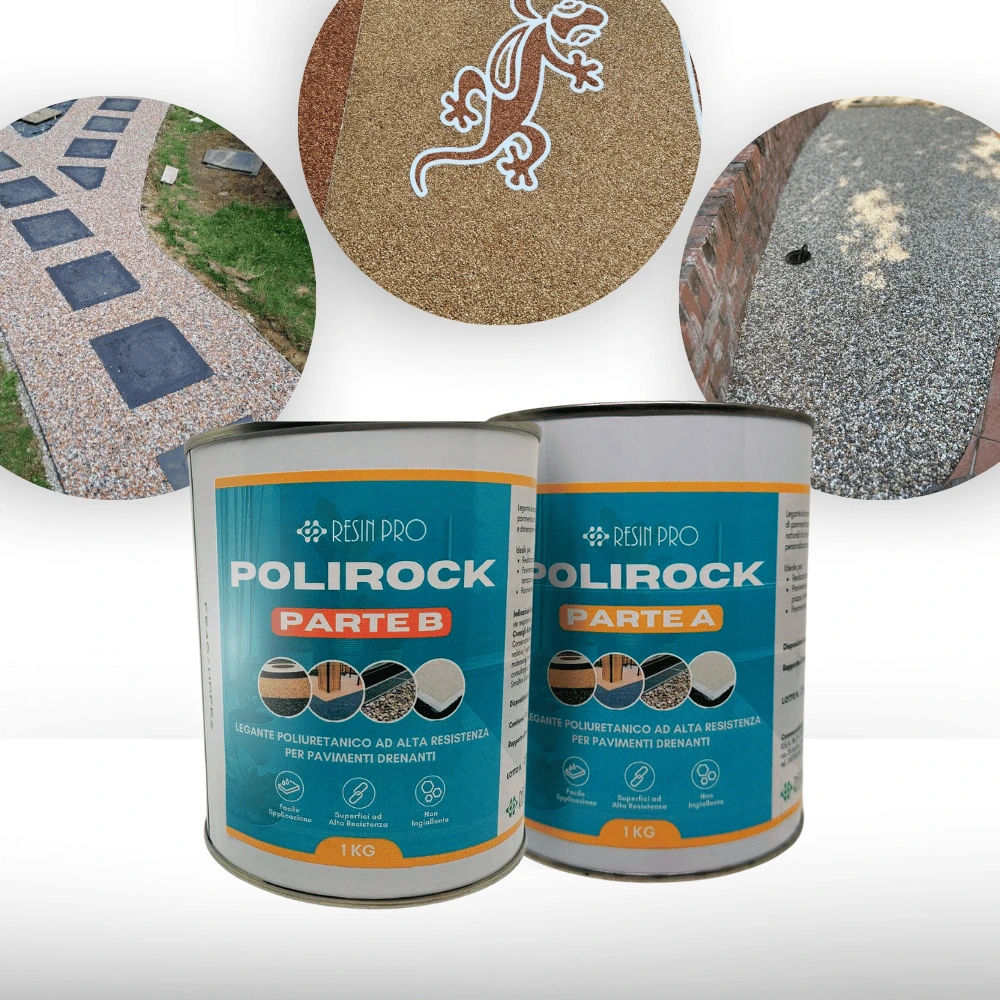
Resin bound gravel offers a visually appealing and highly practical surface for driveways, paths, and patios. To maximise safety, especially in areas exposed to rain or heavy use, incorporating an anti-slip finish is an important consideration.
What Makes a Surface Anti-Slip?
Anti-slip performance in resin bound gravel is influenced by both the choice of resin binder and the aggregate. Textured finishes, naturally rough stones, and careful application methods help reduce the risk of slips. Some resin systems are specifically formulated or paired with aggregates to enhance surface grip for pedestrians and vehicles.
- Opt for natural or angular aggregates for better texture
- Ensure full encapsulation of stones with the right resin mix
- Consider adding fine-grit or sand to the surface for extra traction if needed
Selecting the Right Resin Binder
Choosing the right resin is key to achieving optimal safety and durability. Products like Polirock are ideal for white stones, offering a clear finish that also resists yellowing and is noted for aiding anti-slip properties. For coloured pebble or grit surfaces, a UV-resistant epoxy binder such as Trasparente provides strong adhesion and surface stability. Always follow the manufacturer’s advice for mixing and application to retain both appearance and safety benefits.
When Anti-Slip Matters Most
Prioritising an anti-slip surface is particularly important for sloped driveways, pool surrounds, entrances to buildings, and anywhere safety is paramount. Outdoor pathways subject to frequent wet conditions or heavy foot traffic also benefit greatly from improved traction.
Related products
Related guides
By combining quality resin systems and practical aggregate choices, you can create resin bound gravel surfaces that are both stylish and safe. For more on best practices and installation over asphalt, visit our main page on resin bound gravel and asphalt.