 Free shipping on orders over £29,85
  Shipping Tracking!


 Google
 Facebook
← Back to Which permeable system should I choose for outdoors?
An anti-slip finish is a practical consideration for permeable resin-bound outdoor systems, helping to ensure safer surfaces on patios, driveways, and pathways. Here’s how to select and apply the right products for slip resistance without compromising drainage.
What Makes a Surface Anti-Slip?
Achieving an anti-slip finish starts with selecting the right binder and aggregate. Surfaces created with rounded or angular stones bound in resin typically offer natural grip underfoot. The texture and size of the aggregate, combined with the correct binder, contribute to the final slip resistance.
- Use washed pebbles or specially graded stones, ideally 4-8 mm in diameter, for optimal performance.
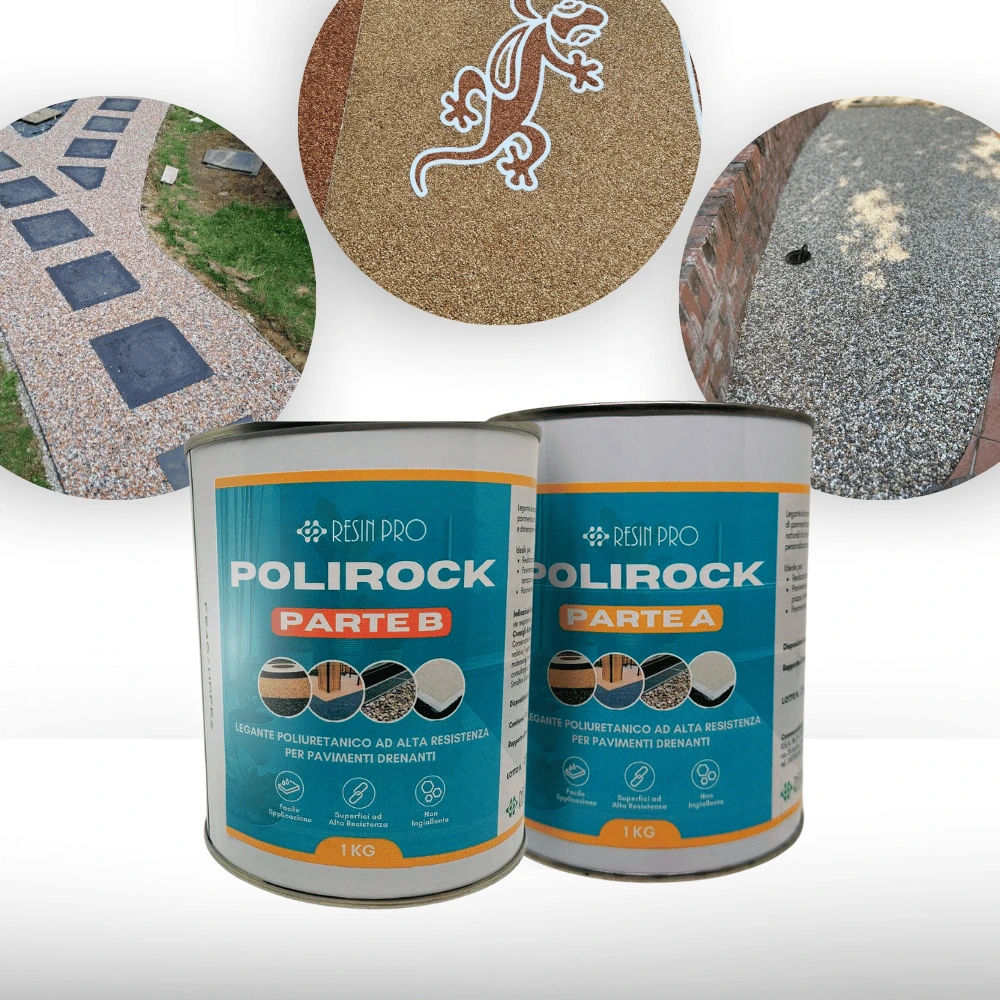
- Binders designed for outdoor use, such as Polirock Polyurethane Binder, enhance both adhesion and surface friction for increased safety.
Applying Resin for Slip Resistance
When installing permeable flooring systems, mixing the appropriate ratio of resin and aggregate ensures an even distribution and a securely bonded finish. Applying the resin thoroughly coats each stone, filling gaps and locking them in place. For extra grip, ensure the final layer leaves the aggregate texture slightly exposed without a glassy resin film on top.
- Follow kit instructions on mixing ratios and application technique.
- For white or light-coloured aggregates, use a non-yellowing polyurethane binder to maintain clarity and effectiveness.
When an Anti-Slip Finish Matters Most
Anti-slip properties are especially important for outdoor walkways, pool surrounds, and driveways, where wet conditions increase the risk of slipping. Surfaces subjected to frequent rain or changes in temperature particularly benefit from resin systems formulated for both durability and slip resistance.
Related products
Related guides
Maintaining an anti-slip finish on permeable surfaces is essential for outdoor safety and comfort. For more detailed guidance on selecting the right resin system for your outdoor project, see our full overview at Which permeable system should I choose for outdoors?.