 Free shipping on orders over £29,85
  Shipping Tracking!


 Google
 Facebook
← Back to Which permeable flooring is best for outdoor kitchens?
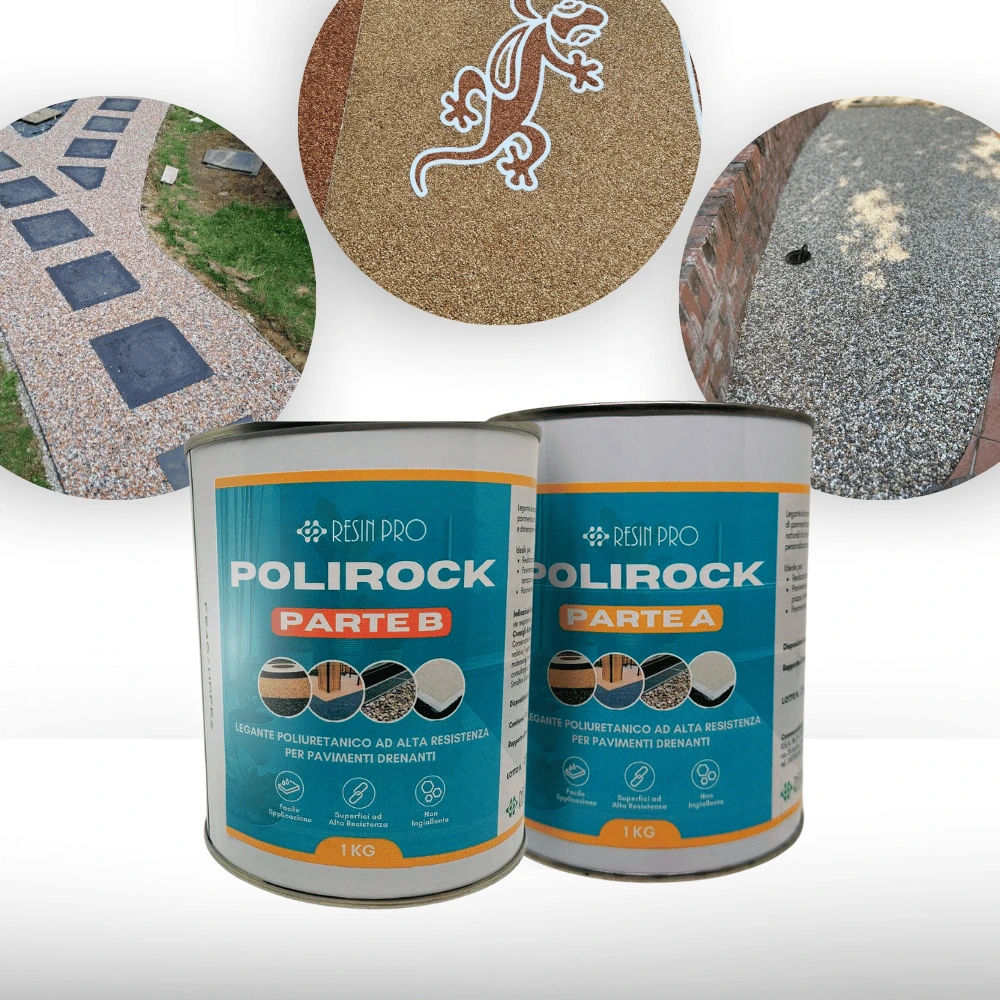
Safety is essential for outdoor kitchen flooring, and achieving an anti-slip finish is a top priority—especially on permeable surfaces exposed to the British elements. Let’s look at how to choose and install permeable flooring with anti-slip properties for your outdoor cooking area.
What Is an Anti-Slip Permeable Finish?
An anti-slip finish reduces the risk of slipping on wet or damp floor surfaces. For permeable flooring, such as resin-bound stone or pebble mixes, the texture of the aggregates and the properties of the binder play a crucial role. Certain products, like the Polirock Polyurethane Binder, are designed not only to maintain water drainage but also to provide an inherently textured, grippy surface.
Tips for Creating and Maintaining a Safe Surface
- Aggregate Selection: Opt for natural pebbles or specifically sized stones that, when bound in resin, create a slightly rough, non-slip surface.
- Resin Choice: Use a quality two-component binder like Polirock for white or light stones, or select from kits such as Flowstone for versatility in both colour and non-slip finish.
- Application Method: Even, thorough mixing of stones and resin helps maintain the right surface profile. Avoid over-finishing the top so the texture remains effective.
When an Anti-Slip Finish Matters Most
Consider an anti-slip finish whenever the outdoor area will be exposed to rain, is used for food prep (where spills are likely), or sees frequent foot traffic. It’s particularly important where children or elderly guests may be present.
Related products
Related guides
Choosing an anti-slip permeable floor enhances both safety and practicality in outdoor kitchens. For more guidance on selecting the right permeable flooring system, return to our main advice on permeable flooring for outdoor kitchens.