 Free shipping on orders over £29,85
  Shipping Tracking!


 Google
 Facebook
← Back to Which gravel should I use for a permeable courtyard?
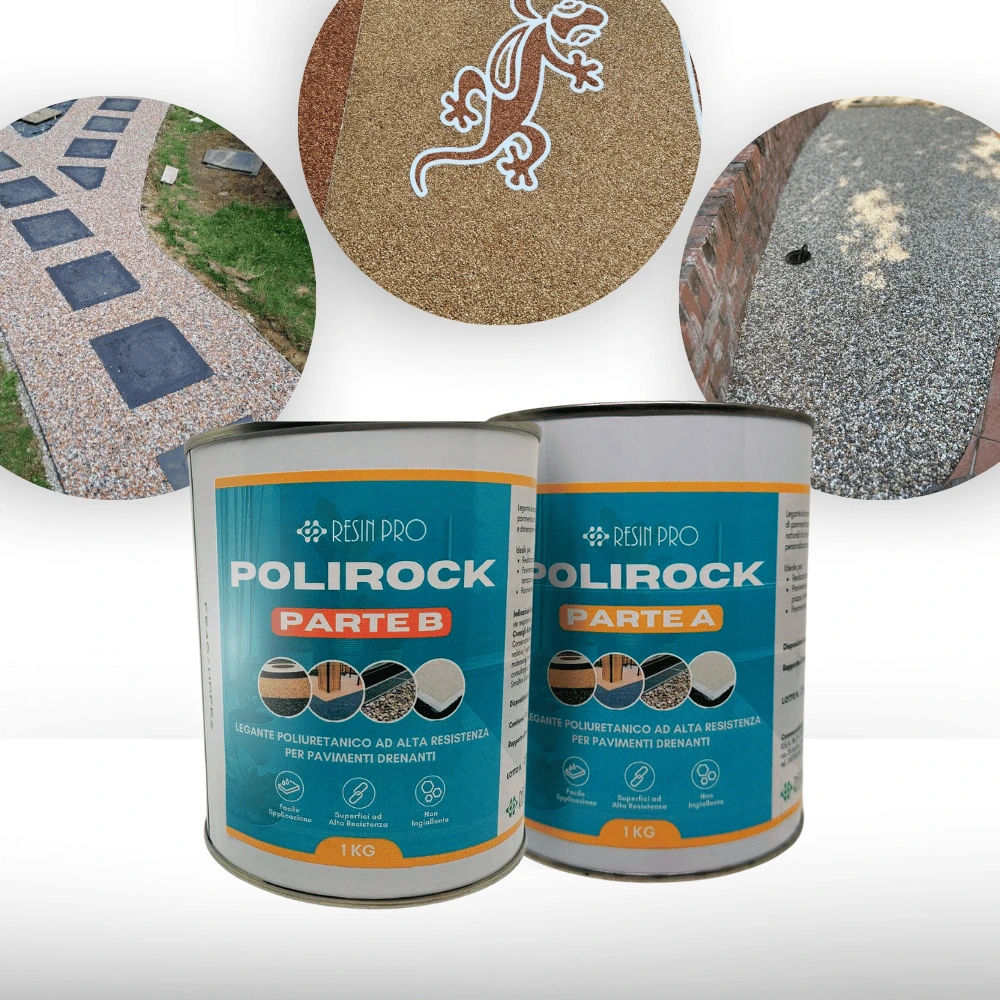
When planning a new outdoor surface, safety is a top concern—especially with surfaces designed to handle both wet weather and daily foot traffic. Permeable resin-bound floors are an attractive and practical solution, but are they safe underfoot?
How Resin-Bound Surfaces Provide Anti-Slip Benefits
Resin-bound flooring systems combine decorative aggregates with a specially designed resin binder, forming a porous and textured surface. The natural texture from the bonded pebbles or stones offers inherent slip resistance, making these floors safer for walking, even in the rain. Binders such as Polirock Polyurethane Binder can enhance grip further, especially on slopes or around entrances.
Selecting the Right Materials for Safety
For optimal anti-slip performance, it’s important to choose aggregates with a suitable size and shape. Pre-washed pebbles, like those found in washed pebble blends, help achieve both permeability and texture. The correct resin-to-stone mix also plays a role—too much resin may over-smooth the finish, while too little can compromise surface integrity. Kits such as the Flowstone Complete Kit provide guidance to help achieve a balanced, grippy surface.
When Anti-Slip Matters Most
- Areas regularly exposed to rain or water pooling, such as driveways or garden paths.
- Commercial or residential courtyards frequented by children, older adults, or guests with mobility needs.
- Sloped or ramped surfaces where extra traction is crucial for vehicle and pedestrian safety.
Related products
Related guides
By opting for a permeable resin-bound floor with quality binders and appropriately sized aggregates, you can enjoy an outdoor space that combines visual appeal with enhanced slip resistance. Learn more about building safe, functional permeable courtyards and the best materials for your project on our main guide page.