 Free shipping on orders over £29,85
  Shipping Tracking!


 Google
 Facebook
← Back to Is Resin Bound Paving Suitable for Patios in the UK?
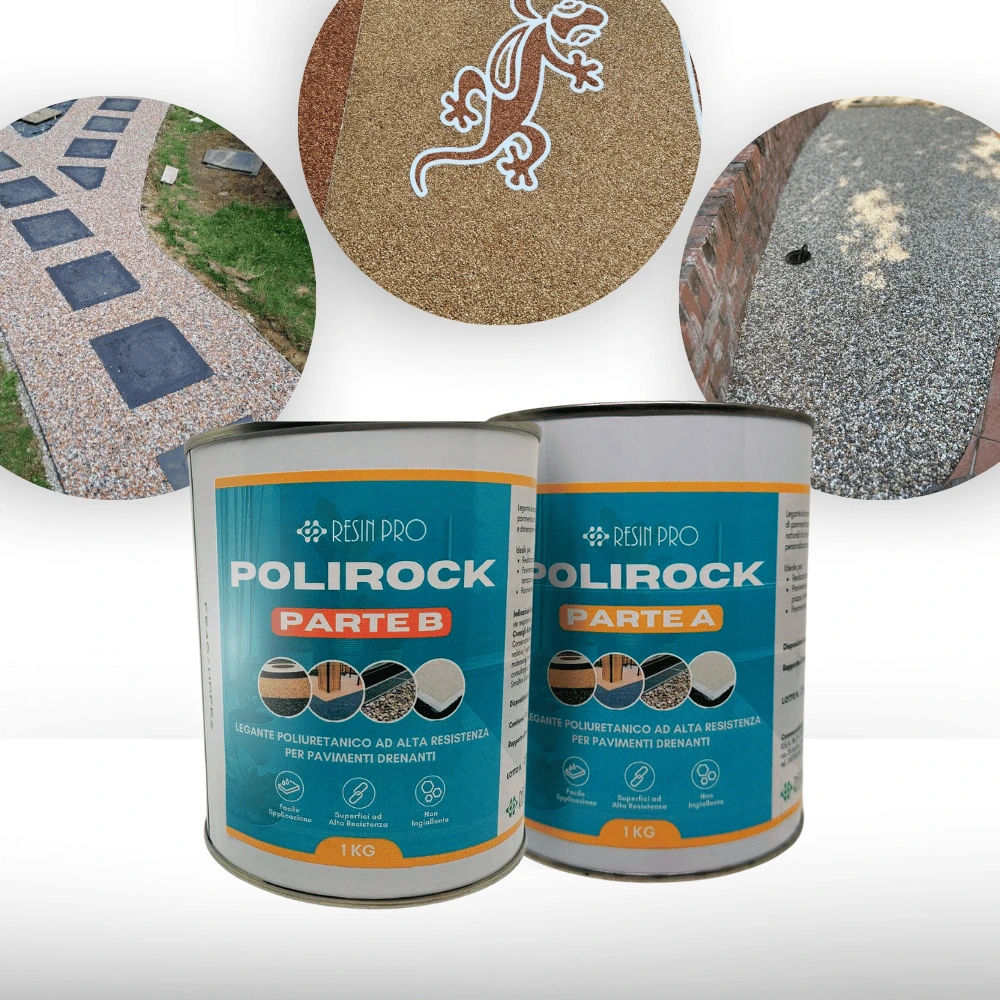
Slip-resistance is a key feature for any surface exposed to the elements, especially patios and walkways. Resin bound systems are a popular choice in the UK, but how do they actually perform when it comes to slip resistance?
How Resin Bound Patios Deliver Slip Resistance
Resin bound surfacing combines natural aggregates with a transparent binder, creating a slightly textured finish. This micro-texture is inherently slip-resistant, making it safer for foot traffic even in wet conditions. Many formulations, like the “Polirock” polyurethane binder, are designed to deliver an anti-slip finish ideal for patios, garden paths, and driveways. The permeability of these surfaces also means water drains through quickly, reducing the risk of puddles and algae growth.
Choosing and Maintaining Anti-Slip Resin Surfaces
For the best slip-resistant performance, select a resin system specifically formulated for outdoor pedestrian areas. The granule size and type of binder play a role in texture and grip—polyurethane binders, like those in Polirock, are a strong choice for white aggregates, while low-yellowing epoxy is suited to coloured stones. Regular sweeping and occasional gentle cleaning help maintain the anti-slip texture and overall appeal.
When Slip Resistance Matters Most
Anti-slip properties are especially important for homes with children, elderly family members, or areas close to entrances where wet shoes are common. In the UK’s damp climate, resin bound patios with an anti-slip finish offer practical reassurance for year-round use.
Related products
Related guides
When selecting a resin paving system for your patio, prioritising an anti-slip finish is essential for both safety and comfort. To learn more about installing a resin bound patio and its suitability for your home, visit our main patio suitability guide.