 Free shipping on orders over £29,85
  Shipping Tracking!


 Google
 Facebook
← Back to How do you make a resin wall?
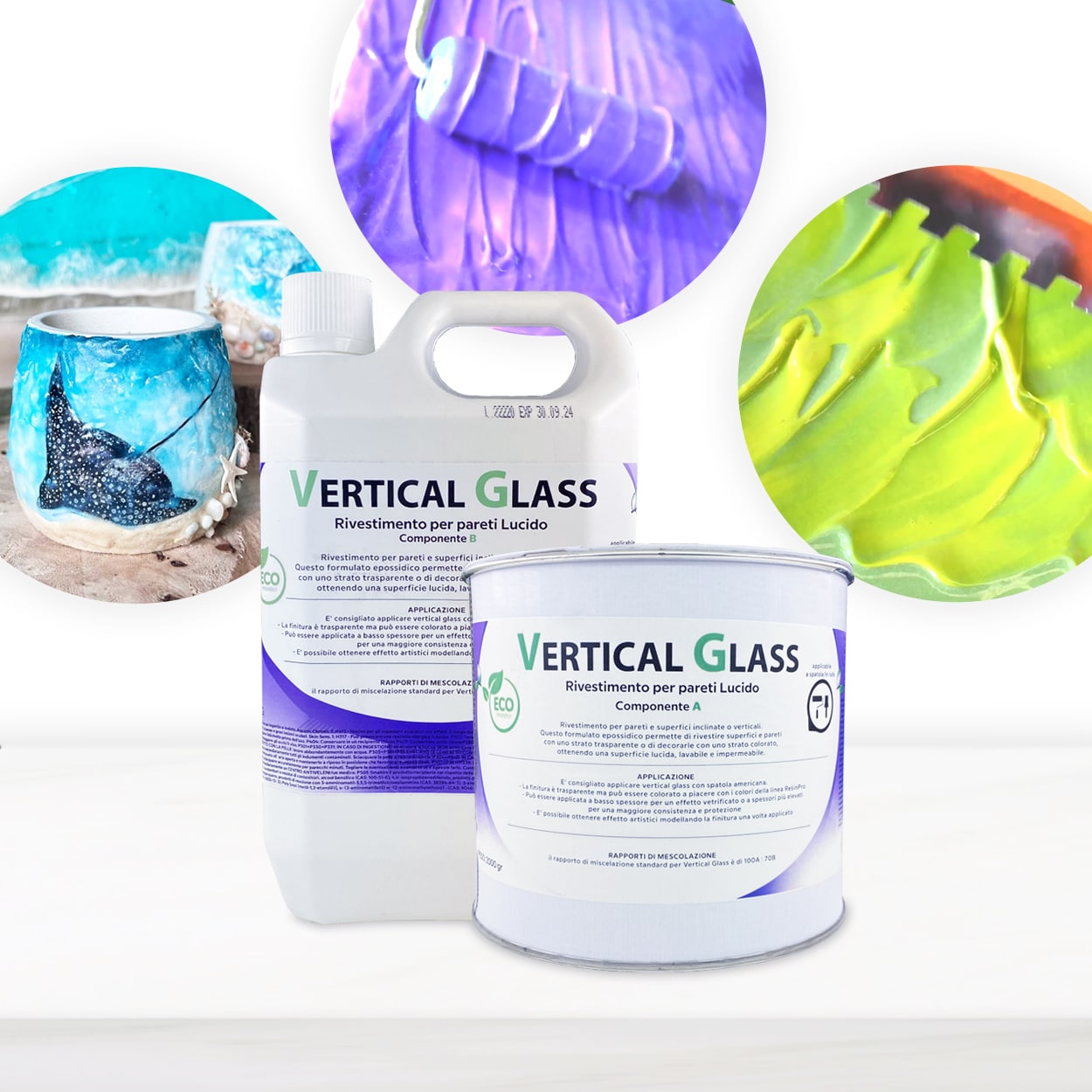
For a lasting and flawless resin wall, it’s vital to ensure the underlying surface is completely dry and structurally sound. Overlooking these factors can lead to disappointing results and costly repairs.
Why Dry, Stable Surfaces Are Essential
Resin relies on a firm, clean foundation to properly bond. Moisture trapped under the resin can cause bubbling, discolouration, or even adhesion failure as the water tries to escape. An unstable surface, such as crumbling plaster or loose tiles, can result in cracks or peeling over time. These problems not only ruin the appearance but may also compromise the waterproof qualities of your wall.
Best Practices for Surface Preparation
- Ensure all surfaces are thoroughly dry—use a moisture meter if in doubt.
- Repair cracks and fill any holes before applying resin.
- Remove old paint, loose debris, or dust. A clean, stable substrate is a must.
- Prime absorbent bases (like bare plaster or cement) to help adhesion and prevent resin soak-in.
Choosing a suitable product, such as “Vertical Glass” – Thick Resin Decorative Wall Coating, helps achieve a strong, decorative result on tiles, cement, wood, or bricks.
When This Matters Most
Pay particular attention to these guidelines in high-moisture areas like bathrooms, kitchens, or basements, where dampness is common and resin performance is put to the test. Surfaces here must be especially well prepared to ensure durability and ease of maintenance.
Related products
Related guides
Properly preparing your wall is the foundation for any successful resin application. For more guidance on creating beautiful and hardwearing resin features, explore our complete guide on how to make a resin wall.