 Free shipping on orders over £29,85
  Shipping Tracking!


 Google
 Facebook
How do you make a resin wall?
Creating a resin wall is an impressive way to introduce a durable, waterproof, and artistic finish to interiors. This guide walks you through the technical steps involved—from preparing the surface to the correct application methods—making it ideal for DIY enthusiasts or professionals aiming to enhance their space with a flawless resin wall.
A step-by-step approach to stunning decorative resin walls
What You’ll Need
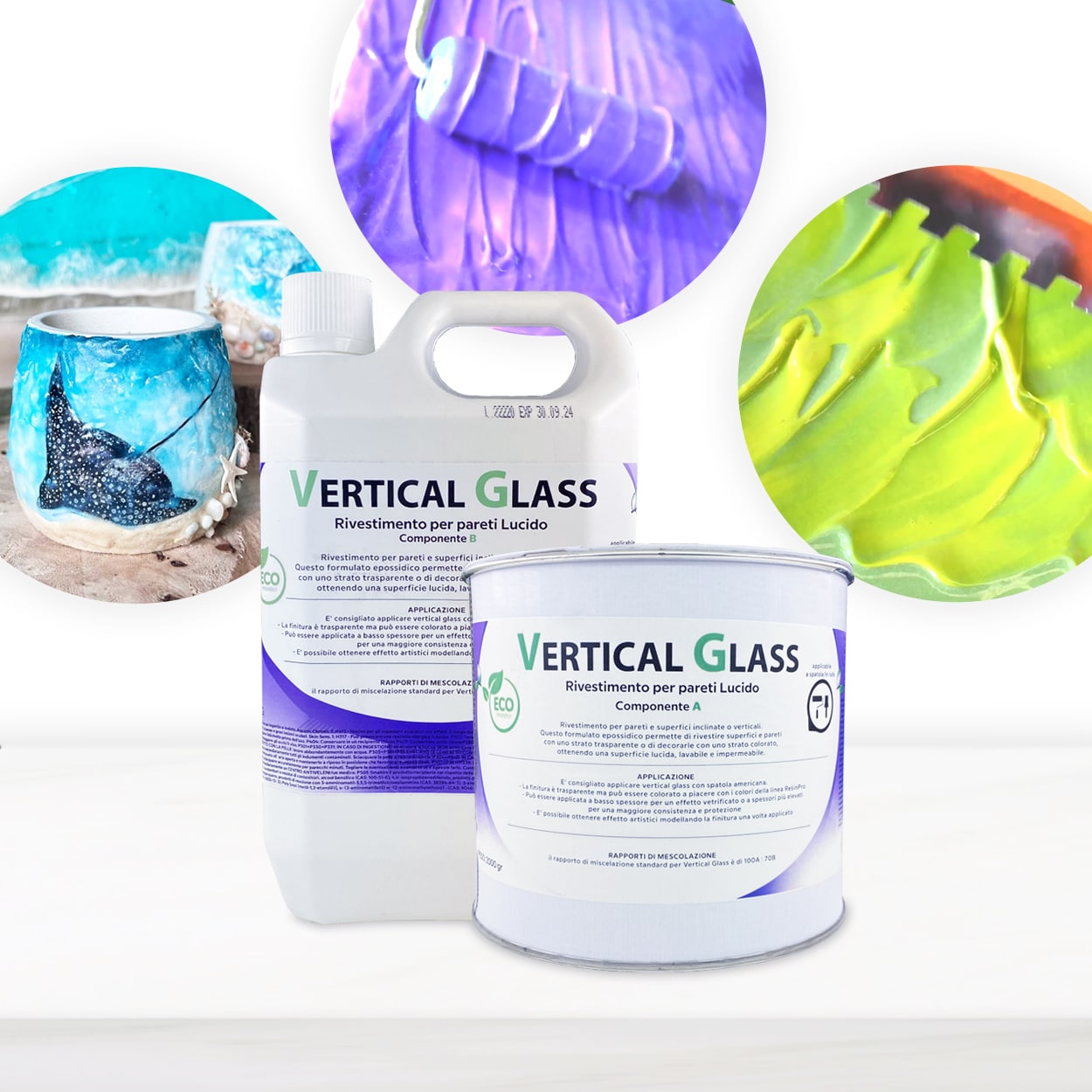
- “Vertical Glass” – Thick Resin Decorative Wall Coating: Suitable for forming decorative, waterproof coatings on walls and vertical or sloping surfaces.
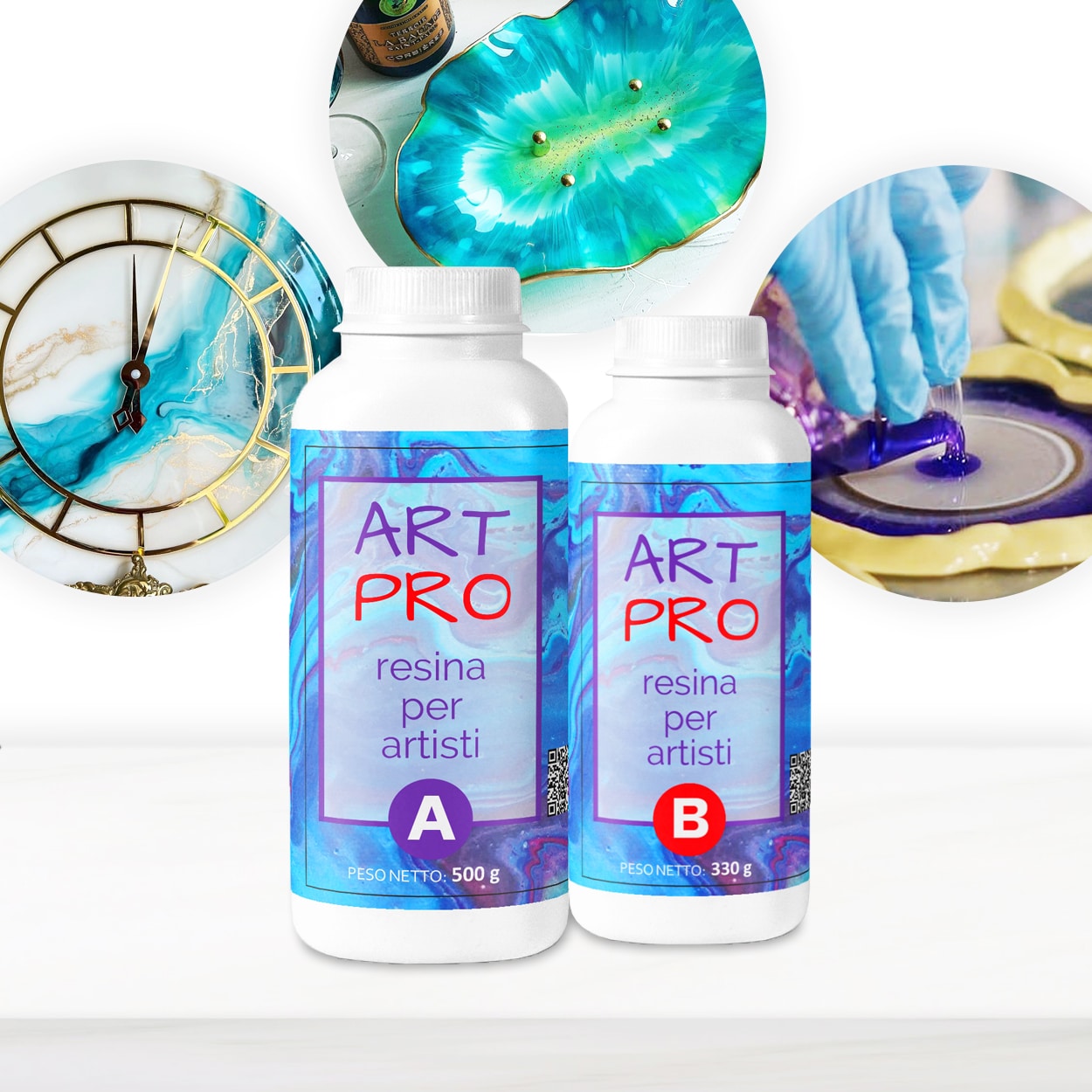
- “Art Pro” – Clear Epoxy Resin for Artists and Surface Coating: A medium viscosity clear epoxy resin designed for artists and crafters to create glass-like, durable coatings.
- “Art Pro Deluxe” – Ultra-High Viscosity Epoxy Resin for Artists: Ultra-high viscosity epoxy resin designed for precision resin art and coatings with a crystal-clear, scratch-resistant finish.
- “Trasparente” – Multipurpose Clear Epoxy Resin for Casting – Up to 2cm: A clear epoxy resin designed for layering up to 2cm, suitable for detailed casting and various DIY projects.
- Protective gloves and safety goggles
- Mixing buckets and stirrers
- Spatula or trowel for application
- Masking tape and drop sheets for edge protection
- Sandpaper (if surface smoothing is needed)
- Level (to ensure even application)
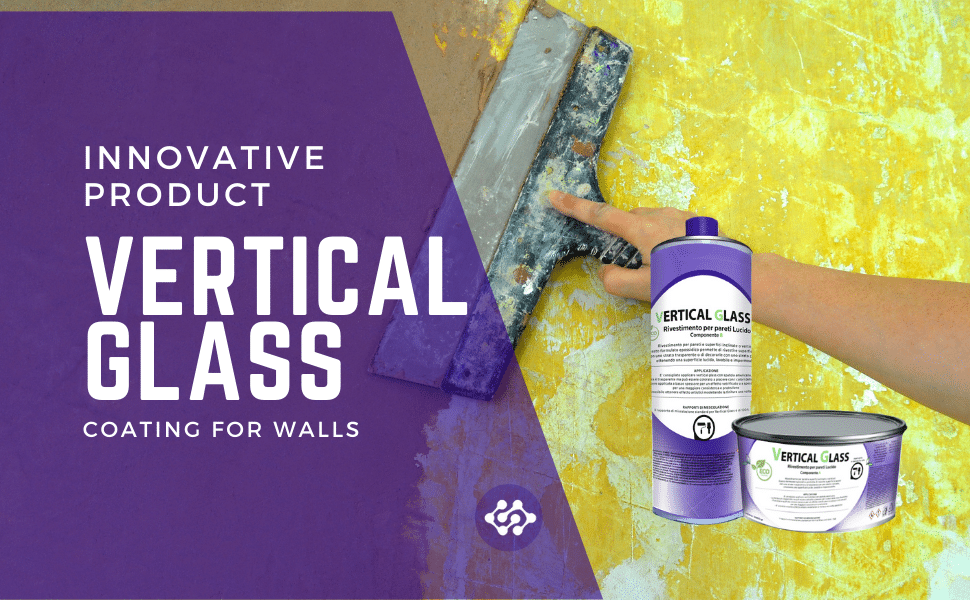
See Creative Resin Wall Finishes in Action
Explore completed resin wall projects for inspiration and witness a variety of finish options—from subtle tints to textured designs—achieved using advanced wall coating techniques.
Step 1: Prepare the Wall Surface
Proper preparation is crucial for a long-lasting resin wall finish. Begin by thoroughly cleaning the wall, ensuring that all dust, grease, or loose paint is removed. Any existing cracks or holes should be filled and the surface sanded until smooth. Allow any repairs to dry fully before proceeding.
Thorough surface preparation ensures lasting adhesion. For best results, the substrate should be dry, stable, and free from contaminants.
Use masking tape and drop sheets to protect areas you do not wish to coat. Wear safety goggles and gloves throughout the process to protect yourself from potential splashes or skin contact with resin.
Step 2: Mix and Tint Your Resin
Accurate mixing is essential in achieving a consistent result. Measure the resin and hardener according to the manufacturer’s instructions, using a clean bucket and stirrer. For a custom look, incorporate pigments or metallic powders into the mix—stir well to distribute colour evenly.
If you require a resin specifically tailored for vertical applications and decorative wall effects, “Vertical Glass” – Thick Resin Decorative Wall Coating is ideal, as it allows creative pigmenting and maintains integrity on vertical surfaces.
Step 3: Apply the Resin to the Wall
Pour the mixed resin onto the prepared surface, beginning at the top and spreading evenly using a spatula or trowel. Work in sections to prevent the resin from running or sagging. Applying the resin in thin layers helps to avoid unevenness and ensures controlled curing.
Apply resin in thin, even layers for best results. Avoid overworking the material to prevent streaks or bubbles. Vertical surfaces benefit from resins with higher viscosity, such as the “Art Pro Deluxe” – Ultra-High Viscosity Epoxy Resin for Artists, which provides greater control and reduces the risk of drips.
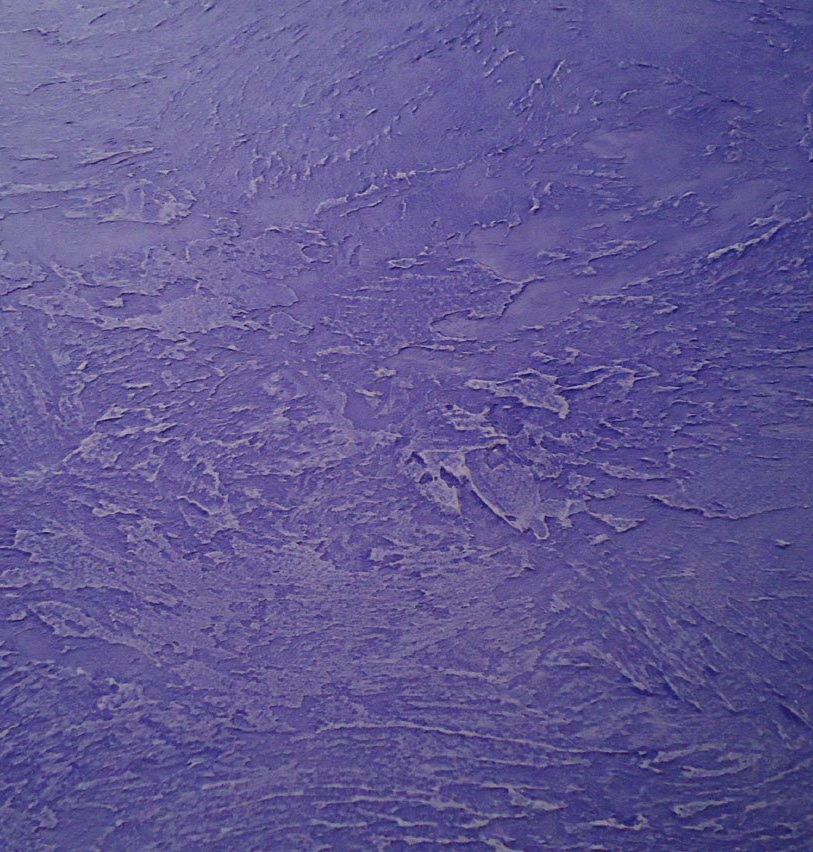
Step 4: Allow to Cure and Finish
After application, allow the resin to self-level and cure undisturbed according to product guidelines, typically 24–48 hours. Avoid touching or exposing the surface to dust during this period.
Allow each layer to cure fully before proceeding with any subsequent applications. Once cured, the wall can be lightly sanded for a satin finish or left glossy. If you wish to add another layer or enhance durability, ensure the previous coat is fully set and dust-free. Always follow safety instructions when sanding cured resin.

Tips, Common Mistakes, and Troubleshooting
Patience is vital—rushing through surface preparation or not following mixing ratios can lead to poor adhesion or uneven finishes. Always check for air bubbles after application and use a heat gun lightly if needed to release trapped air, especially in larger sections.
Avoid applying resin on damp or unstable surfaces. Maintain consistent room temperature to ensure even curing, and never apply thick layers in one go. If you encounter imperfections after curing, sanding and recoating with a compatible product can bring the finish back to perfection.
Expert Insights: Troubleshooting Resin Walls
Common troubleshooting includes fixing air bubbles, treating surface blemishes, and understanding curing times. If in doubt, refer to the guide above or consult a specialist for your specific wall type.
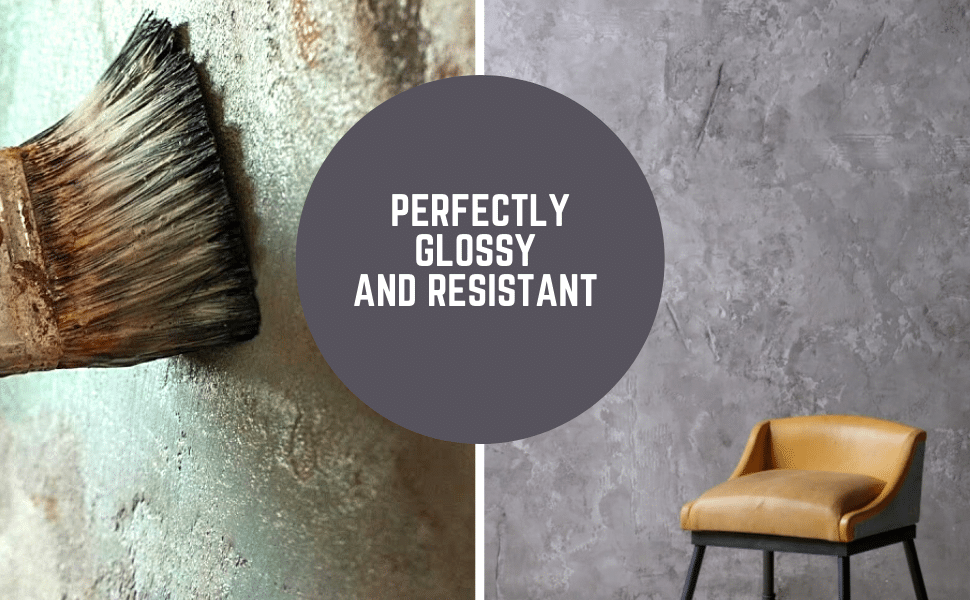
- "Vertical Glass" – Thick Resin Decorative Wall CoatingPrice range: £128.85 through £179.85"Vertical Glass" offers a waterproof, customisable epoxy resin coating suitable for vertical and sloping walls in residential or commercial interiors.
- "Art Pro" – Clear Epoxy Resin for Artists and Surface CoatingPrice range: £31.15 through £388.85"Art Pro" clear epoxy resin provides a durable, high-gloss surface suitable for artists and crafters working with decorative coatings.
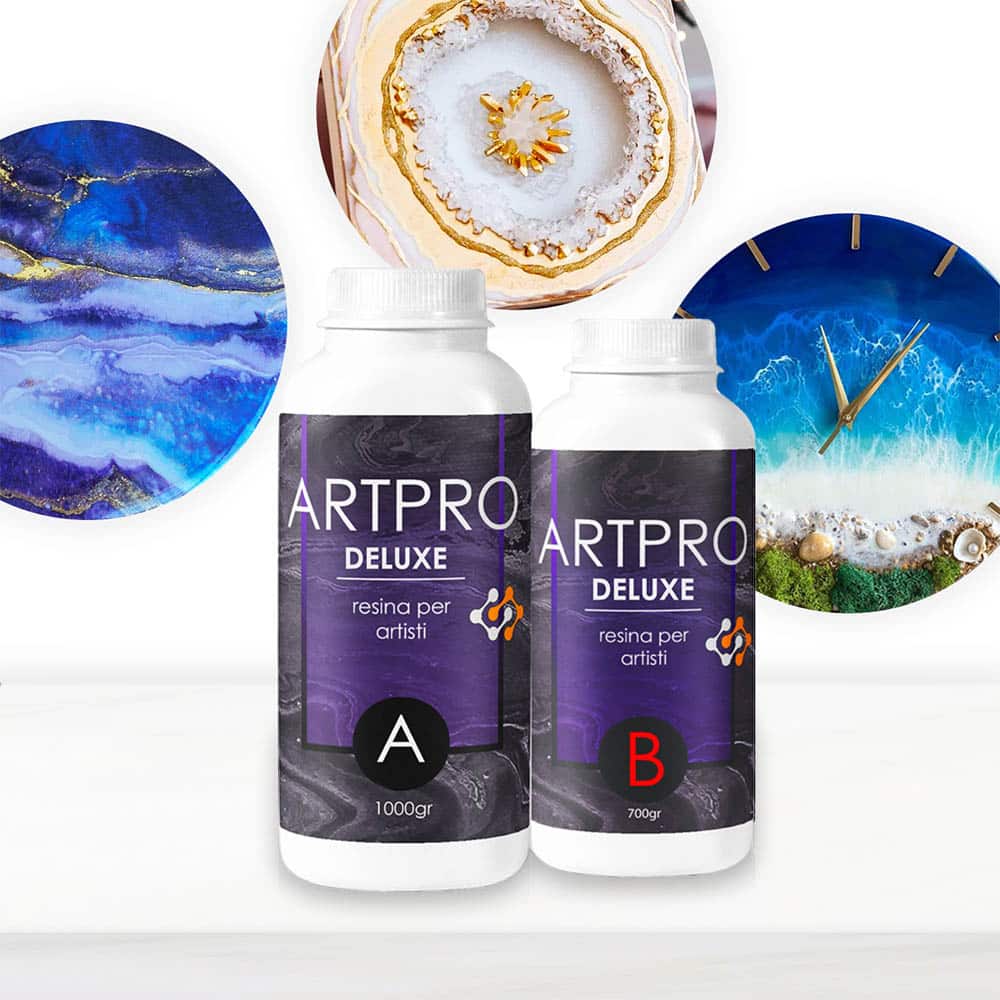 "Art Pro Deluxe" – Ultra-High Viscosity Epoxy Resin for ArtistsPrice range: £33.85 through £287.85"Art Pro Deluxe" ultra-high viscosity epoxy resin suits artists seeking precise control and a crystal-clear finish for resin art, fitting the theme…
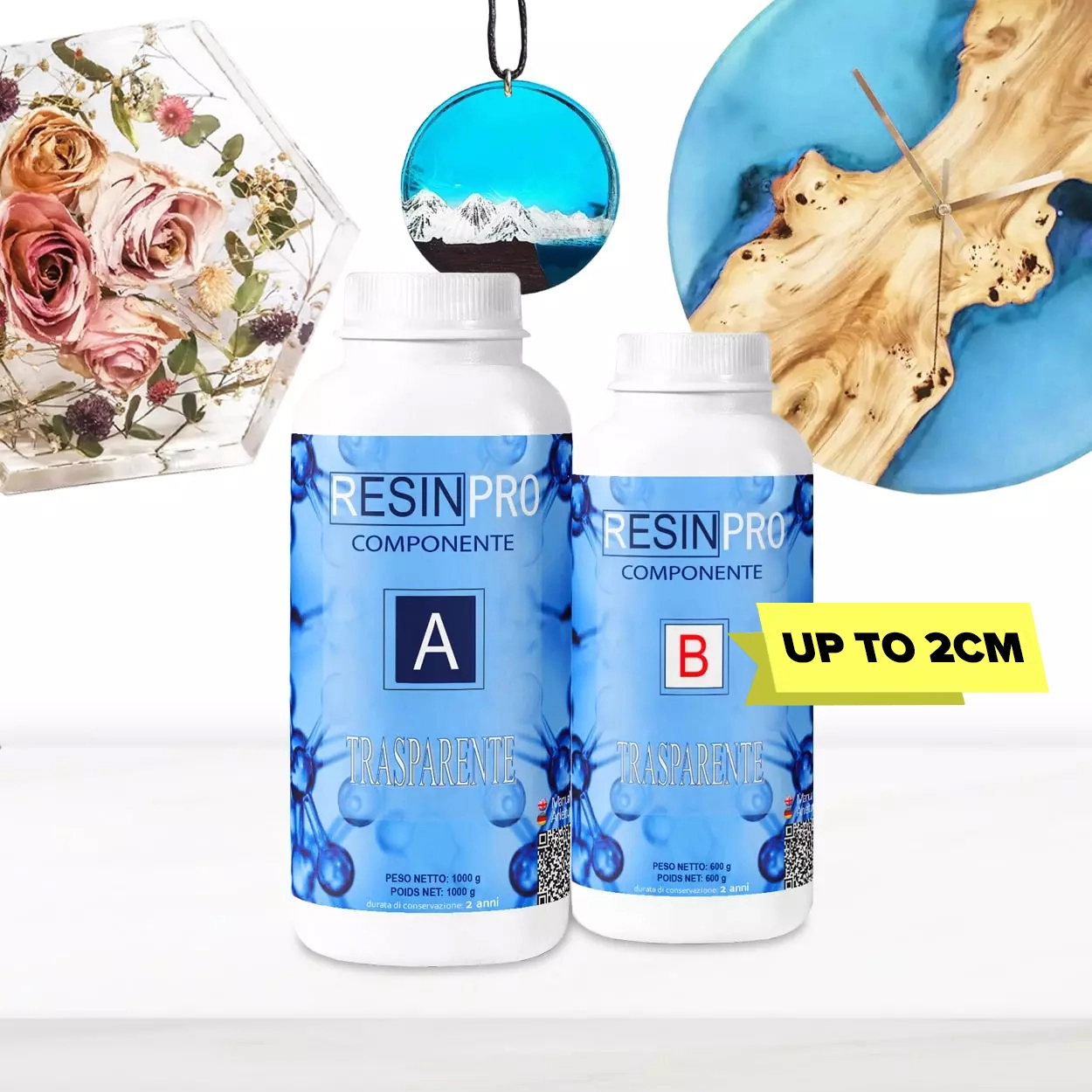 "Trasparente" – Multipurpose Clear Epoxy Resin for Casting – Up to 2cmPrice range: £8.45 through £948.85"Trasparente" multipurpose clear epoxy resin offers an ultra-clear, scratch-resistant finish up to 2cm thick for varied DIY and art projects.
Frequently Asked Questions
Can you apply resin to any wall type?
Resin adheres best to stable, clean, and non-porous surfaces such as tiles, cement render, or plaster. Avoid use on damp or unstable walls.
Do you need to prime a wall before applying resin?
Priming is advised for porous or highly absorbent substrates to ensure good adhesion and prevent bubbles from forming beneath the resin.
How do you get an even resin finish on a wall?
Apply resin in thin, controlled layers and make sure the wall is completely level and smooth before starting application.
What should I do if there are bubbles or dust in my resin wall?
Remove bubbles with a heat gun after applying the resin. Cover the wall while curing to prevent dust settling on the surface.
How long does a resin wall take to cure?
Most wall applications require 24–48 hours to cure, depending on the resin and thickness of the application.
Can you colour resin for wall art?
Yes, resin can be tinted with compatible pigments or metallic powders to create customised decorative effects.