 Free shipping on orders over £29,85
  Shipping Tracking!


 Google
 Facebook
← Back to How do you apply liquid resin on plastic?
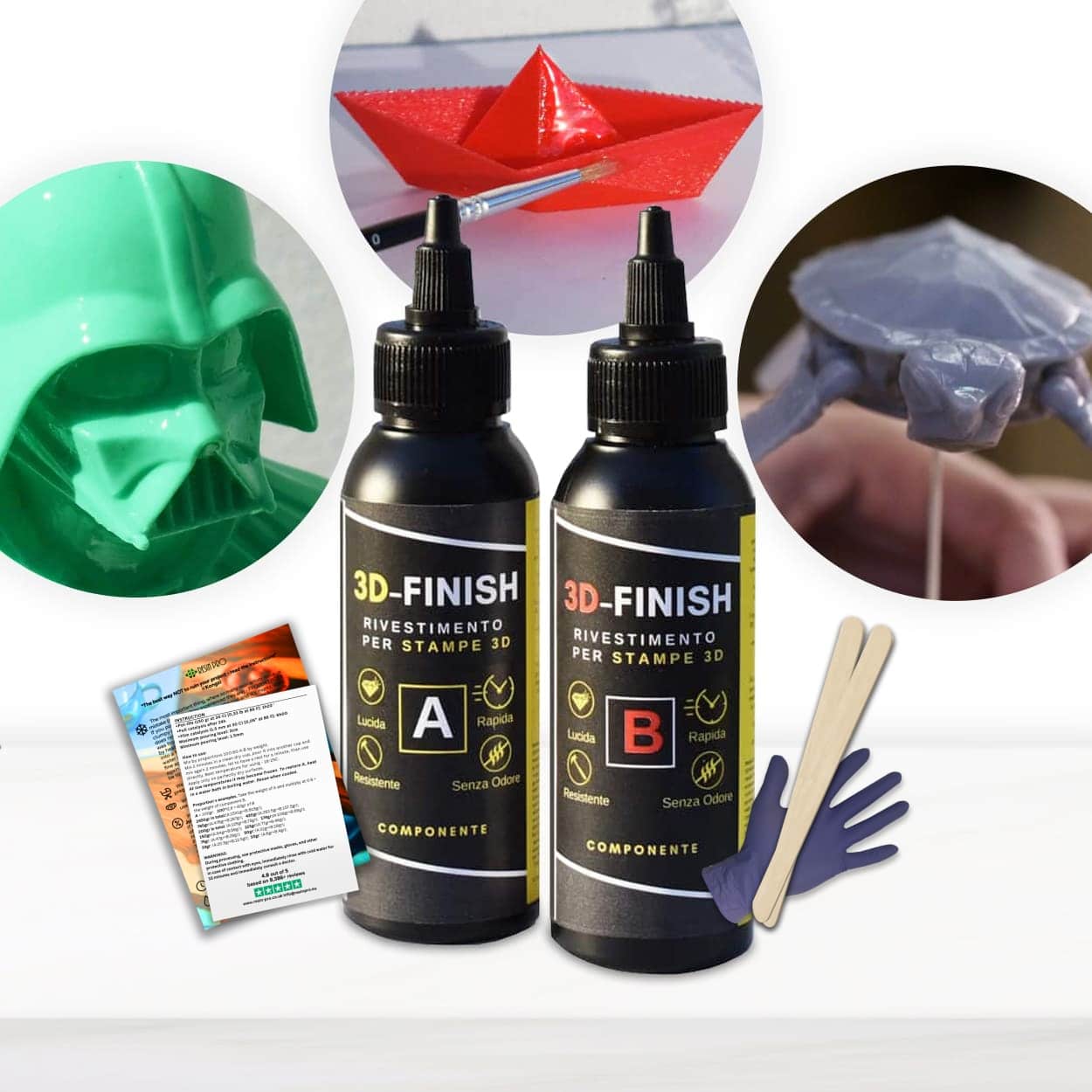
Achieving a flawless, glass-smooth resin finish on plastic requires attention to technique. Brush marks and streaks are common pitfalls but can be avoided with the right method, tools, and preparation.
Choose the Right Tools and Application Technique
Traditional brushes often leave behind bristle marks and streaks, especially if the resin is applied too thickly. Instead, opt for a notched spreading tool such as the Tooth Shaped Spatula for Epoxy Resin Application. Glide the tool gently across the plastic, spreading resin in a thin and even layer. You can also use a gloved finger for detailed or small surfaces, smoothing carefully to encourage the resin to self-level.
Keep Resin Layers Thin and Allow Settling Time
Thin layers of resin are more likely to self-level, reducing visible marks and irregularities. Apply only as much as needed to coat the surface, then let the resin sit and settle—this helps eliminate ridges or lines left from application. For best results, maintain a clean, dust-free workspace to prevent debris from becoming embedded in the surface.
Finishing and Remedying Imperfections
Should brush marks or streaks appear after curing, they can usually be resolved through gentle sanding with fine-grit abrasives. Work gradually and evenly, then wipe the surface clean before adding any further layers. Using high-purity isopropyl alcohol, like Pure Isopropyl Alcohol 99.9%, can help clean both the surface and your tools, ensuring a dust-free coating process in subsequent applications.
When This Matters
Attention to application technique is particularly important for visible parts, intricate 3D prints, or any project where a professional finish is required. Choosing purpose-made resins, such as 3D Finish fast coating epoxy, can further reduce the risk of surface defects on plastics like PLA or ABS.
Related products
Related guides
Mastering resin application on plastic means taking control over every detail—from surface prep to tool selection. Explore more ways to perfect your resin projects in our main guide on how to apply liquid resin on plastic.