 Free shipping on orders over £29,85
  Shipping Tracking!


 Google
 Facebook
How do you apply liquid resin on plastic?
A step-by-step guide for smooth, glossy resin finishes on plastics
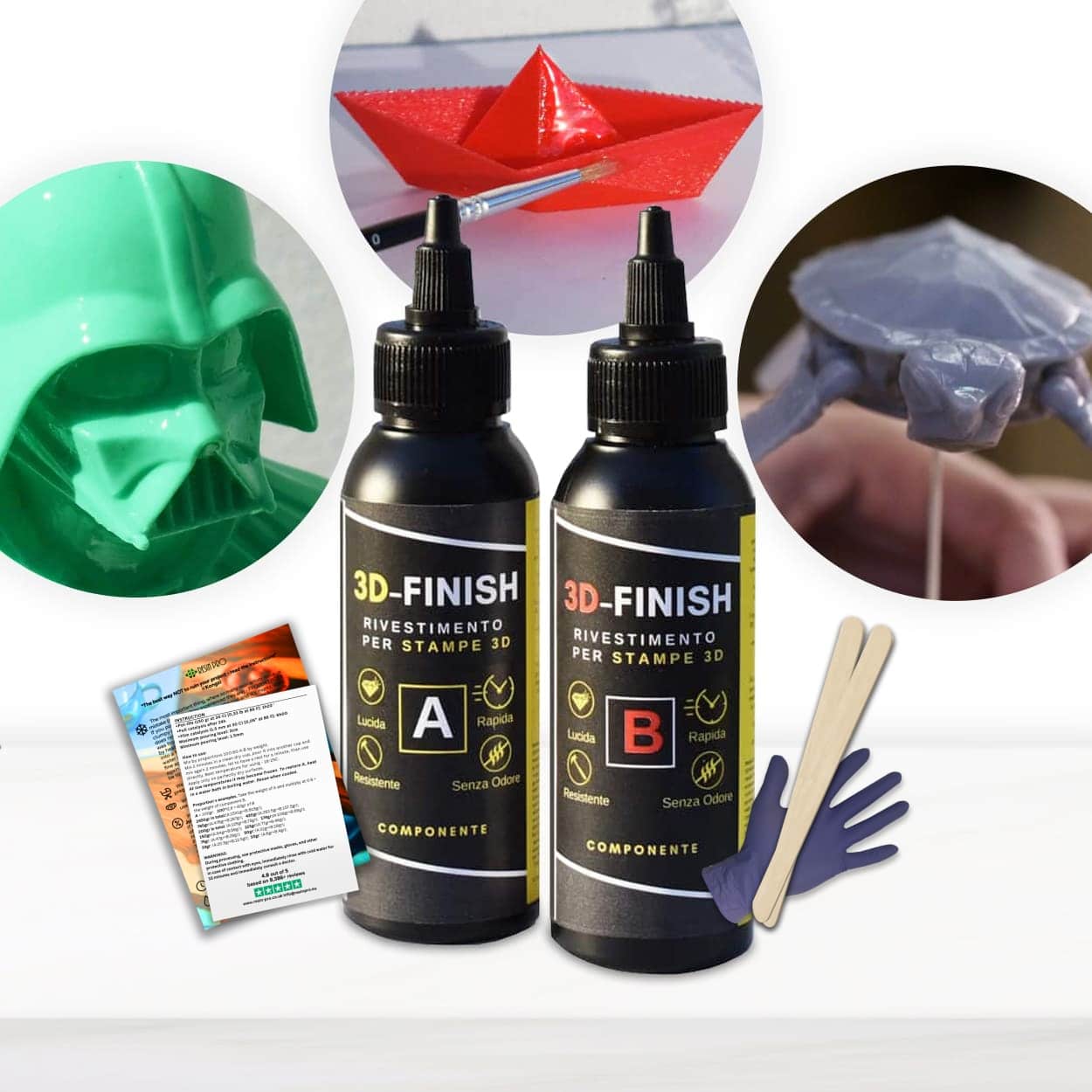

Applying liquid resin to plastic surfaces creates a smooth, protective, and visually striking finish. This guide walks you through the essential steps, from surface preparation through to a professional-level result. Whether you’re restoring 3D prints, sealing plastic parts, or crafting functional objects, following these techniques ensures the resin adheres well and cures to a flawless, bubble-free surface.
What You’ll Need
- Strong Technical Degreaser for Resin Projects – 100% Natural Formula for thorough surface cleaning
- “3D Finish” – Fast Coating Epoxy Resin for 3D Prints as your liquid resin of choice for plastics
- Tooth Shaped Spatula for Epoxy Resin Application or a suitable spreading tool
- Pure Isopropyl Alcohol 99.9% – 1000ml Bottle for Epoxy Resin Projects & DIY for bubble removal and clean-up
- Nitrile gloves and protective workspace covering
Frequently Asked Questions
How do I avoid brush marks or streaks in my resin finish?
Brush marks are common when using bristles or applying too thick a coat. For best results, use a spreading tool like a notched spatula or a gloved finger to gently smooth the resin. Thin layers self-level more effectively and reduce visible streaks. Give the resin time to settle before curing, and keep the workspace dust-free. If sanding is required once cured, always work gradually with fine-grit abrasives, then clean thoroughly before recoating.
What is the best way to remove bubbles from resin on plastic?
Bubbles can be released by gently applying heat (with a heat gun or hair dryer) or by misting high-purity isopropyl alcohol over the resin surface. Avoid excessive heat near plastics to prevent warping, and always work in a well-ventilated space. Spreading the resin in thin layers helps minimise trapped air and makes bubbles easier to remove.
Why isn’t my resin sticking properly to the plastic?
Poor adhesion is usually caused by surface contamination from grease, dust, or unremoved release agents. Always thoroughly clean and degrease your plastic before applying resin, and avoid handling cleaned surfaces with bare hands. Some plastics may require light sanding with fine abrasive for extra grip, especially for very smooth or glossy items.
Can I sand or polish resin after applying to plastic?
Yes, most cured resins can be sanded and polished for a glass-smooth finish. Begin with fine-grit sandpaper, working up to finer grades, and finish with a polishing compound appropriate for resins. Always allow the resin to cure fully before starting any finishing work.
How do I safely clean up tools after resin application?
Wipe away excess resin while it is still wet using isopropyl alcohol and disposable paper towel or cloth. Let spatulas and non-porous tools cure with any leftover resin, then peel off the hardened waste. Protect your hands with gloves throughout cleanup. Dispose of resin-soaked materials according to local waste regulations.
Why isn’t my resin sticking properly to the plastic?
Poor adhesion is usually caused by surface contamination from grease, dust, or unremoved release agents. Always thoroughly clean and degrease your plastic before applying resin, and avoid handling cleaned surfaces with bare hands.
Some plastics may require light sanding with fine abrasive for extra grip, especially for very smooth or glossy items.
Can I sand or polish resin after applying to plastic?
Yes, most cured resins can be sanded and polished for a glass-smooth finish. Begin with fine-grit sandpaper, working up to finer grades, and finish with a polishing compound appropriate for resins.
Always allow the resin to cure fully before starting any finishing work.
How do I safely clean up tools after resin application?
Wipe away excess resin while it is still wet using isopropyl alcohol and disposable paper towel or cloth. Let spatulas and non-porous tools cure with any leftover resin, then peel off the hardened waste. Protect your hands with gloves throughout cleanup.
Dispose of resin-soaked materials according to local waste regulations.