 Free shipping on orders over £29,85
  Shipping Tracking!


 Google
 Facebook
← Back to How many grams of resin are needed for 8 mm diameter holes?
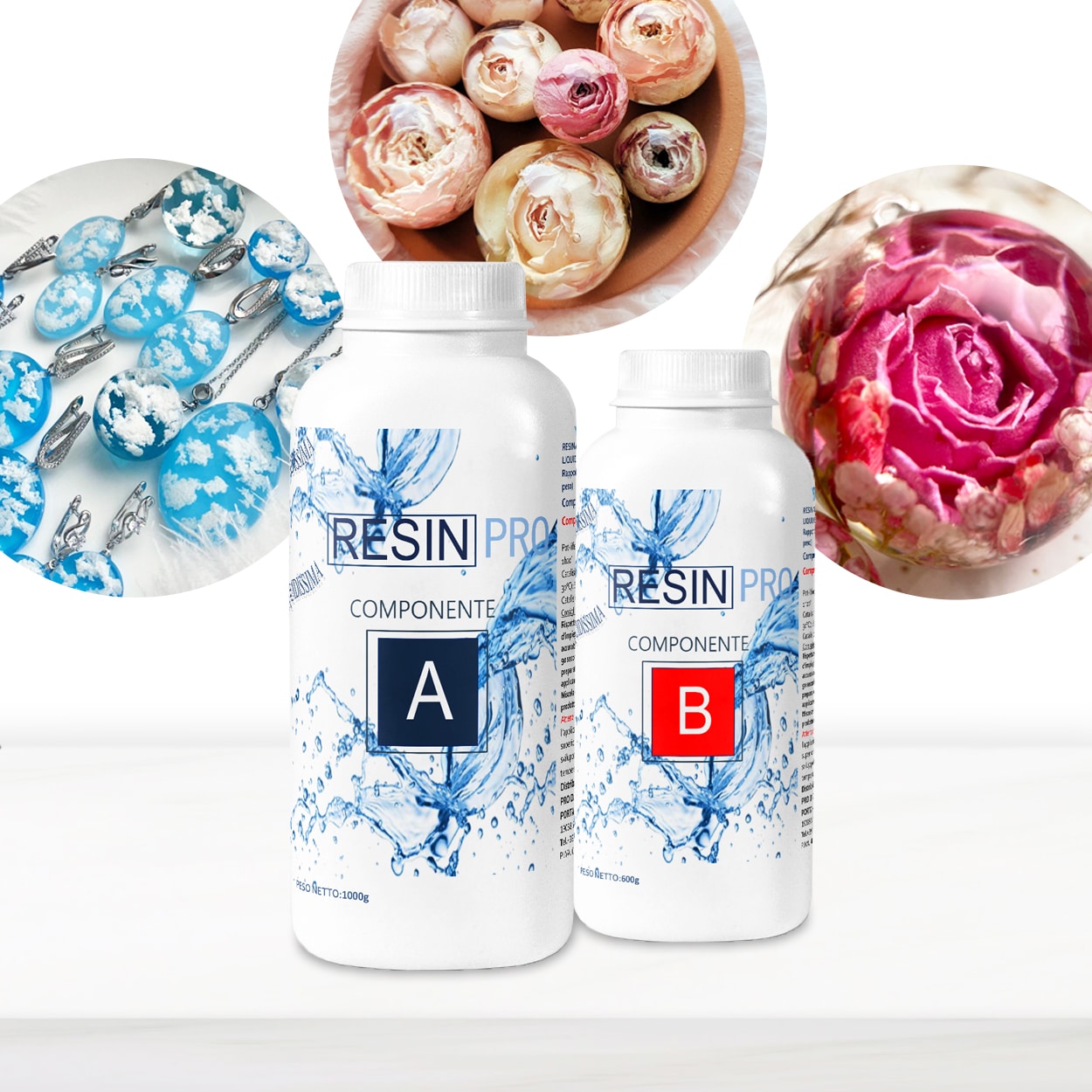
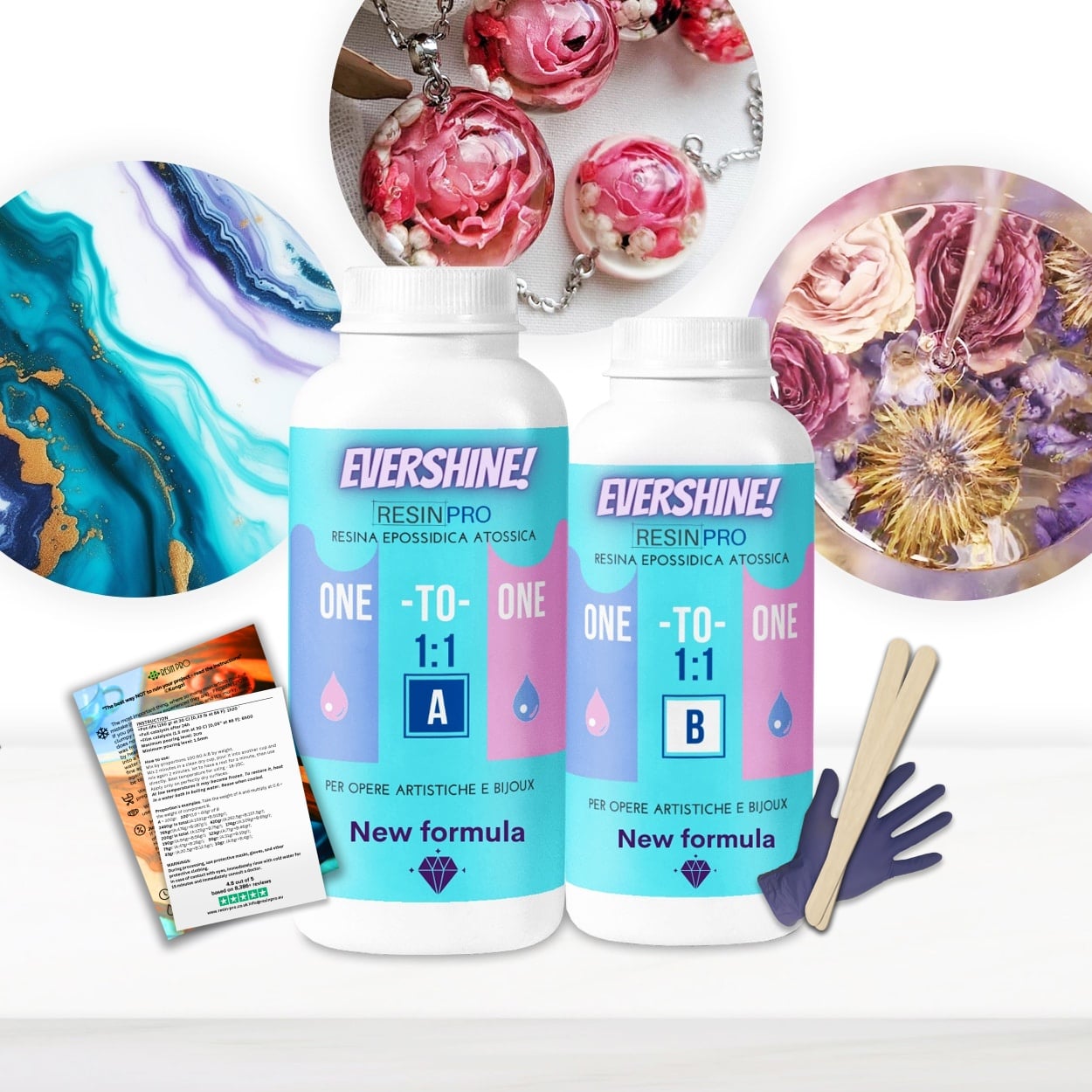
Filling 8 mm diameter holes in jewellery requires a resin that flows well into small spaces and sets to a crystal-clear finish. Choosing the right product makes all the difference for detail and durability.
Why Low Viscosity Resin Excels for Small Jewellery Holes
For fine work such as 8 mm holes, a low viscosity epoxy pours smoothly and eliminates unsightly pockets or bubbles. This is essential in jewellery where clarity and finish are highly visible. A resin like “Liquidissima” stands out as it is formulated to flow effortlessly into detailed or narrow spaces and offers superior transparency upon curing.
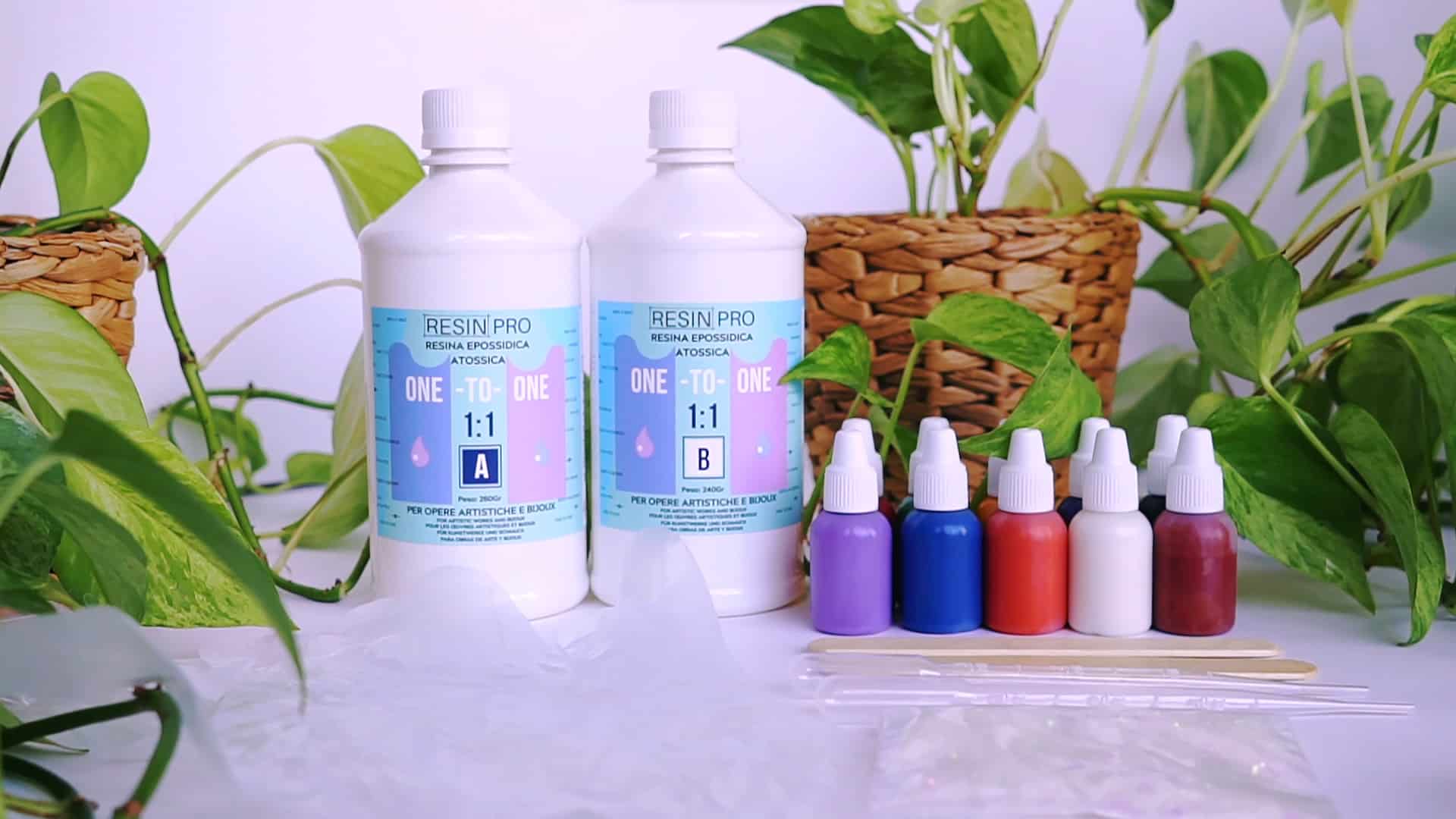
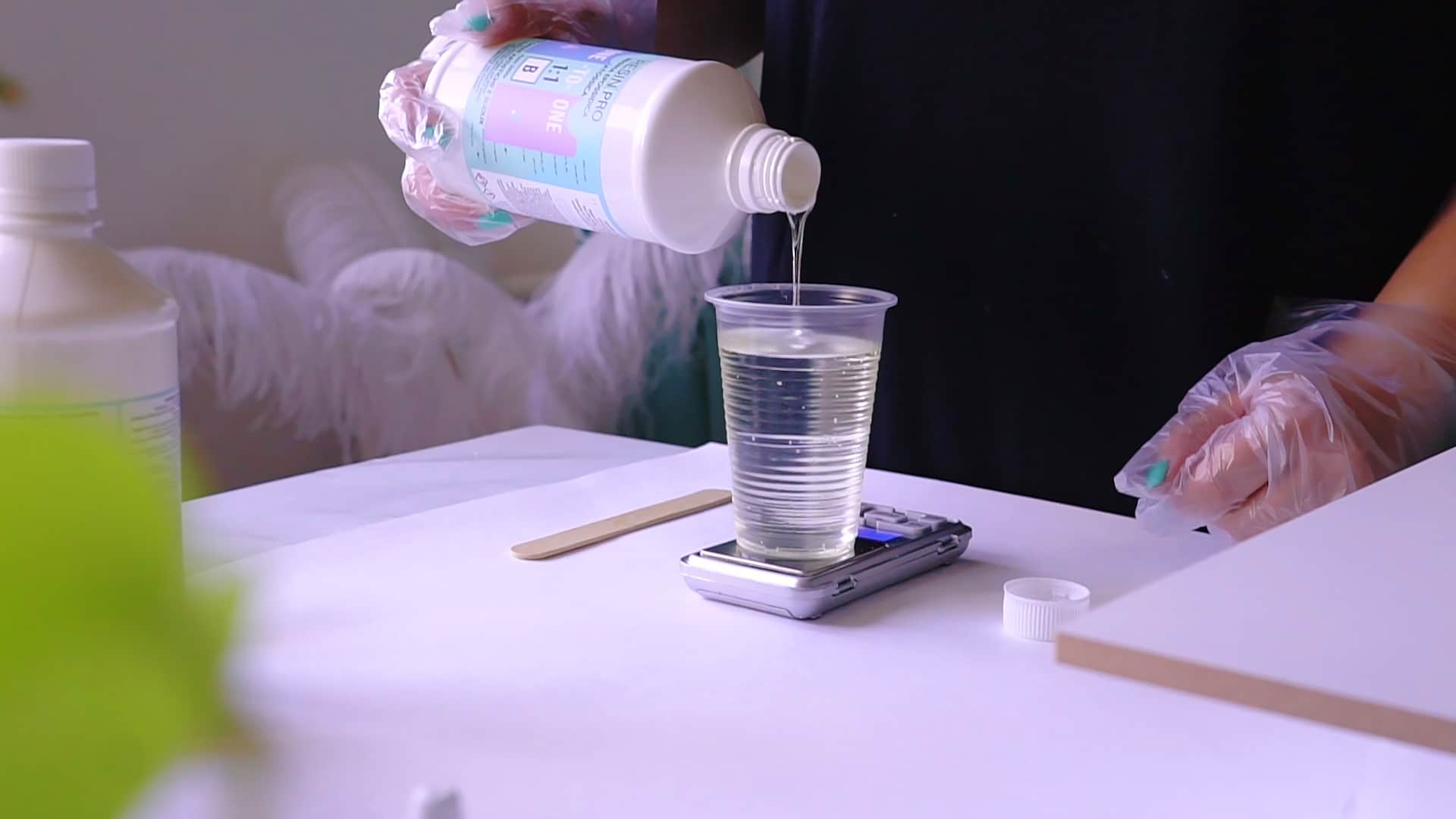
Practical Tips for Using Resin in Jewellery Holes
- Prepare Clean Moulds: Ensure holes are clean and dry before pouring to avoid haze or poor adhesion.
- Slow, Controlled Pouring: Dispense the resin gradually for better placement and reduced air bubbles.
- Allow Sufficient Cure Time: Give the piece plenty of time to set undisturbed to produce a flawless, strong result.
Low viscosity options typically allow extra working time, making adjustments easier before the resin begins to set.
When Does Resin Choice Matter Most?
Getting the right resin is crucial for intricate work, such as filling tiny cavities or encasing delicate elements where flaws would be clearly visible. Projects with pronounced detail or transparency requirements especially benefit from specialised jewellery resin.

Related products
Related guides
Selecting a resin specifically designed for small, intricate applications ensures reliable, professional results. For more on accurate resin quantities and techniques, return to the full guide on resin use in 8 mm holes.