 Free shipping on orders over £29,85
  Shipping Tracking!


 Google
 Facebook
← Back to How to get resin from a plant?
If you’re looking to harvest natural resin, choosing the right plant is essential. Certain types of trees produce more usable resin than others, and responsible selection is key for both yield and sustainability.
Top Resin-Bearing Plants
Some trees are recognised for their ability to produce quality natural resin. Pines are particularly famous, with many varieties offering ample, accessible resin deposits. Fir and spruce trees also make excellent sources, each providing resin suitable for various creative or craft applications.
- Pine: Widely available, resin-rich, and often the top choice for beginners.
- Fir: Known for a fragrant and sticky resin useful in craftwork.
- Spruce: Delivers clear, workable resin and is common in cooler climates.
Choosing the Right Tree
When collecting resin, it’s best to select mature, healthy trees. These are more likely to yield high-quality resin and ensure the tree’s ongoing health after harvesting. Avoid tapping young or stressed trees, as overharvesting can hinder their growth and sustainability.
Practical Guidance for Resin Harvesting
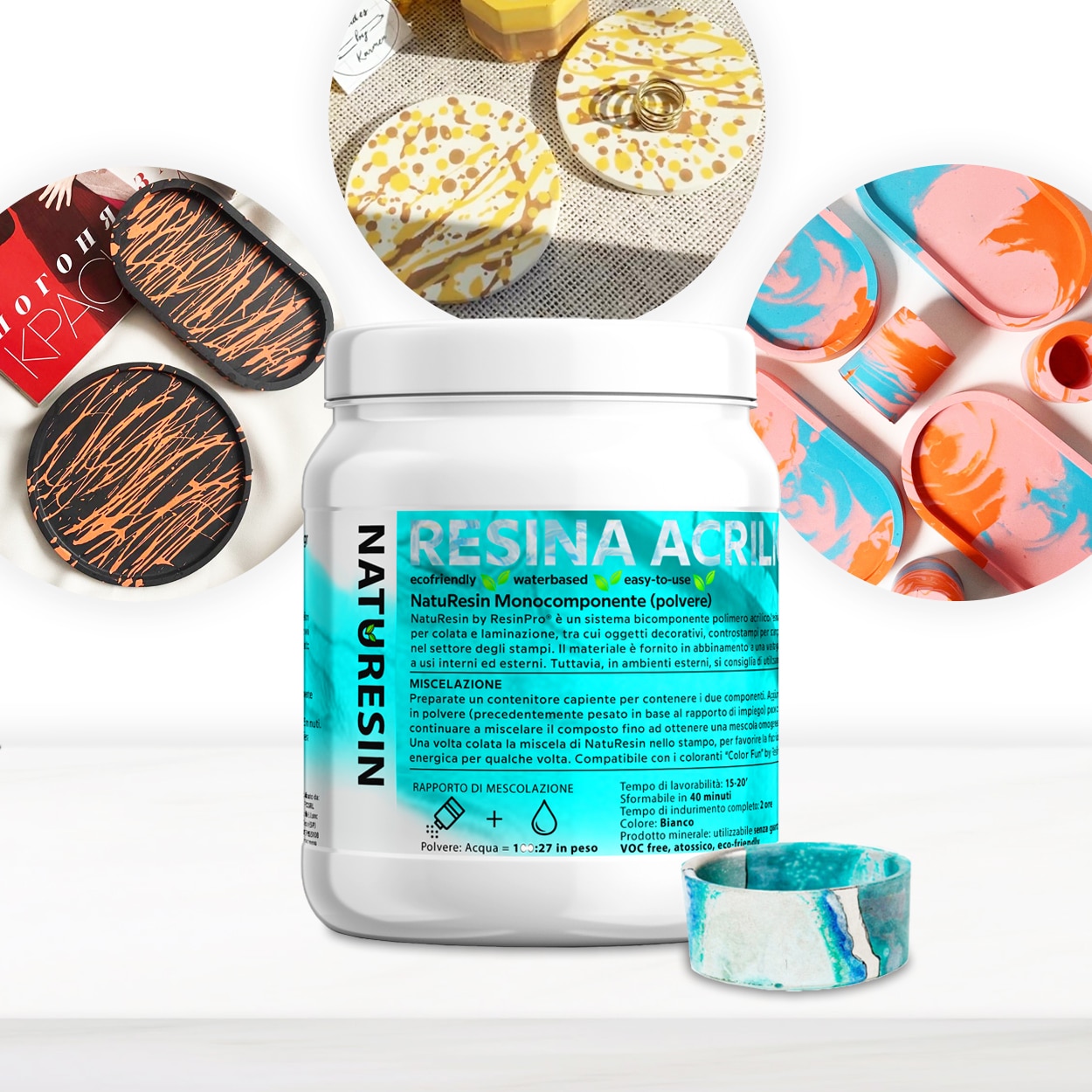
Always use clean, sharp tools for gentle tapping, causing minimal harm to the tree. Take care not to overharvest—resin is a natural defence for trees, so leaving plenty allows plants to protect themselves. For creative projects using collected resin, a safe, eco-friendly option like NatuResin mineral resin offers a convenient alternative when collecting natural sources isn’t practical.
When This Matters
Knowing which plants yield the best resin is essential for artists, crafters, and DIY enthusiasts inspired by nature. Selecting the right species ensures a better result and helps support sustainable use of natural resources.
Related products
Related guides
Understanding which trees provide the best natural resin enhances your projects and supports environmental stewardship. For more detailed steps and broader guidance, visit our main page on how to get resin from a plant.