 Free shipping on orders over £29,85
  Shipping Tracking!


 Google
 Facebook
← Back to How do you coat polymer clay with resin?
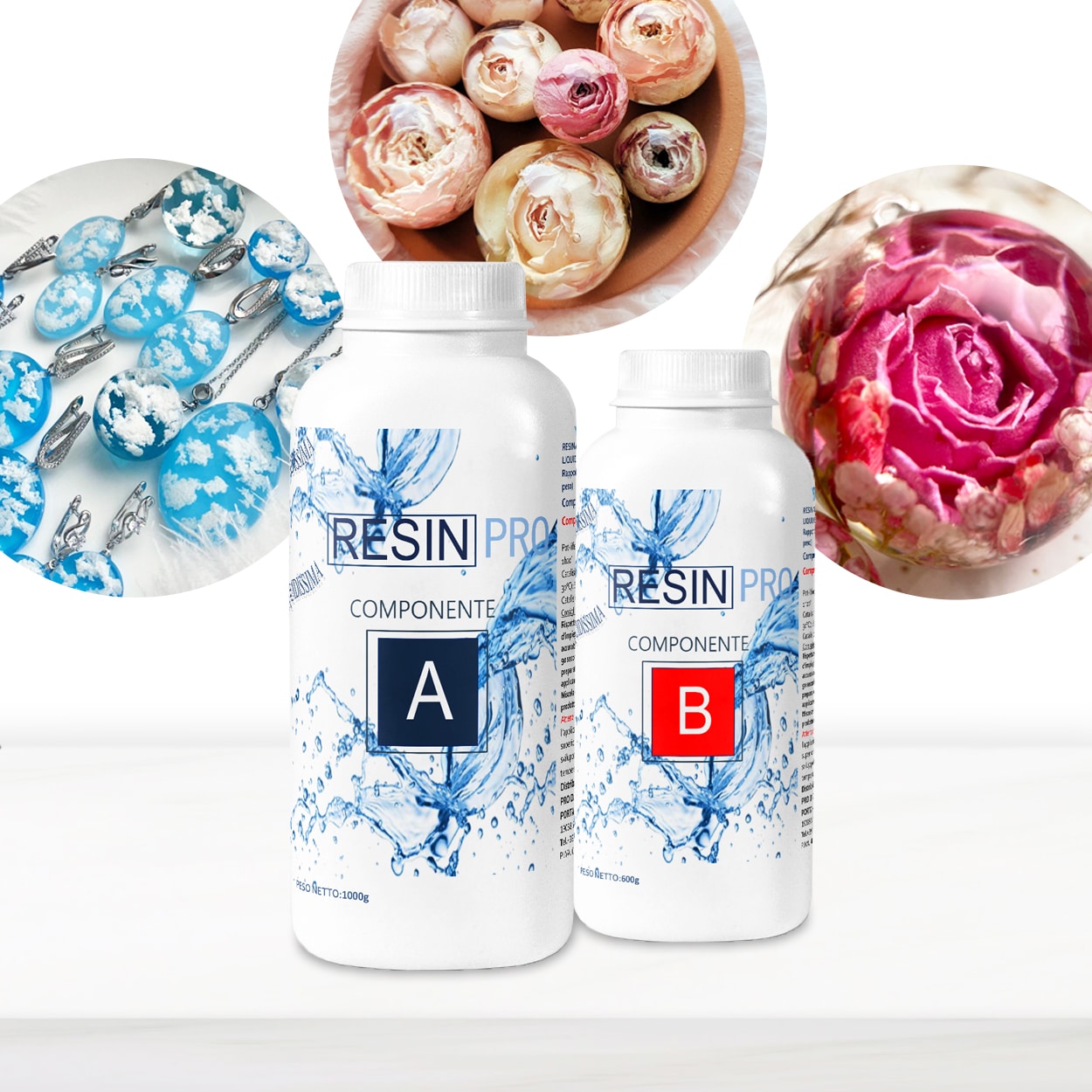
Choosing the right resin for coating polymer clay is essential for achieving a professional, resilient finish on your creations. Here’s how to select and use the best resin types for your polymer clay projects.
Which Resin Types Work Best?
For most polymer clay coatings, low viscosity epoxy resin and UV-curing resin are top choices. Low viscosity epoxies flow easily, self-level, and allow detailed coverage—perfect for intricate jewellery or decorative surfaces. UV resins, on the other hand, cure rapidly under a UV lamp, offering a straightforward, mess-free finish ideal for small items and quick turnaround times.
- Epoxy resins, such as “Liquidissima” – Epoxy Resin, provide excellent clarity and a self-levelling effect for a glass-like surface.
- UV resins like “UV–Creation” – Fast Acrylic Resin are ideal when speed and a glossy finish matter most.
- Medium viscosity epoxies such as “One-2-One” Epoxy Resin are suitable for those seeking balanced ease of use and a robust, clear coat.
Practical Tips for Application
Successful resin coating begins with preparation. Ensure your polymer clay piece is dry and clean of dust. Apply epoxy resin in thin, even layers to prevent puddling and ensure full curing. UV resin should be distributed in a smooth, thin coat and cured thoroughly under a UV light in several layers if depth is needed. Always wear gloves, protect your work area, and follow the manufacturer’s instructions for mixing and curing times to achieve consistent results.
When Choice of Resin Matters Most
If your design has delicate details or needs a high-gloss, transparent look, a low viscosity epoxy or UV resin is particularly advantageous. For thicker coatings (over 1 cm), check the resin’s maximum casting depth—many jewellery-grade resins suit thin layers only. Fast-curing UV resin is invaluable for small, quick projects, while slow-curing epoxies offer more time to perfect your finish.
Related products
Related guides
Selecting the right resin ensures your polymer clay designs are beautifully finished and protected. For further techniques and step-by-step guides, see our full article on how to coat polymer clay with resin.