 Free shipping on orders over £29,85
  Shipping Tracking!


 Google
 Facebook
← Back to How to mix resin and calcium carbonate?
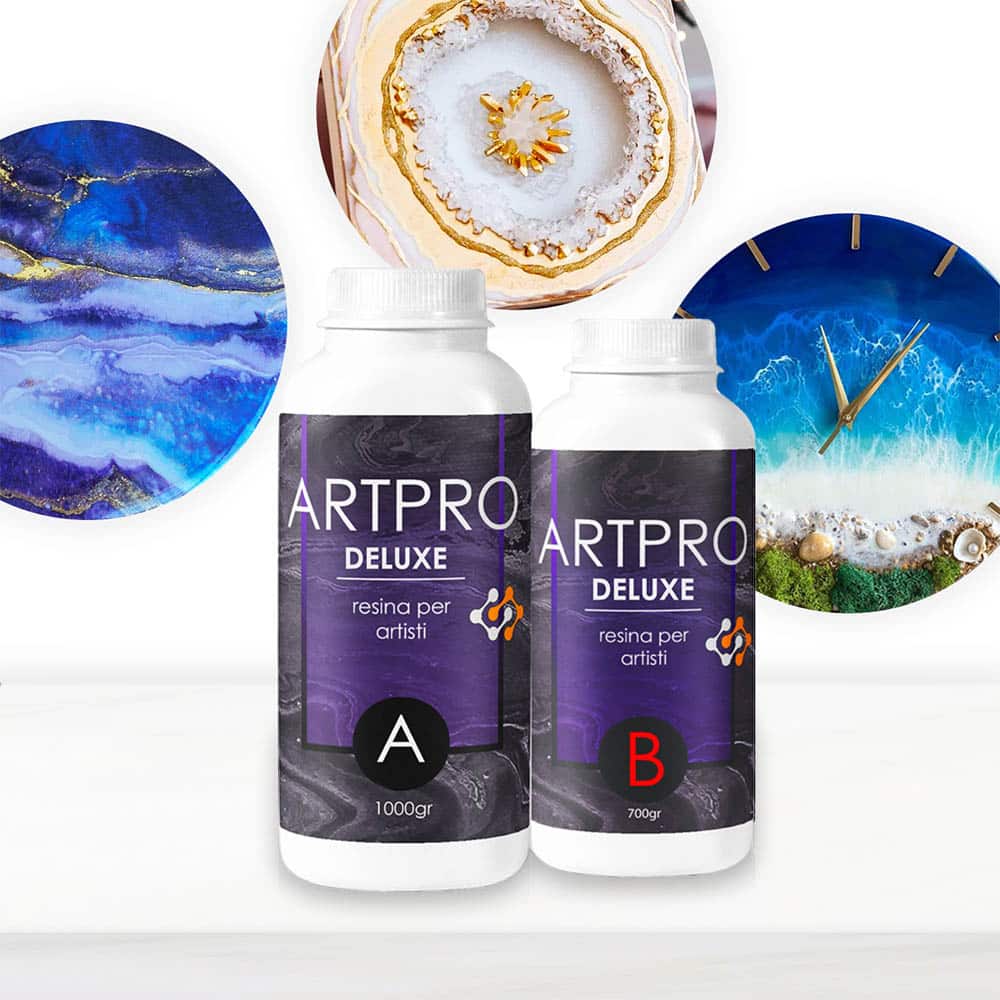
Mixing calcium carbonate with resin opens up creative and functional possibilities, from art projects to strong decorative surfaces. Choosing the right resin type is essential to achieve ideal results and a smooth working process.
Understanding Resin Viscosity for Calcium Carbonate Mixing
Resin viscosity plays a crucial role when combining with calcium carbonate. High-viscosity resins are excellent for suspending powders and fillers, which prevents settling and allows for precise artistic effects. For instance, “Art Pro Deluxe” – Ultra-High Viscosity Epoxy Resin for Artists is popular among artists for projects such as geode art and ocean effects, keeping pigments and fillers tightly held in place throughout the cure.
If your application calls for thin, even penetration—such as with stone, pebbles or grits—low-viscosity resins work best. These allow the mixture to flow smoothly around fine aggregates, which is ideal for flooring work and decorative stones. For this, a resin such as “Trasparente” epoxy binder provides strong, clear finishes in flooring applications.
Selecting the Best Resin for Your Project
- High-viscosity resin: Best for art, creating defined lines and holding heavy fillers (e.g., Art Pro Deluxe).
- Medium-viscosity resin: Suitable for general crafting and handcraft applications, such as jewellery or cabochons. “One-2-One” epoxy resin offers a balanced flow for powdery fillers and is easy to mix with a 1:1 ratio.
- Low-viscosity resin: Ideal for floorings or pebble mixes, where impregnation into fine aggregates is required (e.g., Trasparente binder).
Practical tip: Always add calcium carbonate gradually, stirring well, and ensure it is evenly distributed. Carefully follow manufacturer guidelines for mixing ratios and pour depth to avoid imperfections or settling issues.
When Resin Choice Matters Most
The suitability of a resin can make all the difference in your results. For detailed artwork, use a thicker resin to keep powders suspended. For flooring or large-scale pouring, opt for a lower viscosity to achieve a consistent, clear bond with all aggregate surfaces. Picking the right resin at the outset prevents common issues such as filler sinking or air bubbles.
Related products
Related guides
Matching your resin to the way you intend to use calcium carbonate is vital for getting the best out of your mix. For further detailed mixing advice, see our main guide on how to mix resin and calcium carbonate.